
- Chinese
- French
- German
- Portuguese
- Spanish
- Russian
- Japanese
- Korean
- Arabic
- Irish
- Greek
- Turkish
- Italian
- Danish
- Romanian
- Indonesian
- Czech
- Afrikaans
- Swedish
- Polish
- Basque
- Catalan
- Esperanto
- Hindi
- Lao
- Albanian
- Amharic
- Armenian
- Azerbaijani
- Belarusian
- Bengali
- Bosnian
- Bulgarian
- Cebuano
- Chichewa
- Corsican
- Croatian
- Dutch
- Estonian
- Filipino
- Finnish
- Frisian
- Galician
- Georgian
- Gujarati
- Haitian
- Hausa
- Hawaiian
- Hebrew
- Hmong
- Hungarian
- Icelandic
- Igbo
- Javanese
- Kannada
- Kazakh
- Khmer
- Kurdish
- Kyrgyz
- Latin
- Latvian
- Lithuanian
- Luxembou..
- Macedonian
- Malagasy
- Malay
- Malayalam
- Maltese
- Maori
- Marathi
- Mongolian
- Burmese
- Nepali
- Norwegian
- Pashto
- Persian
- Punjabi
- Serbian
- Sesotho
- Sinhala
- Slovak
- Slovenian
- Somali
- Samoan
- Scots Gaelic
- Shona
- Sindhi
- Sundanese
- Swahili
- Tajik
- Tamil
- Telugu
- Thai
- Ukrainian
- Urdu
- Uzbek
- Vietnamese
- Welsh
- Xhosa
- Yiddish
- Yoruba
- Zulu
- Kinyarwanda
- Tatar
- Oriya
- Turkmen
- Uyghur



bituminous coal tar supplier
Understanding the Role of a Bituminous Coal Tar Supplier
Bituminous coal tar suppliers are a crucial part of industries that many might overlook. They provide key materials often used in waterproofing and sealing, but why does their role matter, and what challenges do they face? Let's delve into the specifics, drawing from real industry practices and pitfalls.
Grasping the Basics: What Is Bituminous Coal Tar?
First off, what are we dealing with? Bituminous coal tar is a distillation product of coal, often appearing as a black, viscous liquid. It’s widely used for roofing, pavements, and sealing applications. In my experience, its consistency and durability are both its strengths and challenges. It excels in offering waterproof properties, but working with it requires precision. A slight mishap in composition or application can lead to inefficiencies or failures in the end product.
Suppliers usually juggle these complexities while maintaining quality. Meeting the right specifications for various end applications becomes their daily grind. Misunderstandings often arise between suppliers and clients; a common pitfall is assuming all coal tars are created equal—they’re not. Different grades are suitable for different uses. This is where a seasoned supplier can truly stand out, guiding clients to the right product for their specific needs.
Hebei Yaofa Carbon Co., Ltd., a prominent player based in China as per their website, https://www.yaofatansu.com, exemplifies this expert guidance. Their extensive experience in carbon materials spans over two decades, underscoring a certain level of trust and reliability in the material supply chain.
Common Challenges: Quality and Consistency
A pivotal challenge for a bituminous coal tar supplier is ensuring consistent quality. I recall a project years ago where an issue with tar quality delayed construction. Variability in supplier standards led to significant project hold-ups, stressing the need for reliable partners.
Consistency stems from stringent quality control, something Hebei Yaofa Carbon Co., Ltd. is known to emphasize. Their background in carbon materials, including carbon additives and graphite electrodes, speaks to a robust quality assurance process. It’s this kind of attention to detail that distinguishes reputable suppliers in the marketplace.
Moreover, the environmental considerations tied to bituminous coal tar cannot be ignored. Suppliers need to navigate regulations continually changing to meet sustainable practices. It's an ongoing battle, one that involves not just compliance but proactive improvements in production processes.
Logistics and Supply Chain Dynamics
Then there’s logistics—a rarely detailed yet crucial component. Depending on the supplier's location and capacity, logistics can either streamline or hinder the supply process. I’ve seen projects falter because of delayed shipments or mishandling during transit.
Hebei Yaofa Carbon Co., Ltd., strategically located in China, taps into a vast network that aids efficient distribution. Their logistical prowess ensures timely delivery, which is pivotal in keeping client projects on track.
Their presence as a large manufacturer allows for economies of scale, which often translates into competitive pricing for clients, a definite advantage in large-scale industrial applications.
The Importance of Technical Support
No discussion on suppliers would be complete without noting the importance of technical support. Clients not only seek products but also solutions to complex challenges. Adequate technical support can often mitigate problems before they escalate.
This is where Hebei Yaofa Carbon Co., Ltd.'s longstanding industry presence offers significant value. Their expertise in high-grade graphite electrodes and carbon additives underscores a depth of knowledge that clients can lean on.
Such expertise often comes from years of hands-on experience, understanding customer needs, and evolving with industry demands. This ability to adapt ensures they remain a go-to resource for emerging technologies and methodologies within the realm of carbon materials.
The Real Value in Supplier Relationships
Ultimately, the choice of a bituminous coal tar supplier boils down to the relationship. A reliable supplier like Hebei Yaofa Carbon Co., Ltd. offers more than just materials—they offer partnership and peace of mind.
Building these relationships requires not just transactional exchanges but ongoing communication and feedback loops. A supplier who listens and responds to client needs adds value far beyond the product itself, often becoming an integral part of the client's operational success.
In conclusion, the role of a specialized supplier in this niche is far from straightforward. It demands a blend of technical proficiency, logistical capability, and strong client rapport. When these elements converge, as seen with established entities like Hebei Yaofa Carbon Co., Ltd., both suppliers and clients experience sustainable growth and success.
Related products
Related products
Best selling products
Best selling products-
 Graphite plate
 -
 UHP ultra high power graphite electrode
 -
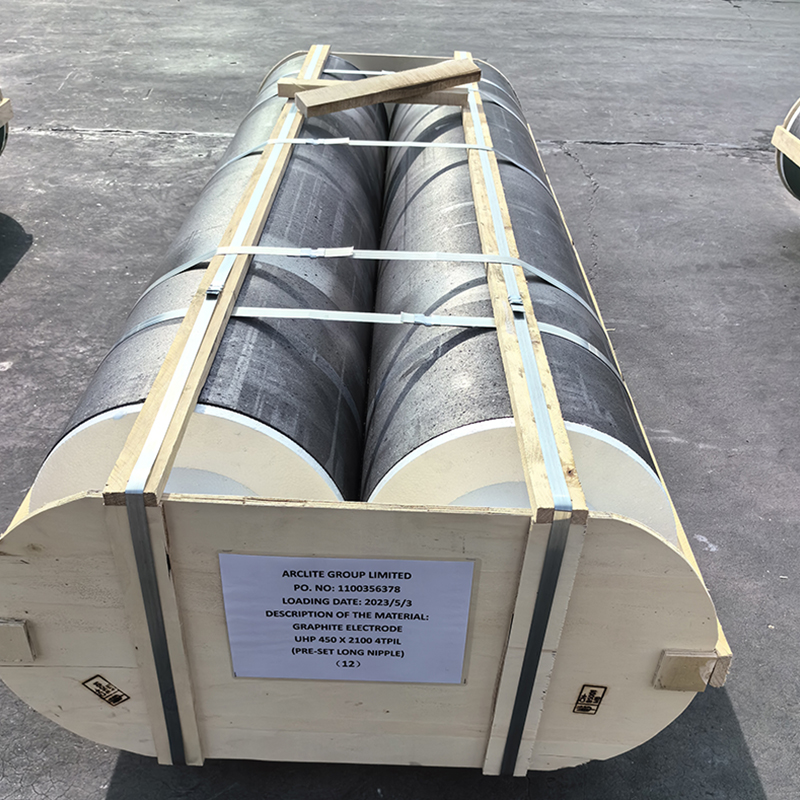 HP high power graphite electrode
 -
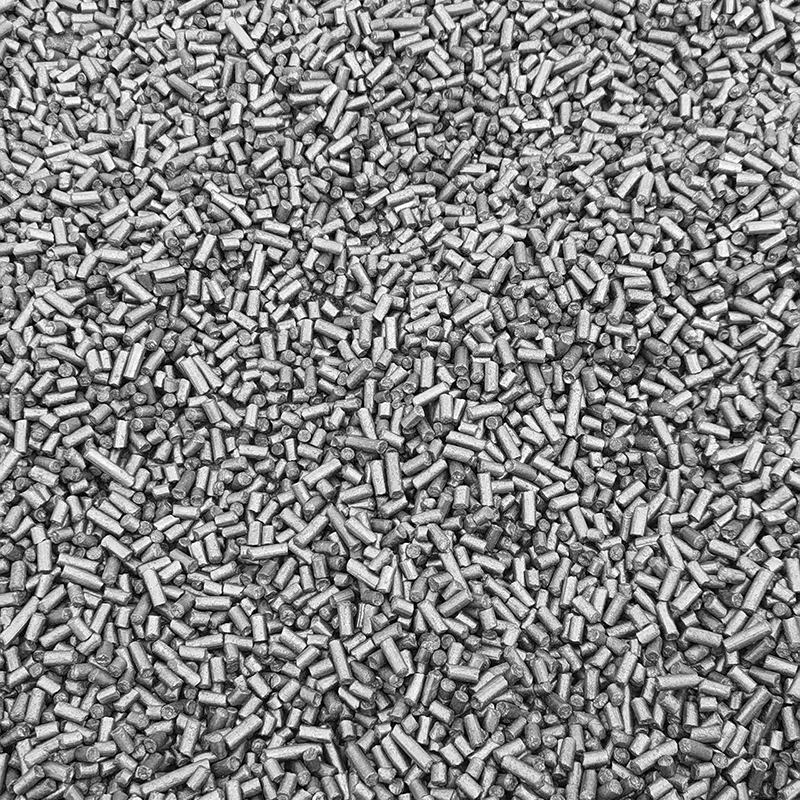 Columnar carburizer
 -
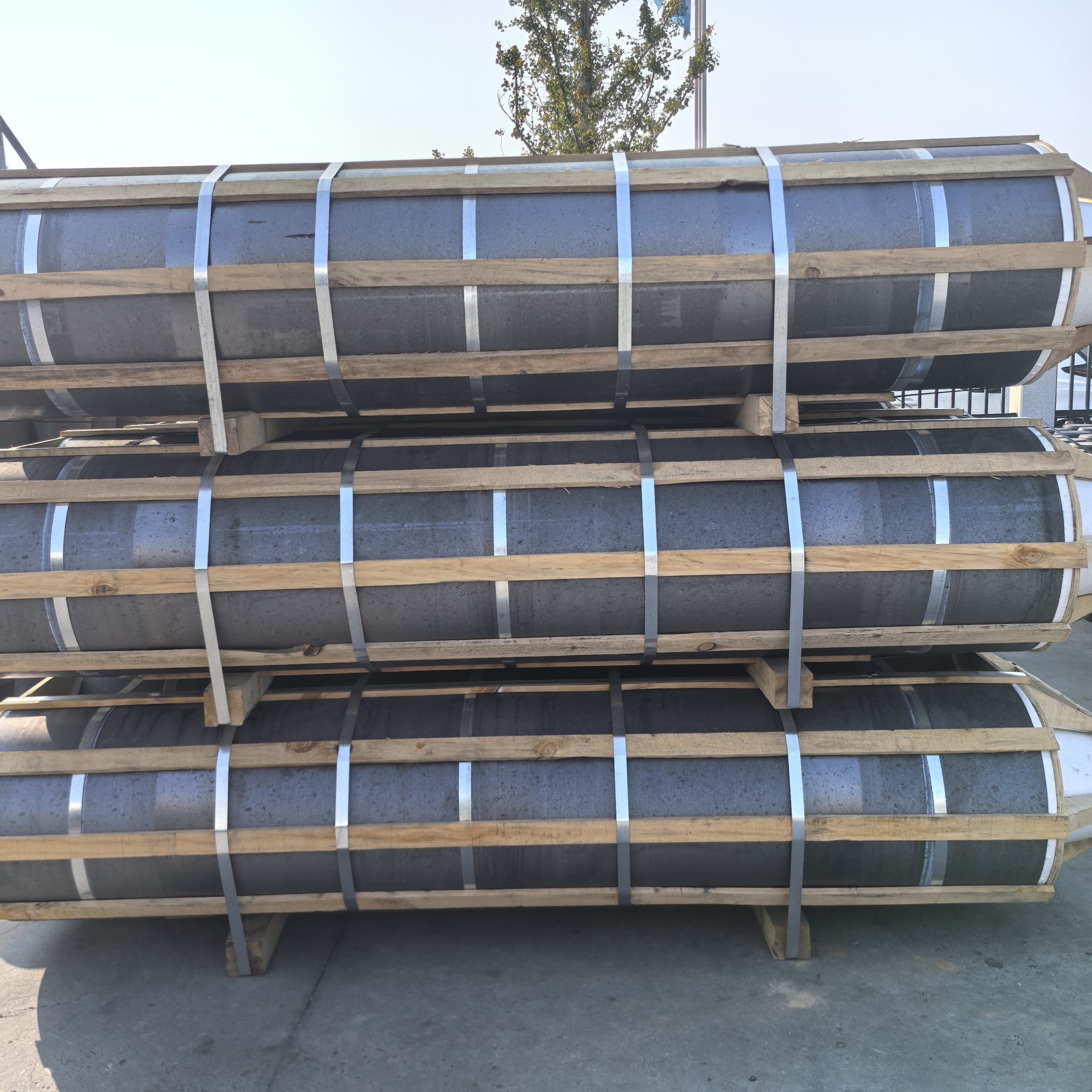 Ultra-High Power Graphite Electrode
 -
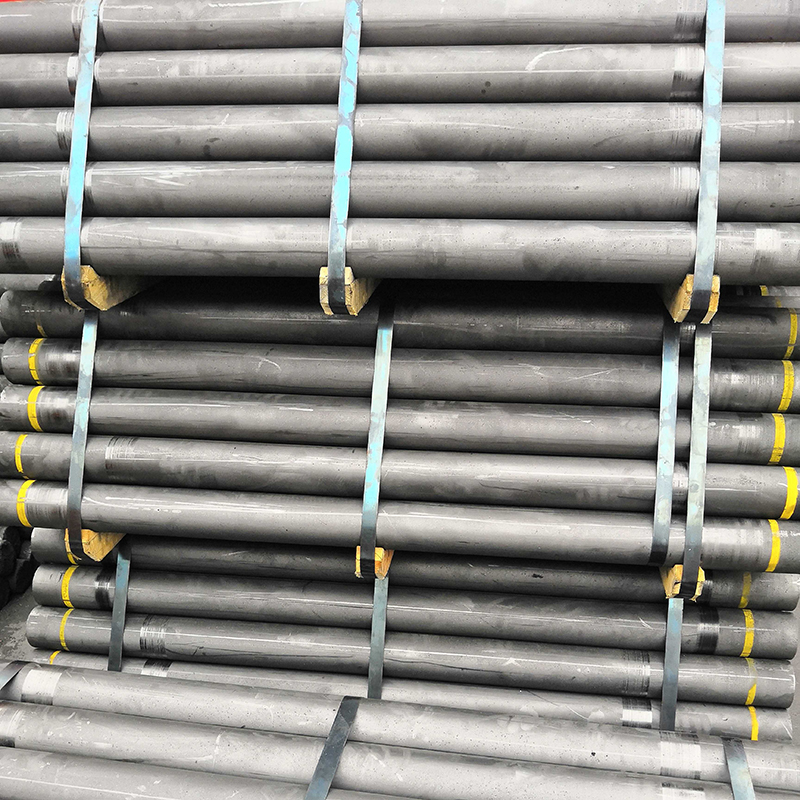 RP normal power graphite electrode
 -
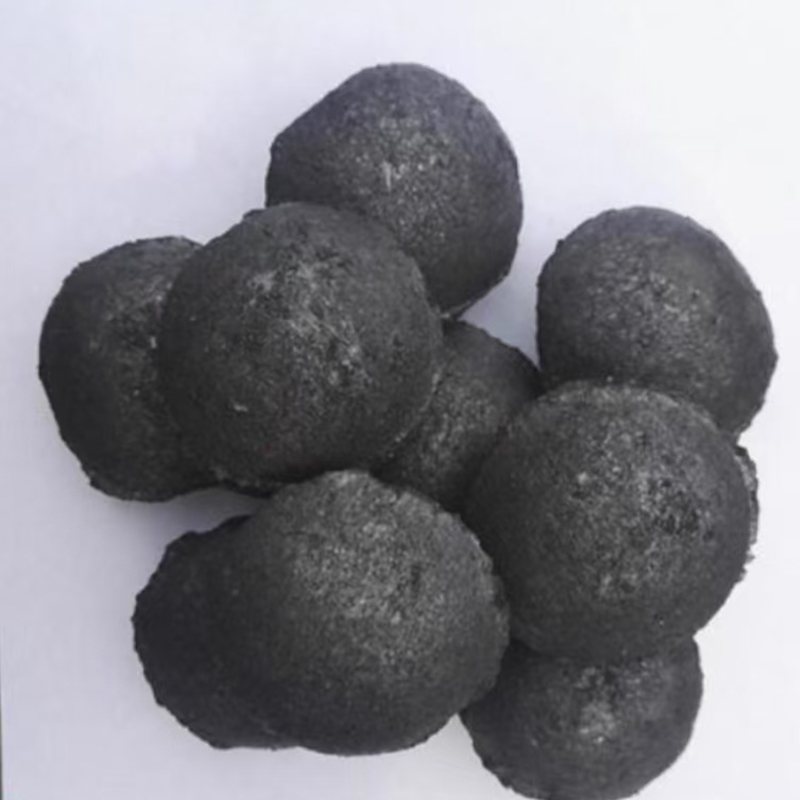 Spherical carburizer
 -
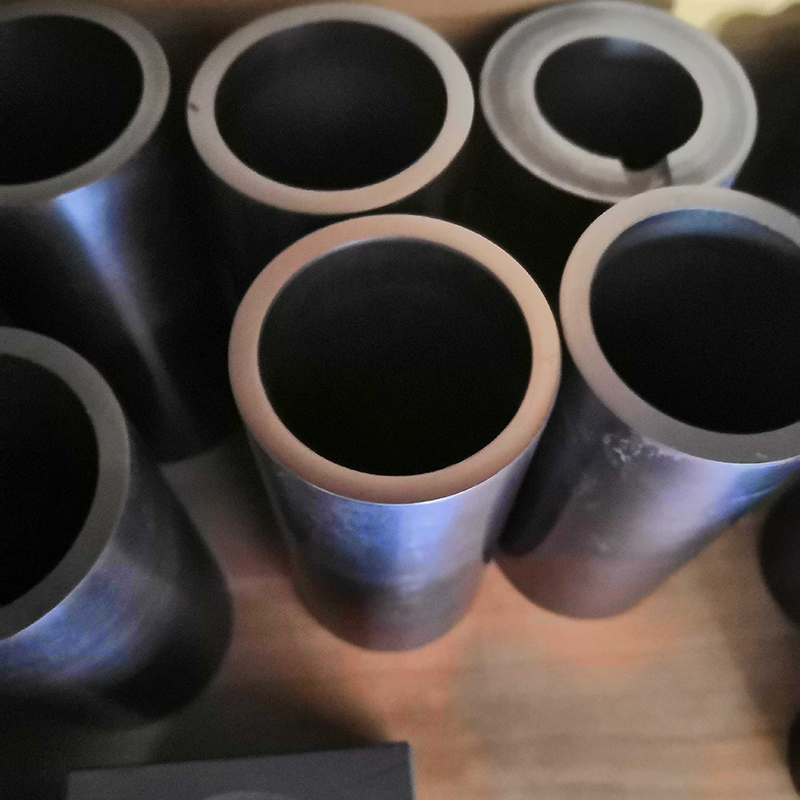 Graphite Crucible
 -
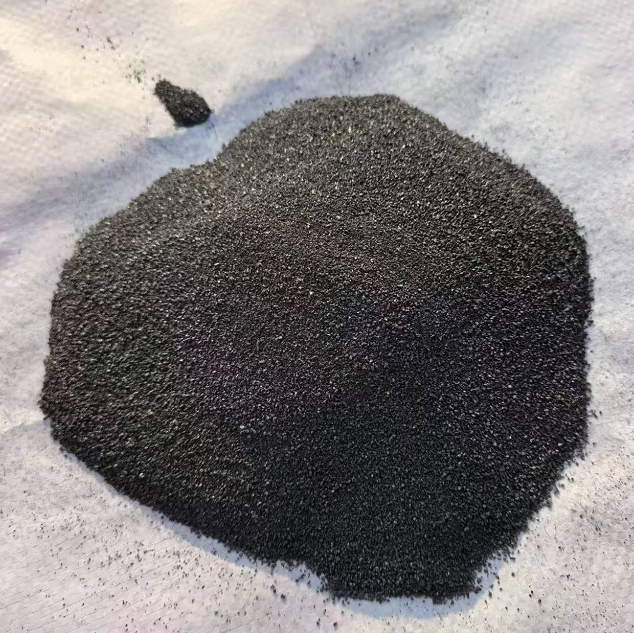 High-quality graphite powder available in stock, with a full range of specifications and customizable options.
 -
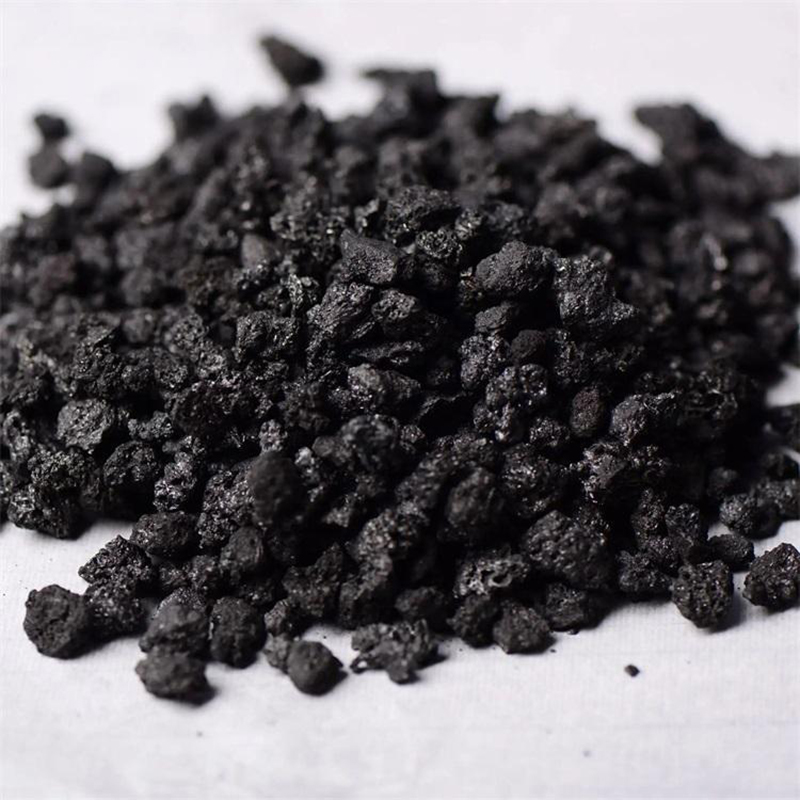 Granular carburizer
 -
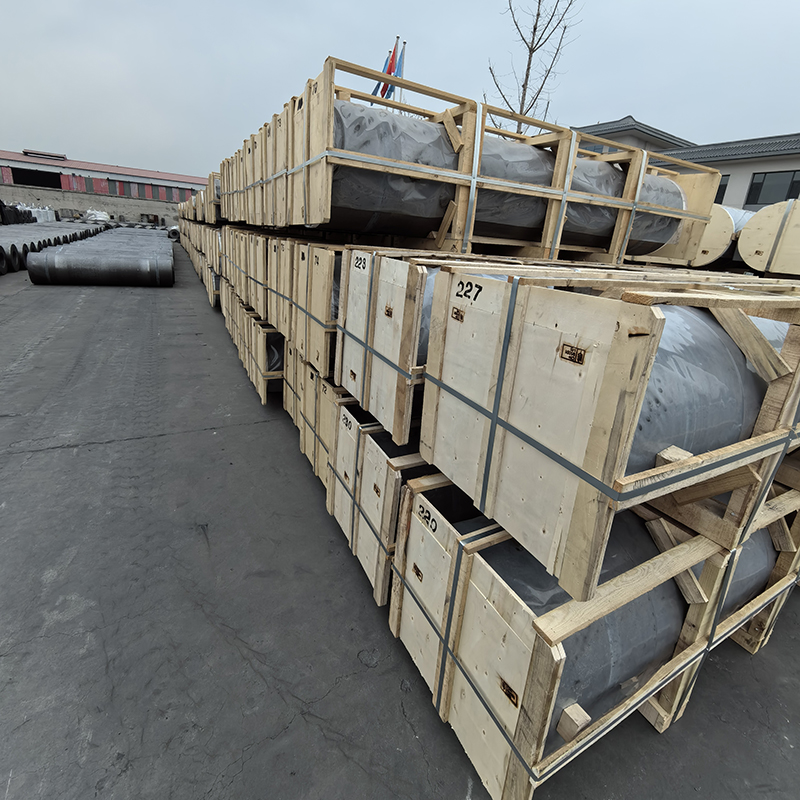
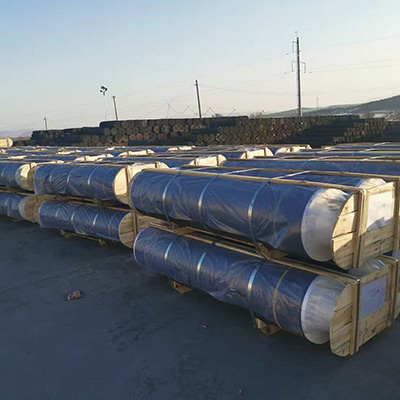 High-power graphite electrodes, 600 mm diameter, for export.
 -
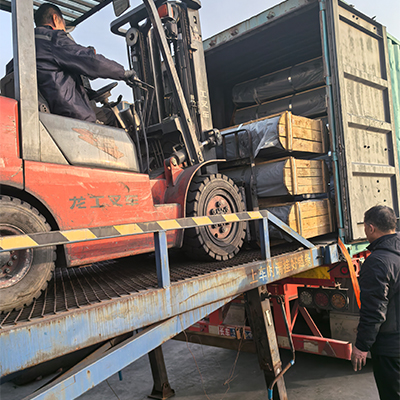 Factory direct sale! UHP ultra-high power electrodes, specifically designed for electric arc furnaces and refining furnaces.