
- Chinese
- French
- German
- Portuguese
- Spanish
- Russian
- Japanese
- Korean
- Arabic
- Irish
- Greek
- Turkish
- Italian
- Danish
- Romanian
- Indonesian
- Czech
- Afrikaans
- Swedish
- Polish
- Basque
- Catalan
- Esperanto
- Hindi
- Lao
- Albanian
- Amharic
- Armenian
- Azerbaijani
- Belarusian
- Bengali
- Bosnian
- Bulgarian
- Cebuano
- Chichewa
- Corsican
- Croatian
- Dutch
- Estonian
- Filipino
- Finnish
- Frisian
- Galician
- Georgian
- Gujarati
- Haitian
- Hausa
- Hawaiian
- Hebrew
- Hmong
- Hungarian
- Icelandic
- Igbo
- Javanese
- Kannada
- Kazakh
- Khmer
- Kurdish
- Kyrgyz
- Latin
- Latvian
- Lithuanian
- Luxembou..
- Macedonian
- Malagasy
- Malay
- Malayalam
- Maltese
- Maori
- Marathi
- Mongolian
- Burmese
- Nepali
- Norwegian
- Pashto
- Persian
- Punjabi
- Serbian
- Sesotho
- Sinhala
- Slovak
- Slovenian
- Somali
- Samoan
- Scots Gaelic
- Shona
- Sindhi
- Sundanese
- Swahili
- Tajik
- Tamil
- Telugu
- Thai
- Ukrainian
- Urdu
- Uzbek
- Vietnamese
- Welsh
- Xhosa
- Yiddish
- Yoruba
- Zulu
- Kinyarwanda
- Tatar
- Oriya
- Turkmen
- Uyghur



Bus Shelter Installation
Understanding Bus Shelter Installation: Behind the Scenes
When it comes to public infrastructure, Bus Shelter Installation is often overlooked, yet it plays a crucial role in urban planning. It’s not just about putting up a shelter — there’s a whole process that involves careful planning, compliance with regulations, and practical implementation. The goal is to create structures that are safe, durable, and functional. This article dives into the nuances and obstacles of this seemingly simple task.
Planning and Regulations
Before any physical work begins, the planning phase is essential. Local regulations often dictate the size, location, and materials required for bus shelters. It’s a balancing act between meeting legal requirements and addressing the needs of the community. Planners must ensure shelters are accessible to all, providing protection from the weather while considering sightlines for safety.
A common mistake is underestimating these initial steps. Rushing through planning to hasten installation can lead to costly setbacks. Skipping details on permit requirements or failing to account for existing underground utilities might derail even the best-laid plans. It’s crucial to work closely with local authorities and utility companies to ensure everything is above board.
In some cases, mock-ups or temporary structures may be used to test locations for efficacy. This not only helps in gathering community feedback but also provides a chance to fine-tune designs before settling on a permanent solution.
Material Considerations
Choosing the right materials for Bus Shelter Installation requires foresight and understanding of the local climate. While metal is a common choice due to its durability, areas prone to salt air, as in coastal regions, may require materials that resist corrosion. Glass panels might offer a sleek aesthetic but need to be tempered and robust to withstand potential vandalism.
Hebei Yaofa Carbon Co., Ltd., known for its wide range of carbon products, could provide useful materials in this sector, especially in weatherproofing or reinforcement applications. Their expertise in carbon solutions, as outlined on their website, here, highlights the innovative ways carbon materials can be used beyond traditional applications.
Environmental impact is another consideration. Sustainable materials or those with a smaller carbon footprint might be preferred, aligning with modern eco-conscious public projects. Evaluating long-term maintenance needs is also essential to ensure the shelter remains safe and attractive over its lifespan.
Installation Challenges
The installation phase presents its own set of challenges. Coordinating with public transport schedules to minimize disruption is key. Timing often needs to be planned precisely, with work sometimes occurring overnight to avoid major commuting hours.
Unexpected ground conditions can affect construction. Encountering unforeseen obstacles like old piping or unstable soil can delay progress. This is why pre-installation surveys are indispensable; they help prepare the installation team for potential surprises.
Furthermore, installation teams require comprehensive training and experience to handle the specific demands of bus shelters. Safety protocols must be strictly observed to protect both workers and pedestrians in the vicinity.
After Installation: Maintenance and Upkeep
Once a shelter is installed, the work is far from over. Regular maintenance is vital to keep it looking good and functioning well. This includes cleaning, replacing any damaged parts, and painting or coating as necessary to protect from weathering.
Adding features such as solar panels for lighting, digital information screens, or security cameras can enhance functionality but also adds to maintenance responsibilities. Keeping up with technology advancements, however, can improve passenger experience significantly.
Hebei Yaofa Carbon Co., Ltd.’s approach to quality and innovation might offer valuable insight into improving maintenance practices, especially where advanced materials are used, ensuring that new installations perform optimally over time.
Lessons Learned from Past Projects
Looking back at past projects, there are always lessons learned. One of the most common pitfalls is underestimating community resistance to new shelters. Engaging with the community early can mitigate negative reactions and lead to more cohesive integration into the locality.
Another lesson is the importance of flexibility. Plans might need to change rapidly due to unforeseen circumstances. Being prepared with alternative plans ensures adaptability, saving time and resources.
Every successful Bus Shelter Installation adds to the tapestry of public infrastructure, enabling smoother transit experiences for all. With the right approach, guided by thorough understanding and adaptive strategies, each project can offer valuable insights into the complex world of urban planning and public necessity.
Related products
Related products
Best selling products
Best selling products-
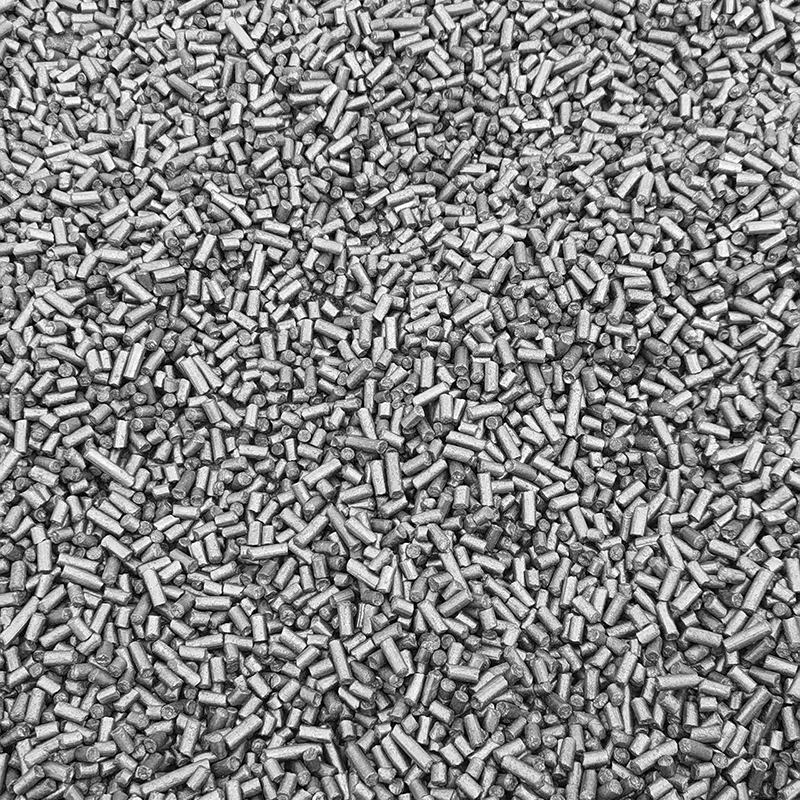 Columnar carburizer
 -
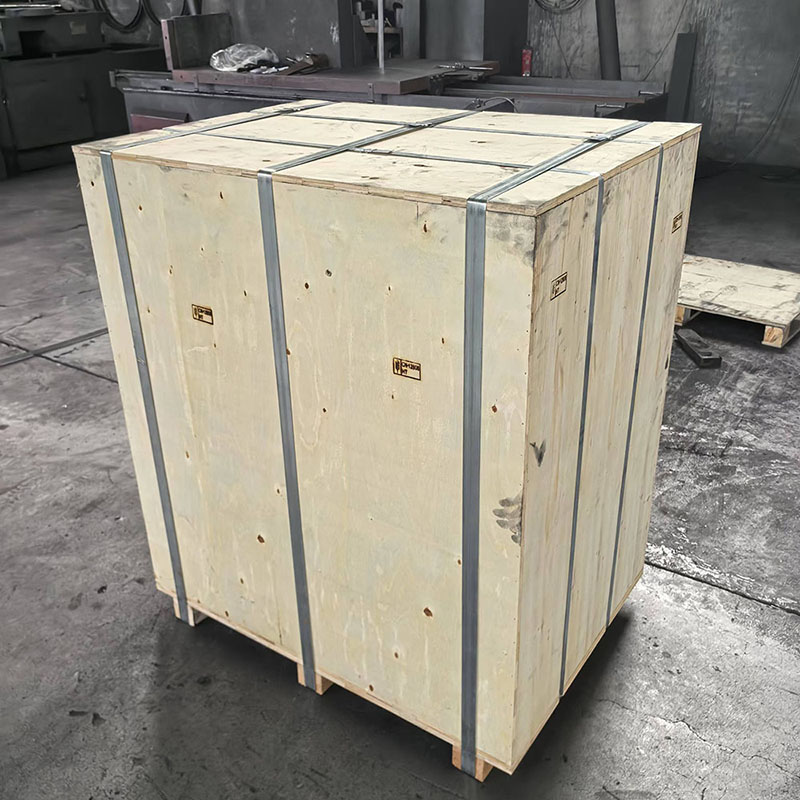 Graphite plate
 -
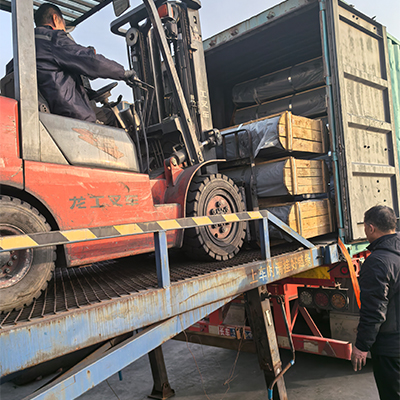 Factory direct sale! UHP ultra-high power electrodes, specifically designed for electric arc furnaces and refining furnaces.
 -
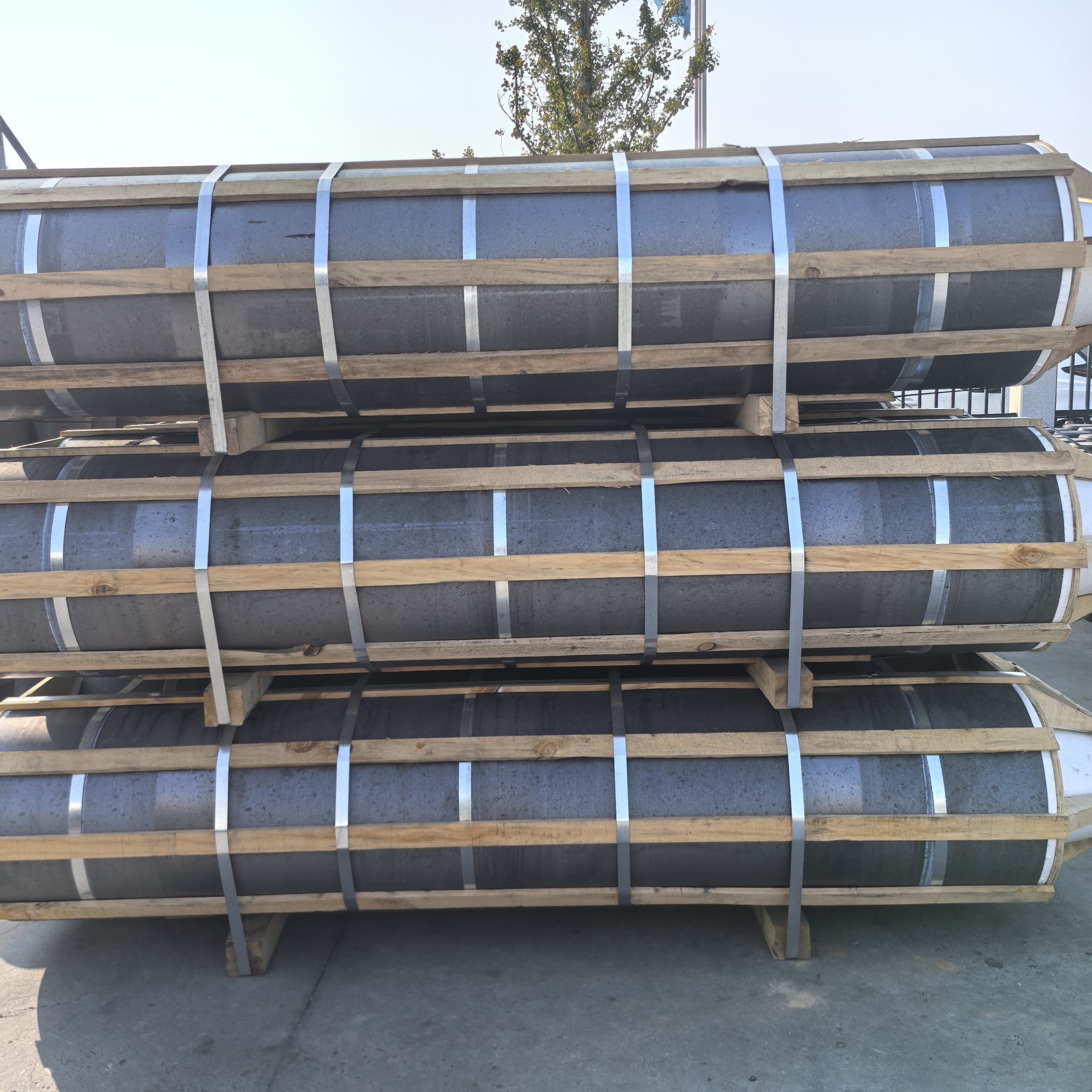 Ultra-High Power Graphite Electrode
 -
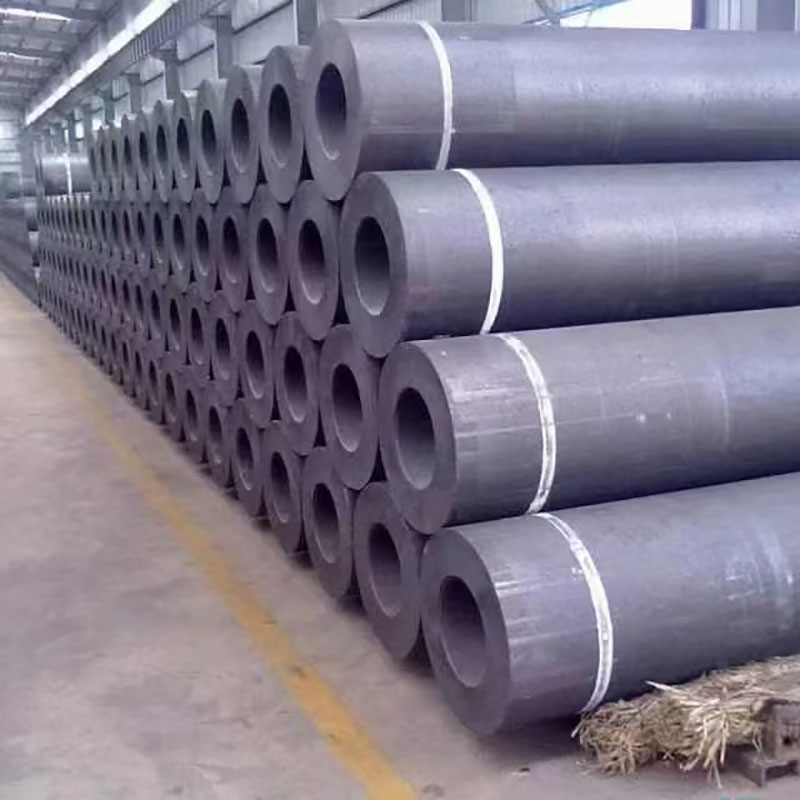 A supplier of graphite electrodes with a global distribution network.
 -
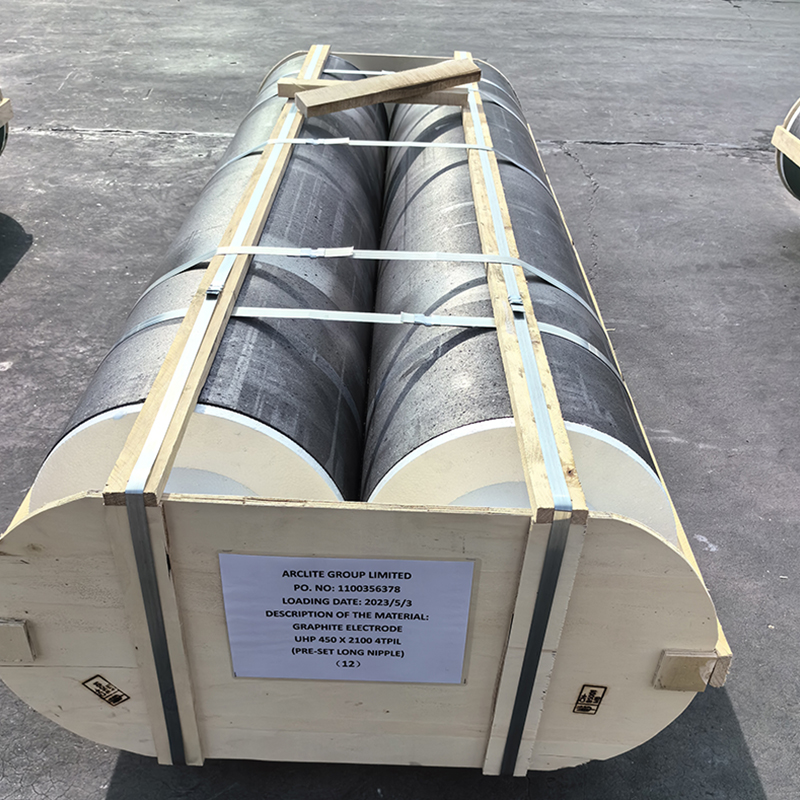 HP high power graphite electrode
 -
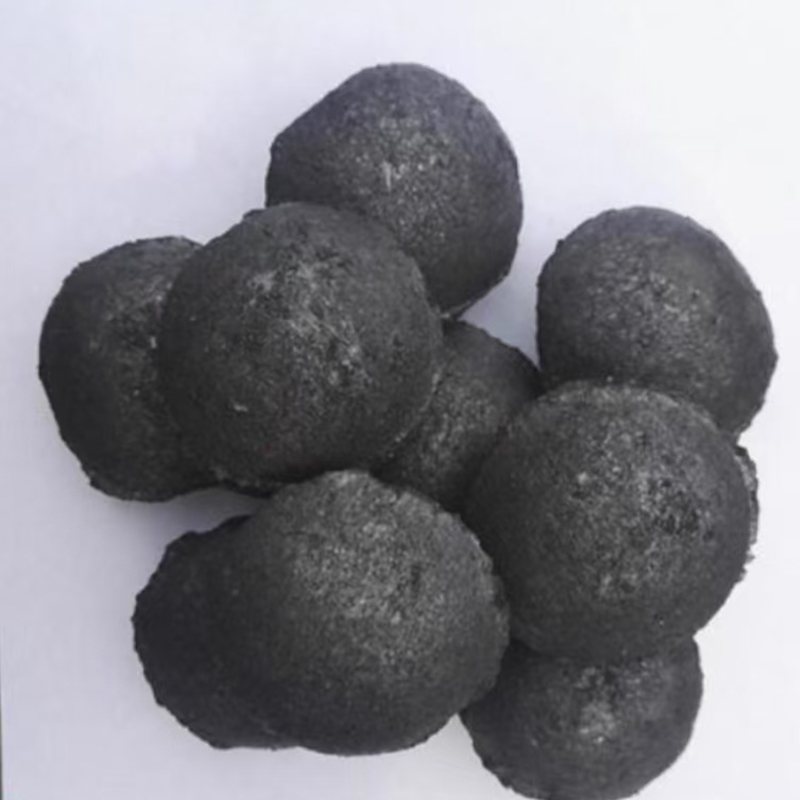 Spherical carburizer
 -
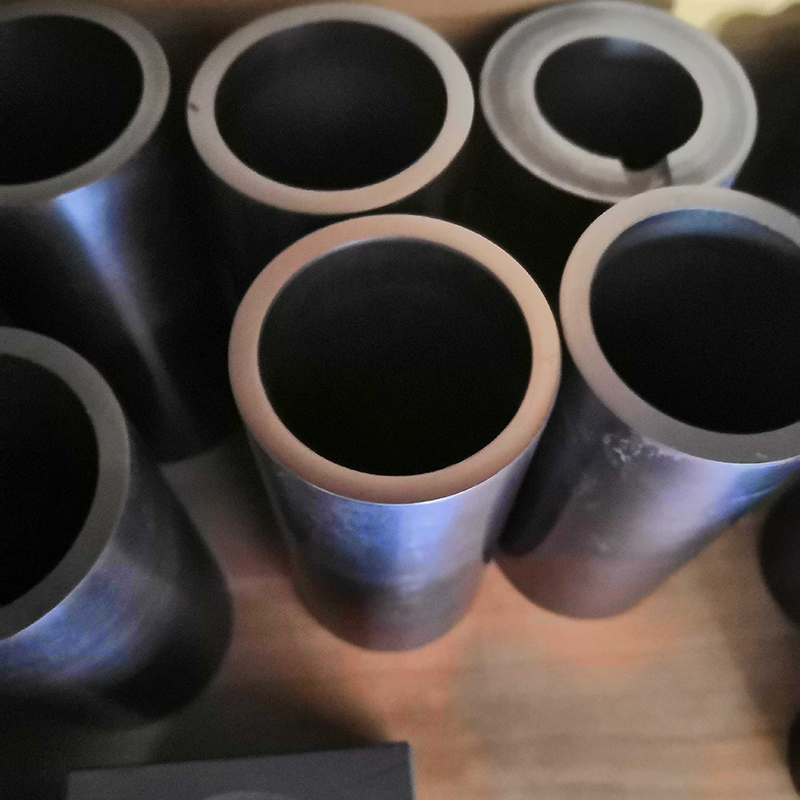 Graphite Crucible
 -
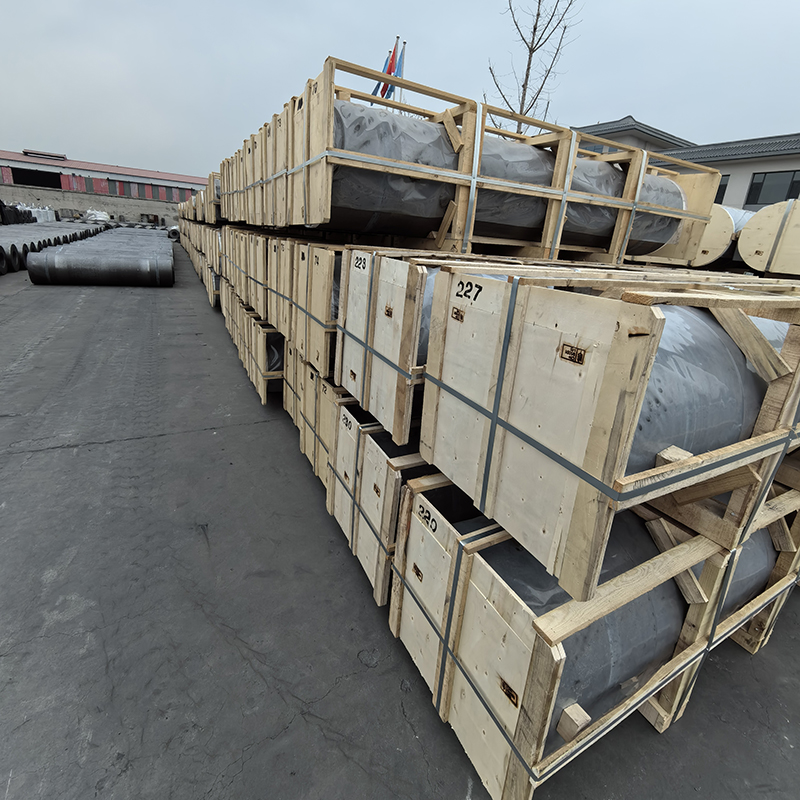 UHP ultra high power graphite electrode
 -
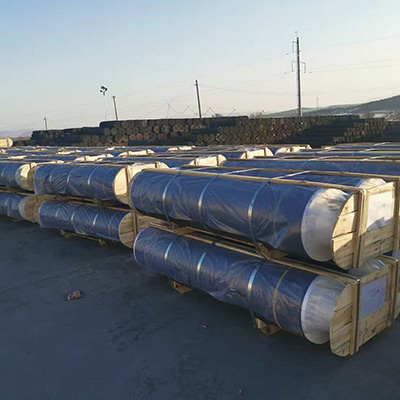 High-power graphite electrodes, 600 mm diameter, for export.
 -
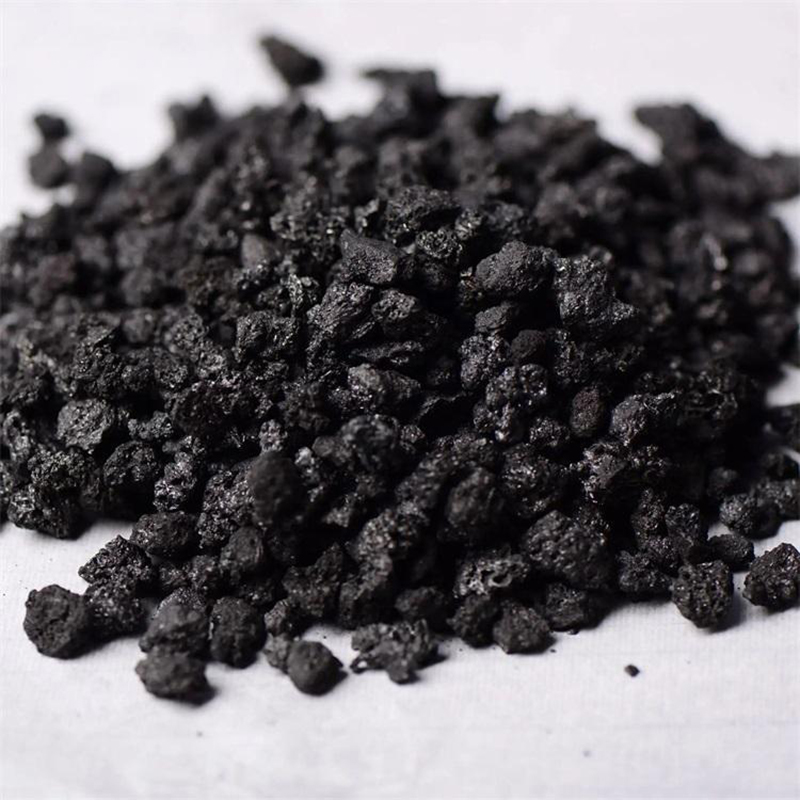 Granular carburizer
 -
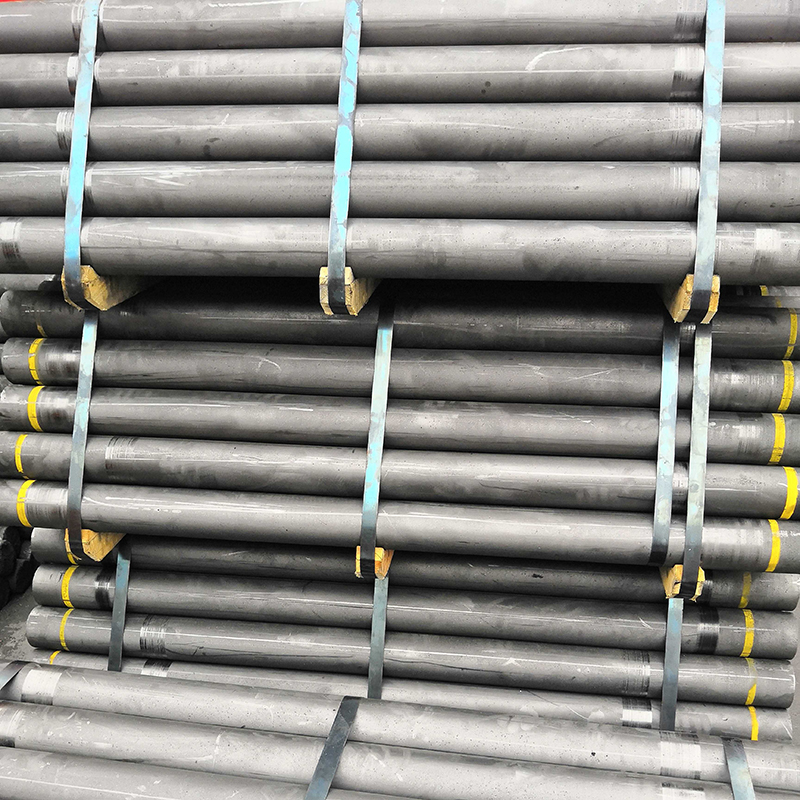 RP normal power graphite electrode
Related search
Related search- mg17 coal tar Manufacturer
- preparing a graphite crucible Manufacturer
- Buy industrial coal tar
- melting graphite crucible factory
- Buy electric arc furnace graphite electrodes
- Graphite electrode manufacturer Manufacturer
- carousel digital signage
- graphite electrodes electric arc furnace
- HP high power graphite electrode Manufacturer
- industrial digital signage