
- Chinese
- French
- German
- Portuguese
- Spanish
- Russian
- Japanese
- Korean
- Arabic
- Irish
- Greek
- Turkish
- Italian
- Danish
- Romanian
- Indonesian
- Czech
- Afrikaans
- Swedish
- Polish
- Basque
- Catalan
- Esperanto
- Hindi
- Lao
- Albanian
- Amharic
- Armenian
- Azerbaijani
- Belarusian
- Bengali
- Bosnian
- Bulgarian
- Cebuano
- Chichewa
- Corsican
- Croatian
- Dutch
- Estonian
- Filipino
- Finnish
- Frisian
- Galician
- Georgian
- Gujarati
- Haitian
- Hausa
- Hawaiian
- Hebrew
- Hmong
- Hungarian
- Icelandic
- Igbo
- Javanese
- Kannada
- Kazakh
- Khmer
- Kurdish
- Kyrgyz
- Latin
- Latvian
- Lithuanian
- Luxembou..
- Macedonian
- Malagasy
- Malay
- Malayalam
- Maltese
- Maori
- Marathi
- Mongolian
- Burmese
- Nepali
- Norwegian
- Pashto
- Persian
- Punjabi
- Serbian
- Sesotho
- Sinhala
- Slovak
- Slovenian
- Somali
- Samoan
- Scots Gaelic
- Shona
- Sindhi
- Sundanese
- Swahili
- Tajik
- Tamil
- Telugu
- Thai
- Ukrainian
- Urdu
- Uzbek
- Vietnamese
- Welsh
- Xhosa
- Yiddish
- Yoruba
- Zulu
- Kinyarwanda
- Tatar
- Oriya
- Turkmen
- Uyghur



Buy carbon graphite felt
Understanding Carbon Graphite Felt: A Practical Guide
Buying carbon graphite felt can seem straightforward but often, it’s layered with complexities. From personal experience, the choice depends significantly on your specific application—whether it’s for high-temperature insulation or battery technology. The subtleties of what makes a good product vary, which I’ve discovered through both successful deployments and costly missteps.
Introduction to Carbon Graphite Felt
Carbon graphite felt is primarily used in applications requiring high thermal resistance and stability. You’ll often see it in industries like metallurgy and chemical processing. Yet, a common mistake is assuming that all graphite felts are the same. The difference in quality can substantially affect performance.
Hebei Yaofa Carbon Co., Ltd., a prominent name from China with over two decades of production pedigree, often comes to mind when discussing significant suppliers. They offer a range of graphite-based products, suitable for various industrial needs. With their large-scale operations, they serve as a benchmark in the industry. More information about their products can be found on their website, here.
Reflecting on past projects, I recall a scenario where opting for cheaper materials resulted in inefficiencies. The insulation wasn't consistent, leading to energy losses. This is a crucial lesson—choosing the right material is vital.
Factors to Consider
When selecting carbon graphite felt, consider thickness, density, and thermal performance. Thickness impacts insulation quality. For example, thicker felts offer better thermal resistance but may be cumbersome in confined spaces.
Density, on the other hand, influences durability. Higher density felts are robust but can be less flexible. This trade-off was evident in a project where we had to choose between flexibility for ease of installation and durability for long-term use.
Thermal performance is non-negotiable. It’s essential to match the material’s capabilities with the operational temperature of your project. A colleague once shared an experience where selecting inappropriate grade materials led to a failure in high-heat conditions.
Real-World Applications
Talking with industry veterans at Hebei Yaofa Carbon Co., Ltd., it's clear that different applications demand tailored solutions. For instance, in the field of energy storage, specific grades of graphite felt are required to optimize battery performance.
A peculiar challenge arises in this industry—balancing cost and quality. One can't emphasize enough the importance of working with trusted suppliers like Yaofa, where quality assurance isn’t just a promise but a practice.
In another instance, a project involving metal smelting required upgrading insulation due to a temperature spike beyond the felt's threshold. Retrospectively, investing in higher-grade felt initially could have circumvented costly downtime.
Challenges in Procurement
One of the challenges often under-discussed is the difficulty in assessing product quality without rigorous testing. Visual or superficial checks aren't enough, especially when consequences of failure are dire.
Negotiating terms with suppliers can reveal much about product dependability. Companies like Hebei Yaofa Carbon Co., Ltd. often provide comprehensive data and testing reports, which can be critical in the decision-making phase.
Additionally, keep an eye on supply chain stability. With geopolitical shifts and supply disruptions, maintaining a steady inventory of high-quality graphite felt can be challenging. Establishing strong relationships with suppliers can mitigate some of these risks.
Optimizing Your Purchase
Finally, when you buy carbon graphite felt, it’s not just about the immediate purchase but understanding the lifecycle cost. A cheaper upfront cost could lead to higher maintenance and replacement expenses.
Your application also determines if a custom solution is necessary. Firms like Hebei Yaofa can tailor products according to specific project needs, which might initially cost more but provide long-term savings and efficiency.
In conclusion, the purchase of carbon graphite felt demands careful consideration and industry awareness. The right choice can significantly enhance your project's efficiency and success, while a misstep can lead to unnecessary complications. Always prioritize quality and reliability over perceived short-term savings.
Related products
Related products
Best selling products
Best selling products-
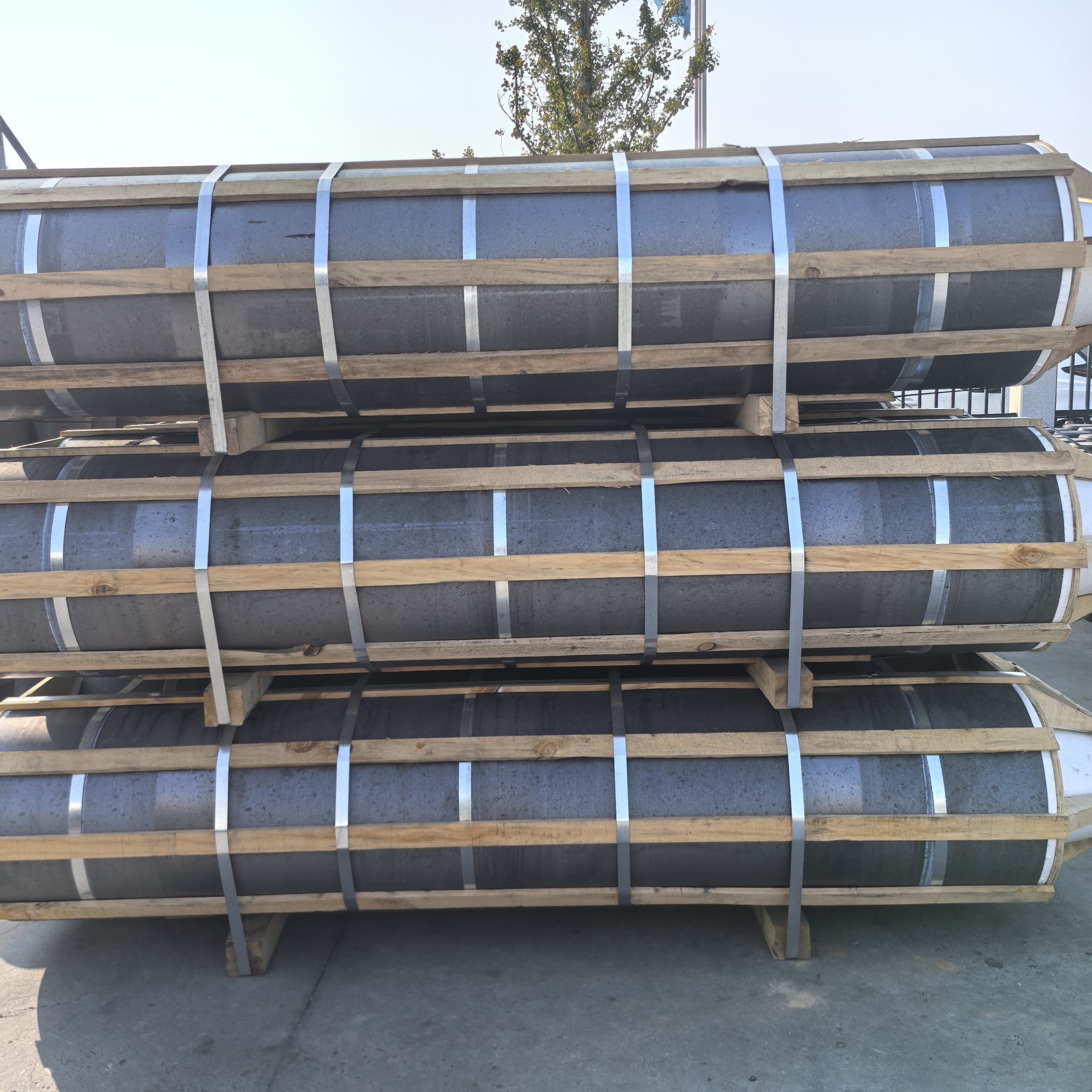 Ultra-High Power Graphite Electrode
 -
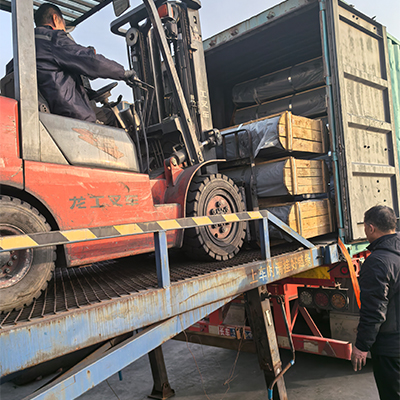 Factory direct sale! UHP ultra-high power electrodes, specifically designed for electric arc furnaces and refining furnaces.
 -
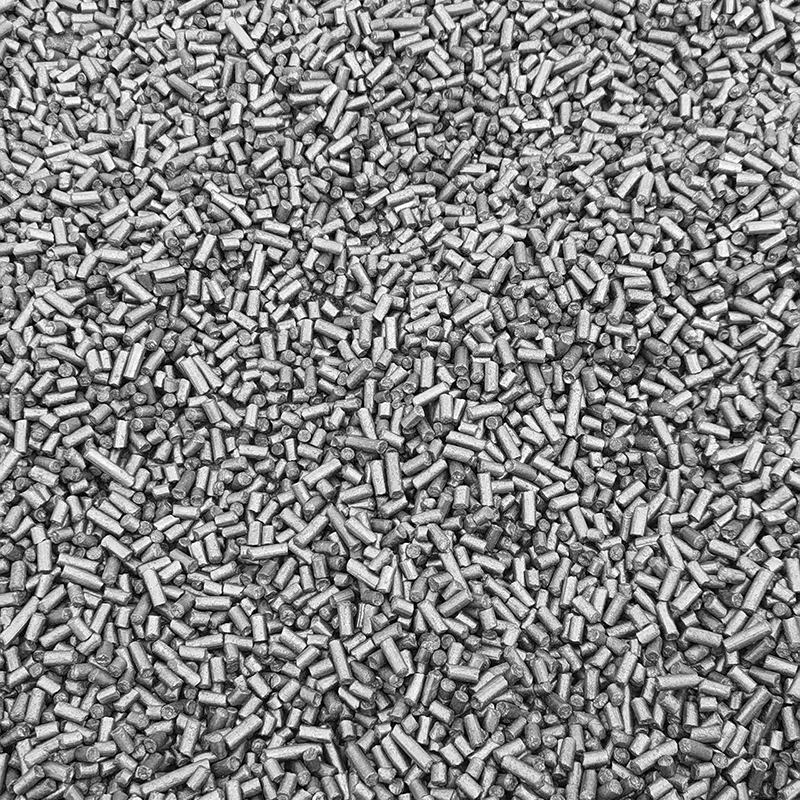 Columnar carburizer
 -
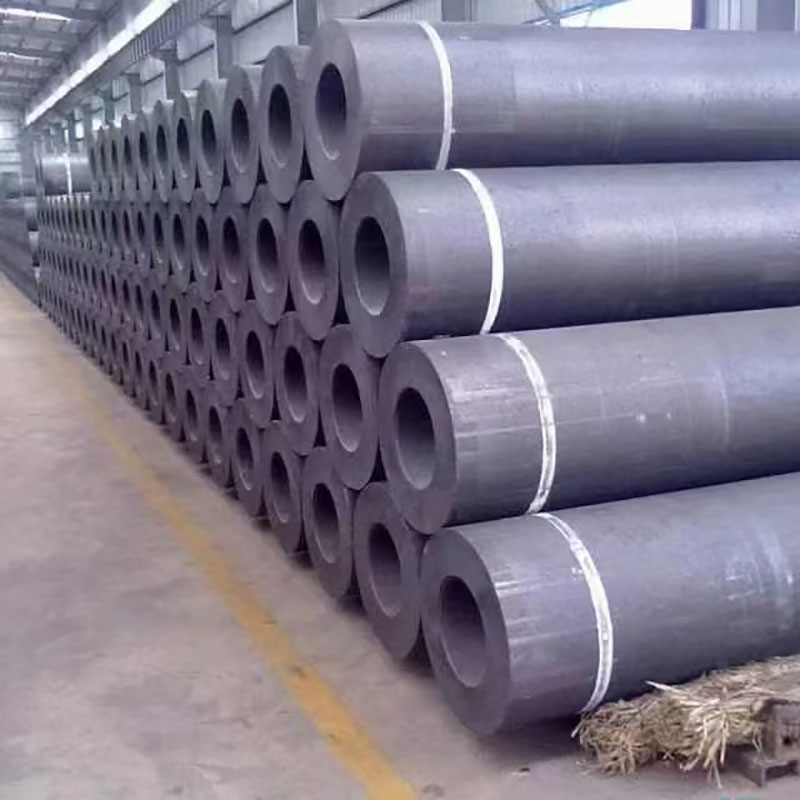 A supplier of graphite electrodes with a global distribution network.
 -
 Graphite plate
 -
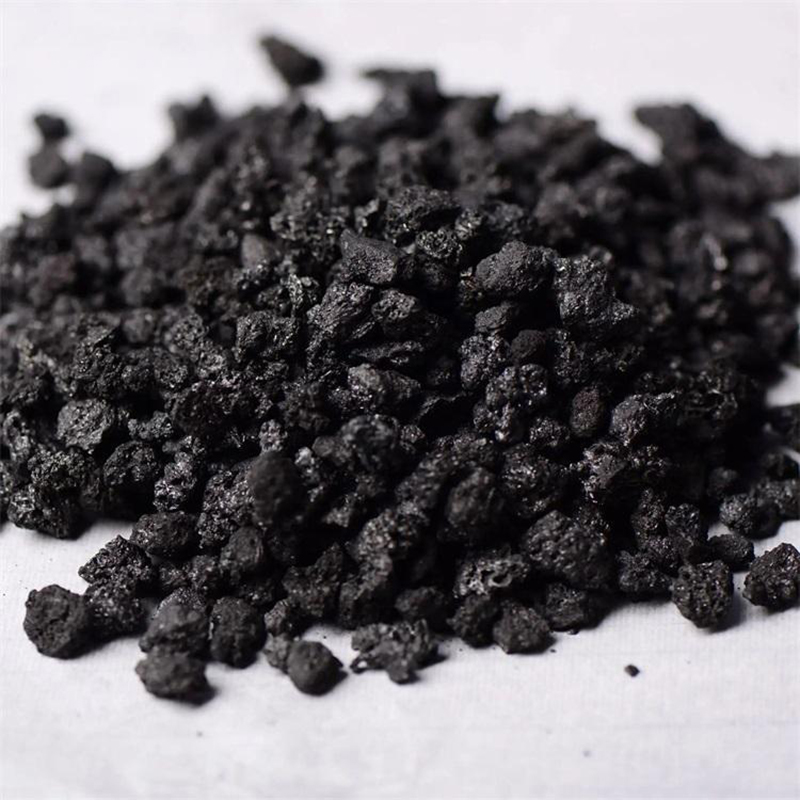 Granular carburizer
 -
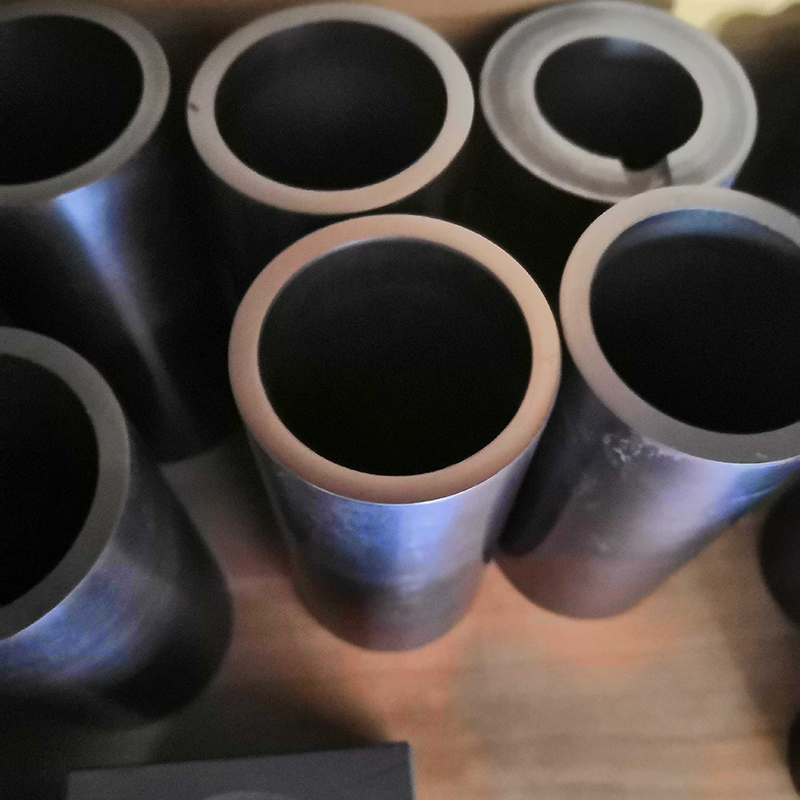 Graphite Crucible
 -
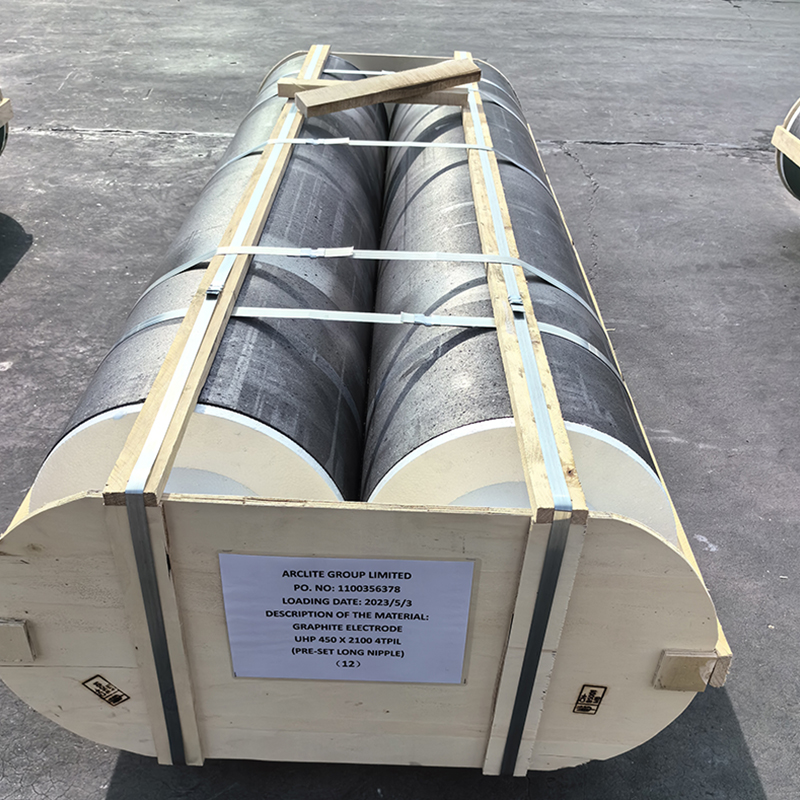 HP high power graphite electrode
 -
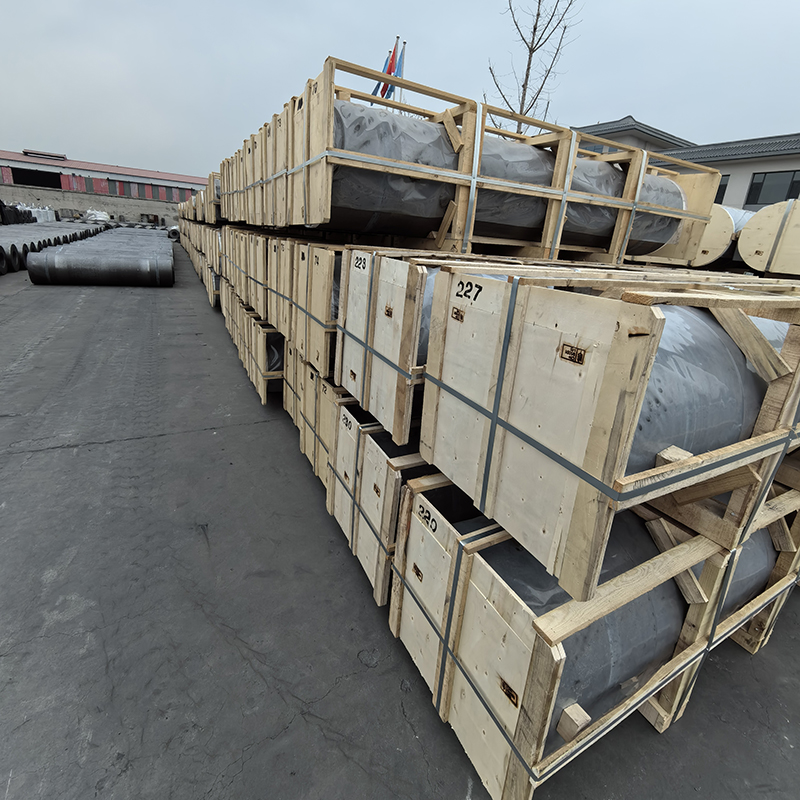 UHP ultra high power graphite electrode
 -
 High-power graphite electrodes, 600 mm diameter, for export.
 -
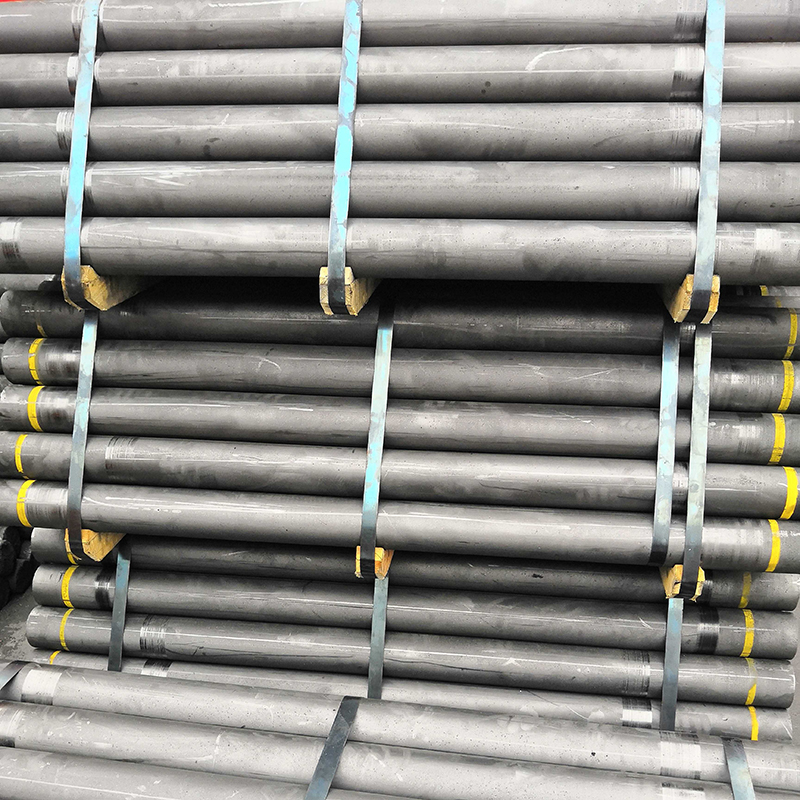 RP normal power graphite electrode
 -
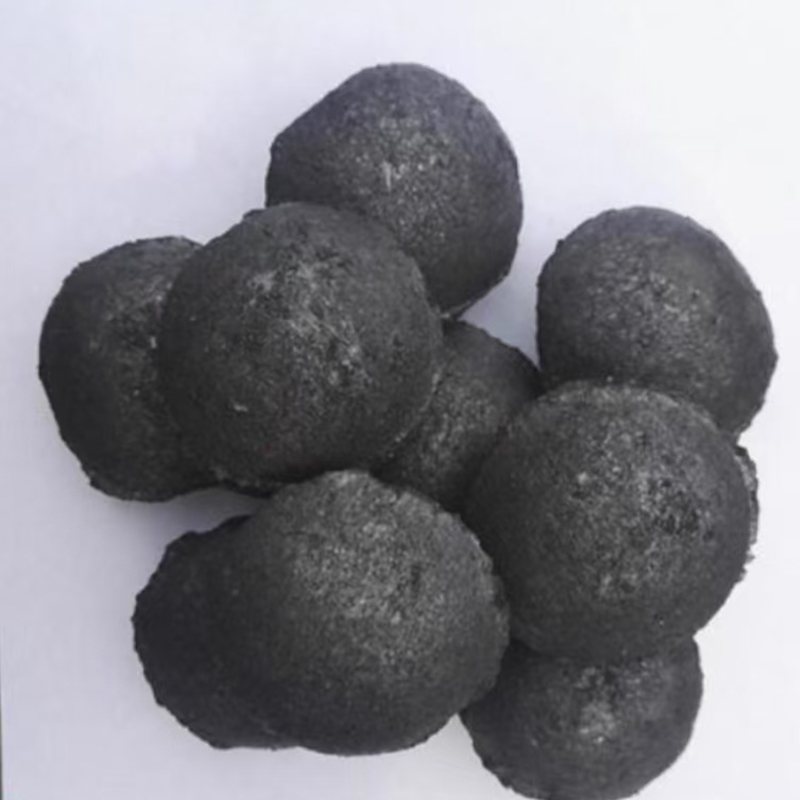 Spherical carburizer
Related search
Related search- Buy graphite electrode manufacturers in world
- seasoning a graphite crucible
- China coal tar for sale
- China RP graphite electrode
- Graphite electrode powder Manufacturer
- Graphite electrode Particles supplier
- bus shelter ltd
- graphite electrodes electric arc furnace Manufacturer
- graphite plate price Manufacturer
- interactive digital signage solutions