
- Chinese
- French
- German
- Portuguese
- Spanish
- Russian
- Japanese
- Korean
- Arabic
- Irish
- Greek
- Turkish
- Italian
- Danish
- Romanian
- Indonesian
- Czech
- Afrikaans
- Swedish
- Polish
- Basque
- Catalan
- Esperanto
- Hindi
- Lao
- Albanian
- Amharic
- Armenian
- Azerbaijani
- Belarusian
- Bengali
- Bosnian
- Bulgarian
- Cebuano
- Chichewa
- Corsican
- Croatian
- Dutch
- Estonian
- Filipino
- Finnish
- Frisian
- Galician
- Georgian
- Gujarati
- Haitian
- Hausa
- Hawaiian
- Hebrew
- Hmong
- Hungarian
- Icelandic
- Igbo
- Javanese
- Kannada
- Kazakh
- Khmer
- Kurdish
- Kyrgyz
- Latin
- Latvian
- Lithuanian
- Luxembou..
- Macedonian
- Malagasy
- Malay
- Malayalam
- Maltese
- Maori
- Marathi
- Mongolian
- Burmese
- Nepali
- Norwegian
- Pashto
- Persian
- Punjabi
- Serbian
- Sesotho
- Sinhala
- Slovak
- Slovenian
- Somali
- Samoan
- Scots Gaelic
- Shona
- Sindhi
- Sundanese
- Swahili
- Tajik
- Tamil
- Telugu
- Thai
- Ukrainian
- Urdu
- Uzbek
- Vietnamese
- Welsh
- Xhosa
- Yiddish
- Yoruba
- Zulu
- Kinyarwanda
- Tatar
- Oriya
- Turkmen
- Uyghur



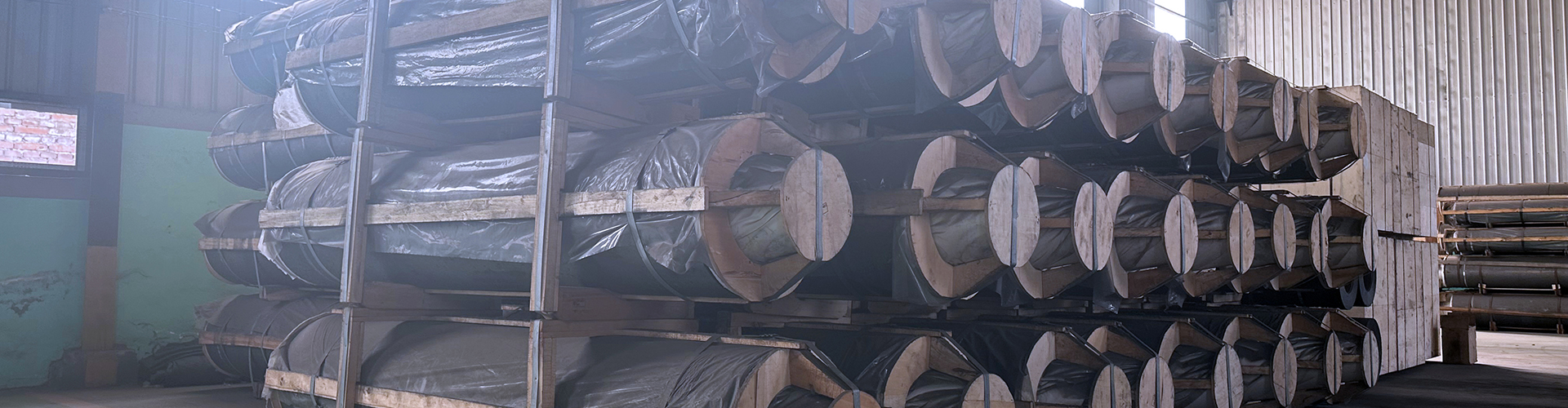
Buy coal tar benefits
The Real Benefits of Buying Coal Tar
Purchasing coal tar isn't always straightforward. There's a lot to unpack about its properties, uses, and benefits—especially when you're standing at the crossroads, trying to decide if integrating it into your industrial processes is the right choice. Let's walk through the insights gained over years in the field, avoiding the fluff and going straight to what truly matters.
Understanding Coal Tar's Role in Industry
Coal tar is one of those products that, if you've ever worked with it, you know it's a bit of a mixed bag. It's primarily derived from coal and is rich in phenols, aromatic hydrocarbons, and heterocyclic compounds. These characteristics give it unique properties that are valued in various industrial applications.
In many industries, coal tar serves as a fundamental ingredient for producing refined chemicals. This property is particularly interesting if you're working on projects that demand robust chemical resilience. But like anything, it requires a savvy understanding of how to best utilize these strengths without running awry of its limitations.
Hebei Yaofa Carbon Co., Ltd. (website: yaofatansu.com) is one of the noteworthy producers dealing with carbon materials where coal tar benefits turn into practical enhancements for carbon additives and graphite electrodes.
Details in the Application
From my experience, it's clear that the outcomes are heavily dependent on how well you understand the nuances of application. Take seal coating, for example. The protective layer that coal tar offers is unrivaled for paving, but its application requires precise timing and environmental conditions to truly capitalize on its benefits.
Moreover, anyone in the paving industry will tell you that knowing exactly how coal tar interacts with various substrates defines whether your project succeeds or faces hurdles. There are those late afternoons spent troubleshooting unintended reactions, reminding you that there's always more to learn.
And if you've ever handled coal tar within the context of producing industrial chemicals, you'll appreciate its versatility but also the challenges it presents. Always act with an understanding of its chemical behavior to avoid mishaps. Partnering with experienced manufacturers like Hebei Yaofa Carbon Co., Ltd., who’ve had over two decades at the forefront, can be invaluable.
Economic Implications of Coal Tar
From a financial perspective, coal tar is attractive due to its cost-effectiveness. However, its price can fluctuate based on supply chains and market demands, something to be watchful for. If you're negotiating budgets, having a reliable supplier ensures costs are predictable and quality remains uncompromised.
Making a case for using coal tar in a project often involves balancing short-term costs with long-term benefits. Its durability and chemical properties mean fewer replacements and repairs down the line, which is a selling point upper management usually appreciates.
Analyzing the life cycle cost is vital. It's not just about the upfront investment but understanding how coal tar's longevity supports financial planning in resources-heavy sectors.
Health and Safety Considerations
There are health implications tied to coal tar due to its complex chemical makeup. Proper handling is crucial. Workers need protective gear, and processes should adhere to strict safety standards to mitigate risks of exposure.
I've seen how the integration of safety protocols from the start can dramatically improve workplace safety outcomes. It’s a fundamental part of operational planning where Hebei Yaofa Carbon Co., Ltd. offers guidance based on real-world application experience.
Being aware of environmental regulations is equally important. Certain constituents of coal tar are regulated, and staying compliant requires vigilance. Years of navigating these waters remind you that staying informed and proactive is key.
Exploring Broader Applications
Coal tar's utility extends beyond what many expect. In electrodes, its role in carbon production is indispensable, leading to advances in metallurgy and electronics. Companies like Hebei Yaofa Carbon Co., Ltd. have been leveraging coal tar's potential to innovate in these fields for decades.
Finding ways to refine coal tar further opens up new possibilities. It's intriguing to note how advancements in material science continuously offer new opportunities for coal tar applications we might not have foreseen.
Whether in traditional or emerging industries, the decision to buy coal tar hinges on understanding its multifaceted benefits and limitations. As always, insights gained from seasoned experts in the field, like those at Hebei Yaofa Carbon Co., Ltd., often provide the most grounded guidance.
Related products
Related products
Best selling products
Best selling products-
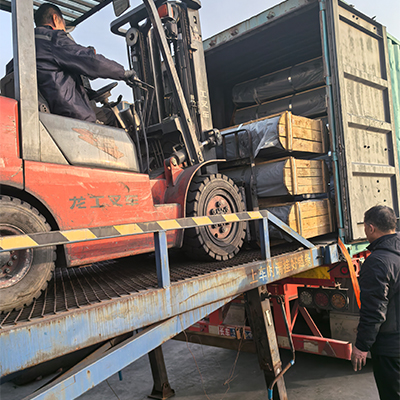 Factory direct sale! UHP ultra-high power electrodes, specifically designed for electric arc furnaces and refining furnaces.
 -
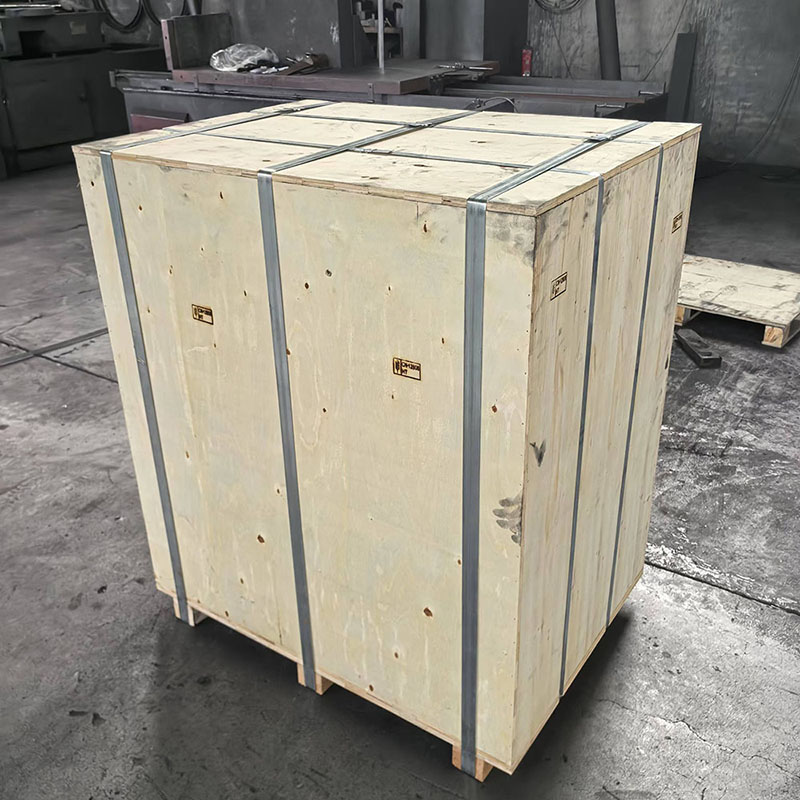 Graphite plate
 -
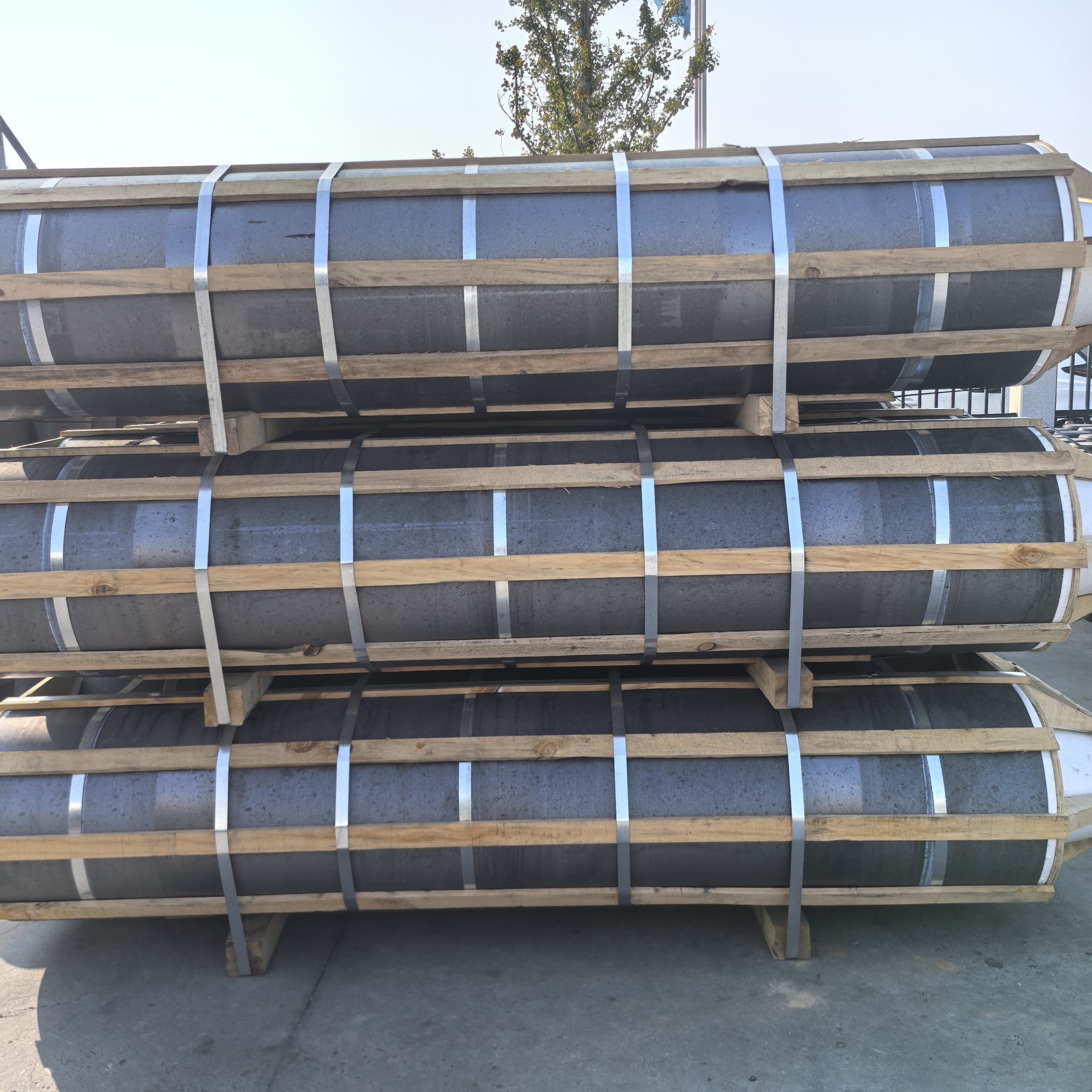 Ultra-High Power Graphite Electrode
 -
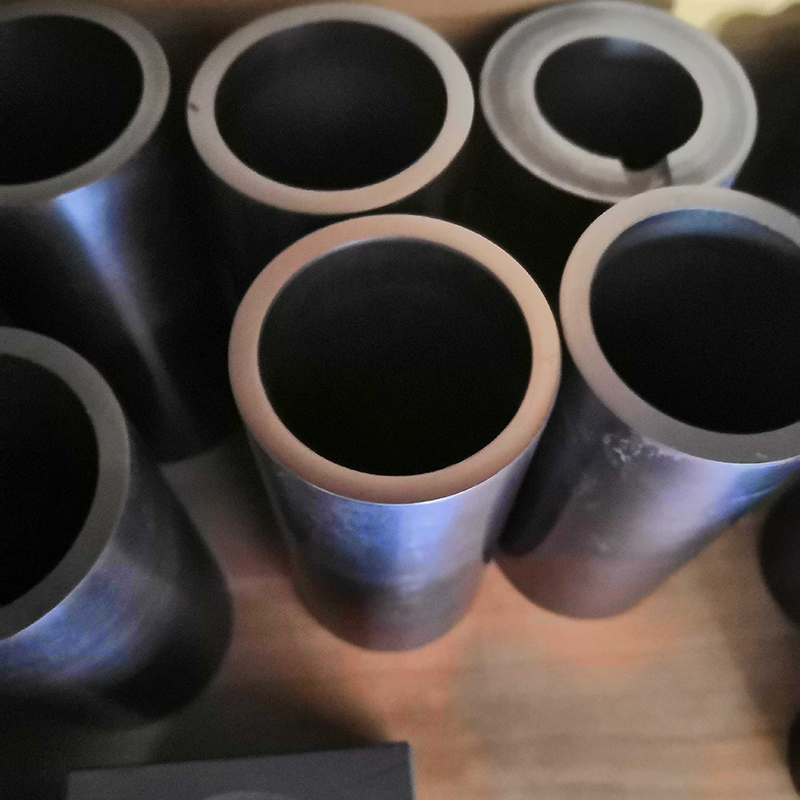 Graphite Crucible
 -
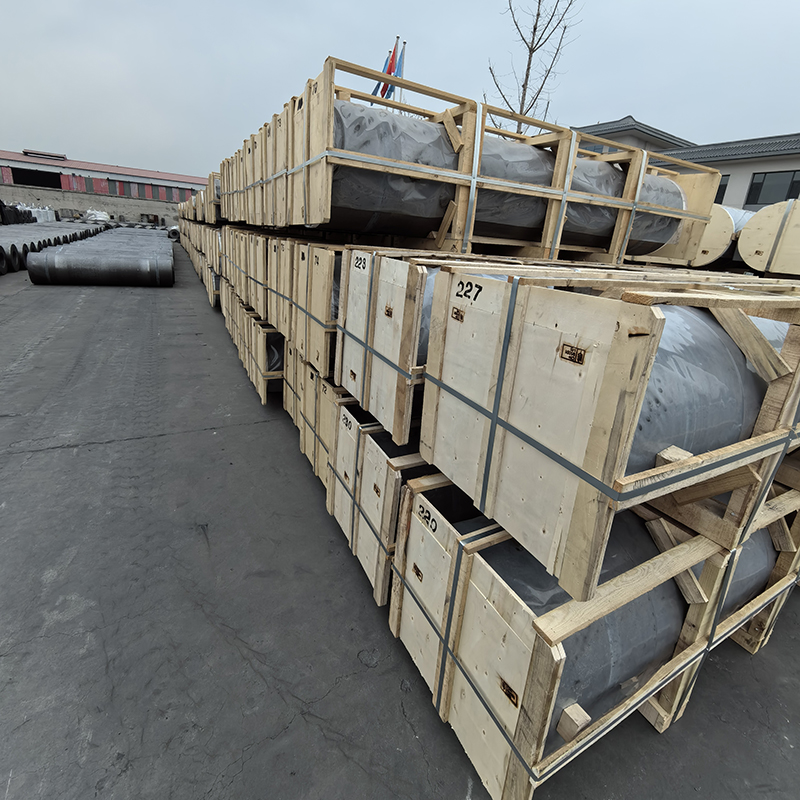 UHP ultra high power graphite electrode
 -
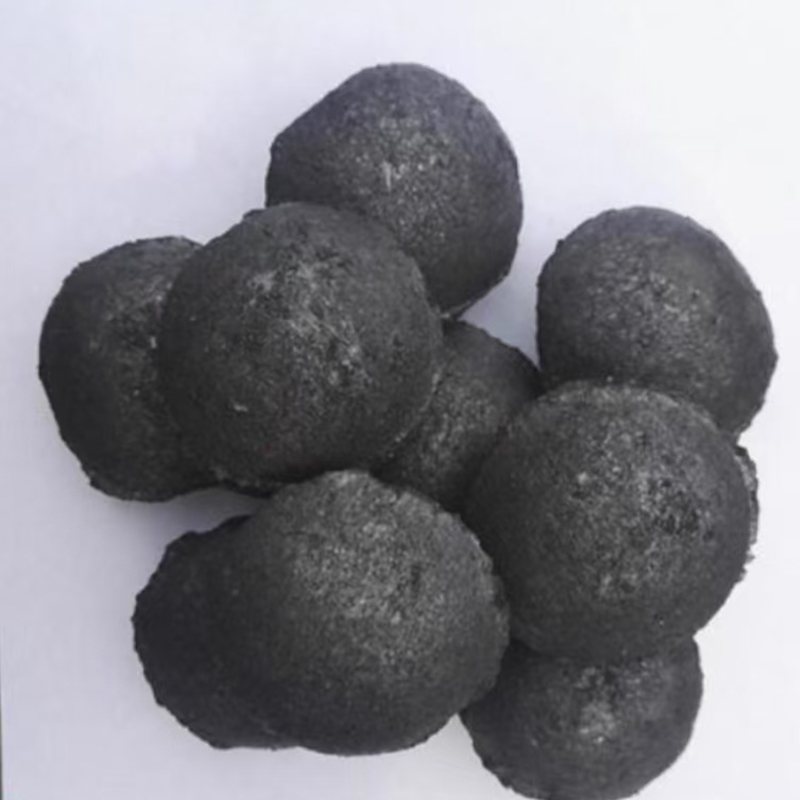 Spherical carburizer
 -
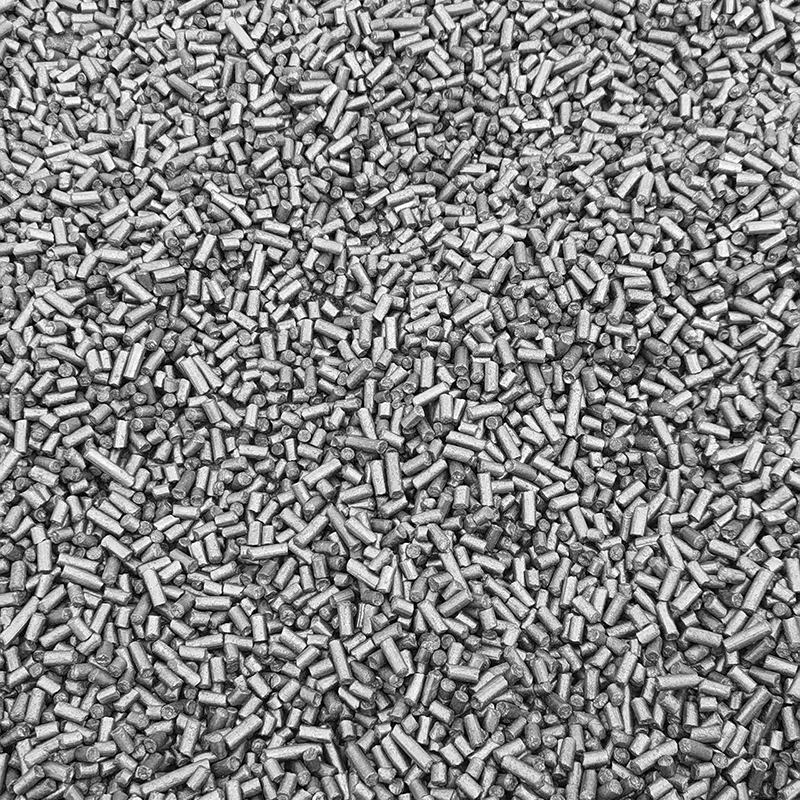 Columnar carburizer
 -
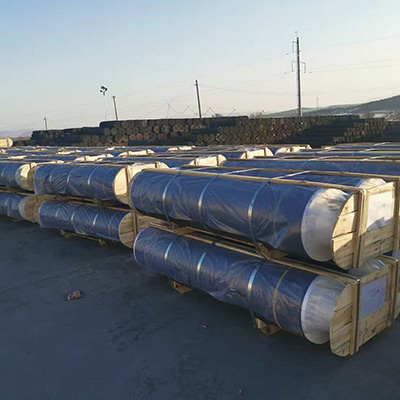 High-power graphite electrodes, 600 mm diameter, for export.
 -
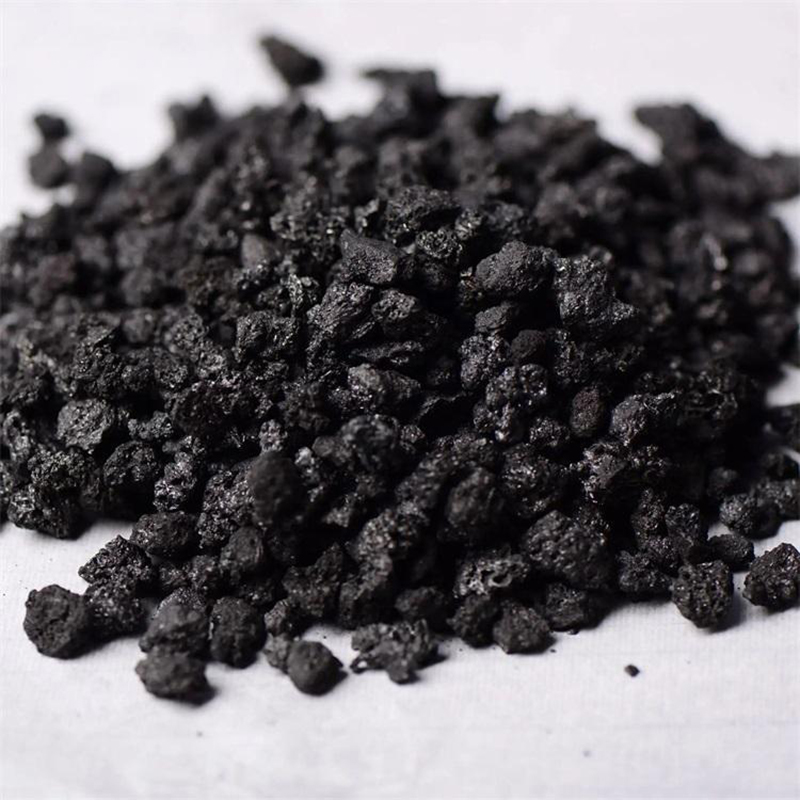 Granular carburizer
 -
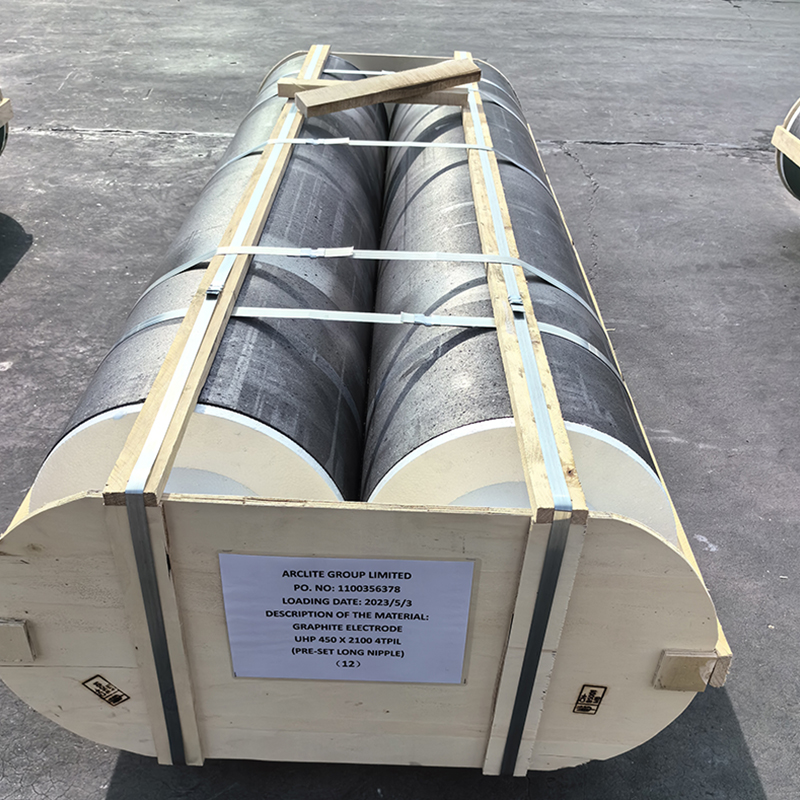 HP high power graphite electrode
 -
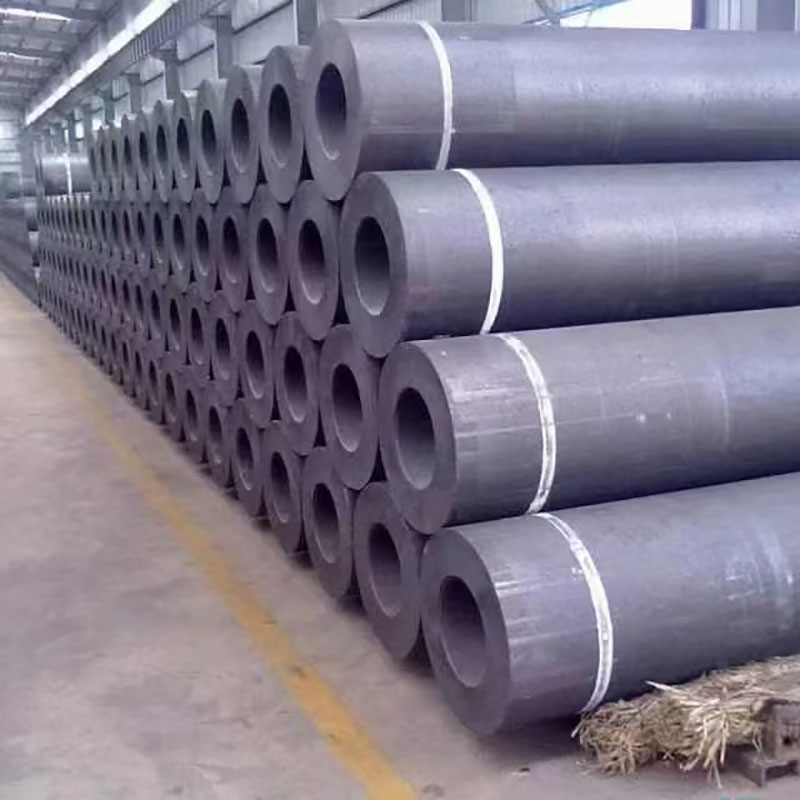 A supplier of graphite electrodes with a global distribution network.
 -
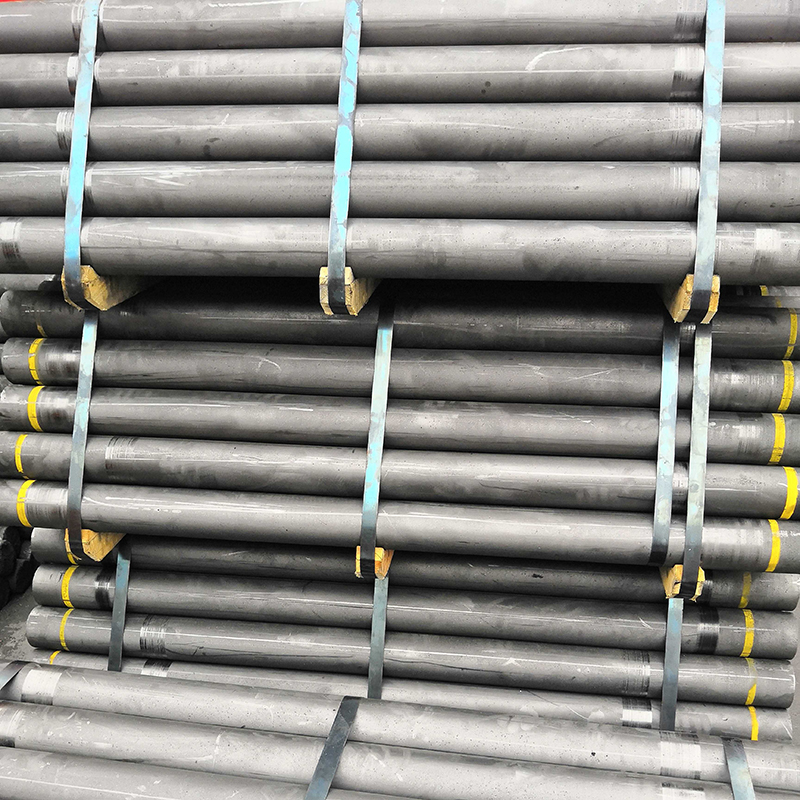 RP normal power graphite electrode