
- Chinese
- French
- German
- Portuguese
- Spanish
- Russian
- Japanese
- Korean
- Arabic
- Irish
- Greek
- Turkish
- Italian
- Danish
- Romanian
- Indonesian
- Czech
- Afrikaans
- Swedish
- Polish
- Basque
- Catalan
- Esperanto
- Hindi
- Lao
- Albanian
- Amharic
- Armenian
- Azerbaijani
- Belarusian
- Bengali
- Bosnian
- Bulgarian
- Cebuano
- Chichewa
- Corsican
- Croatian
- Dutch
- Estonian
- Filipino
- Finnish
- Frisian
- Galician
- Georgian
- Gujarati
- Haitian
- Hausa
- Hawaiian
- Hebrew
- Hmong
- Hungarian
- Icelandic
- Igbo
- Javanese
- Kannada
- Kazakh
- Khmer
- Kurdish
- Kyrgyz
- Latin
- Latvian
- Lithuanian
- Luxembou..
- Macedonian
- Malagasy
- Malay
- Malayalam
- Maltese
- Maori
- Marathi
- Mongolian
- Burmese
- Nepali
- Norwegian
- Pashto
- Persian
- Punjabi
- Serbian
- Sesotho
- Sinhala
- Slovak
- Slovenian
- Somali
- Samoan
- Scots Gaelic
- Shona
- Sindhi
- Sundanese
- Swahili
- Tajik
- Tamil
- Telugu
- Thai
- Ukrainian
- Urdu
- Uzbek
- Vietnamese
- Welsh
- Xhosa
- Yiddish
- Yoruba
- Zulu
- Kinyarwanda
- Tatar
- Oriya
- Turkmen
- Uyghur



Buy graphite crucible kit
html
The Essential Guide to Buying a Graphite Crucible Kit
When it comes to purchasing a graphite crucible kit, there are a few key factors to consider that can make or break your smelting projects. Whether you’re a hobbyist experimenting with metals or a professional in a more extensive application, understanding what to look for can lead to success—or frustration.
Why Choose a Graphite Crucible?
First off, why graphite? The key lies in its unique properties. Graphite is incredibly heat resistant and can withstand temperatures far beyond many other materials used in similar applications. It also provides excellent thermal conductivity, which is crucial for melting metals efficiently. However, I’ve seen many people overlook the compatibility of their crucible with the specific type of metal they intend to work with—an often costly oversight.
Let’s talk alternatives for a moment. Some folks dive into using ceramic or steel, possibly swayed by price or availability. But from my experience, they often revert to graphite due to its superior performance with metals like gold and silver. The ease with which graphite releases the metal upon cooling is another win.
Remember, every material has its downsides. In the case of graphite, it can be brittle and handle poorly if not treated right. But, if you’re mindful of its limitations, it’s a powerhouse in the right hands.
Considerations Before Purchase
Before clicking 'buy,' consider your application. The size of the graphite crucible kit is pivotal. Too small, and you'll struggle with your molten material; too large, and you risk inefficiency and higher costs. Crucible longevity is another aspect. Depending on your usage frequency, some kits last longer than others.
There’s also the question of brand. A reputable source like Hebei Yaofa Carbon Co., Ltd., with their expansive expertise in carbon products, offers the quality assurance needed for high-performance tasks. Their track record in carbon additives and graphite electrodes speaks volume. You can explore more on their range at Hebei Yaofa Carbon.
All said, when choosing a graphite crucible kit, don't underestimate the longer-term benefits of opting for quality over cost-saving. A well-crafted crucible being the backbone of successful metallurgy work.
Handling and Safety Tips
A critical, often under-discussed area is handling. Proper handling extends the life of your crucible, much like any other tool in your workshop. Keep in mind that graphite, though robust, isn’t invincible. I recall an instance where a slight drop rendered a new crucible unusable—taught me to handle them more carefully thereafter.
Safety is paramount. The temperatures these kits endure require you to employ essential safety equipment and protocols. Adequate ventilation, protective gear, and readiness for potential spillage can’t be overstated. A safe workspace is a productive one.
Regular maintenance checks can also preempt failures. Inspect for cracks or weaknesses in the crucible pre and post-use. Tend to your tools, and they’ll tend to your needs.
Exploring the Market
The market is diverse, and that can be daunting. It's wise to gather insights from reviews and seasoned users. Quality control can vary significantly across suppliers; hence, finding trusted manufacturers like Hebei Yaofa Carbon Co., Ltd. is a smart start.
On websites like Hebei Yaofa Carbon, you can delve into detailed specifications and customer feedback, which often gives a clearer picture than marketing blurb. User communities and forums are also rich sources of unbiased experiences and recommendations.
Ultimately, your choice should align with your specific needs and project scale, and that alignment is where true value lies.
Real-World Case Studies
Speaking from experience, I’ve seen cases where hobbyists periodically find satisfaction with mid-range kits. For them, versatility and ease of use are primary. Contrast this with industrial users whose criteria are durability and performance, often focusing on high-end kits from top-tier manufacturers.
An interesting project I oversaw involved a small-scale, local foundry experimenting with recycled metals. They started with a basic kit, only to realize that scalability and consistent results were their targets. Transitioning to higher-quality graphite crucibles was pivotal in meeting their objectives.
Failures aren’t uncommon, yet they provide substantial learning curves. Proper planning, guided by well-selected equipment, defines project success. Act on informed decisions, and your graphite crucible kit will serve you well.
Related products
Related products
Best selling products
Best selling products-
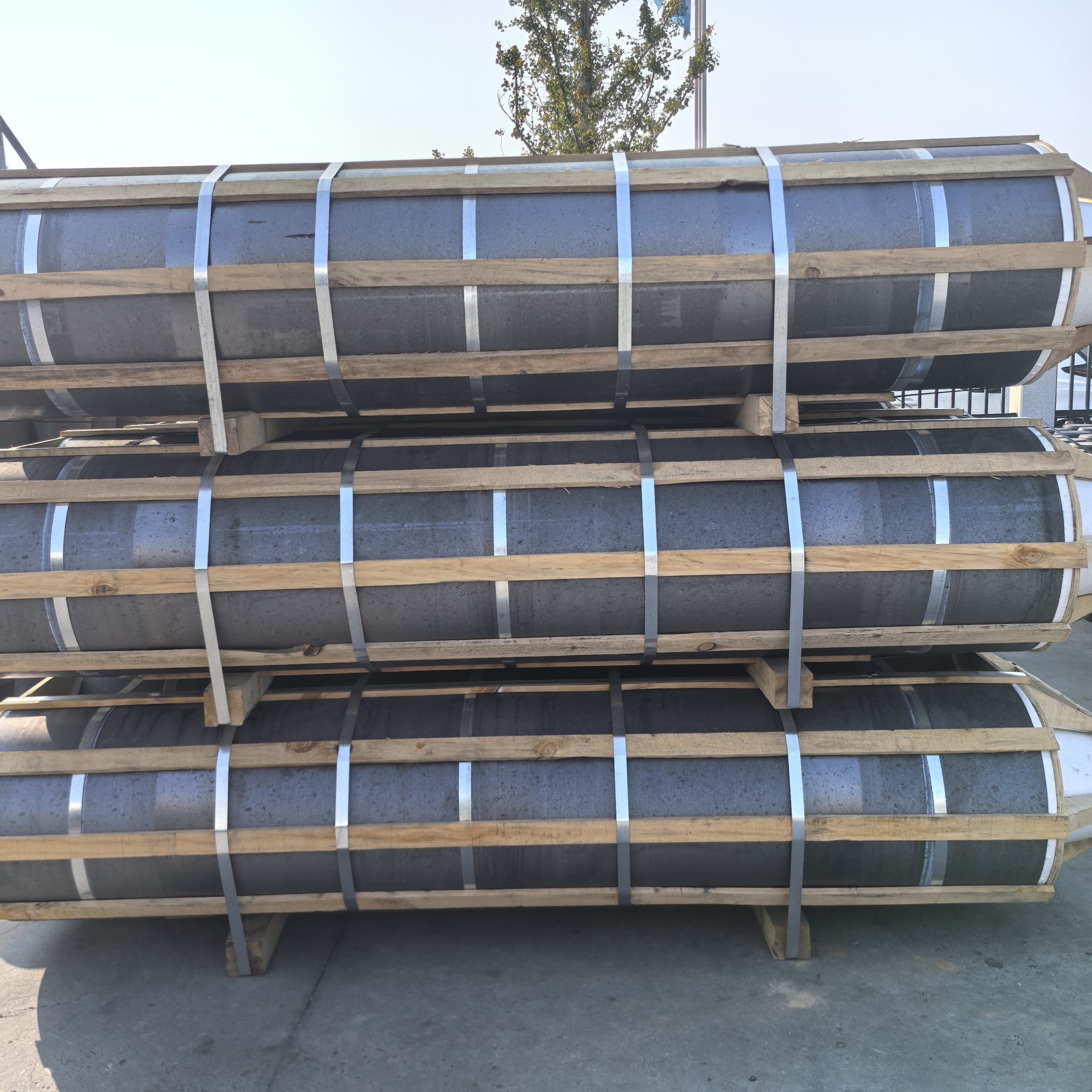 Ultra-High Power Graphite Electrode
 -
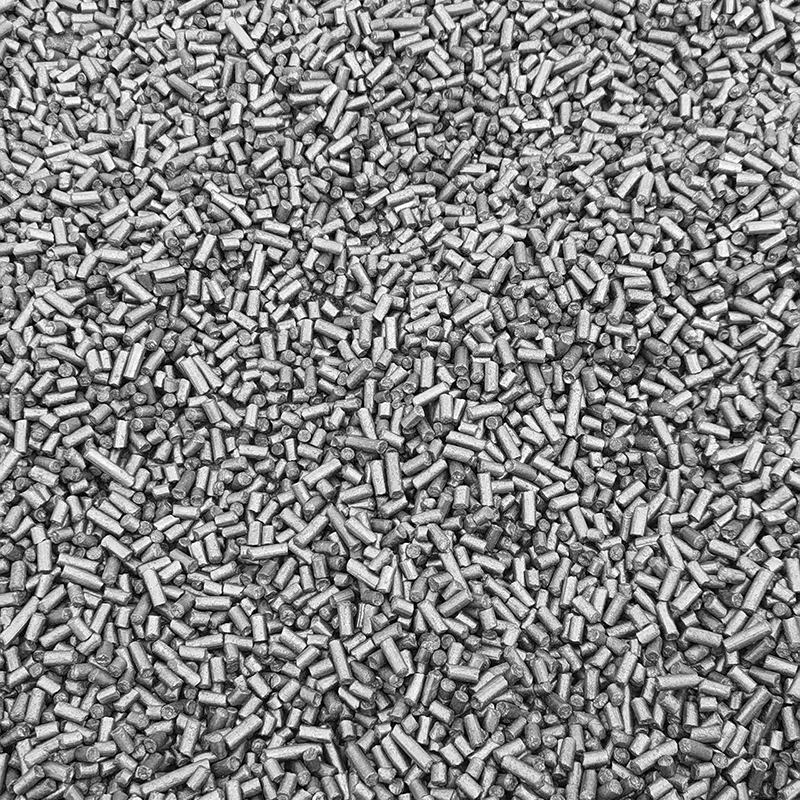 Columnar carburizer
 -
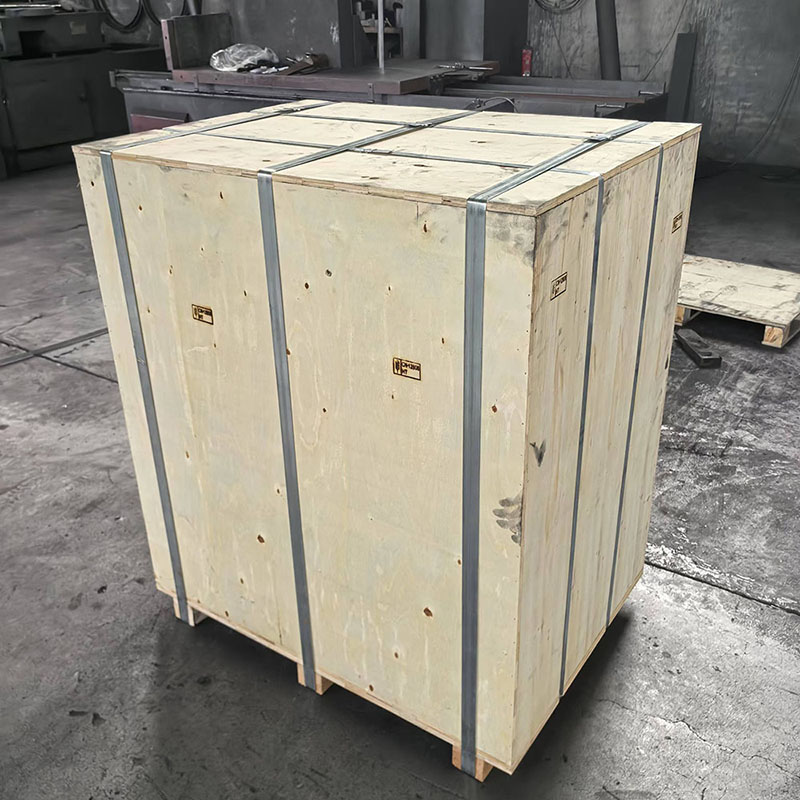 Graphite plate
 -
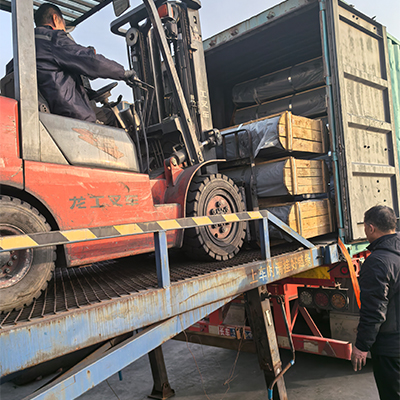 Factory direct sale! UHP ultra-high power electrodes, specifically designed for electric arc furnaces and refining furnaces.
 -
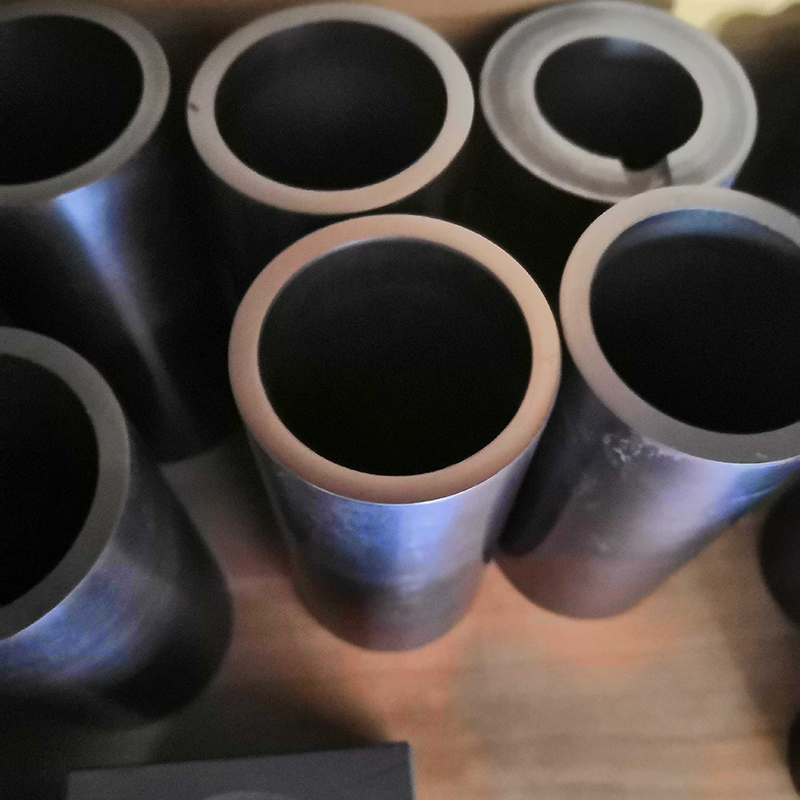 Graphite Crucible
 -
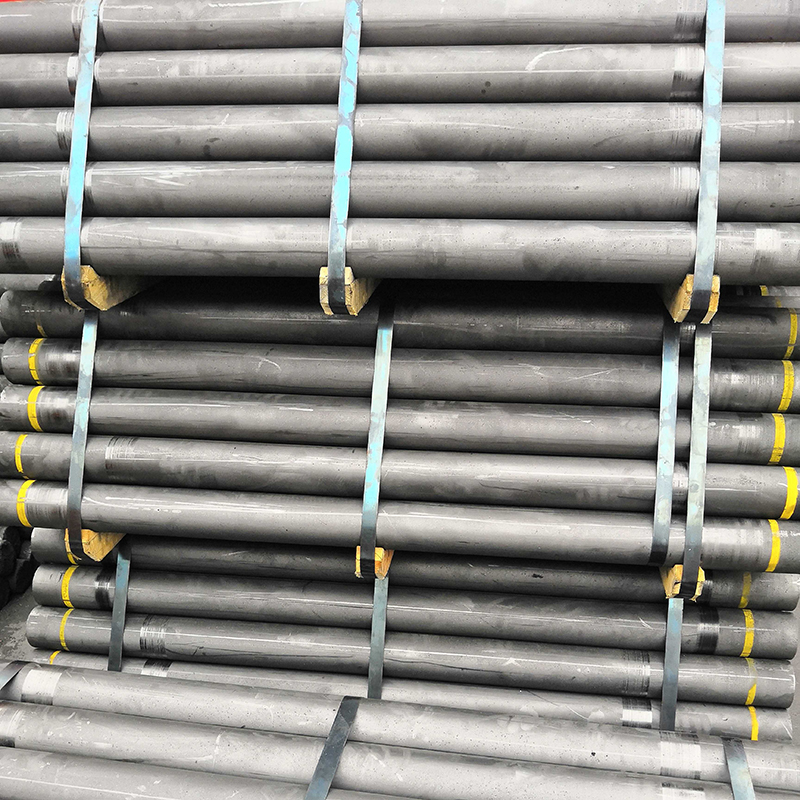 RP normal power graphite electrode
 -
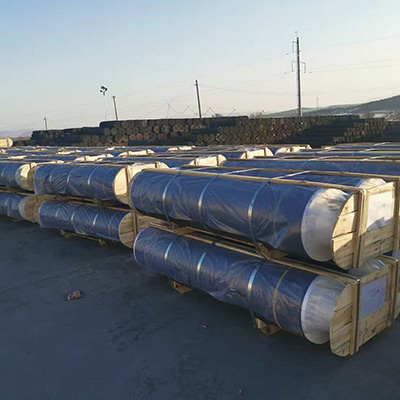 High-power graphite electrodes, 600 mm diameter, for export.
 -
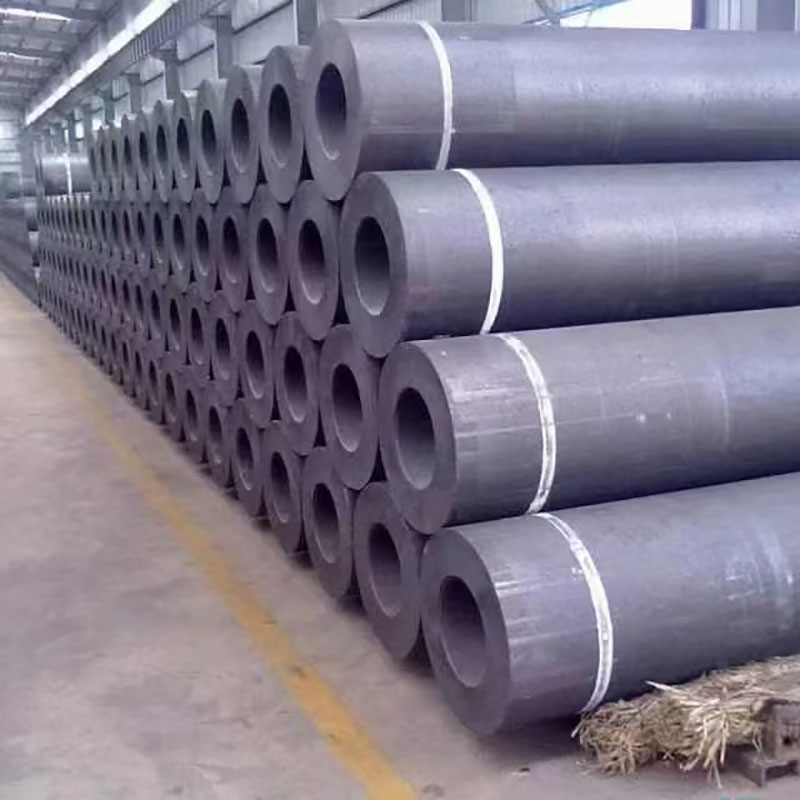 A supplier of graphite electrodes with a global distribution network.
 -
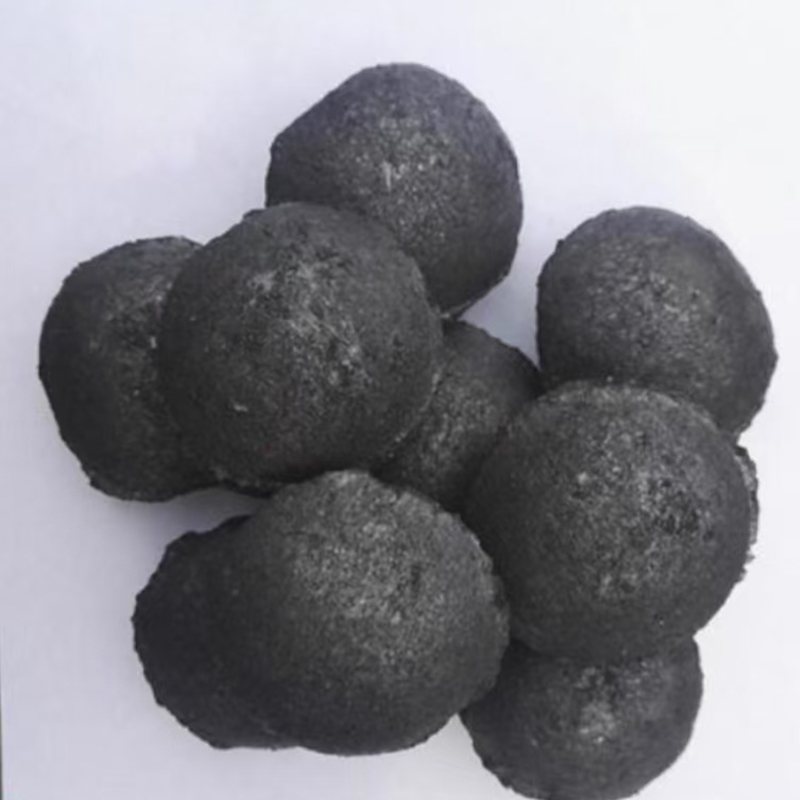 Spherical carburizer
 -
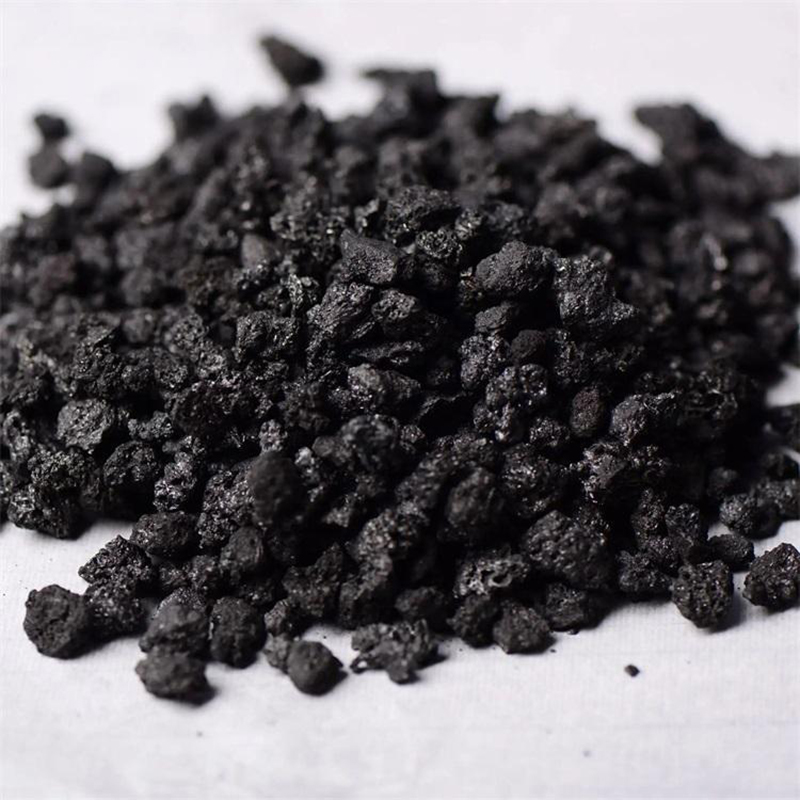 Granular carburizer
 -
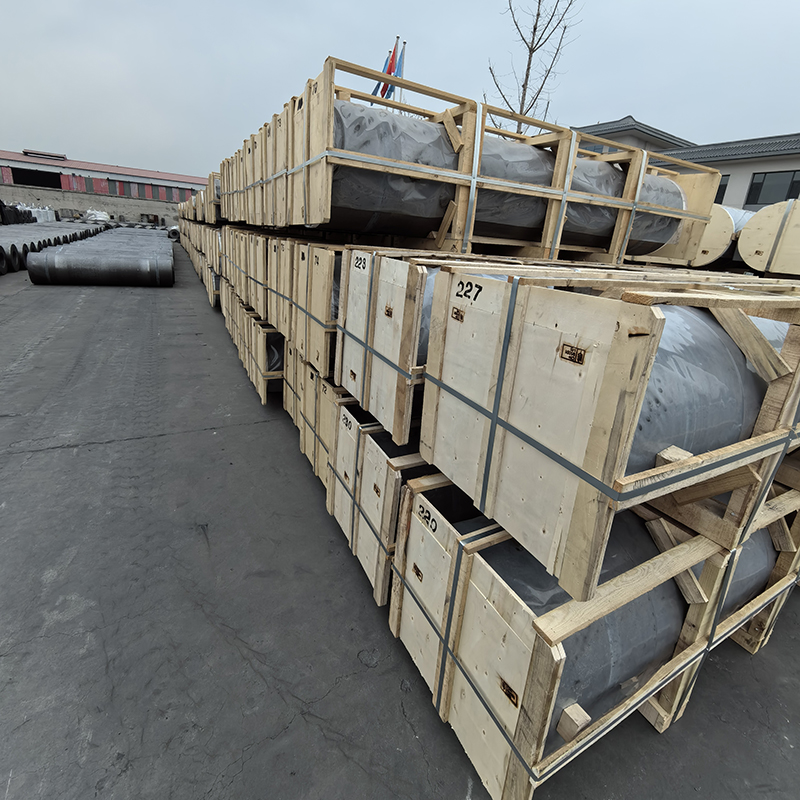 UHP ultra high power graphite electrode
 -
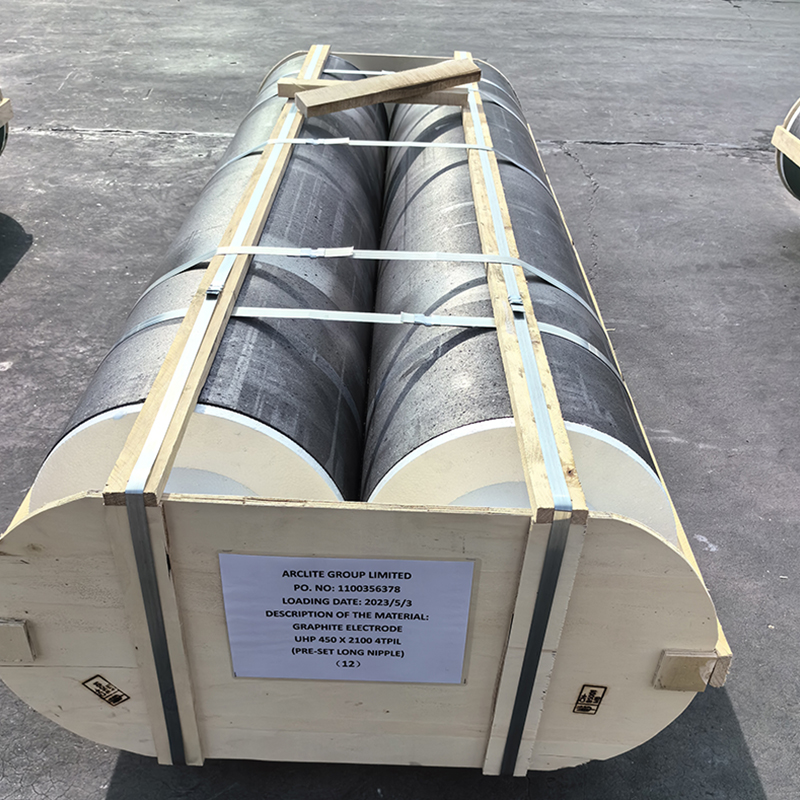 HP high power graphite electrode