
- Chinese
- French
- German
- Portuguese
- Spanish
- Russian
- Japanese
- Korean
- Arabic
- Irish
- Greek
- Turkish
- Italian
- Danish
- Romanian
- Indonesian
- Czech
- Afrikaans
- Swedish
- Polish
- Basque
- Catalan
- Esperanto
- Hindi
- Lao
- Albanian
- Amharic
- Armenian
- Azerbaijani
- Belarusian
- Bengali
- Bosnian
- Bulgarian
- Cebuano
- Chichewa
- Corsican
- Croatian
- Dutch
- Estonian
- Filipino
- Finnish
- Frisian
- Galician
- Georgian
- Gujarati
- Haitian
- Hausa
- Hawaiian
- Hebrew
- Hmong
- Hungarian
- Icelandic
- Igbo
- Javanese
- Kannada
- Kazakh
- Khmer
- Kurdish
- Kyrgyz
- Latin
- Latvian
- Lithuanian
- Luxembou..
- Macedonian
- Malagasy
- Malay
- Malayalam
- Maltese
- Maori
- Marathi
- Mongolian
- Burmese
- Nepali
- Norwegian
- Pashto
- Persian
- Punjabi
- Serbian
- Sesotho
- Sinhala
- Slovak
- Slovenian
- Somali
- Samoan
- Scots Gaelic
- Shona
- Sindhi
- Sundanese
- Swahili
- Tajik
- Tamil
- Telugu
- Thai
- Ukrainian
- Urdu
- Uzbek
- Vietnamese
- Welsh
- Xhosa
- Yiddish
- Yoruba
- Zulu
- Kinyarwanda
- Tatar
- Oriya
- Turkmen
- Uyghur



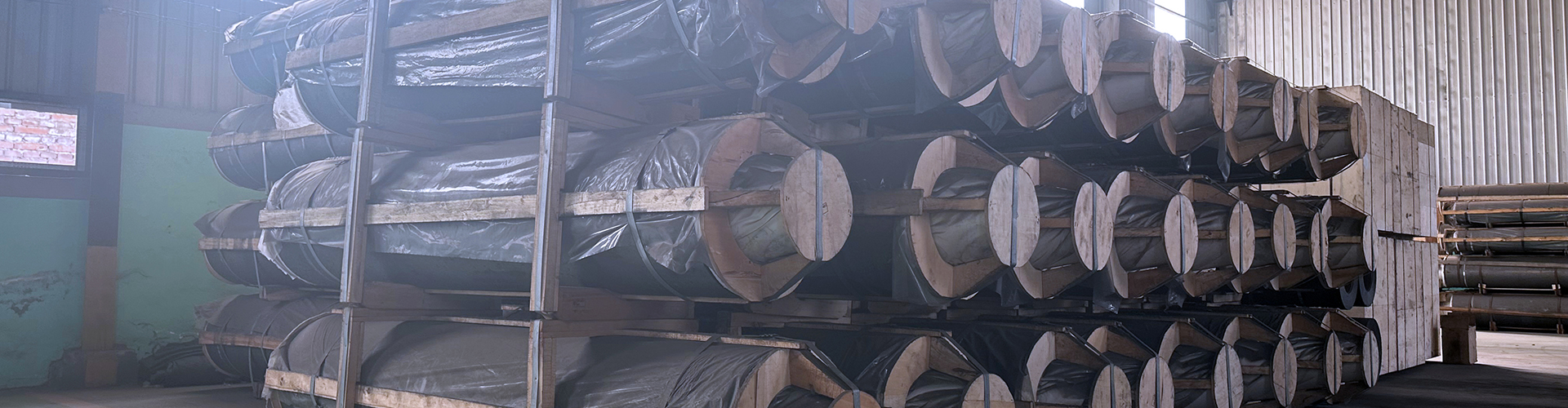
carbon graphite crucible factory
Understanding the Carbon Graphite Crucible Manufacturing Process
Carbon graphite crucibles are essential in various industries, yet there are several misconceptions about their production. Often perceived as straightforward, the manufacturing of these crucibles involves complex processes and expertise, something not every factory can boast, especially when compared to well-established entities like Hebei Yaofa Carbon Co., Ltd.
The Role of Graphite Crucibles in Industry
Graphite crucibles are primarily used to hold and melt materials at high temperatures, making them indispensable in fields such as metallurgy and glass production. Due to their high thermal conductivity and chemical resistance, these crucibles can withstand extreme conditions without compromising performance. It's not uncommon for people new to the field to underestimate the durability and precision required in their manufacturing.
From my experience, the quality of a carbon graphite crucible can greatly influence the efficiency of melting processes. A poorly manufactured crucible might lead to contamination of the material being melted, a costly oversight in high-spec industries. Factories like Hebei Yaofa Carbon Co., Ltd., with over 20 years of experience, have honed the art of balancing material quality and manufacturing precision.
The choice of materials and the precision of the manufacturing process are critical. Factors such as grain size, binder types, and even the ambient conditions during manufacturing can affect the end product. For a reliable product, understanding these intricacies isn't just beneficial—it's essential.
Challenges in Carbon Graphite Crucible Manufacturing
One common challenge in producing high-quality crucibles is controlling the purity of the graphite. Impurities can compromise the crucible's structural integrity and thermal performance. Here, companies like Hebei Yaofa Carbon Co., Ltd. excel by ensuring stringent quality controls at every production stage.
An interesting aspect is the customization requirements that fluctuate based on specific industry needs. Sometimes, a standard crucible just doesn't cut it. I've seen instances where custom designs significantly increased a facility's efficiency, but achieving this isn't merely about changing dimensions; it's about understanding thermal profiles and stress factors unique to each client's application.
There have been attempts by less experienced manufacturers to cut corners, often trying to reduce costs by using substandard materials. This inevitably results in products that fail under high stress, becoming a liability rather than a tool. Such practices only reemphasize the value of experience, as demonstrated by Hebei Yaofa Carbon Co., Ltd.
Technological Advances and Innovations
Technological advancements play a crucial role in the development of better carbon graphite crucible solutions. Automated processes can ensure consistency, but manual oversight remains vital. It's a blend of technology and human expertise that guarantees the best results.
In recent years, there's been interest in enhancing the thermal properties of these crucibles through nano-coatings or hybrid materials. These innovations could potentially push the thermal tolerance of graphite crucibles even further, although widespread adoption is still in the exploratory phase.
Hebei Yaofa Carbon Co., Ltd. has embraced some of these innovations, integrating them into their production processes to stay ahead in a competitive market. Their approach serves as a model for blending tradition with cutting-edge practices.
Choosing the Right Manufacturer
Selecting the right manufacturer for carbon graphite crucibles isn't just about cost—it's about understanding the full package of service and reliability. A factory's track record, like that of Hebei Yaofa Carbon Co., Ltd., becomes a significant deciding factor. Their extensive experience in providing quality carbon materials and products speaks volumes.
The website https://www.yaofatansu.com offers insights into their range of products, including high-grade graphite electrodes and carbon additives. This diverse portfolio is indicative of their capability and commitment to quality, crucial criteria when choosing a supplier.
Ultimately, the right choice could mean the difference between operational efficiency and unforeseen complications, emphasizing the importance of thorough research and industry insight when making such decisions.
Related products
Related products
Best selling products
Best selling products-
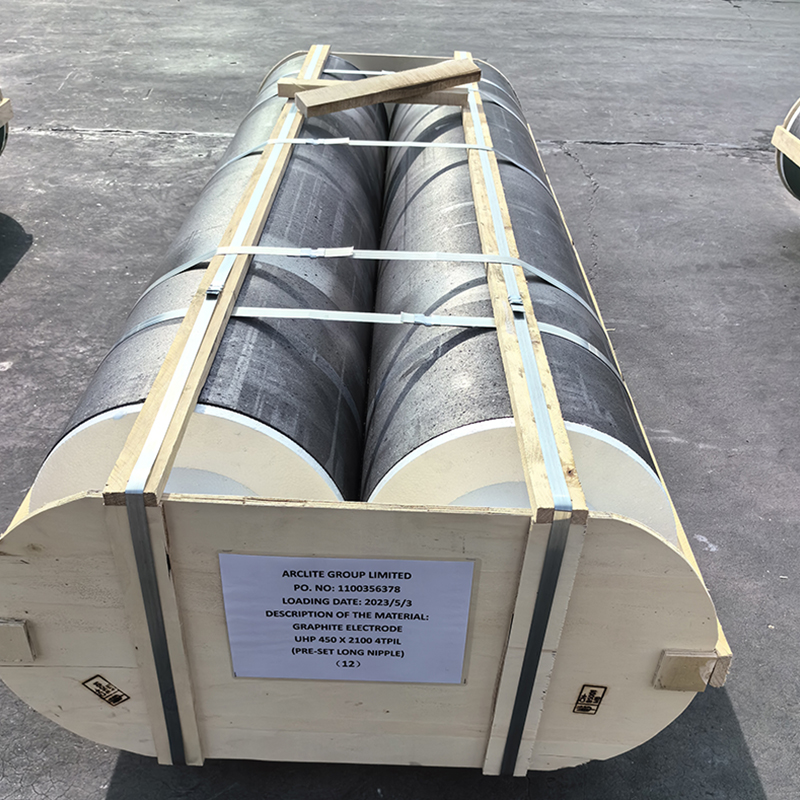 HP high power graphite electrode
 -
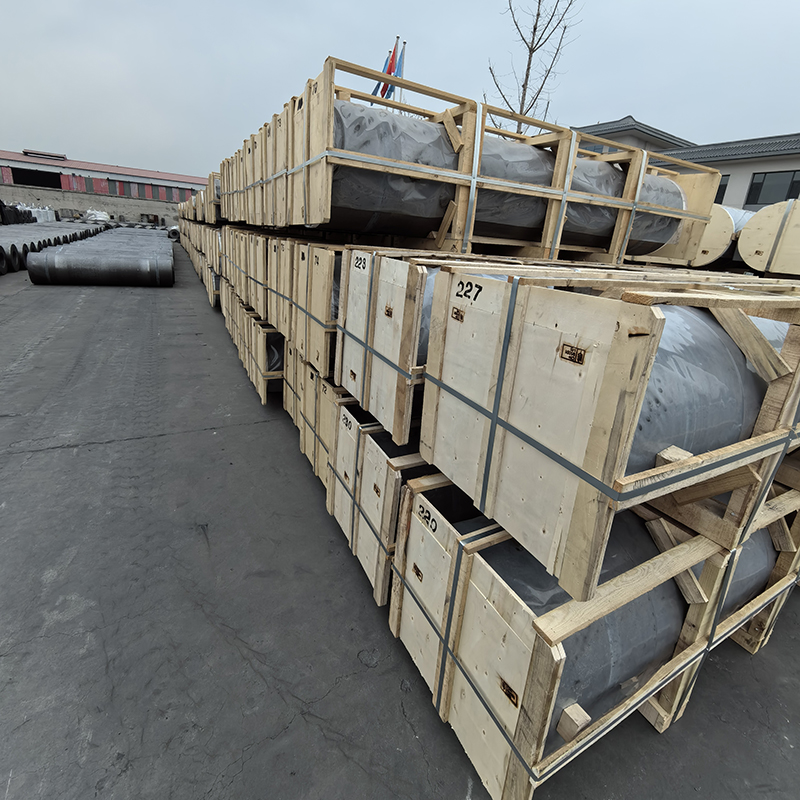 UHP ultra high power graphite electrode
 -
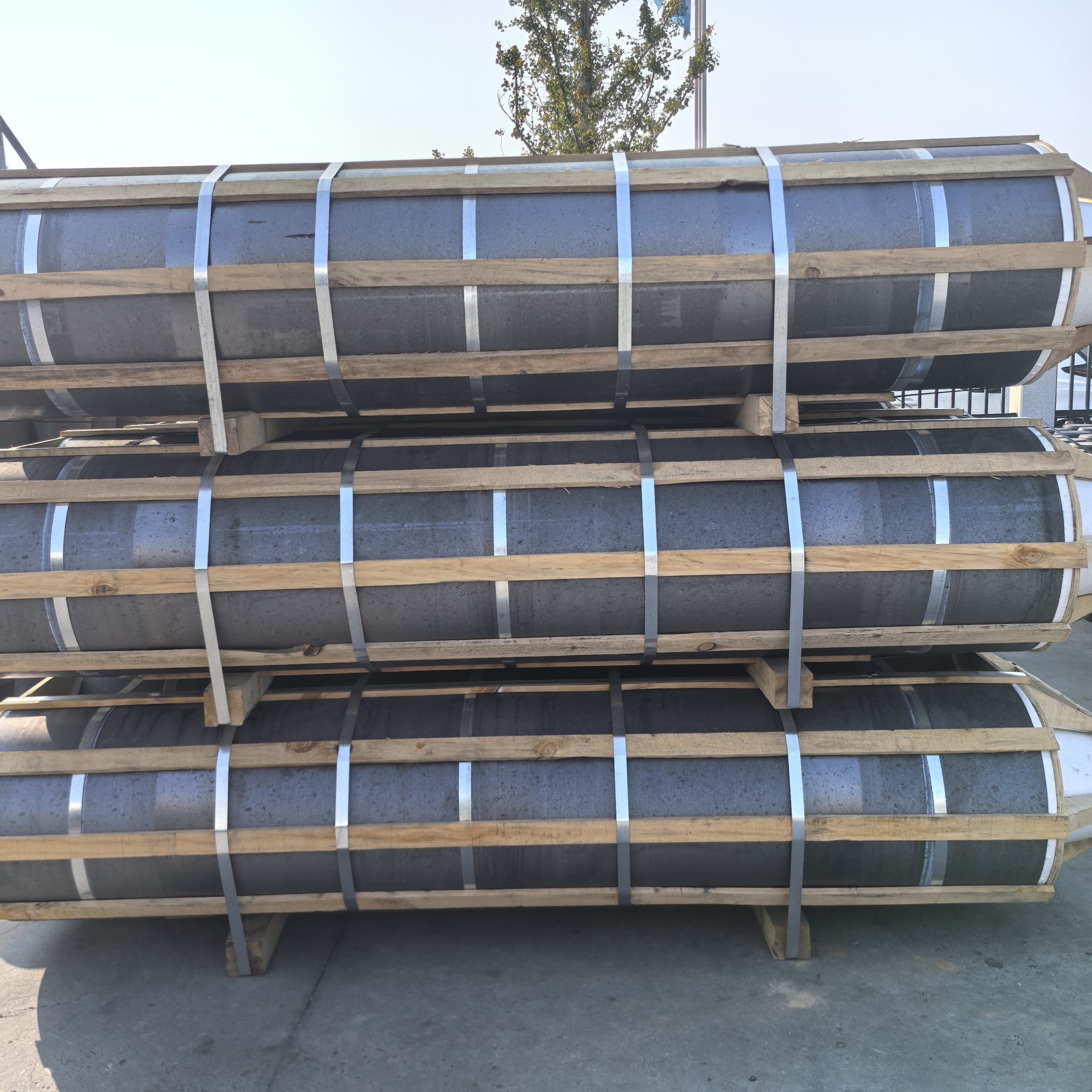 Ultra-High Power Graphite Electrode
 -
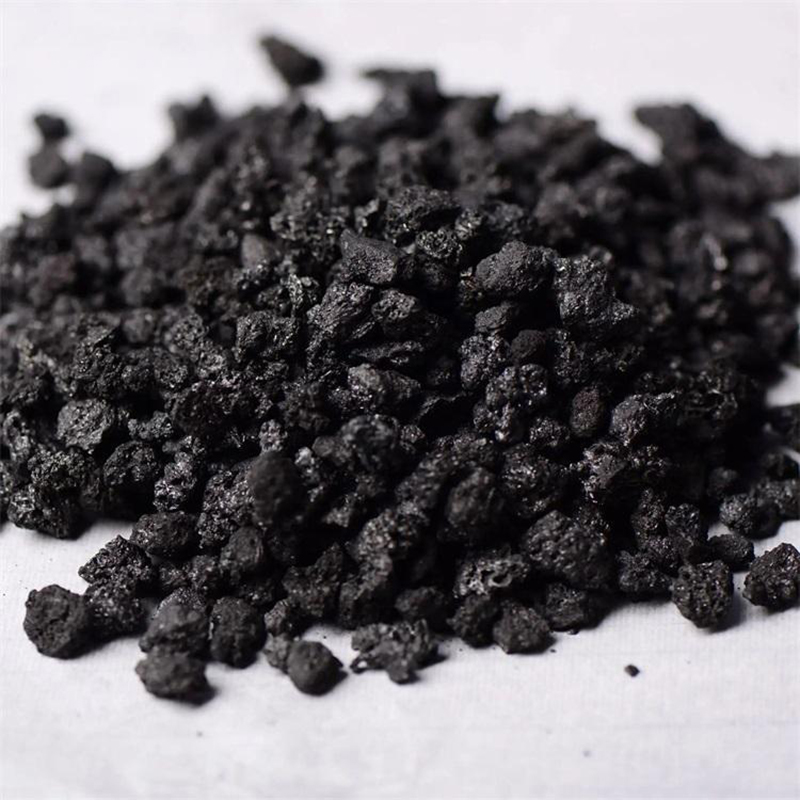 Granular carburizer
 -
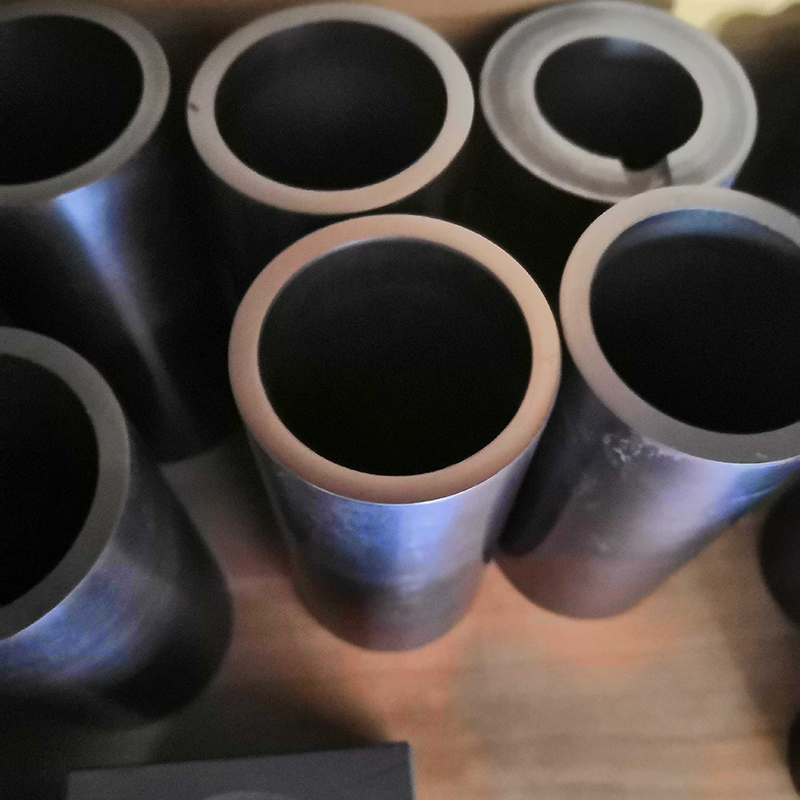 Graphite Crucible
 -
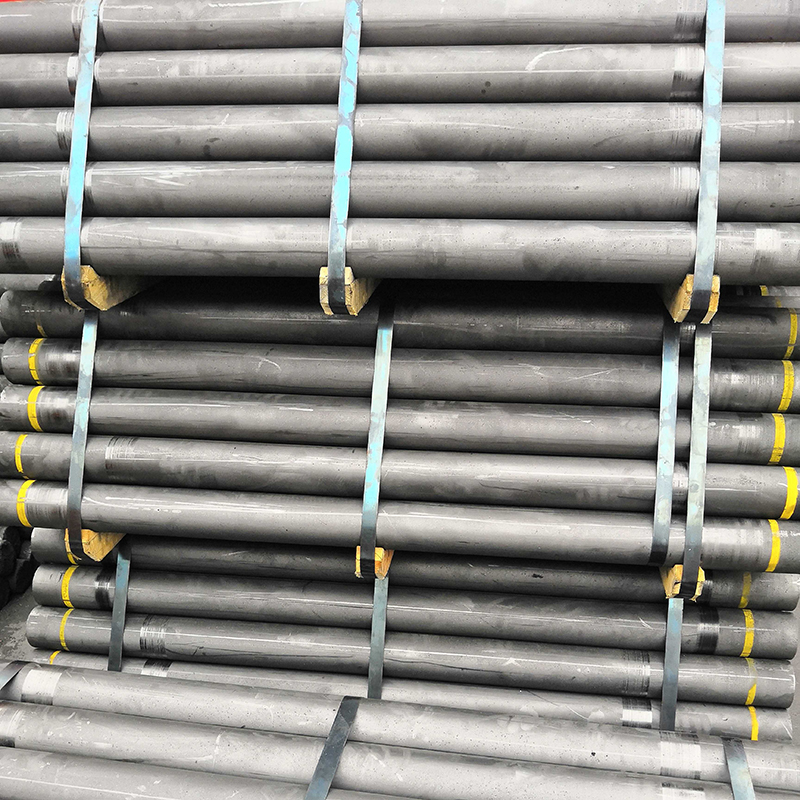 RP normal power graphite electrode
 -
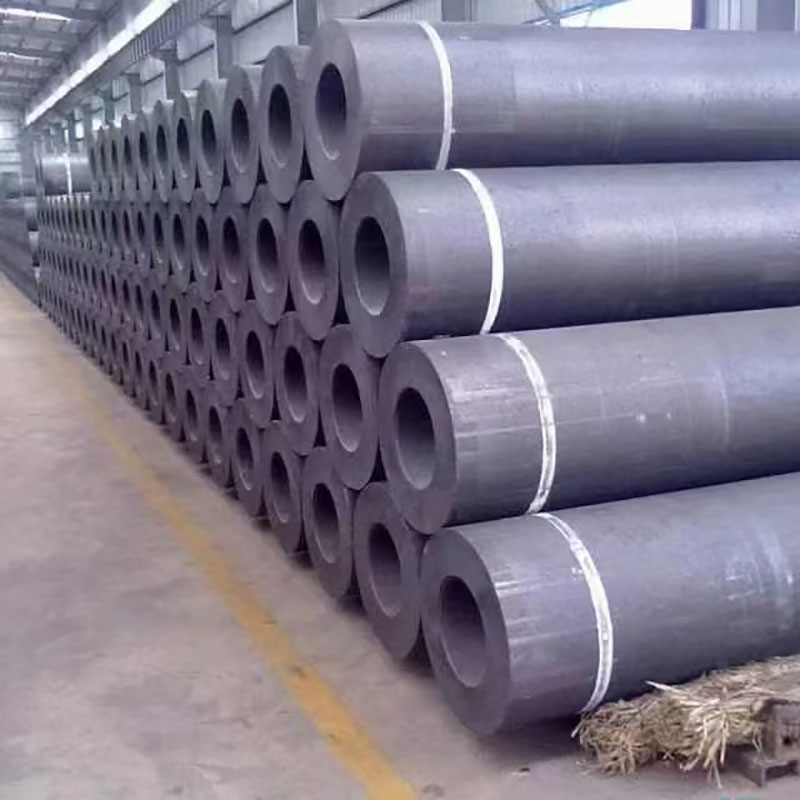 A supplier of graphite electrodes with a global distribution network.
 -
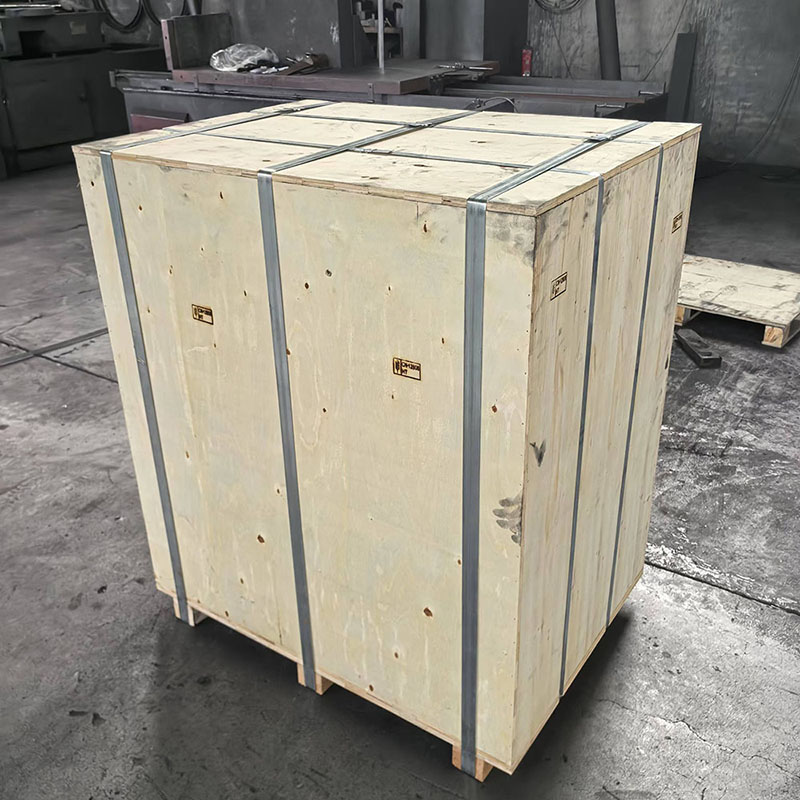 Graphite plate
 -
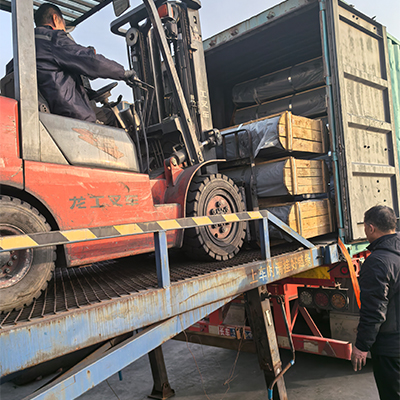 Factory direct sale! UHP ultra-high power electrodes, specifically designed for electric arc furnaces and refining furnaces.
 -
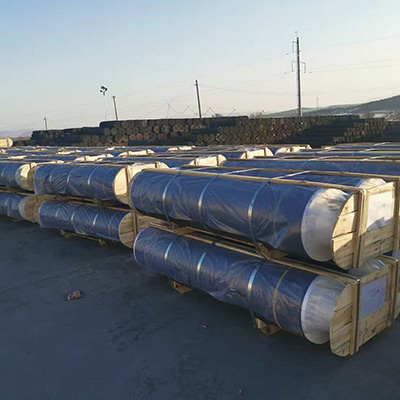 High-power graphite electrodes, 600 mm diameter, for export.
 -
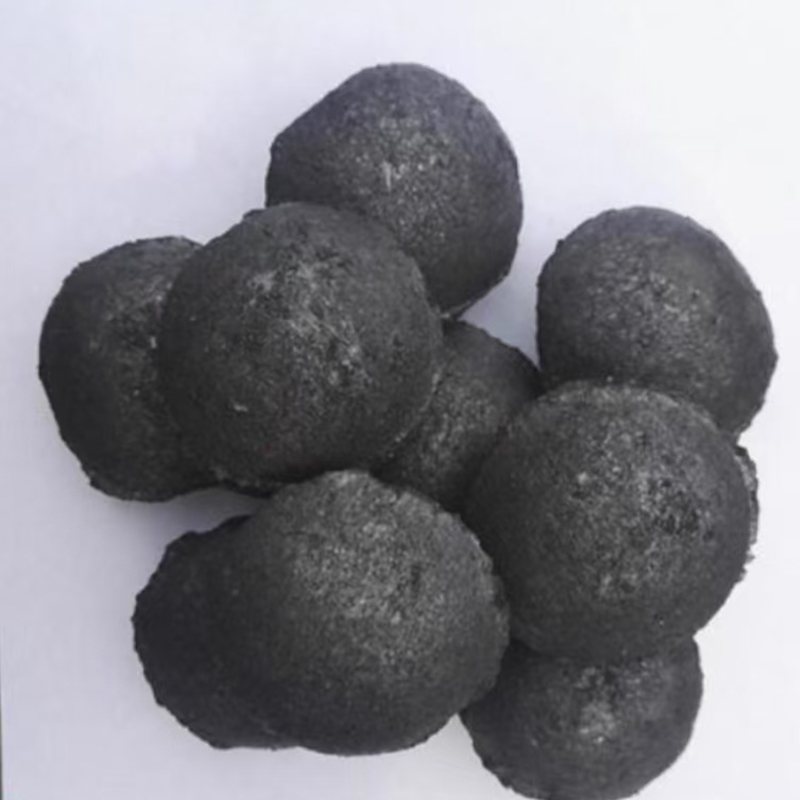 Spherical carburizer
 -
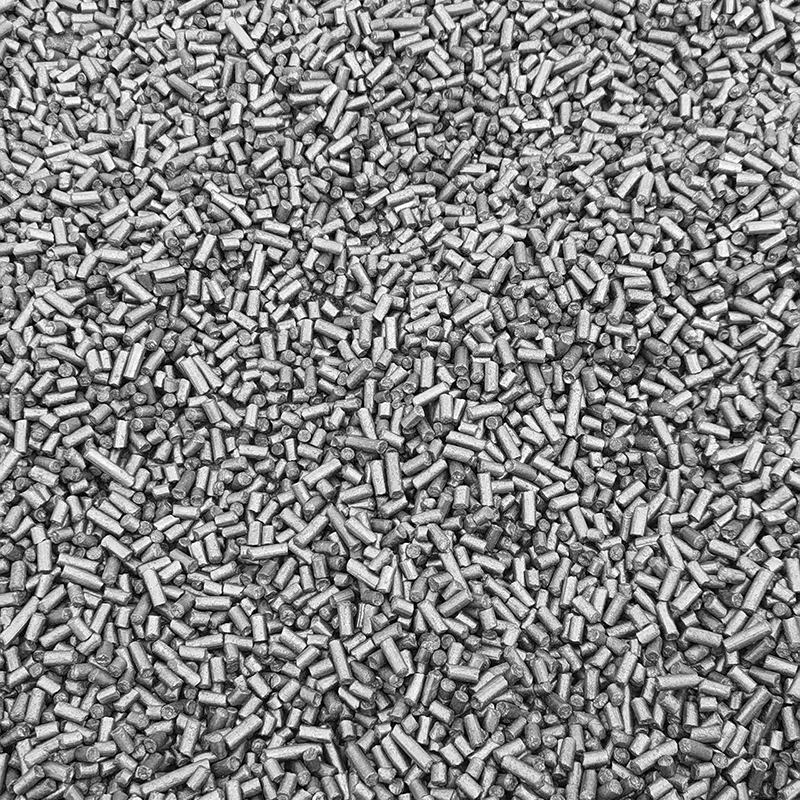 Columnar carburizer