
- Chinese
- French
- German
- Portuguese
- Spanish
- Russian
- Japanese
- Korean
- Arabic
- Irish
- Greek
- Turkish
- Italian
- Danish
- Romanian
- Indonesian
- Czech
- Afrikaans
- Swedish
- Polish
- Basque
- Catalan
- Esperanto
- Hindi
- Lao
- Albanian
- Amharic
- Armenian
- Azerbaijani
- Belarusian
- Bengali
- Bosnian
- Bulgarian
- Cebuano
- Chichewa
- Corsican
- Croatian
- Dutch
- Estonian
- Filipino
- Finnish
- Frisian
- Galician
- Georgian
- Gujarati
- Haitian
- Hausa
- Hawaiian
- Hebrew
- Hmong
- Hungarian
- Icelandic
- Igbo
- Javanese
- Kannada
- Kazakh
- Khmer
- Kurdish
- Kyrgyz
- Latin
- Latvian
- Lithuanian
- Luxembou..
- Macedonian
- Malagasy
- Malay
- Malayalam
- Maltese
- Maori
- Marathi
- Mongolian
- Burmese
- Nepali
- Norwegian
- Pashto
- Persian
- Punjabi
- Serbian
- Sesotho
- Sinhala
- Slovak
- Slovenian
- Somali
- Samoan
- Scots Gaelic
- Shona
- Sindhi
- Sundanese
- Swahili
- Tajik
- Tamil
- Telugu
- Thai
- Ukrainian
- Urdu
- Uzbek
- Vietnamese
- Welsh
- Xhosa
- Yiddish
- Yoruba
- Zulu
- Kinyarwanda
- Tatar
- Oriya
- Turkmen
- Uyghur



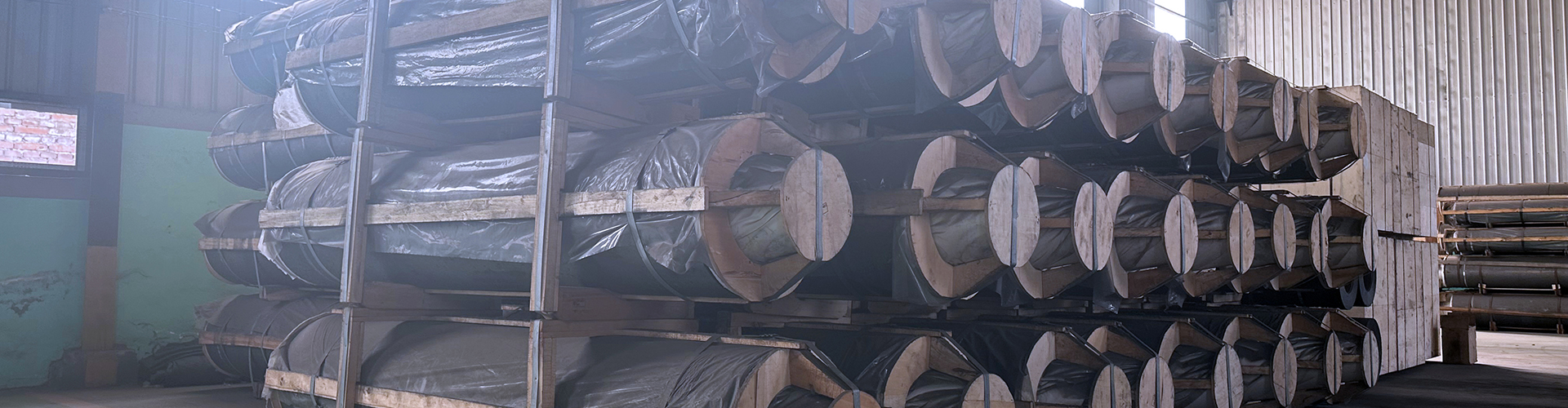
China black coal tar uses
The Multifaceted Uses of Black Coal Tar in China
Exploring the diverse industrial applications of black coal tar in China reveals a world of both traditional and innovative uses. While often misunderstood, this byproduct of coal processing plays a pivotal role in several key industries. Let's delve into how it's being utilized today, some common misconceptions, and what industry experts have experienced on the ground.
Understanding Black Coal Tar
First off, it's crucial to clarify what black coal tar actually is. Essentially, it's a thick, viscous liquid derived from the distillation of bituminous coal. Many associate it solely with roofing or medicinal ointments, but that barely scratches the surface. In China, industries have unlocked its full potential over the years.
Take Hebei Yaofa Carbon Co., Ltd., for instance, a major player with over 20 years of production experience. While their focus is on carbon additives and graphite electrodes, their participation in the carbon material supply chain touches on high-quality byproducts, including coal tar applications.
Common misunderstandings lie in assuming coal tar’s usage is outdated or limited. However, its application in producing chemical intermediates for dyes and drugs demonstrates otherwise. It’s this ability to turn what's often perceived as waste into valuable products that keeps it relevant today.
Industrial Applications
In industrial circles, black coal tar serves as a crucial feedstock. Its components are broken down into phenols, naphthalene, and other chemicals essential for creating epoxy resins and coatings. These materials are foundational in numerous manufacturing processes across the globe.
From my experience working in factories, the significance of coal tar is evident in metal processing where it’s a key element in creating protective coatings. This extends the life of metals used in infrastructural projects, a critical concern for China's growing urban landscapes.
Moreover, its application in the aluminum industry cannot be overstated. Carbon additives derived from coal tar enhance the qualities of aluminum anodes, directly influencing the efficiency of aluminum production, a key area for companies like Hebei Yaofa.
Health and Environmental Considerations
But with all its benefits, there are concerns. Health risks associated with coal tar exposure, particularly during application processes, cannot be ignored. Workers in direct contact with coal tar products must be well-equipped with protective gear.
The environmental impact also warrants discussion. There’s growing pressure on companies to manage coal tar waste responsibly. Treatment plants and improved processing technologies are now mandatory, reflecting a global shift towards sustainable practices.
I've seen companies like Hebei Yaofa take such precautions, understanding that embracing stringent environmental norms not only avoids regulatory issues but also builds brand trust.
Challenges in the Market
The market for coal tar and its derivatives isn’t without its challenges. Pricing can be volatile, affected by fluctuations in coal supply and shifts in market demand for its end-products.
In many cases, industries dependent on coal tar need to stay agile, adjusting their strategies in response to these fluctuations. Innovations in alternative materials also pose a competitive threat, pushing coal tar producers to continually prove relevance.
Some manufacturers, including Hebei Yaofa, strategically diversify their product lines—another way they hedge against market instability. This breadth of offerings can provide stability amidst the unpredictability.
The Future of Coal Tar Uses
So, what's next for black coal tar in China? Advances in technology and sustainability practices indicate a gradual shift in its uses. There’s growing interest in biochemicals that mimic coal tar’s properties, reducing reliance on fossil-derived materials.
Yet, real-life application of these innovations across industries remains to be seen. Until commercial viability and practicality are proven, black coal tar will likely maintain its standing at the heart of many industrial processes.
From firsthand experiences and observations, it's clear that while challenges exist, the adaptability of industries like Hebei Yaofa ensures that coal tar continues to serve as a backbone for various sectors, evolving in tandem with technological and environmental advancements.
Related products
Related products
Best selling products
Best selling products-
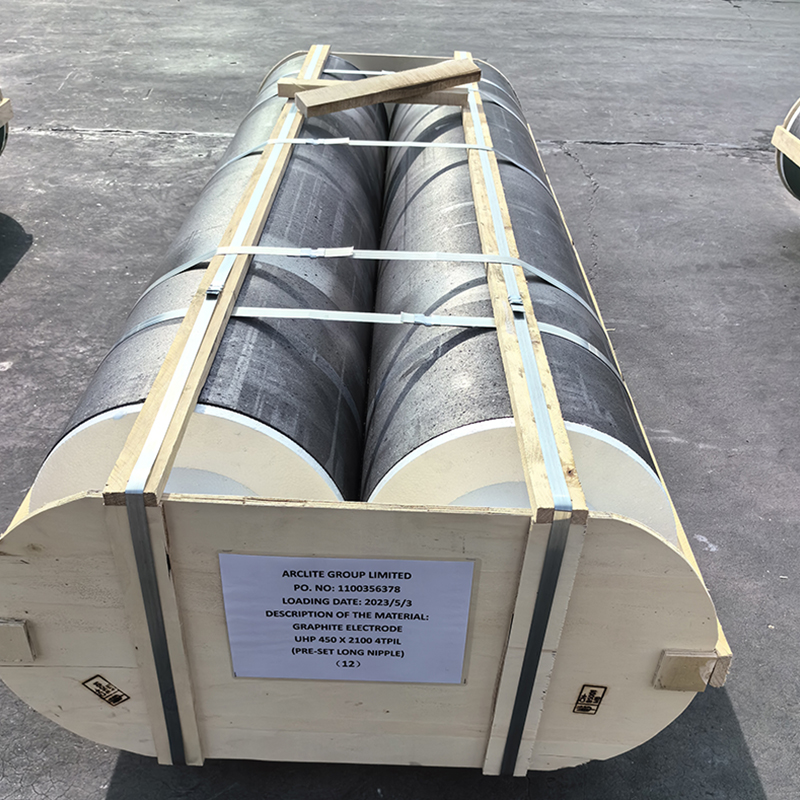 HP high power graphite electrode
 -
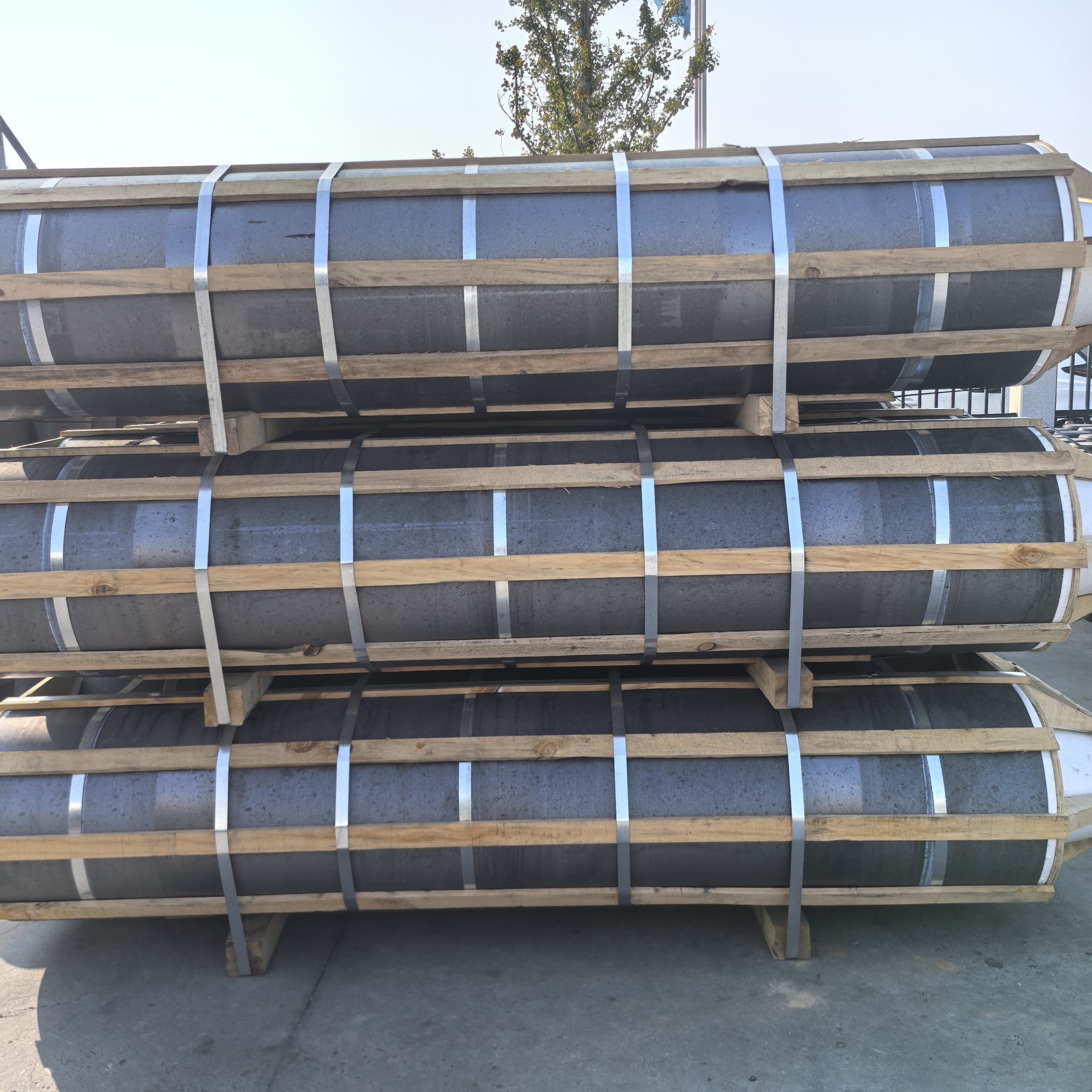 Ultra-High Power Graphite Electrode
 -
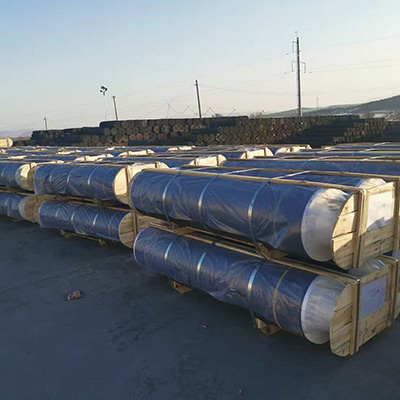 High-power graphite electrodes, 600 mm diameter, for export.
 -
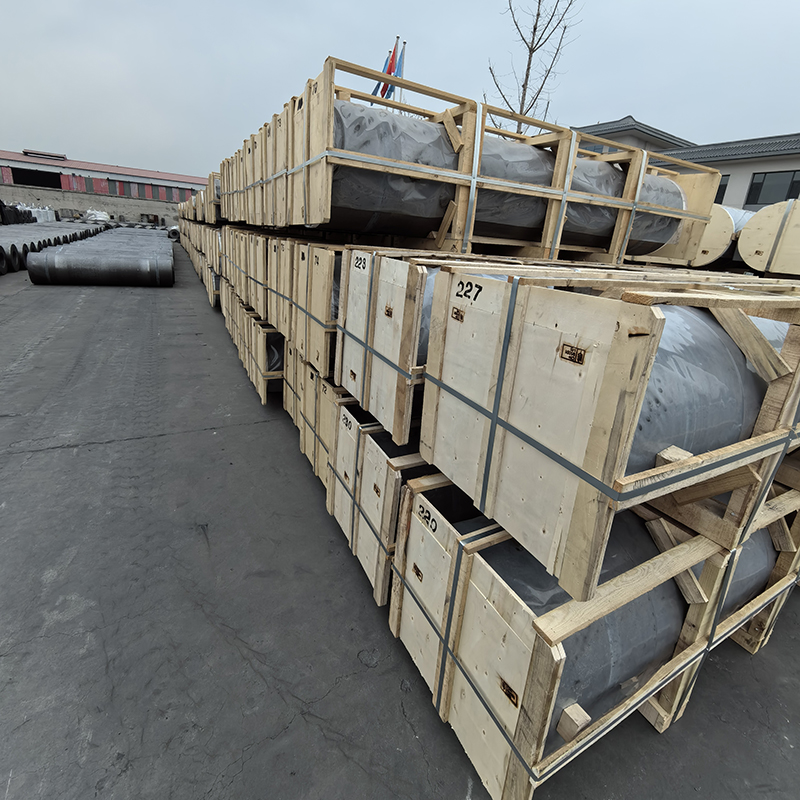 UHP ultra high power graphite electrode
 -
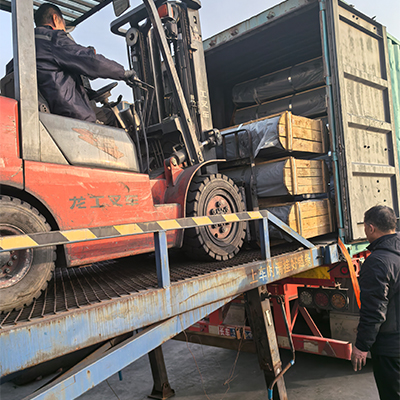 Factory direct sale! UHP ultra-high power electrodes, specifically designed for electric arc furnaces and refining furnaces.
 -
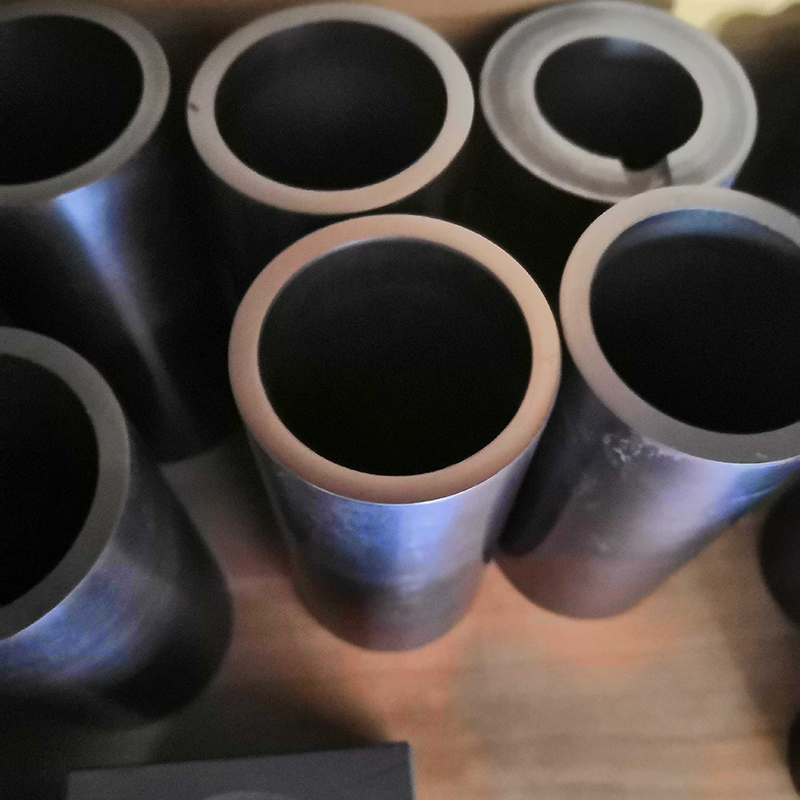 Graphite Crucible
 -
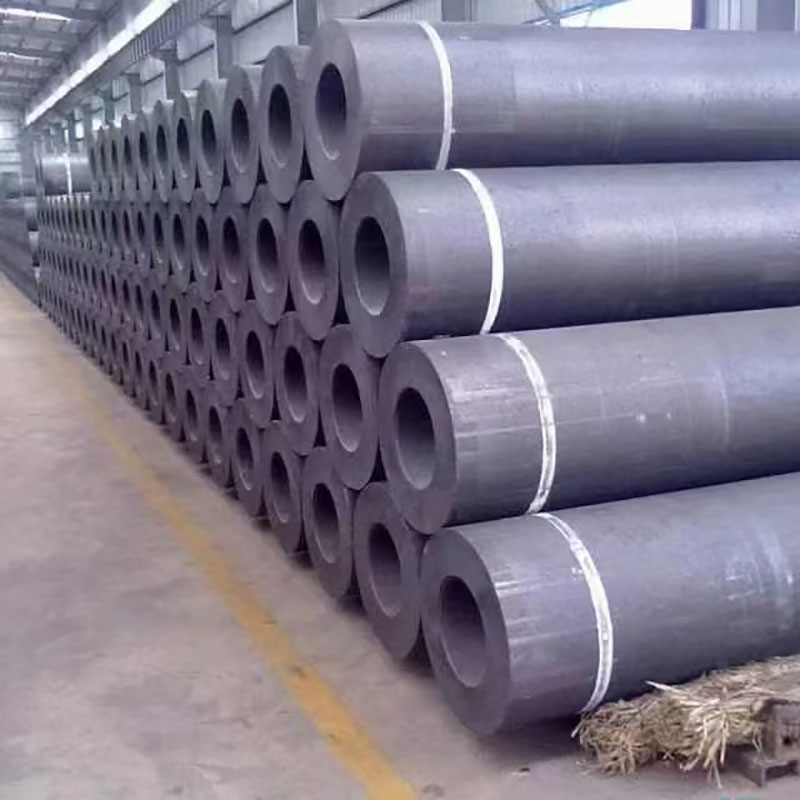 A supplier of graphite electrodes with a global distribution network.
 -
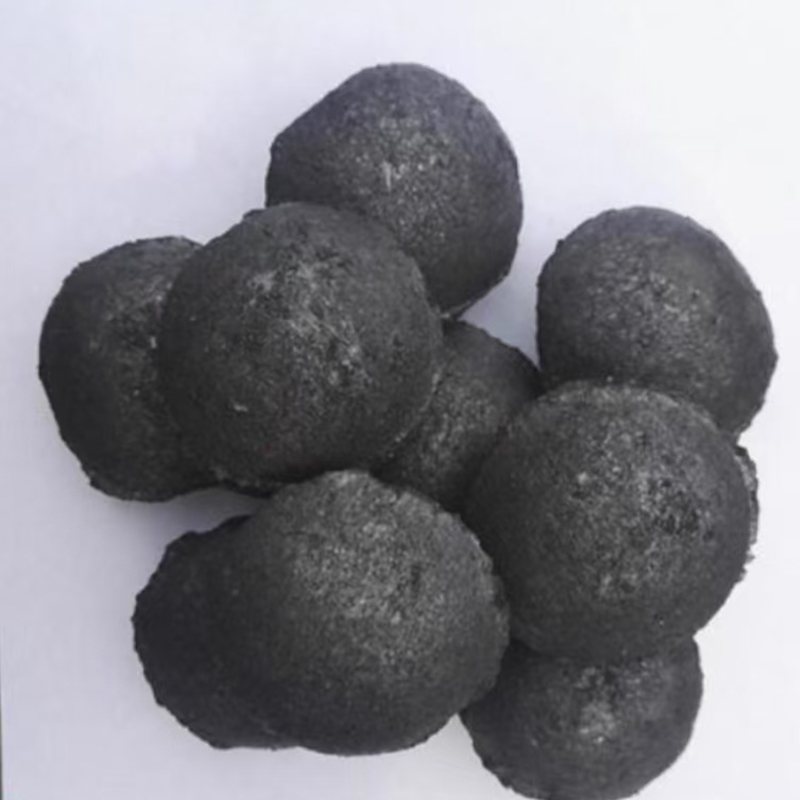 Spherical carburizer
 -
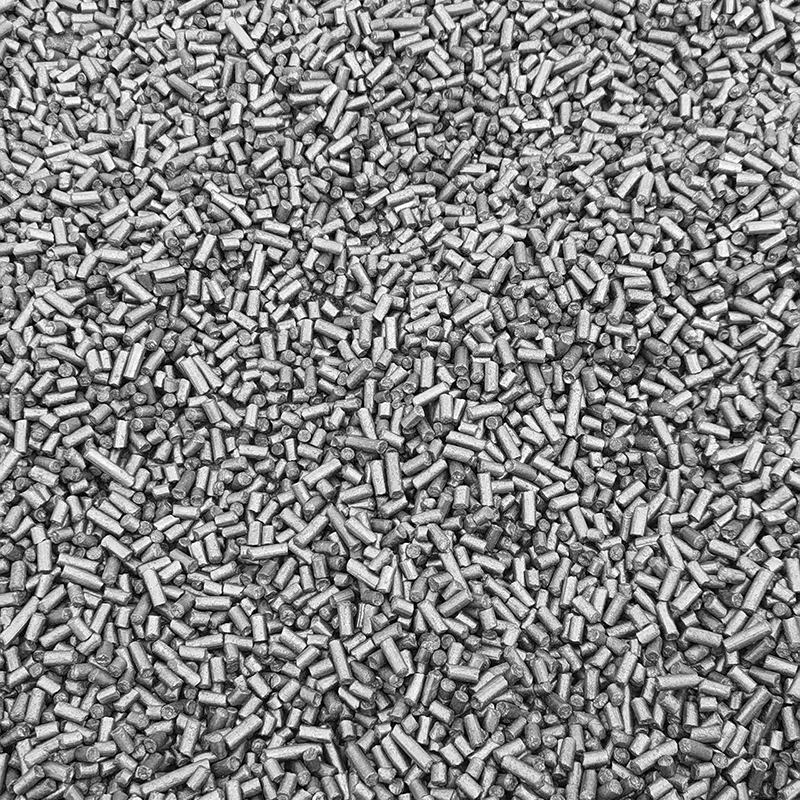 Columnar carburizer
 -
 Graphite plate
 -
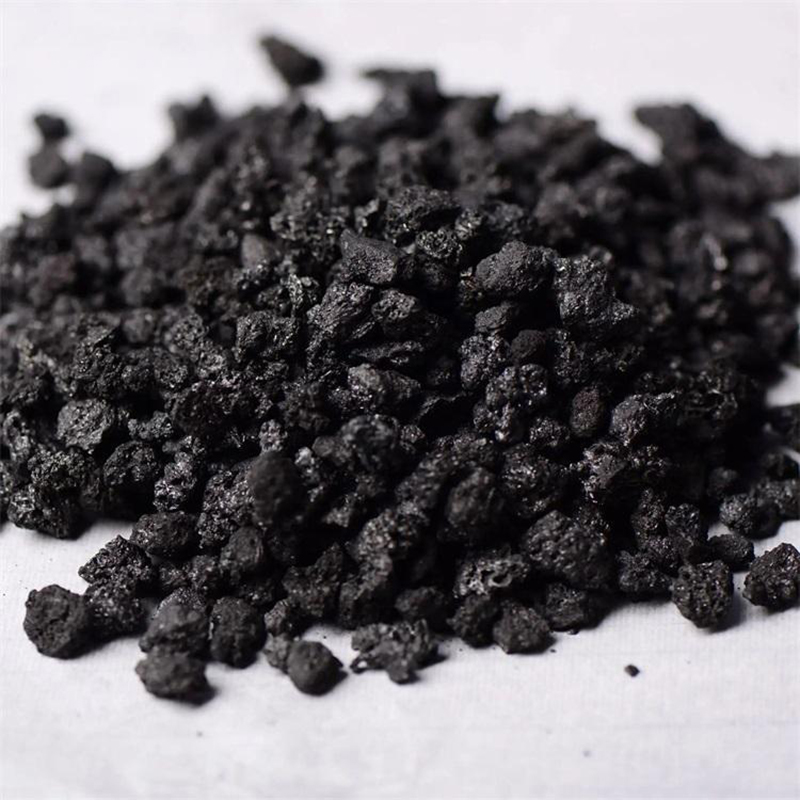 Granular carburizer
 -
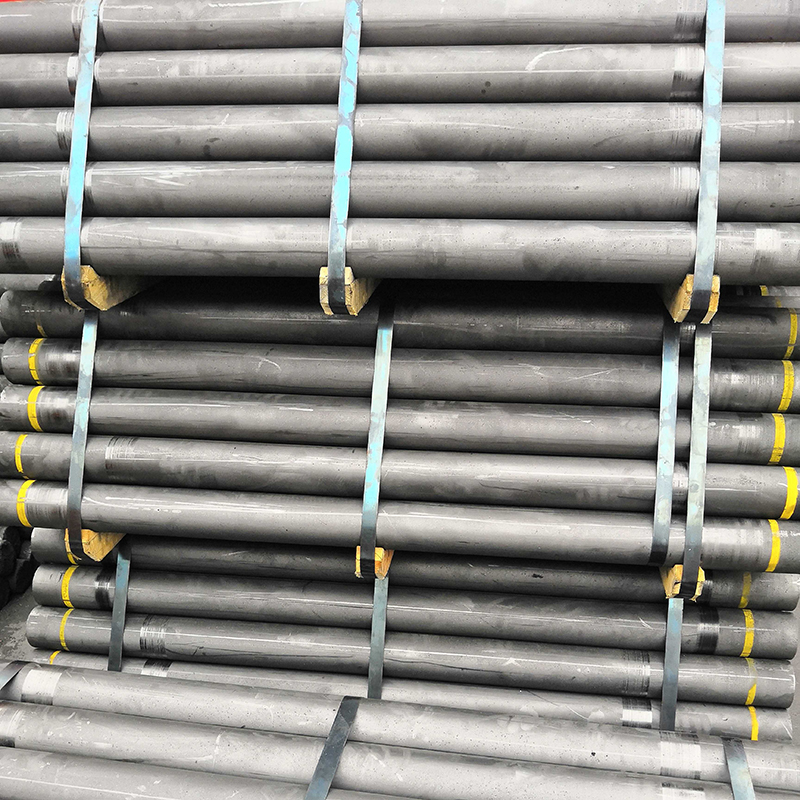 RP normal power graphite electrode
Related search
Related search- China graphite electrodes for steel making
- 1 kg graphite crucible supplier
- graphite electrodes for sale Manufacturer
- graphite plates for heat treating Manufacturer
- China large flake graphite
- graftech electrodes Manufacturer
- China graphite plates for fuel cells
- graphite electrodes
- graphite is used as electrode Manufacturer
- eaf graphite electrodes supplier