
- Chinese
- French
- German
- Portuguese
- Spanish
- Russian
- Japanese
- Korean
- Arabic
- Irish
- Greek
- Turkish
- Italian
- Danish
- Romanian
- Indonesian
- Czech
- Afrikaans
- Swedish
- Polish
- Basque
- Catalan
- Esperanto
- Hindi
- Lao
- Albanian
- Amharic
- Armenian
- Azerbaijani
- Belarusian
- Bengali
- Bosnian
- Bulgarian
- Cebuano
- Chichewa
- Corsican
- Croatian
- Dutch
- Estonian
- Filipino
- Finnish
- Frisian
- Galician
- Georgian
- Gujarati
- Haitian
- Hausa
- Hawaiian
- Hebrew
- Hmong
- Hungarian
- Icelandic
- Igbo
- Javanese
- Kannada
- Kazakh
- Khmer
- Kurdish
- Kyrgyz
- Latin
- Latvian
- Lithuanian
- Luxembou..
- Macedonian
- Malagasy
- Malay
- Malayalam
- Maltese
- Maori
- Marathi
- Mongolian
- Burmese
- Nepali
- Norwegian
- Pashto
- Persian
- Punjabi
- Serbian
- Sesotho
- Sinhala
- Slovak
- Slovenian
- Somali
- Samoan
- Scots Gaelic
- Shona
- Sindhi
- Sundanese
- Swahili
- Tajik
- Tamil
- Telugu
- Thai
- Ukrainian
- Urdu
- Uzbek
- Vietnamese
- Welsh
- Xhosa
- Yiddish
- Yoruba
- Zulu
- Kinyarwanda
- Tatar
- Oriya
- Turkmen
- Uyghur



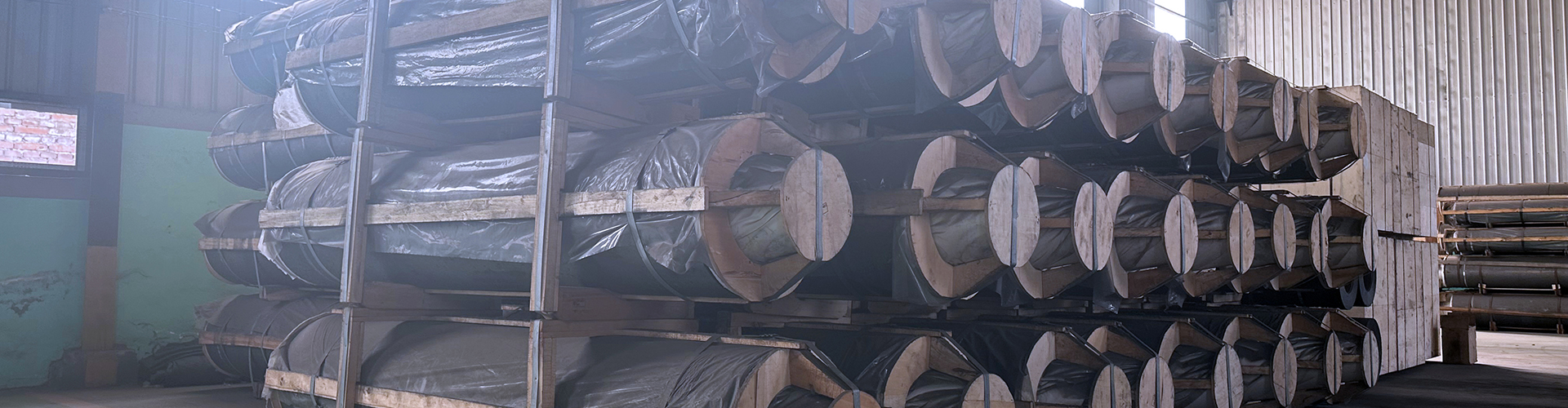
China coal tar products
The Dynamics of China Coal Tar Products
When it comes to China's industrial landscape, coal tar products play a crucial role, particularly in sectors like aluminum, electrode manufacturing, and road construction. Misunderstandings about their application can lead to inefficiencies. Many assume all coal tar products are similar, but the reality is nuanced with grades, treatments, and specific uses diversifying the market.
Understanding Coal Tar Derivatives
In my experience, a fundamental distinction often overlooked is between raw coal tar and its refined products. The processing varies significantly, influencing the end applications. Crude coal tar, for example, is just a stepping stone. Through distillation processes, it evolves into useful derivatives like pitch, oils, and naphthalene.
A common pitfall is ignoring the specific properties of these derivatives. For industries like aluminum smelting, the nuances in pitch quality can impact the final product considerably. Having been involved in supply chain assessments, overlooking these subtleties can result in a mismatch between cost and quality.
Another interesting observation: while China is a leader in production, the refinement and application standards vary widely. The more developed regions have adapted newer technologies, providing better quality assurance, something that industries should capitalize on.
The Role of Hebei Yaofa Carbon Co., Ltd.
Enter Hebei Yaofa Carbon Co., Ltd. (https://www.yaofatansu.com), a notable player with over two decades of experience. It's a company that’s navigated the complexities of the market by focusing on quality.
Located in China, they offer a range of carbon materials, including carbon additives and graphite electrodes. Their specialization in producing refined additives like CPC and GPC speaks volumes about their expertise. These products, crucial in metallurgy and other industrial applications, are created with a keen eye on quality and efficiency.
Understanding their role in the carbon sector gives valuable insights into how China positions itself as a dominant force in coal tar product distribution. Their emphasis on R&D is what sets them apart, continually innovating to meet industry demands.
Applications in Various Industries
Coal tar products find versatile applications across industries. In my direct involvement with road construction projects, I've seen the substantial impact of using high-grade pitch as a binding agent in asphalt, enhancing durability and longevity.
Moreover, the aluminum industry benefits significantly from these products. The carbon materials from Hebei Yaofa Carbon Co., Ltd. optimally enhance the efficiency of the electrolysis process in aluminum smelting, a critical insight for suppliers looking to refine their processes.
However, challenges arise in terms of compliance and environmental sustainability. The push towards more eco-friendly production methods is intensifying. It's an issue that companies like Hebei Yaofa need to constantly innovate upon, balancing output with corporate responsibility.
Challenges in the Supply Chain
Diving into the supply chain intricacies, logistics emerge as a critical concern. For international clients, understanding local distribution networks in China becomes vital. This isn't just about moving products; it's about timing and efficiency to ensure the refined coal tar products reach end-users in prime condition.
Handling quality consistency is another hurdle. The diverse processing capabilities across regions mean that uniform product standards can be challenging to maintain, impacting the trust in supplier-client relationships. Experience in procurement tells us that vetting and maintaining supplier standards is a step that cannot be shortcut.
Engaging with a reputable supplier like Hebei Yaofa Carbon Co., Ltd. helps mitigate some of these challenges, given their strong foothold and experience in the industry.
The Future of Coal Tar Products
Looking ahead, the future of coal tar products in China remains robust, albeit with necessary adaptations. Eco-friendly production and compliance with international regulations are areas gaining traction, pushing for advances in refinery technologies and production methods.
For companies like Hebei Yaofa Carbon Co., Ltd., this means continual upgrades in both equipment and processes. Their proactive stance in adopting greener practices helps them stay ahead in a competitive market, setting benchmarks that others may follow.
The bottom line? For industry insiders, understanding these shifts and aligning with forward-thinking partners is key to staying relevant. The market isn't just about production; it's about innovation, sustainability, and a firm commitment to quality, elements that experienced players like Hebei Yaofa embody.
Related products
Related products
Best selling products
Best selling products-
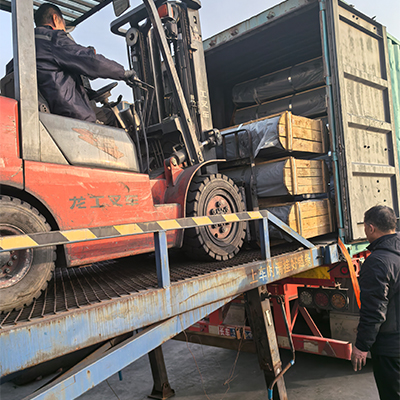 Factory direct sale! UHP ultra-high power electrodes, specifically designed for electric arc furnaces and refining furnaces.
 -
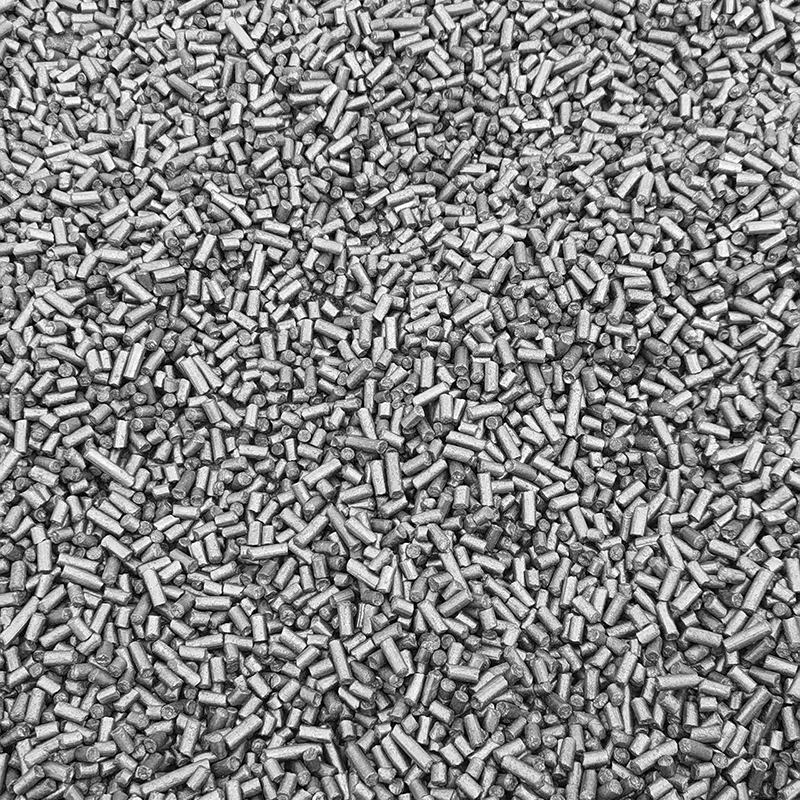 Columnar carburizer
 -
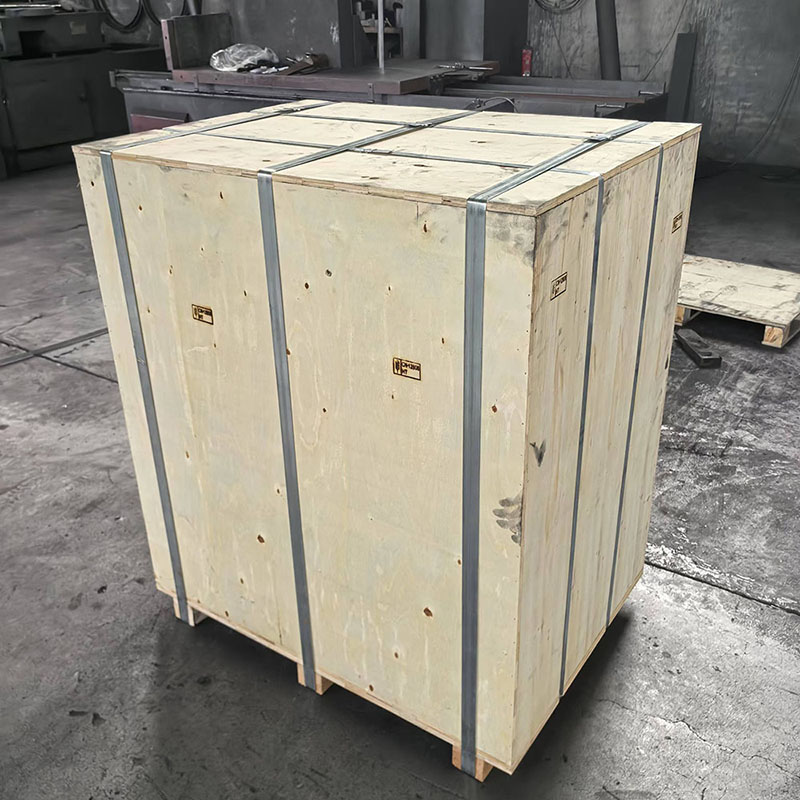 Graphite plate
 -
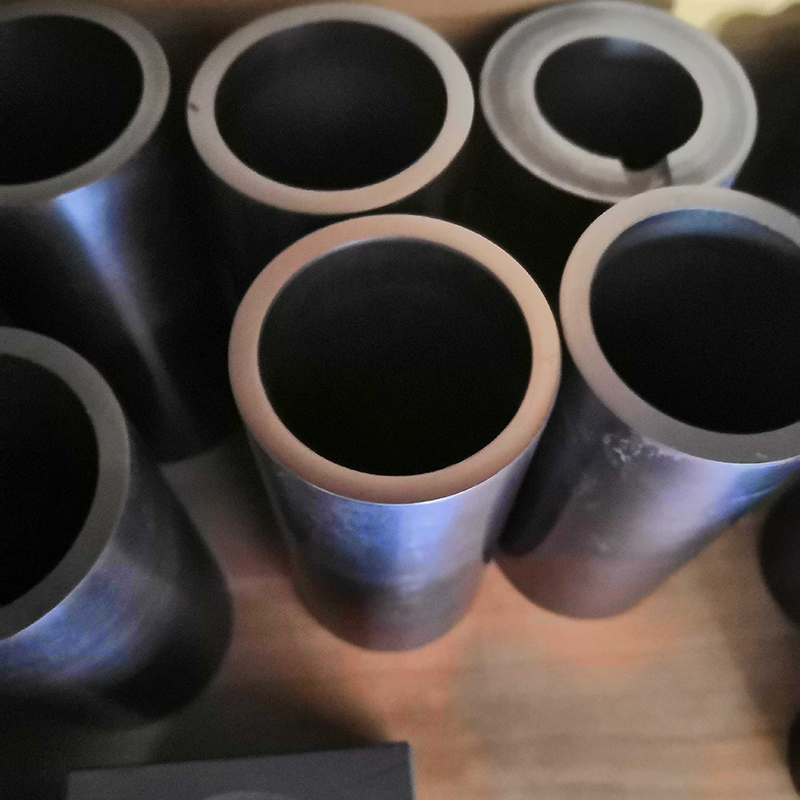 Graphite Crucible
 -
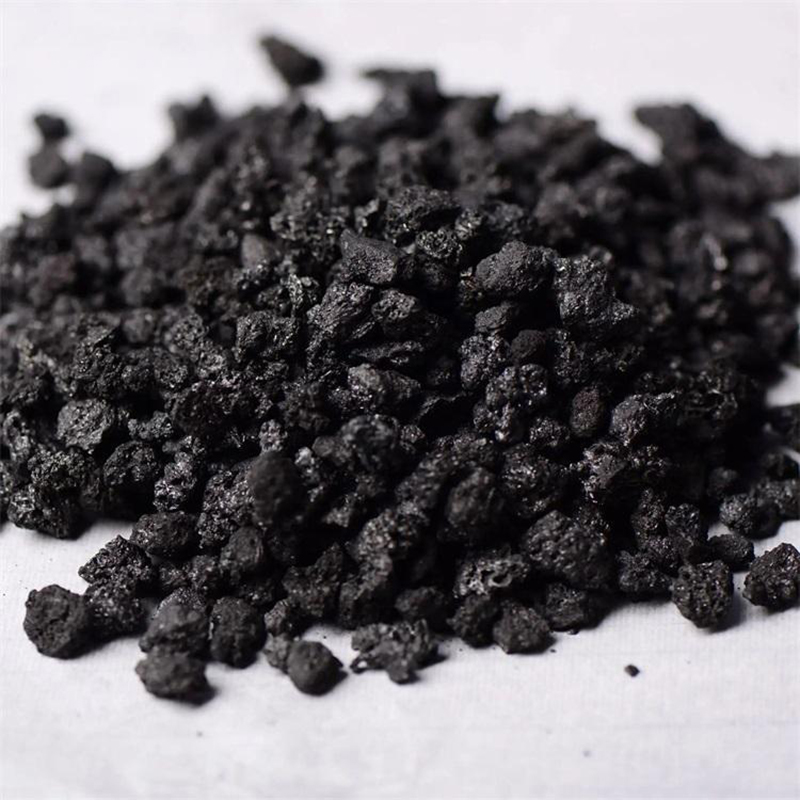 Granular carburizer
 -
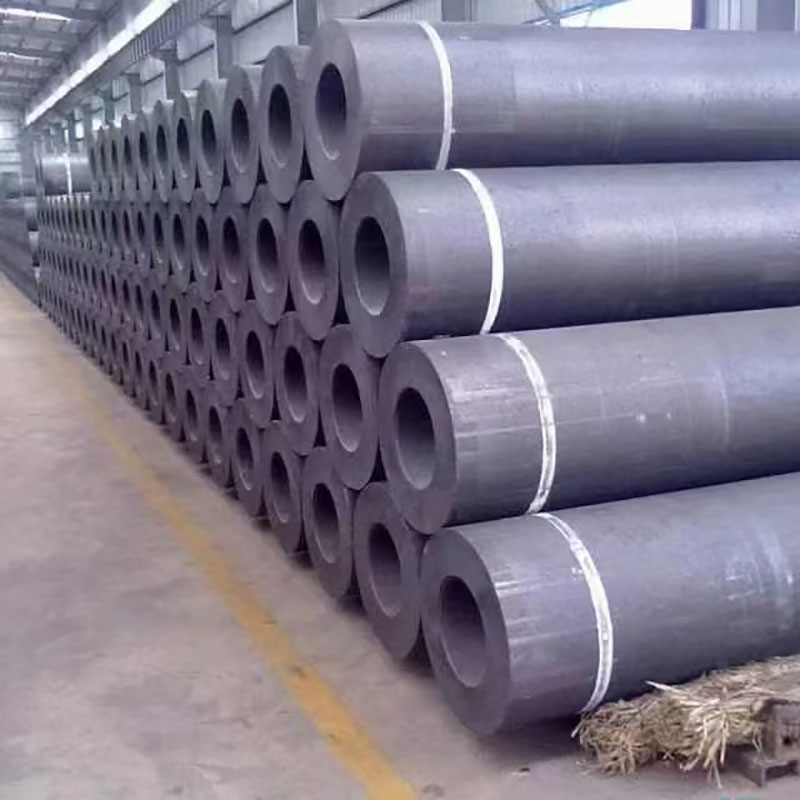 A supplier of graphite electrodes with a global distribution network.
 -
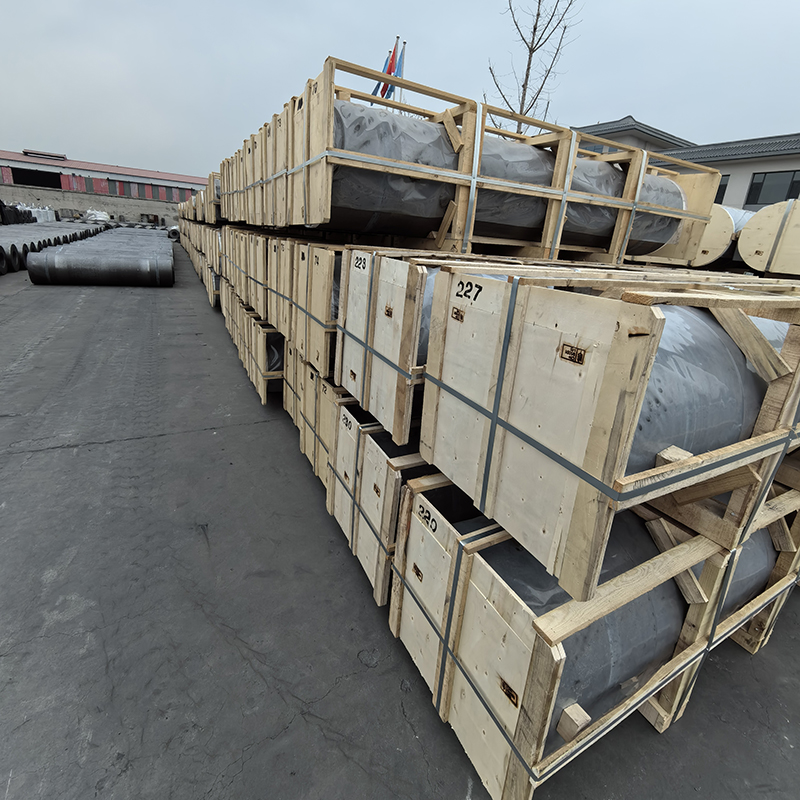 UHP ultra high power graphite electrode
 -
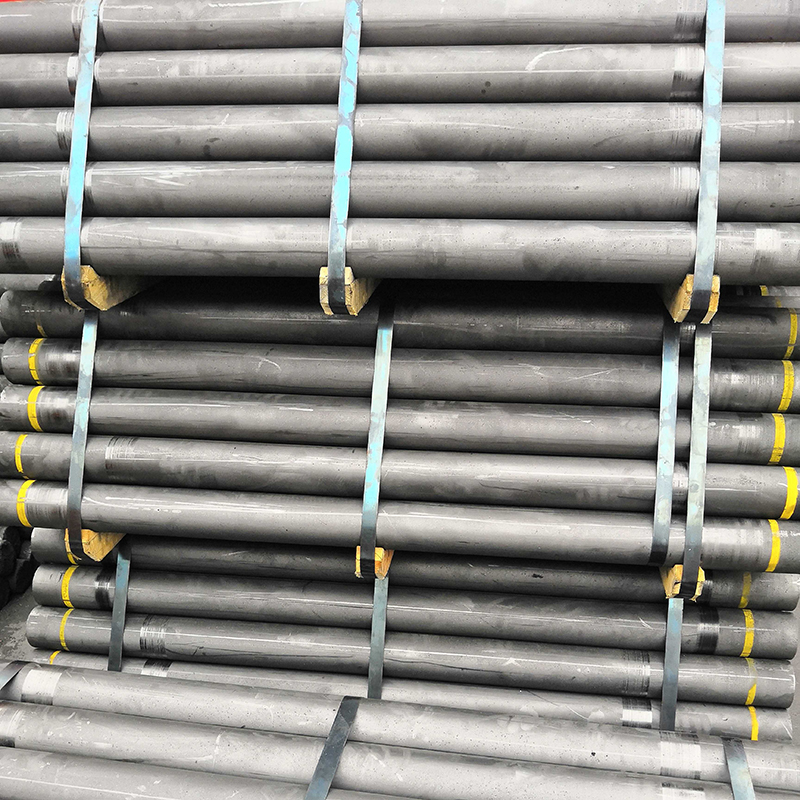 RP normal power graphite electrode
 -
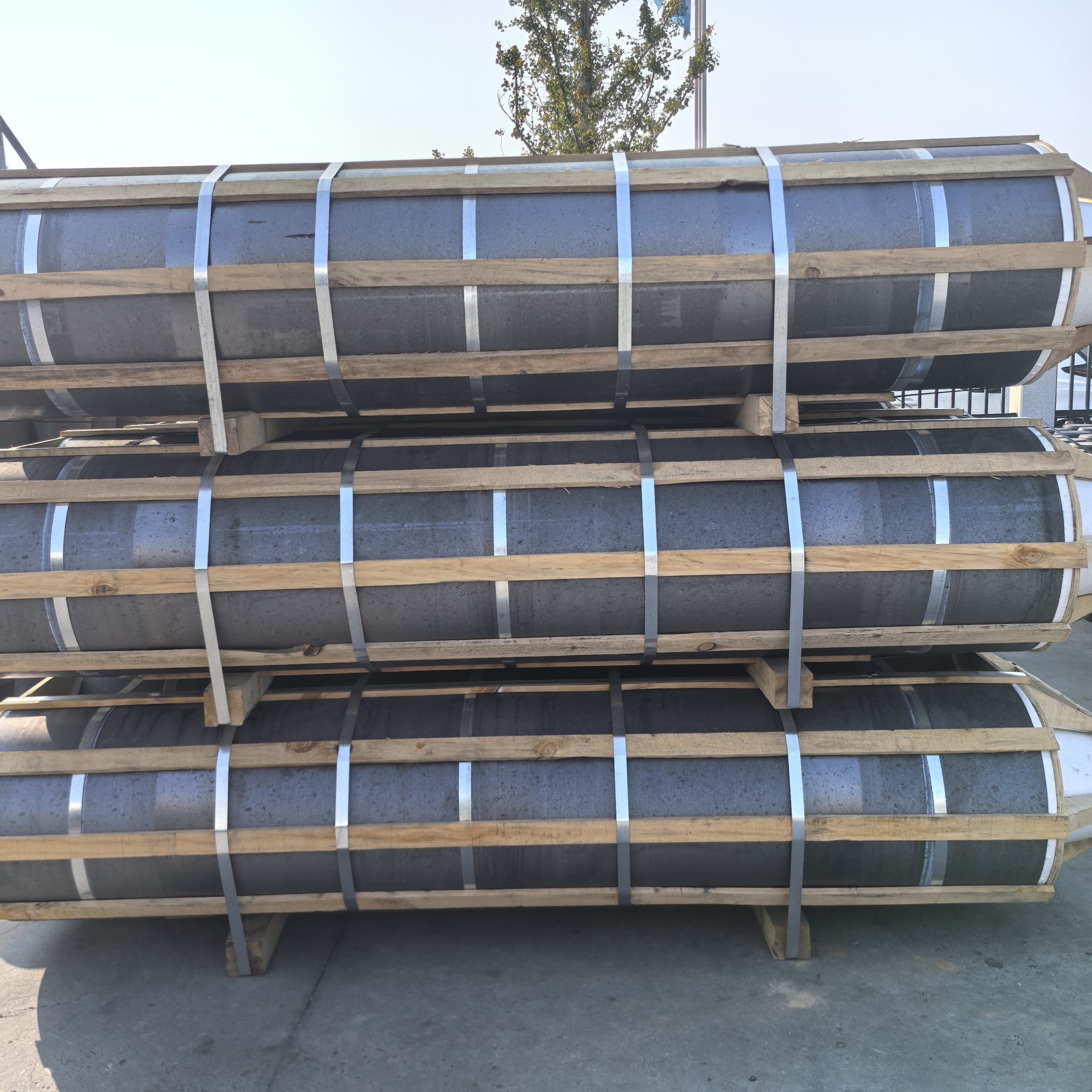 Ultra-High Power Graphite Electrode
 -
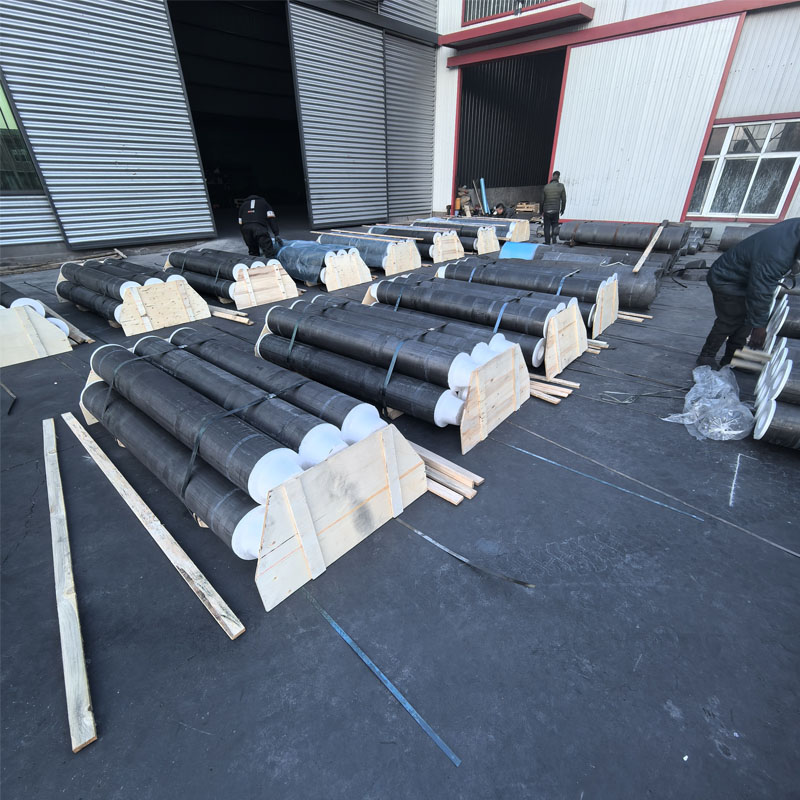 High-power graphite electrode rods, specifically for steelmaking and refining. In stock and ready for immediate shipment. Bulk orders receive discounted pricing.
 -
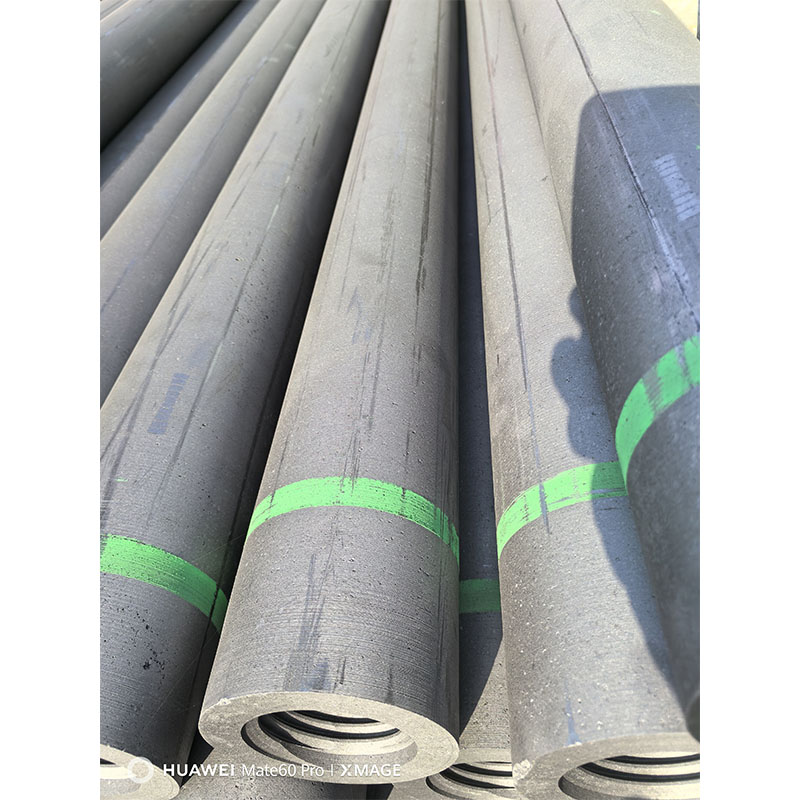 High-power graphite electrode anti-oxidation coating: high temperature resistance, wear protection, and extended electrode lifespan.
 -
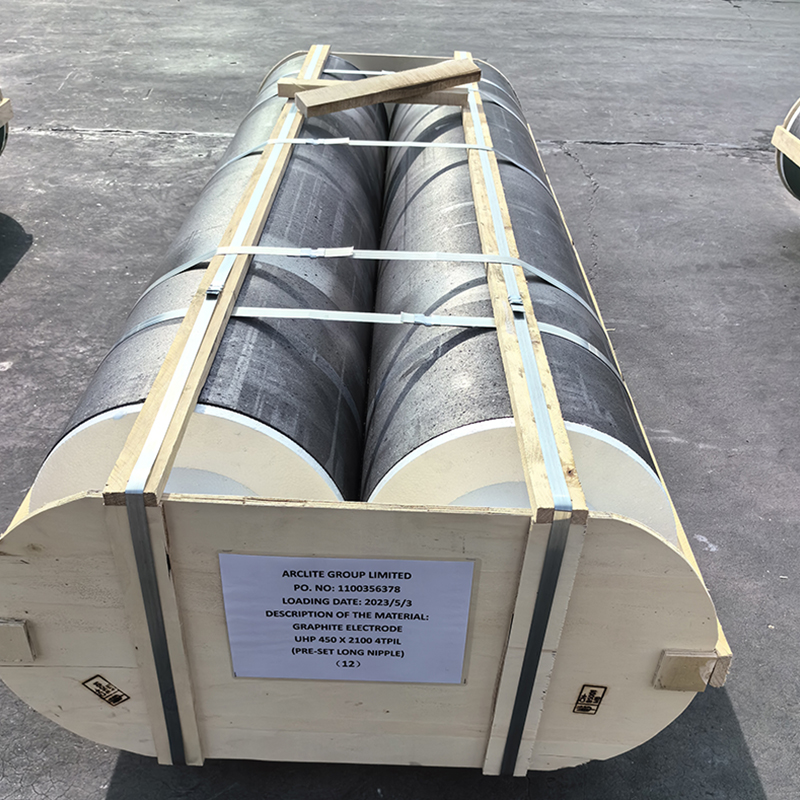 HP high power graphite electrode
Related search
Related search- China uhp graphite electrode price
- diy clay graphite crucible factory
- HP graphite electrode
- graphite electrode price per kg supplier
- innovative bus stop design
- shp graphite electrode manufacturer
- Customizable tongs Manufacturer
- High purity graphite tongs supplier
- graphite foundry crucibles supplier
- graphite surface plate factory