
- Chinese
- French
- German
- Portuguese
- Spanish
- Russian
- Japanese
- Korean
- Arabic
- Irish
- Greek
- Turkish
- Italian
- Danish
- Romanian
- Indonesian
- Czech
- Afrikaans
- Swedish
- Polish
- Basque
- Catalan
- Esperanto
- Hindi
- Lao
- Albanian
- Amharic
- Armenian
- Azerbaijani
- Belarusian
- Bengali
- Bosnian
- Bulgarian
- Cebuano
- Chichewa
- Corsican
- Croatian
- Dutch
- Estonian
- Filipino
- Finnish
- Frisian
- Galician
- Georgian
- Gujarati
- Haitian
- Hausa
- Hawaiian
- Hebrew
- Hmong
- Hungarian
- Icelandic
- Igbo
- Javanese
- Kannada
- Kazakh
- Khmer
- Kurdish
- Kyrgyz
- Latin
- Latvian
- Lithuanian
- Luxembou..
- Macedonian
- Malagasy
- Malay
- Malayalam
- Maltese
- Maori
- Marathi
- Mongolian
- Burmese
- Nepali
- Norwegian
- Pashto
- Persian
- Punjabi
- Serbian
- Sesotho
- Sinhala
- Slovak
- Slovenian
- Somali
- Samoan
- Scots Gaelic
- Shona
- Sindhi
- Sundanese
- Swahili
- Tajik
- Tamil
- Telugu
- Thai
- Ukrainian
- Urdu
- Uzbek
- Vietnamese
- Welsh
- Xhosa
- Yiddish
- Yoruba
- Zulu
- Kinyarwanda
- Tatar
- Oriya
- Turkmen
- Uyghur



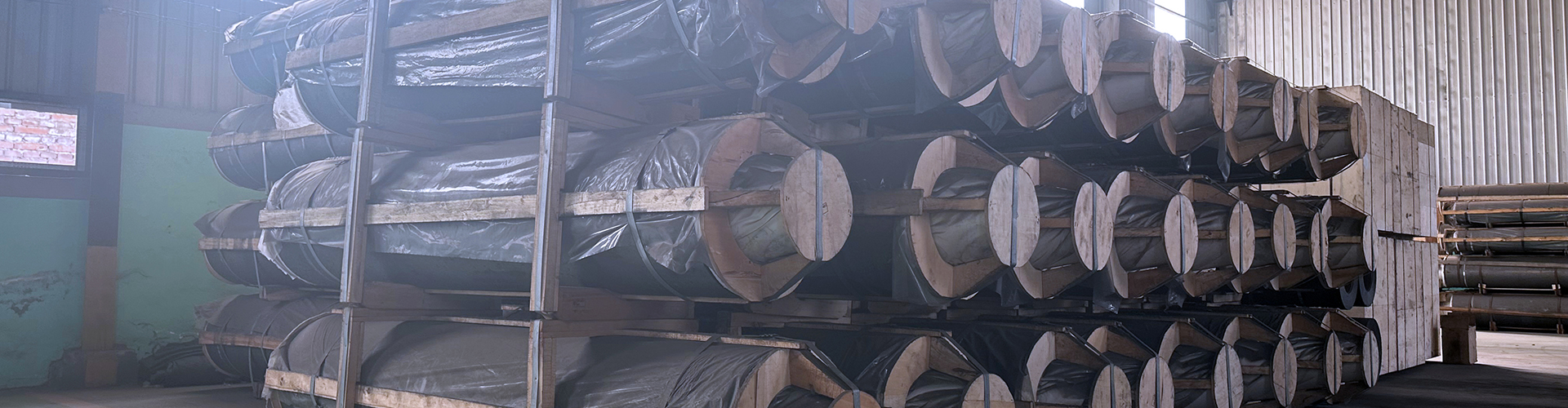
China Electrode recarburizer
The Expertise Behind China's Electrode Recarburizer
When it comes to the intricate world of carbon materials, few topics incur as much debate and scrutiny as the production and application of electrode recarburizers in China. On the surface, it might seem straightforward—just one component in the vast sea of metallurgical processes. But dig a little deeper, and you'll find a labyrinth of technical considerations, economic factors, and genuine human expertise that makes this industry tick.
Understanding Electrode Recarburizers
At the heart of it, electrode recarburizers are designed to adjust carbon content in steel production. They sound simple, but the quality and efficiency of these materials can have profound implications. For instance, in my experience, not all recarburizers are created equal. Tiny variations in composition or impurity levels can shift a perfect batch into a costly error. What's more, selecting the right type depends heavily on the metallic baseline you start with and the specific output requirements you aim to meet.
I once collaborated with a steel production facility that was struggling with carbon consistency. It turned out, the recarburizer they used was introducing unintended variables into the process—a prime example of how critical quality control is. Companies like Hebei Yaofa Carbon Co., Ltd. have honed their manufacturing processes to mitigate such risks, ensuring that their products, such as CPC and GPC, maintain high standards of purity and consistency.
The challenge, from what I've seen, often lies in aligning production capabilities with what the client truly needs, and that requires a fair bit of customization. Having more than 20 years in the field, Hebei Yaofa Carbon Co., Ltd. exemplifies how experience can drive product evolution and client satisfaction.
Navigating Quality Challenges
Quality control is a recurring theme here. In practice, ensuring the quality of electrode recarburizers is a multi-step process involving meticulous raw material selection and precise manufacturing techniques. I've observed facilities where the quality control protocols are so thorough, they even account for the minutiae of transportation conditions, which might affect consistency.
The role that Hebei Yaofa plays as a large carbon manufacturer in China is pivotal. Their dedication to high-grade products like UHP/HP/RP grade graphite electrodes reflects an industry-wide need for components that can withstand China’s rigorous industrial demands.
This focus on quality is not just about meeting specifications—it's about anticipating and solving potential issues before they spiral into larger problems. It calls for a proactive mindset that appreciates the symbiotic relationship between production intricacies and end-use applications.
Application Insights
One of the lesser-discussed, yet equally important aspects of utilizing electrode recarburizers is their adaptability across various metallurgical processes. The adaptability can be a game-changer for large-scale operations. What was crucial, during a recent metallurgical review I participated in, was how different mixtures of carbon additives could precisely tweak the elemental composition of steel to match client specifications.
This is where having options, such as the variety offered by companies like Hebei Yaofa, becomes invaluable. Their product portfolio allows manufacturers to fine-tune their approach to meet both standard and unique requirements. It's not just about providing a product, but delivering a tailored solution.
However, successful adaptation requires clear communication and detailed understanding between supplier and client—a recurring theme that often separates successful projects from faltering ones. It's about partnerships as much as processes.
Market Trends and Innovations
Looking at the broader landscape, innovations in material science continuously push the envelope for what’s possible with carbon-based technology. The market dynamics, as I track them, indicate a growing trend towards sustainability and efficiency. Recarburizers play a subtle but vital role in this transition by enabling cleaner, more efficient steel production techniques.
For instance, I’ve noticed an uptick in research efforts aimed at enhancing the thermal resistance and conductivity of graphite electrodes. This goes hand-in-hand with the innovations seen from established players like Hebei Yaofa, who focus on producing materials that not only meet today’s needs but are also positioned to address future demands.
In practical terms, getting ahead in this field requires continuous learning and adaptation. It's somewhat of a balancing act between leveraging proven techniques and exploring novel solutions.
Future Prospects in the Industry
The future of electrode recarburizers and related technologies in China seems ripe with opportunity and challenges. As global demand for steel continues to rise, so does the need for reliable and high-quality carbon additives.
China’s role in the global supply chain is pivotal, and competitors globally watch closely how companies like Hebei Yaofa Carbon Co., Ltd. innovate and operate. Their approach embodies a balance of tradition and forward-thinking—a dual strategy that could well define the industry’s trajectory in the years to come.
In conclusion, while the world moves towards automation and digital integration, the essence of successful electrode recarburizer production lies in the blend of seasoned expertise and strategic innovation. It's a nuanced dance of mastering the now while preparing for what's next, crucial for anyone truly invested in the future of carbon materials.
Related products
Related products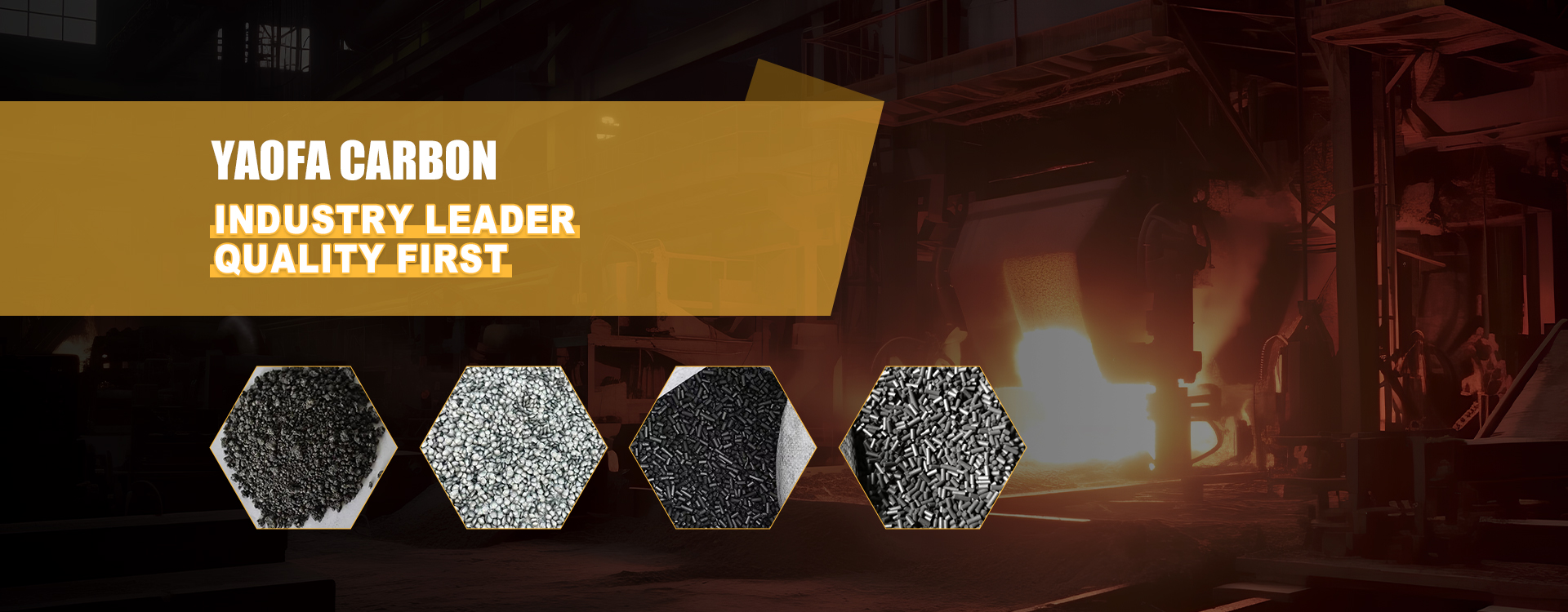
Best selling products
Best selling products-
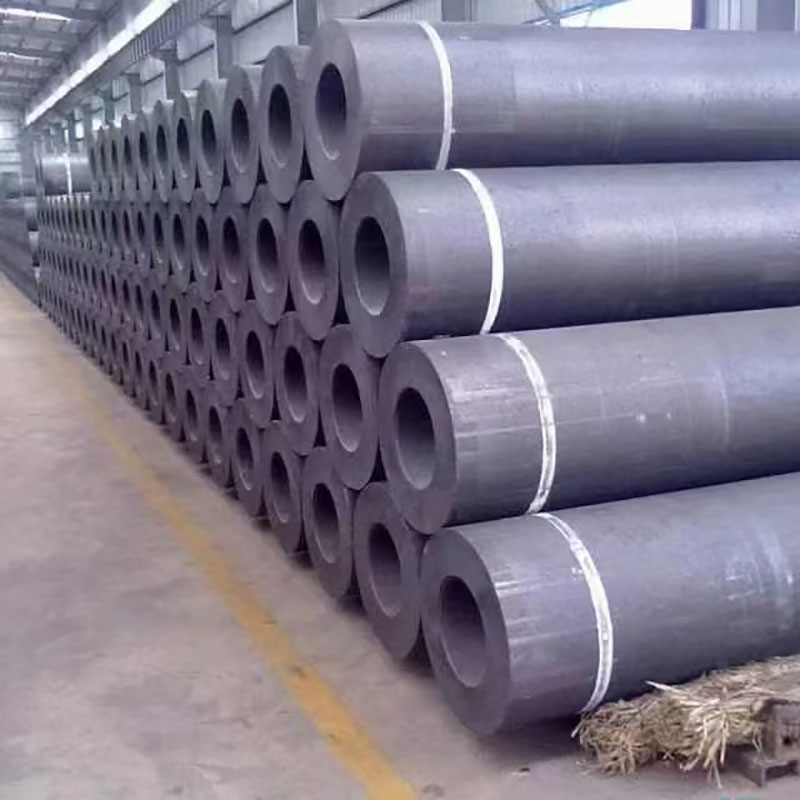 A supplier of graphite electrodes with a global distribution network.
 -
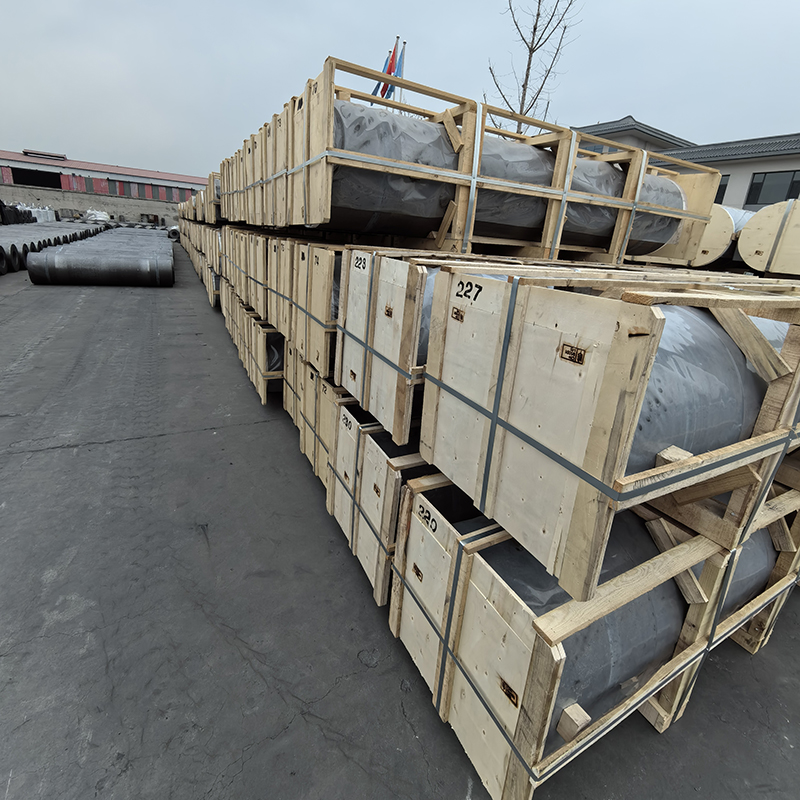 UHP ultra high power graphite electrode
 -
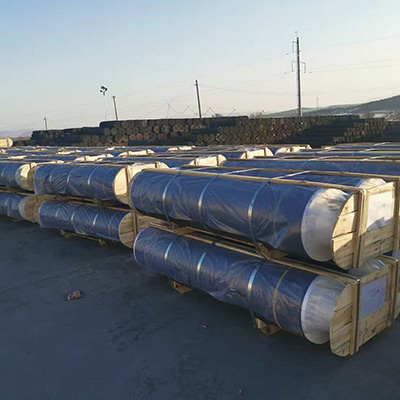 High-power graphite electrodes, 600 mm diameter, for export.
 -
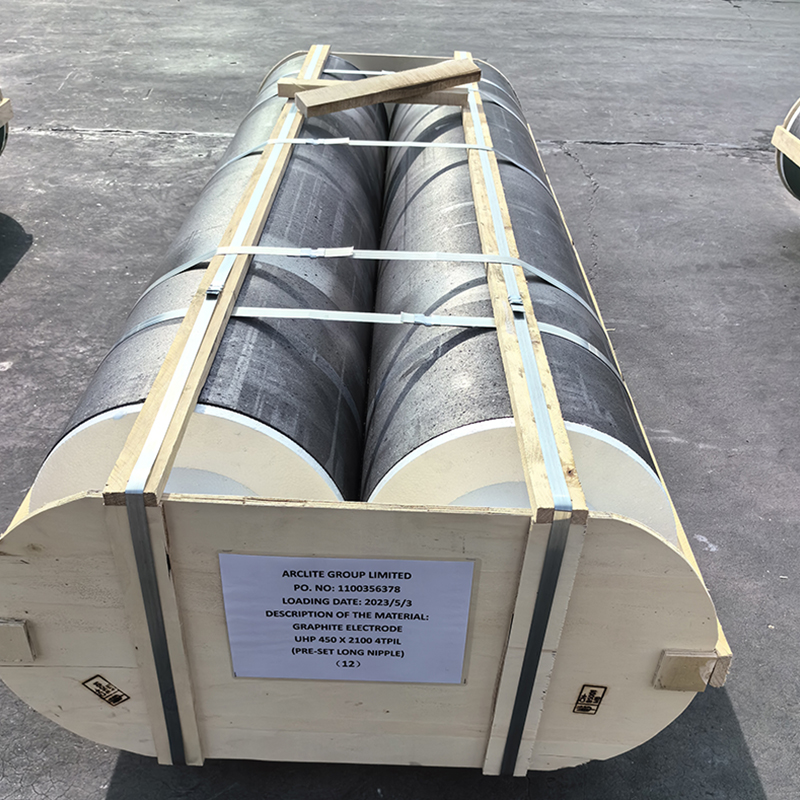 HP high power graphite electrode
 -
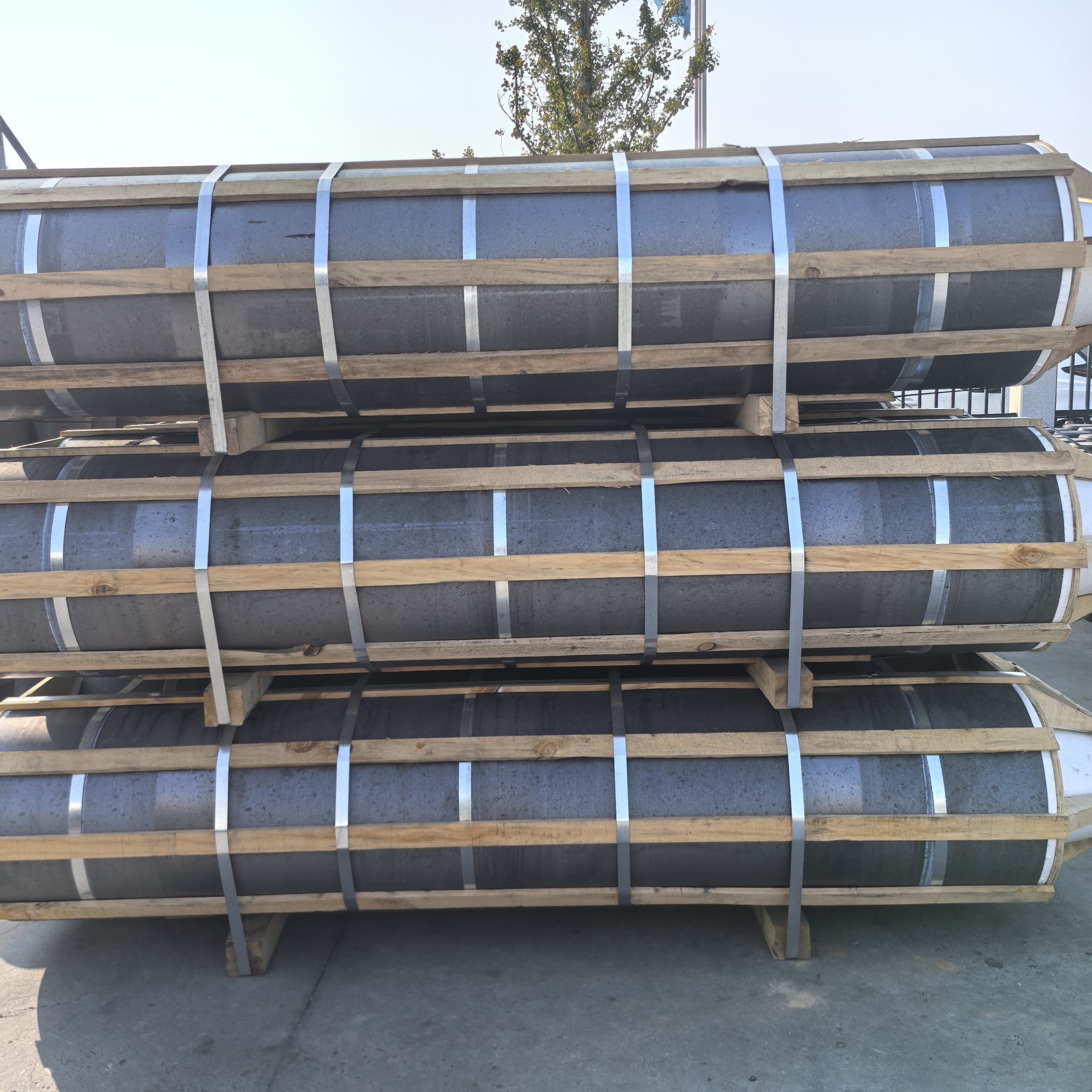 Ultra-High Power Graphite Electrode
 -
 Graphite plate
 -
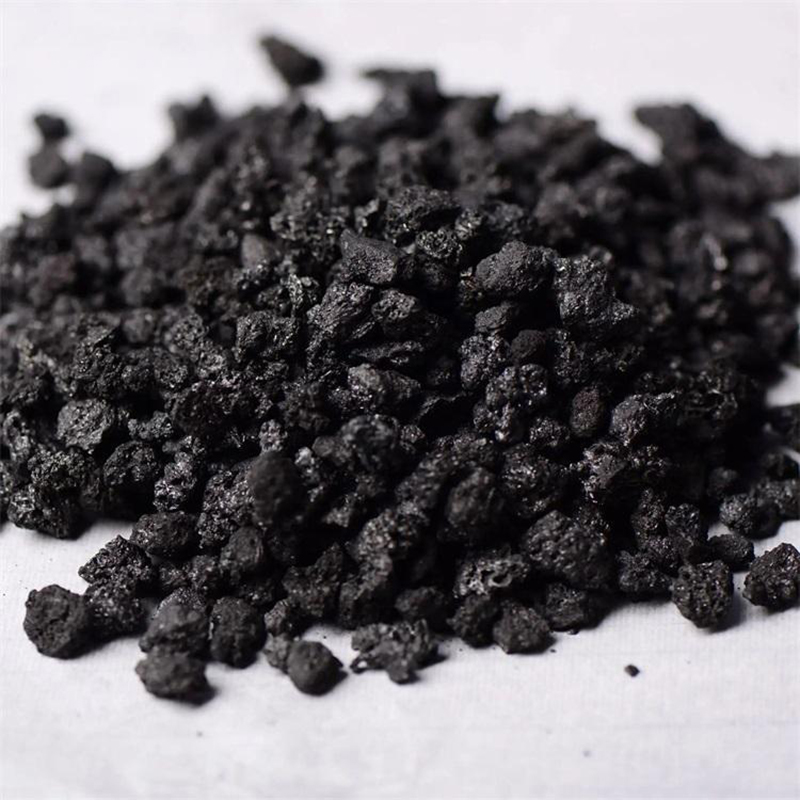 Granular carburizer
 -
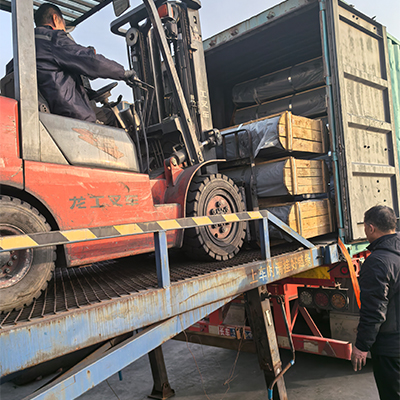 Factory direct sale! UHP ultra-high power electrodes, specifically designed for electric arc furnaces and refining furnaces.
 -
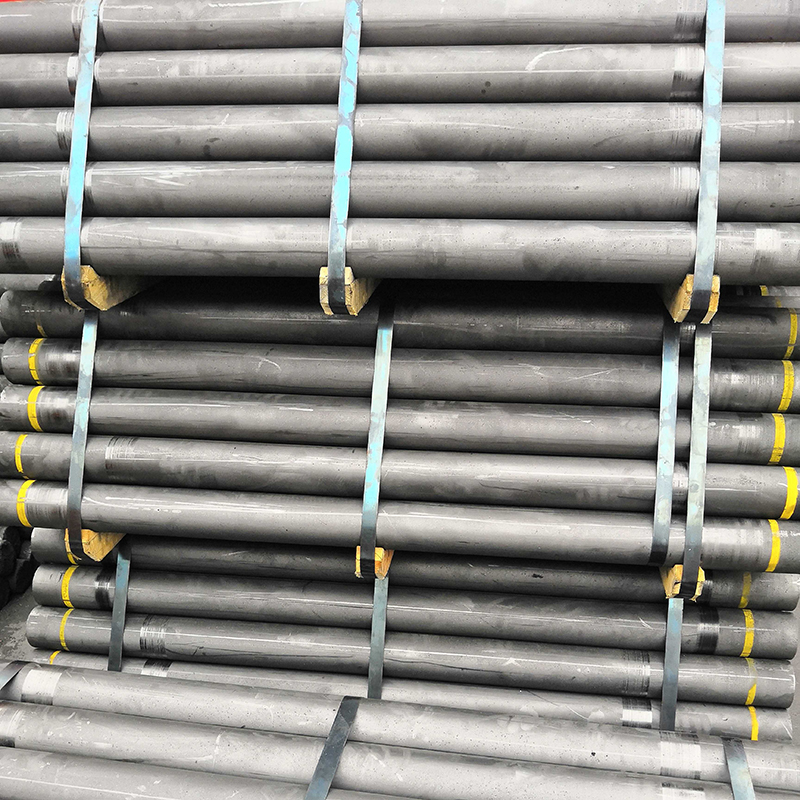 RP normal power graphite electrode
 -
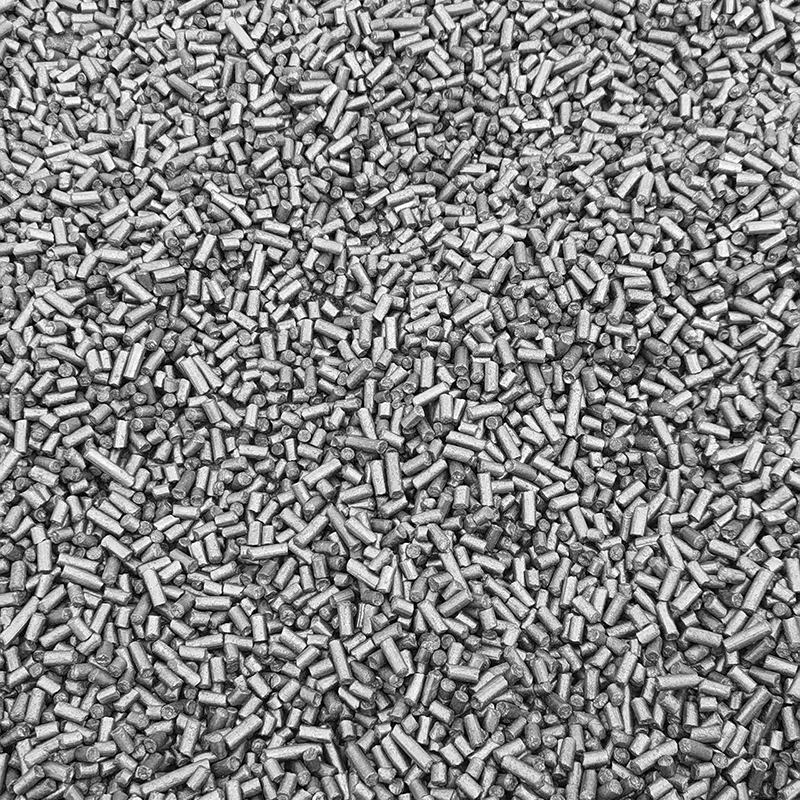 Columnar carburizer
 -
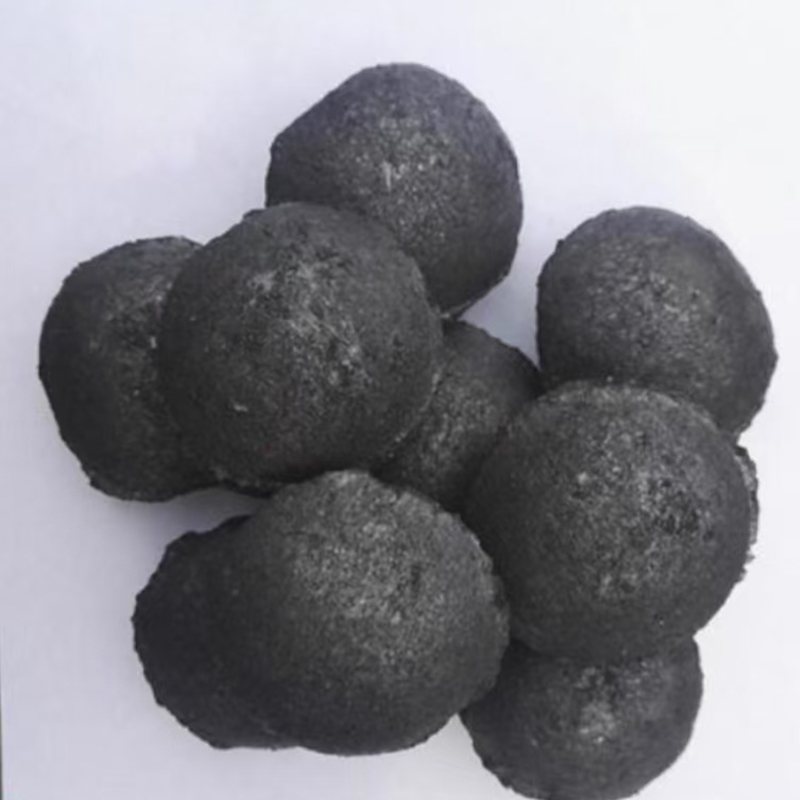 Spherical carburizer
 -
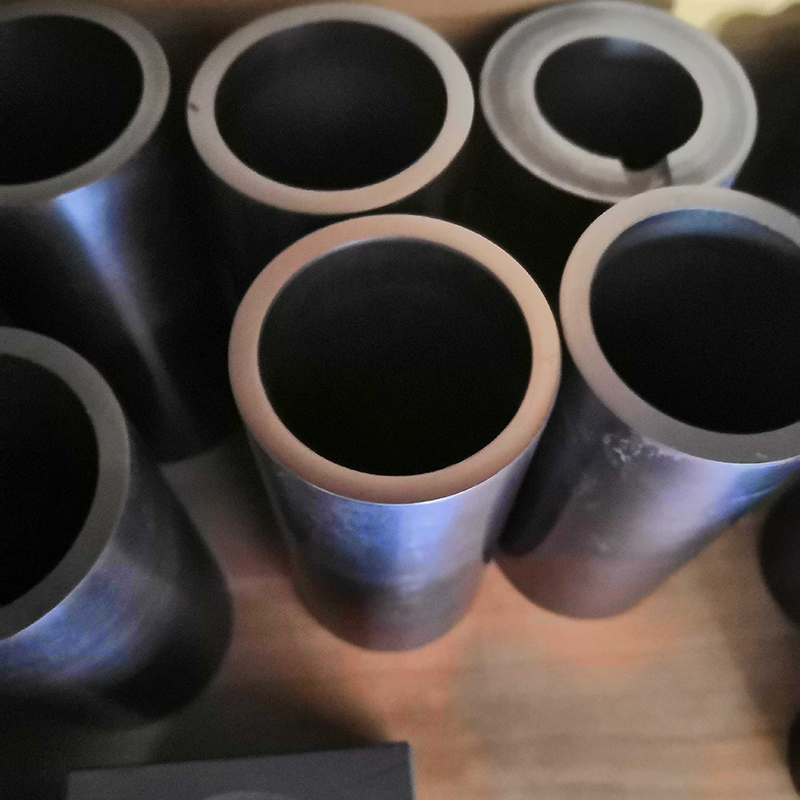 Graphite Crucible