
- Chinese
- French
- German
- Portuguese
- Spanish
- Russian
- Japanese
- Korean
- Arabic
- Irish
- Greek
- Turkish
- Italian
- Danish
- Romanian
- Indonesian
- Czech
- Afrikaans
- Swedish
- Polish
- Basque
- Catalan
- Esperanto
- Hindi
- Lao
- Albanian
- Amharic
- Armenian
- Azerbaijani
- Belarusian
- Bengali
- Bosnian
- Bulgarian
- Cebuano
- Chichewa
- Corsican
- Croatian
- Dutch
- Estonian
- Filipino
- Finnish
- Frisian
- Galician
- Georgian
- Gujarati
- Haitian
- Hausa
- Hawaiian
- Hebrew
- Hmong
- Hungarian
- Icelandic
- Igbo
- Javanese
- Kannada
- Kazakh
- Khmer
- Kurdish
- Kyrgyz
- Latin
- Latvian
- Lithuanian
- Luxembou..
- Macedonian
- Malagasy
- Malay
- Malayalam
- Maltese
- Maori
- Marathi
- Mongolian
- Burmese
- Nepali
- Norwegian
- Pashto
- Persian
- Punjabi
- Serbian
- Sesotho
- Sinhala
- Slovak
- Slovenian
- Somali
- Samoan
- Scots Gaelic
- Shona
- Sindhi
- Sundanese
- Swahili
- Tajik
- Tamil
- Telugu
- Thai
- Ukrainian
- Urdu
- Uzbek
- Vietnamese
- Welsh
- Xhosa
- Yiddish
- Yoruba
- Zulu
- Kinyarwanda
- Tatar
- Oriya
- Turkmen
- Uyghur



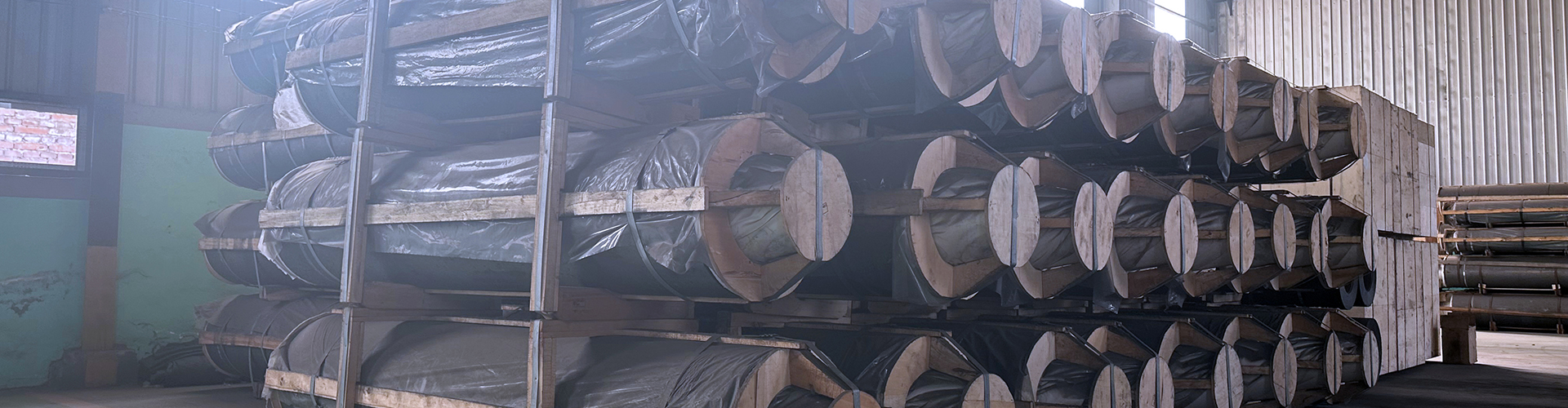
China graphite electrodes for sale
html
The Ins and Outs of China Graphite Electrodes for Sale
In the realm of China graphite electrodes for sale, it's all too easy to get lost in the sea of options. Various suppliers claim superiority, but what truly sets one apart from the rest? The journey of understanding these elements can be less about perfect comparisons and more about recognizing subtle advantages that matter in the long run.
Understanding Graphite Electrodes
The first thing you might notice about graphite electrodes is their critical role in electric arc furnaces used for steelmaking. Their conductive properties are indispensable, yet not all electrodes are created equal. Talking with industry veterans, you quickly learn that the quality can drastically affect both efficiency and lifespan.
In my experience, some China graphite electrodes for sale boast exceptional performance because of the precise manufacturing processes adopted. Take Hebei Yaofa Carbon Co., Ltd., for example. Situated in China, their reputation stems from over two decades of experience, crafting electrodes that meet high industrial benchmarks. You can explore more about their offerings on their website, Hebei Yaofa's Website.
One common mistake is assuming that all electrodes suit every application equally. Different grades—UHP, HP, RP—serve varied purposes and knowing these distinctions could save you considerable trouble down the line.
Challenges in Procurement
Navigating the procurement process can be daunting. Many newcomers in the industry underestimate the complexity involved. There's a tendency to focus on price over quality, a compromise that's not worth it when considering long-term operational costs. I once fell into this trap early in my career, opting for a cheaper option that ended up costing more in downtime and replacements.
An integral aspect is supplier integrity. You'll find companies boasting about their stellar credentials. However, digging deeper—reading reviews, speaking with past customers—often reveals a more truthful picture. Hebei Yaofa Carbon Co., Ltd. has established itself as a trustworthy name across sectors precisely because of its transparency and reliability.
Logistics can also pose significant challenges. The distance from supplier to end-user isn’t just a matter of kilometers, but also about predictable delivery times, handling customs, and minimizing potential delays.
Quality Control in Manufacturing
Quality control cannot be overstated. You'd want assurance that the graphite electrodes you’re eyeing have undergone rigorous testing. Industrial settings teach you quickly that discrepancies in graphite purity or density can lead to major mishaps.
Hebei Yaofa Carbon Co., Ltd., for instance, implements stringent quality control measures as shared by their production managers in various sessions. The consistency they achieve is not magic—it’s meticulous adherence to protocols.
Visits to manufacturing sites, when feasible, offer invaluable insight. Seeing the process firsthand and speaking with those crafting the electrodes can clarify any lingering doubts about product quality.
Application-Specific Considerations
There are niche requirements in industries like smelting or even silicon production where one might assume any graphite electrode fits. This isn’t the case. Industry peers often discuss how modifying electrode length, diameter, or even shape based on specific furnace conditions can boost productivity.
The team at Hebei Yaofa suggested a custom approach for a project I was involved in. It wasn’t just a matter of choosing the right grade but also tailoring dimensions to fit unique setups. This insight proved critical in optimizing performance.
It's not just about avoiding a one-size-fits-all approach; it's about actively seeking customization literacy across different industrial lines to maximize outcome.
Future Trends and Innovation
Innovation in electrode technology is moving toward greater efficiency and environmental responsibility. It's fascinating watching companies like Hebei Yaofa Carbon Co., Ltd. look ahead, embracing sustainable practices without sacrificing quality. The future seems set on balancing industrial demand with ecological mindfulness.
The emergence of hybrid materials with added durability could redefine how industries view graphite electrodes. Combined with advanced analytics for monitoring electrode health, this could drastically cut costs and resource usage.
For those committed to staying at the forefront, it’s not just about immediate needs but investing in knowledge—attending seminars, subscribing to industry reports, or partnering with forward-thinking manufacturers.
Related products
Related products
Best selling products
Best selling products-
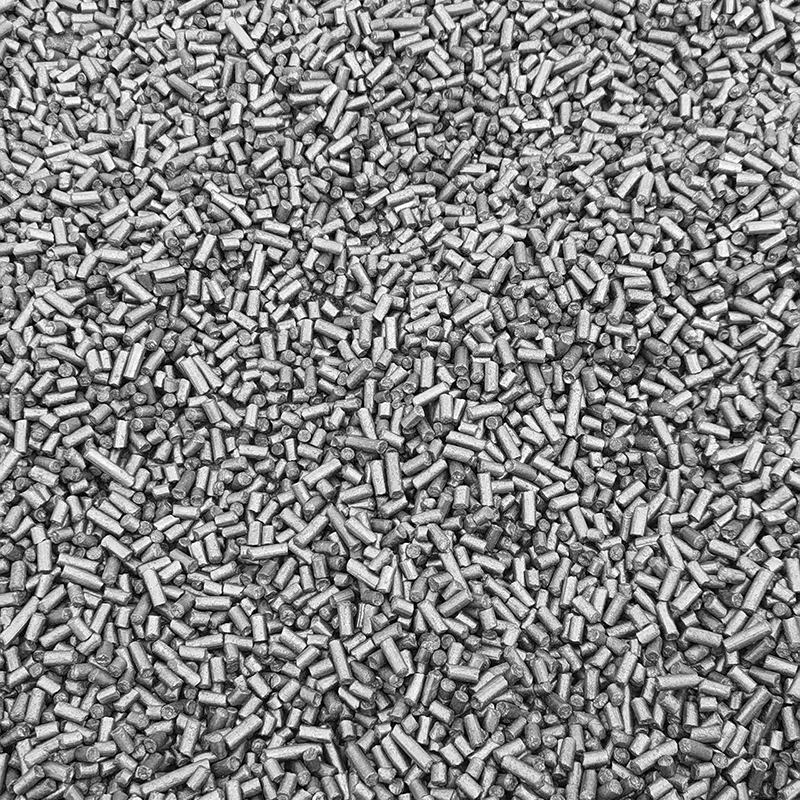 Columnar carburizer
 -
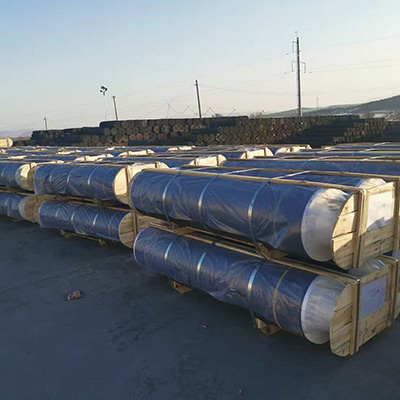 High-power graphite electrodes, 600 mm diameter, for export.
 -
 Graphite plate
 -
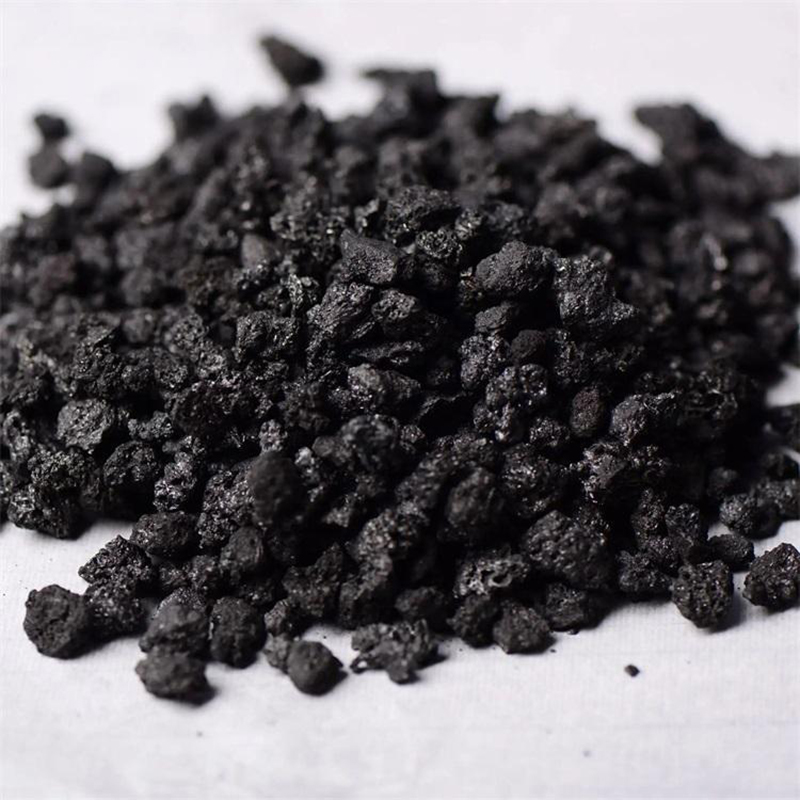 Granular carburizer
 -
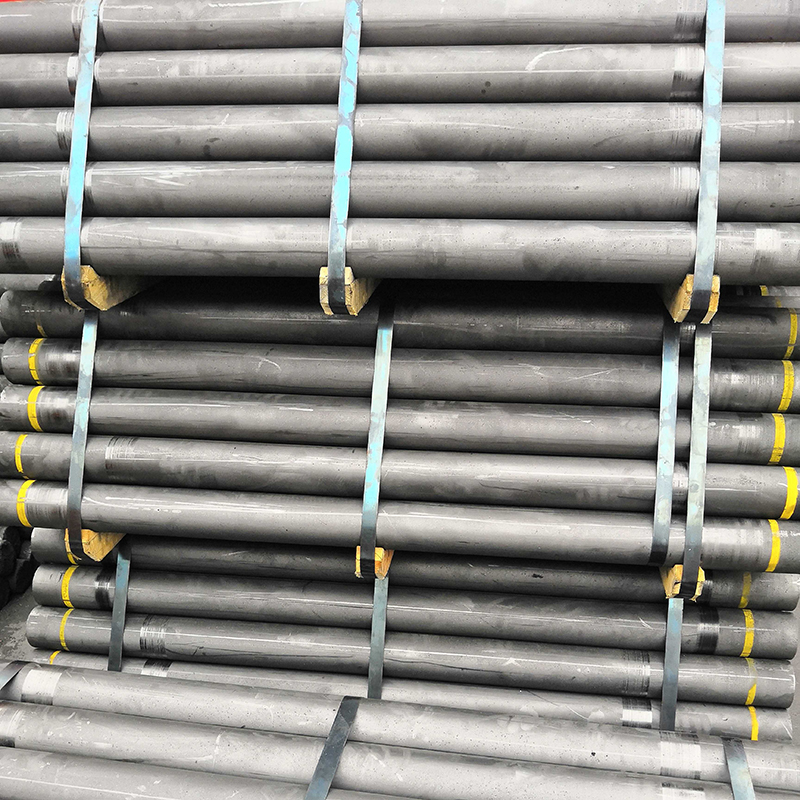 RP normal power graphite electrode
 -
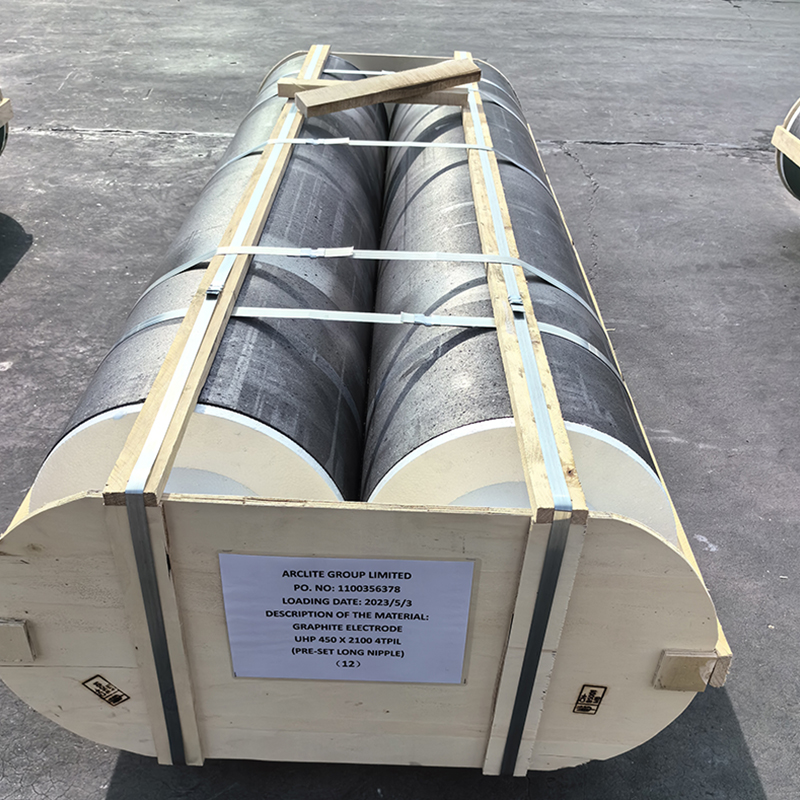 HP high power graphite electrode
 -
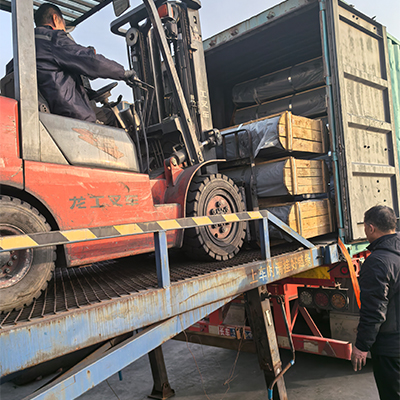 Factory direct sale! UHP ultra-high power electrodes, specifically designed for electric arc furnaces and refining furnaces.
 -
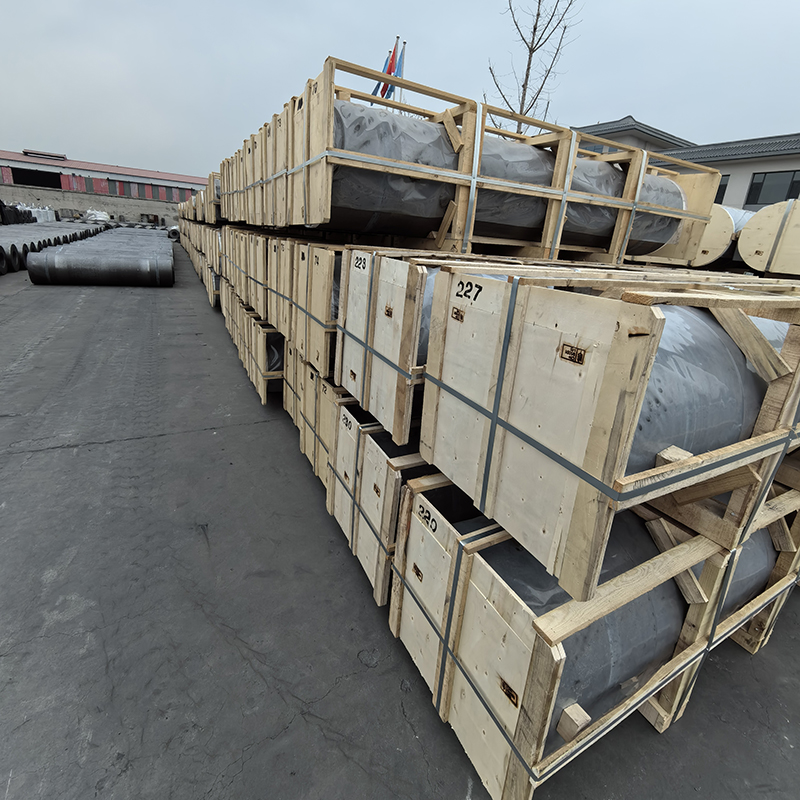 UHP ultra high power graphite electrode
 -
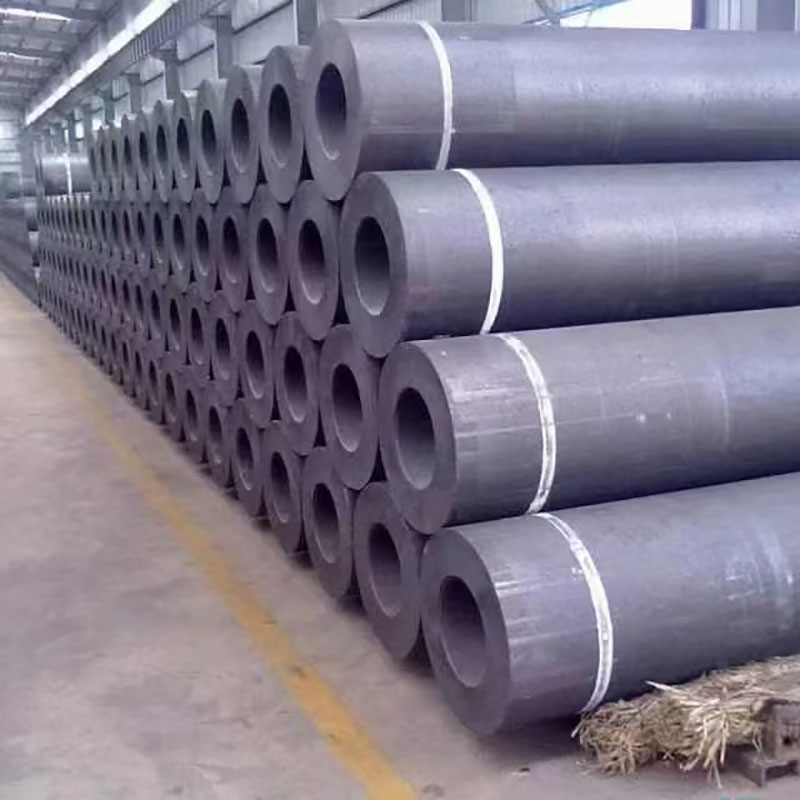 A supplier of graphite electrodes with a global distribution network.
 -
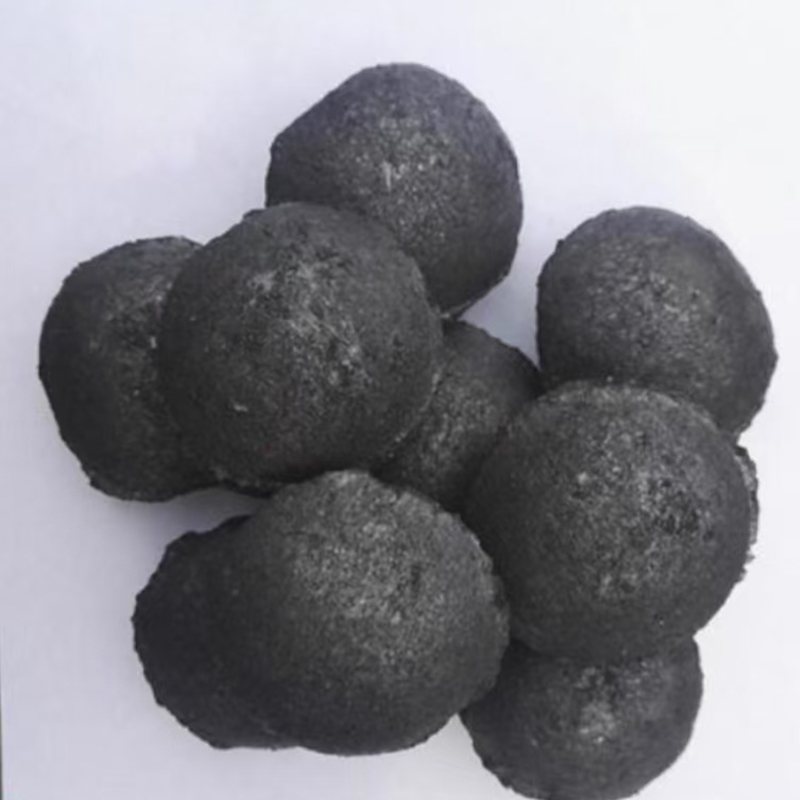 Spherical carburizer
 -
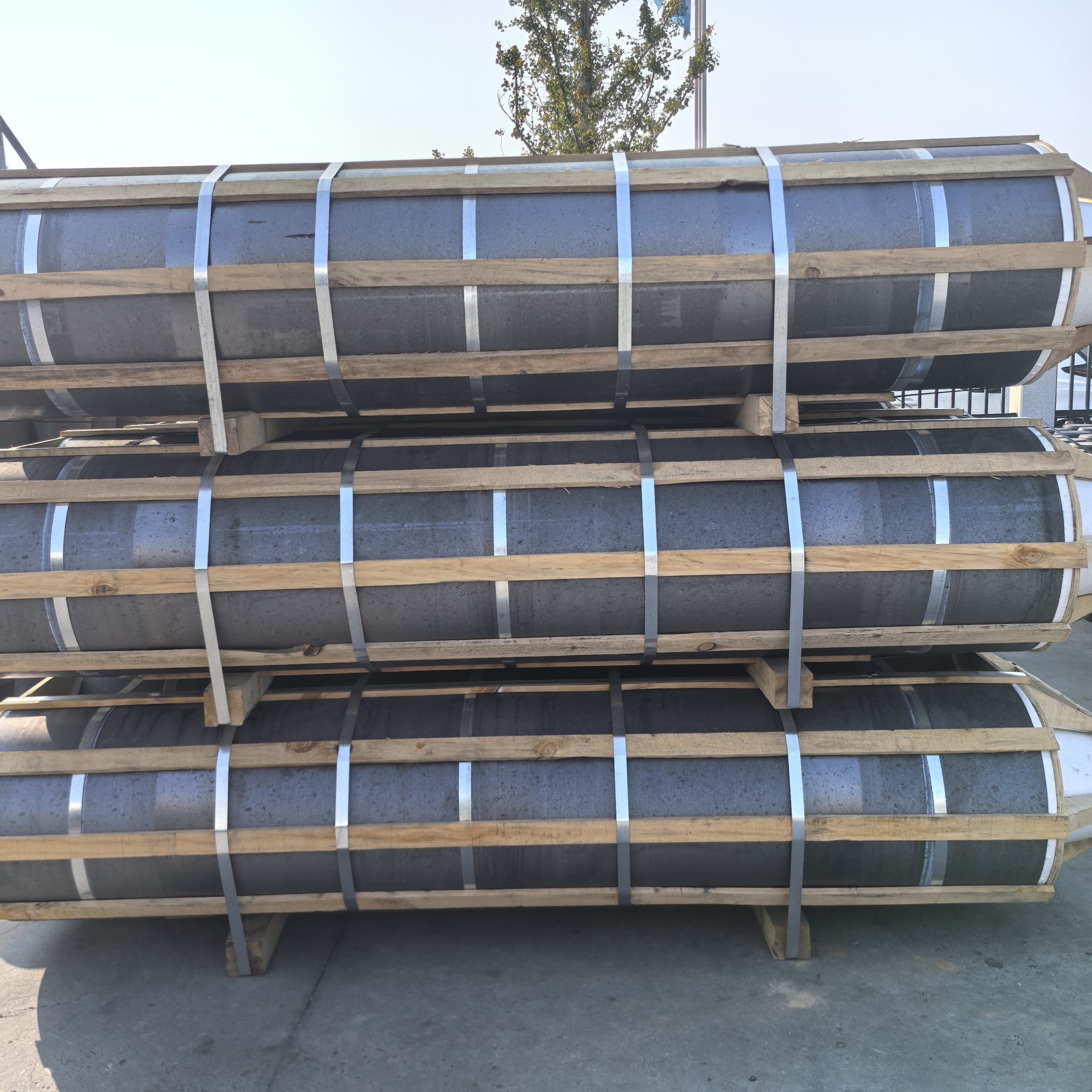 Ultra-High Power Graphite Electrode
 -
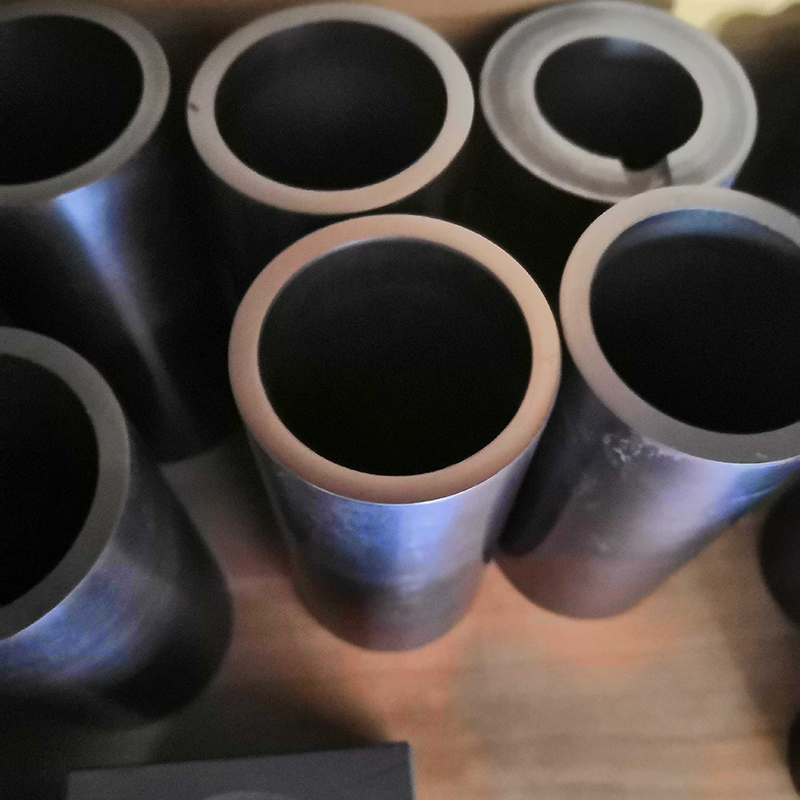 Graphite Crucible
Related search
Related search- Bus Shelter for Disabled
- freestanding digital signage
- charcoal tar Manufacturer
- Graphite Electrode Manufacturers supplier
- China graphite bipolar plate
- China Graphite recarburizer
- graphite lined crucible supplier
- graphite electrodes for steel making factory
- graphite plate for sale Manufacturer
- furnace graphite electrode supplier