
- Chinese
- French
- German
- Portuguese
- Spanish
- Russian
- Japanese
- Korean
- Arabic
- Irish
- Greek
- Turkish
- Italian
- Danish
- Romanian
- Indonesian
- Czech
- Afrikaans
- Swedish
- Polish
- Basque
- Catalan
- Esperanto
- Hindi
- Lao
- Albanian
- Amharic
- Armenian
- Azerbaijani
- Belarusian
- Bengali
- Bosnian
- Bulgarian
- Cebuano
- Chichewa
- Corsican
- Croatian
- Dutch
- Estonian
- Filipino
- Finnish
- Frisian
- Galician
- Georgian
- Gujarati
- Haitian
- Hausa
- Hawaiian
- Hebrew
- Hmong
- Hungarian
- Icelandic
- Igbo
- Javanese
- Kannada
- Kazakh
- Khmer
- Kurdish
- Kyrgyz
- Latin
- Latvian
- Lithuanian
- Luxembou..
- Macedonian
- Malagasy
- Malay
- Malayalam
- Maltese
- Maori
- Marathi
- Mongolian
- Burmese
- Nepali
- Norwegian
- Pashto
- Persian
- Punjabi
- Serbian
- Sesotho
- Sinhala
- Slovak
- Slovenian
- Somali
- Samoan
- Scots Gaelic
- Shona
- Sindhi
- Sundanese
- Swahili
- Tajik
- Tamil
- Telugu
- Thai
- Ukrainian
- Urdu
- Uzbek
- Vietnamese
- Welsh
- Xhosa
- Yiddish
- Yoruba
- Zulu
- Kinyarwanda
- Tatar
- Oriya
- Turkmen
- Uyghur



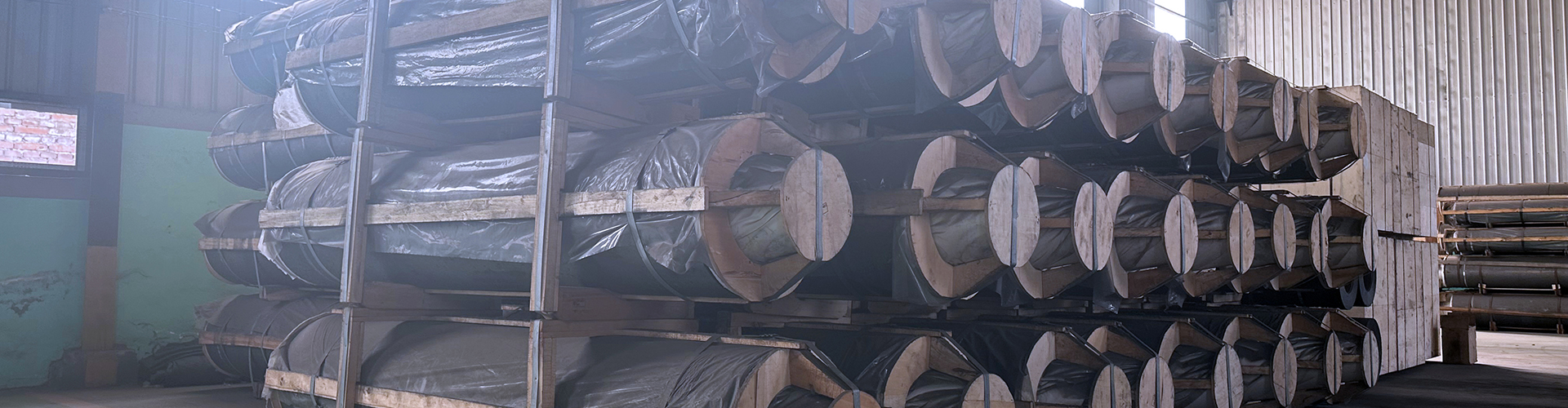
China graphite lined crucible
The Role of China Graphite Lined Crucibles in Modern Industry
Graphite lined crucibles, a staple in metallurgical processes, have always intrigued me. When we talk about China graphite lined crucible, we're delving into a world where precision and durability meet economic feasibility. These crucibles are essential for processes ranging from basic metal heating to complex alloy formations. However, misconceptions abound, often leading to misguided purchase decisions. Let’s unpack this.
The Fundamentals of Graphite Lined Crucibles
The first time I handled a graphite lined crucible, I was struck by its seemingly simple design masking its technical complexity. These crucibles must withstand extreme temperatures while maintaining chemical inertness, a feat few materials can match as well as graphite. The Chinese versions from manufacturers like Hebei Yaofa Carbon Co., Ltd. offer a unique balance of cost-effectiveness and performance.
Graphite's thermal conductivity is a vital trait here. During a particularly challenging project involving high-purity alloy production, we relied heavily on this characteristic. It ensured uniform heat distribution, which was crucial for maintaining material properties — a constant challenge in the industry.
Yet, there's a common pitfall: neglecting the quality of graphite. Inferior materials lead to frequent replacements and compromised product integrity. In this context, working with experienced suppliers like Hebei Yaofa Carbon Co., Ltd., who bring over 20 years of expertise, becomes instrumental.
Choosing the Right Crucible: Factors to Consider
Determining the appropriate graphite lined crucible involves several factors. In my experience, the first step is assessing the melting temperature of the material. Graphite excels here but isn't a one-size-fits-all solution. For a project with plasma arc melting, we used UHP grade graphite electrodes from Hebei Yaofa Carbon Co., Ltd., ensuring robust performance.
Another consideration is the crucible’s longevity. I've seen rushed decisions based on initial costs leading to higher expenses down the line. It's crucial to look beyond price tags to the long-term benefits of durability and maintenance costs.
Then there's design. Tailoring the crucible's shape and dimension to specific needs can significantly impact efficiency. I recall a colleague's project that faltered due to disregarding this aspect. Custom solutions, often available from seasoned manufacturers, prove invaluable.
Common Challenges and Solutions
Despite their advantages, graphite lined crucibles aren't without challenges. Thermal stress is a notorious problem, frequently causing cracking. A preventive measure I've found effective is gradual thermal cycling, which minimizes shock — a technique not universally applied but worth adopting.
Contamination also poses a threat to purity-sensitive applications, where each alloy must remain uncontaminated. Here, choosing high-purity graphite, similar to products from Hebei Yaofa Carbon Co., Ltd., can make a notable difference.
Moreover, logistical issues like transport damage can easily erode a crucible's integrity. This is why supplier reliability and proper packaging are critical, factors I've learned to prioritize over the years.
Innovations and Future Trends
The field isn't static. Technological advancements are continually shaping how we use graphite lined crucibles. I've been particularly impressed by recent innovations involving coatings that enhance crucible lifespan and reduce contamination risks.
Furthermore, sustainability is becoming a priority. Carbon footprint reduction initiatives demand more eco-friendly production methods. Hebei Yaofa Carbon Co., Ltd. and similar companies are at the forefront, developing sustainable graphite solutions that are economically viable.
Looking forward, the integration of AI in production processes might streamline quality control, leading to fewer defects and improved product standards. This evolution, though gradual, promises to redefine industry standards.
Conclusion
In sum, navigating the world of China graphite lined crucible requires a keen understanding of material science coupled with practical experience. The right approach, informed by both historical data and emerging trends, can yield significant benefits. As seen with companies like Hebei Yaofa Carbon Co., Ltd., expertise and innovation are pivotal to maximizing the utility of these indispensable tools in modern metallurgical processes.
Related products
Related products
Best selling products
Best selling products-
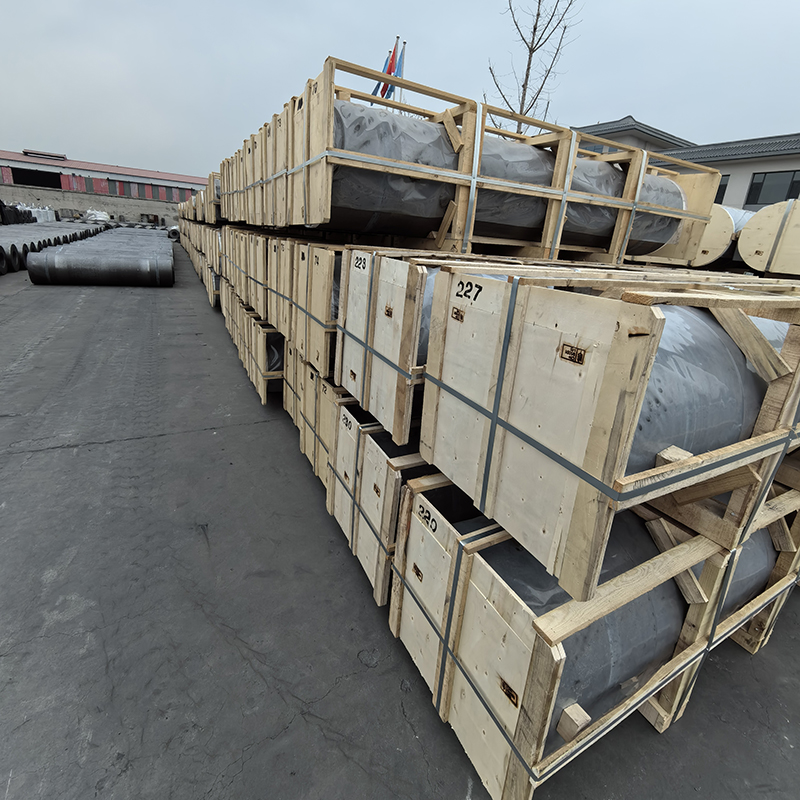 UHP ultra high power graphite electrode
 -
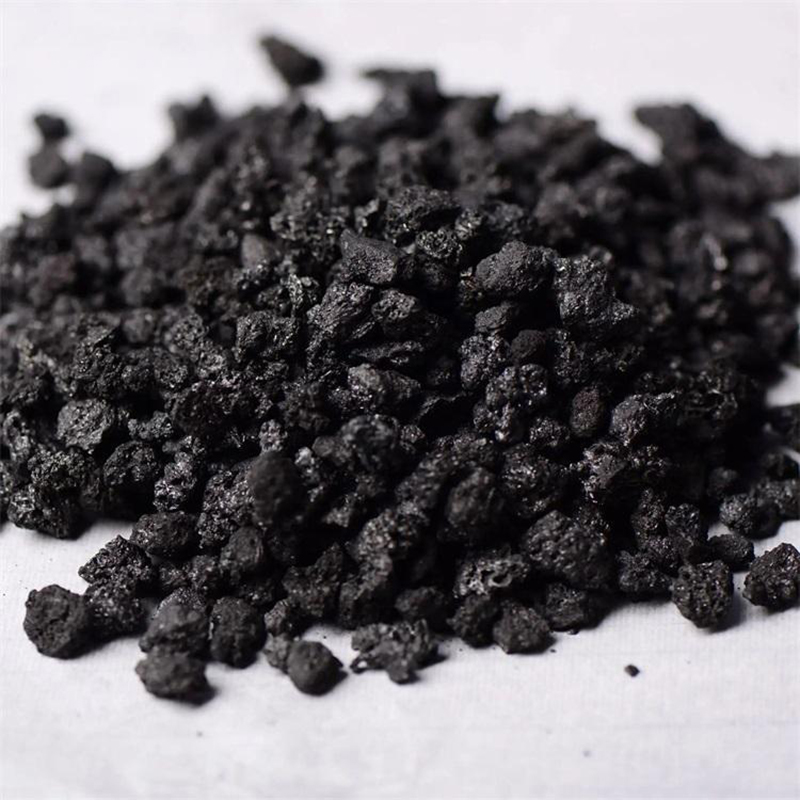 Granular carburizer
 -
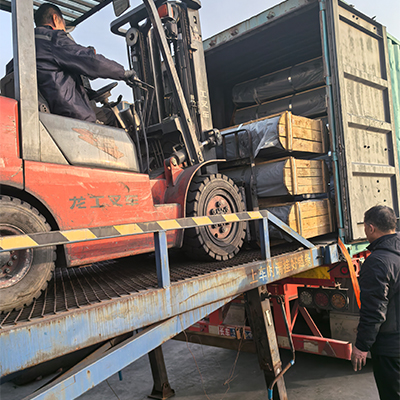 Factory direct sale! UHP ultra-high power electrodes, specifically designed for electric arc furnaces and refining furnaces.
 -
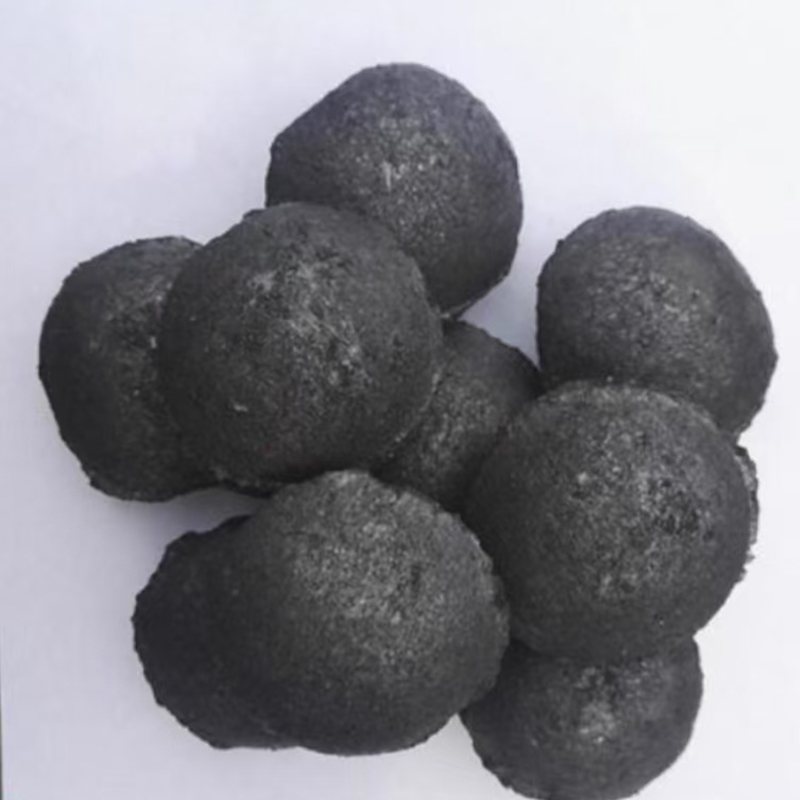 Spherical carburizer
 -
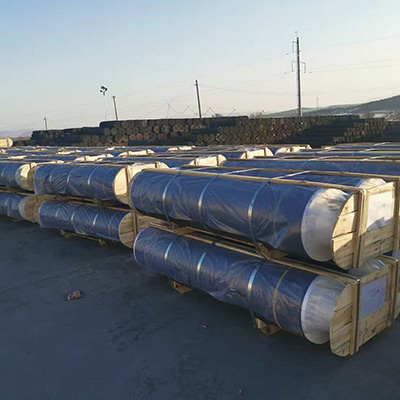 High-power graphite electrodes, 600 mm diameter, for export.
 -
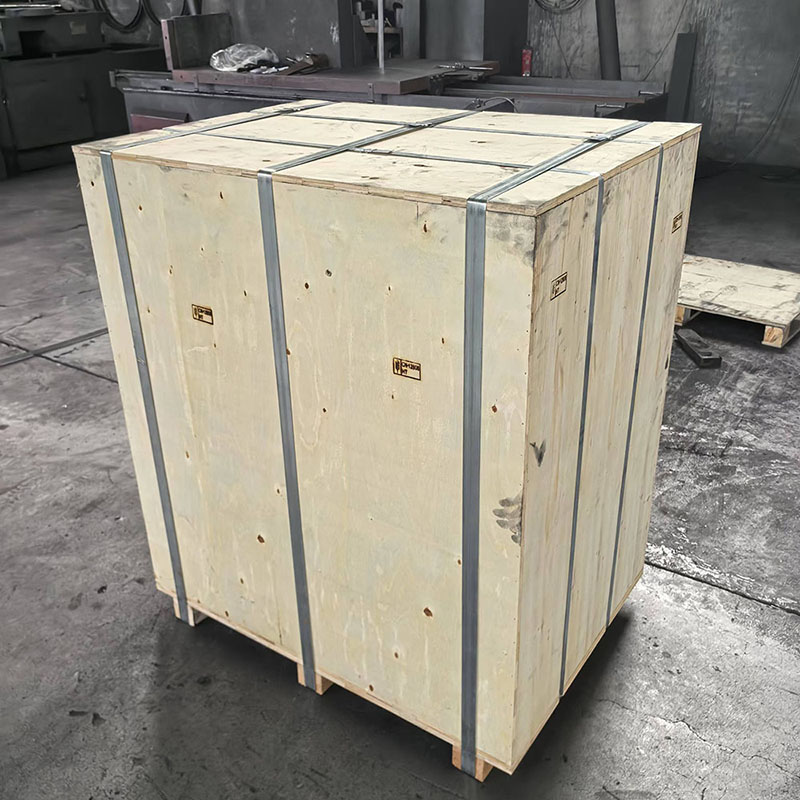 Graphite plate
 -
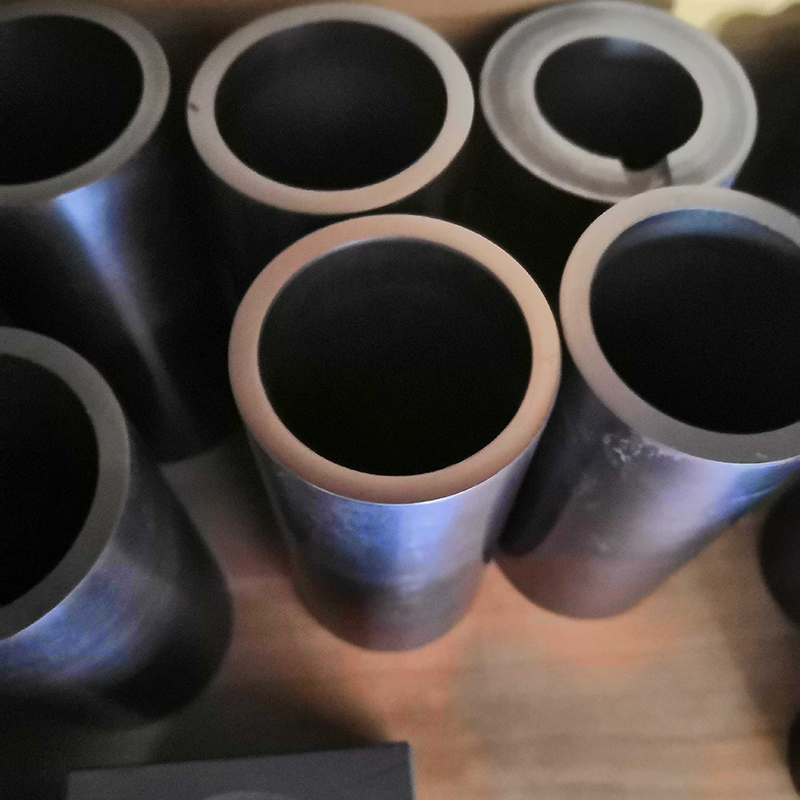 Graphite Crucible
 -
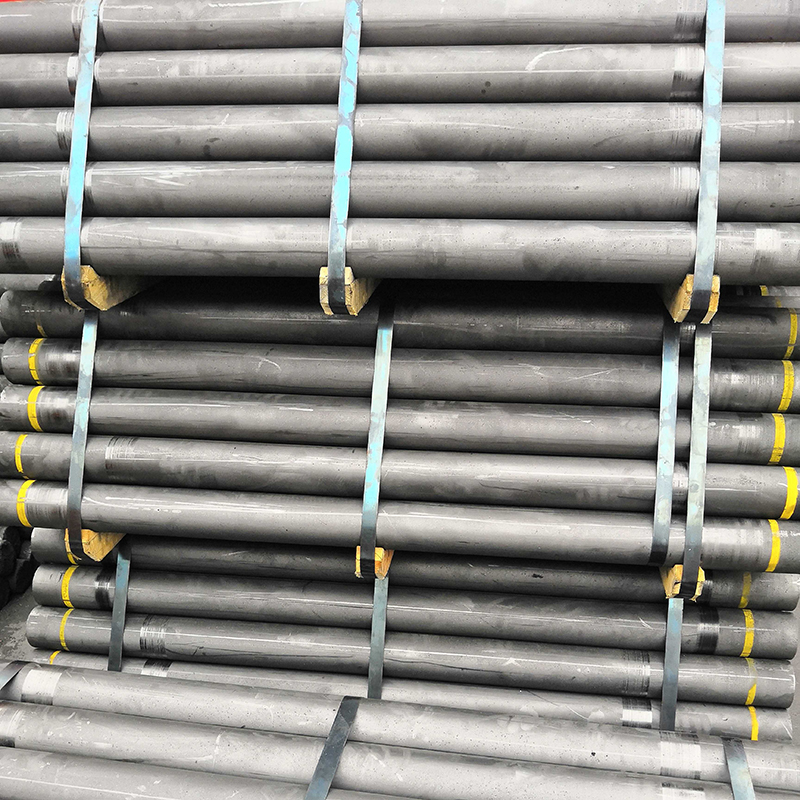 RP normal power graphite electrode
 -
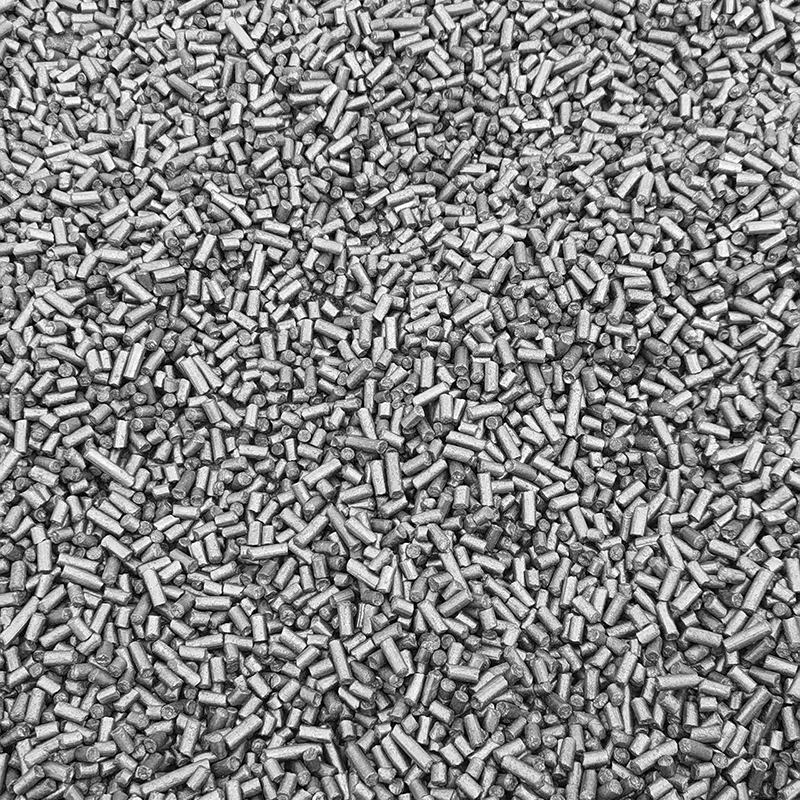 Columnar carburizer
 -
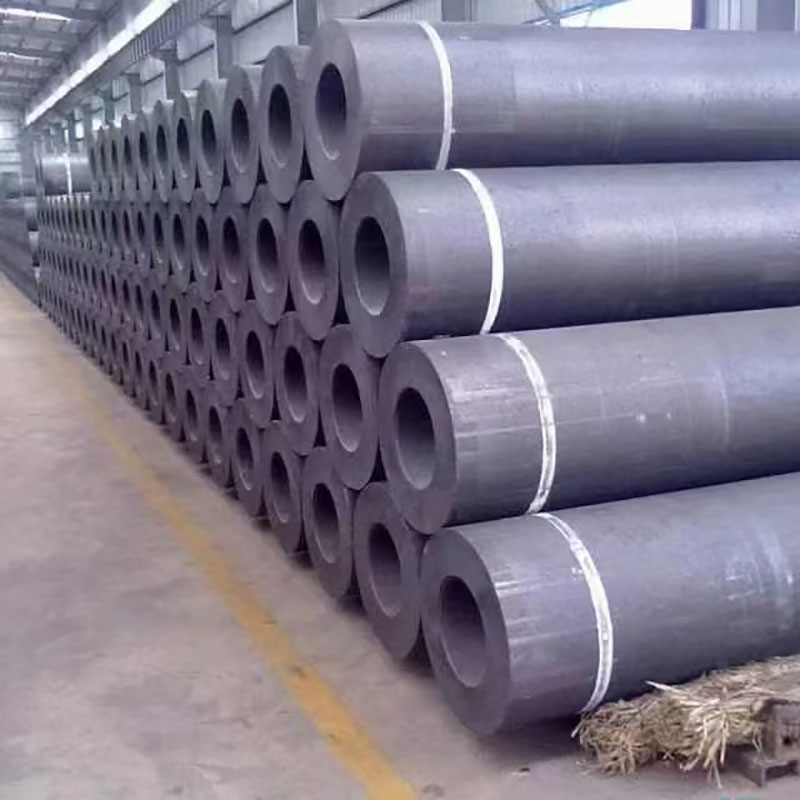 A supplier of graphite electrodes with a global distribution network.
 -
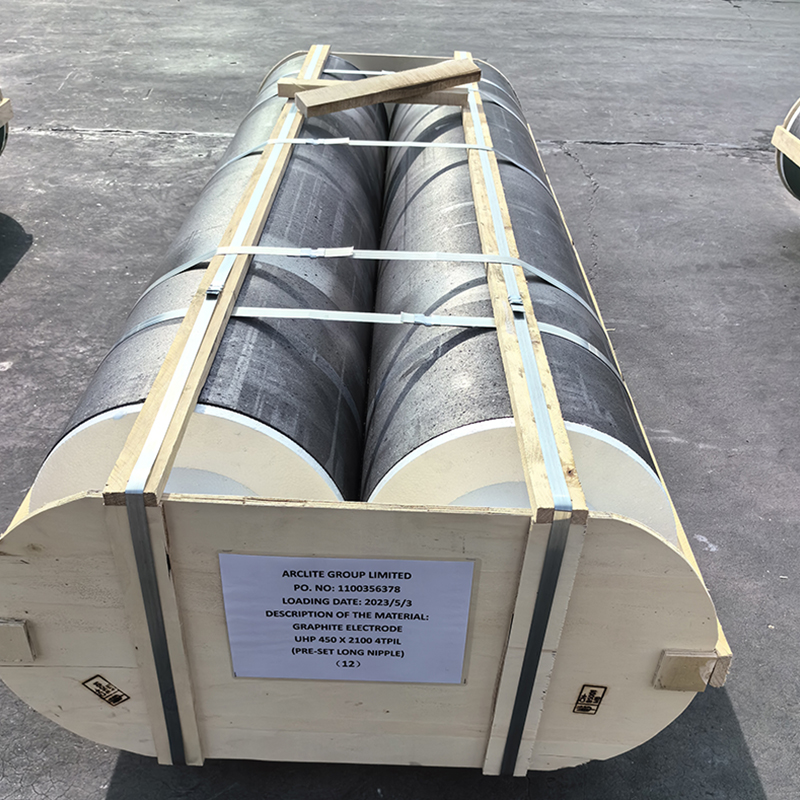 HP high power graphite electrode
 -
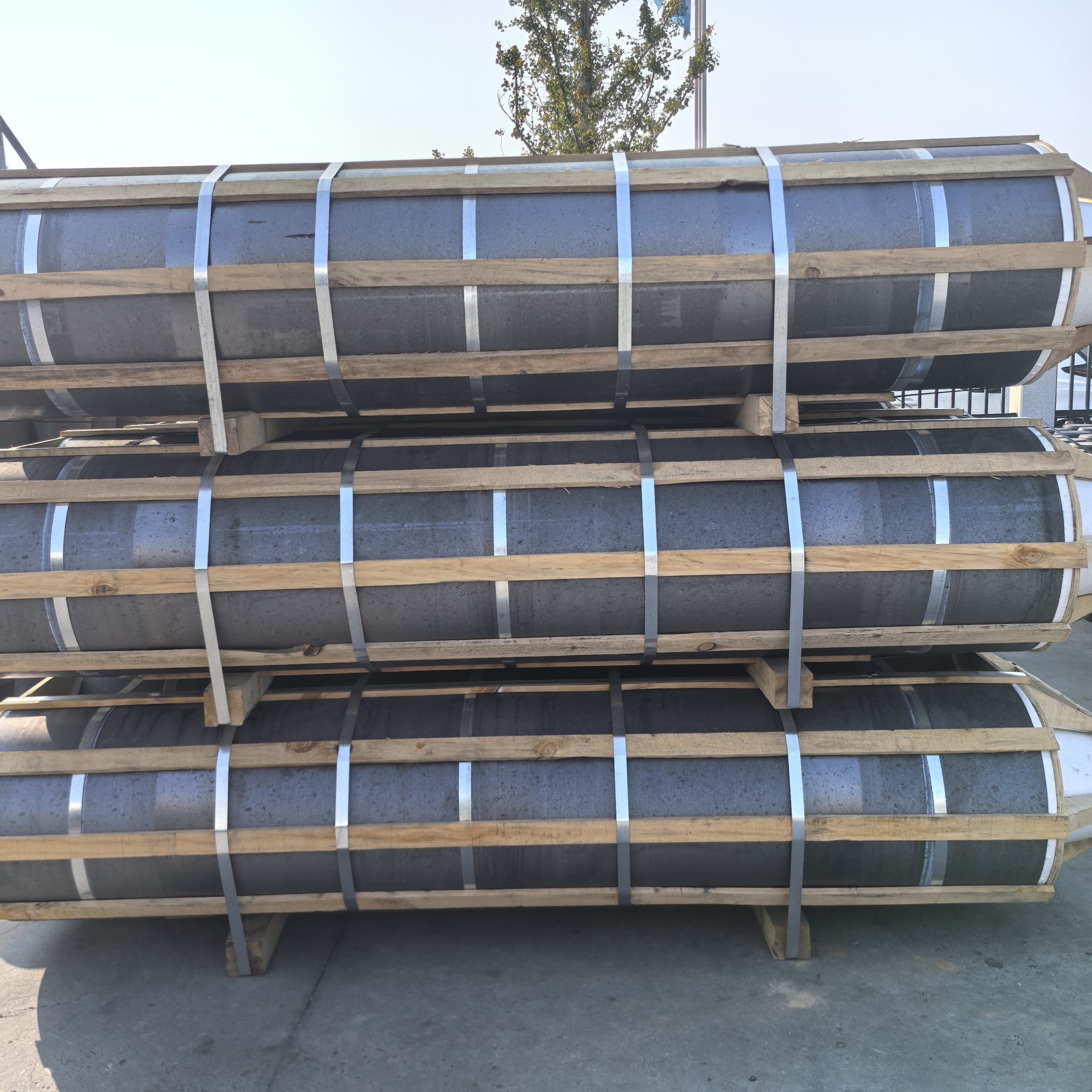 Ultra-High Power Graphite Electrode
Related search
Related search- rp graphite electrode suppliers
- floor standing lcd digital signage
- uhp graphite electrode price supplier
- high purity graphite crucible factory
- humco coal tar supplier
- graphite crucible for sale near me supplier
- Buy uhp electrodes
- RP graphite electrode factory
- graphite electrodes electric arc furnace
- mg17 coal tar supplier