
- Chinese
- French
- German
- Portuguese
- Spanish
- Russian
- Japanese
- Korean
- Arabic
- Irish
- Greek
- Turkish
- Italian
- Danish
- Romanian
- Indonesian
- Czech
- Afrikaans
- Swedish
- Polish
- Basque
- Catalan
- Esperanto
- Hindi
- Lao
- Albanian
- Amharic
- Armenian
- Azerbaijani
- Belarusian
- Bengali
- Bosnian
- Bulgarian
- Cebuano
- Chichewa
- Corsican
- Croatian
- Dutch
- Estonian
- Filipino
- Finnish
- Frisian
- Galician
- Georgian
- Gujarati
- Haitian
- Hausa
- Hawaiian
- Hebrew
- Hmong
- Hungarian
- Icelandic
- Igbo
- Javanese
- Kannada
- Kazakh
- Khmer
- Kurdish
- Kyrgyz
- Latin
- Latvian
- Lithuanian
- Luxembou..
- Macedonian
- Malagasy
- Malay
- Malayalam
- Maltese
- Maori
- Marathi
- Mongolian
- Burmese
- Nepali
- Norwegian
- Pashto
- Persian
- Punjabi
- Serbian
- Sesotho
- Sinhala
- Slovak
- Slovenian
- Somali
- Samoan
- Scots Gaelic
- Shona
- Sindhi
- Sundanese
- Swahili
- Tajik
- Tamil
- Telugu
- Thai
- Ukrainian
- Urdu
- Uzbek
- Vietnamese
- Welsh
- Xhosa
- Yiddish
- Yoruba
- Zulu
- Kinyarwanda
- Tatar
- Oriya
- Turkmen
- Uyghur



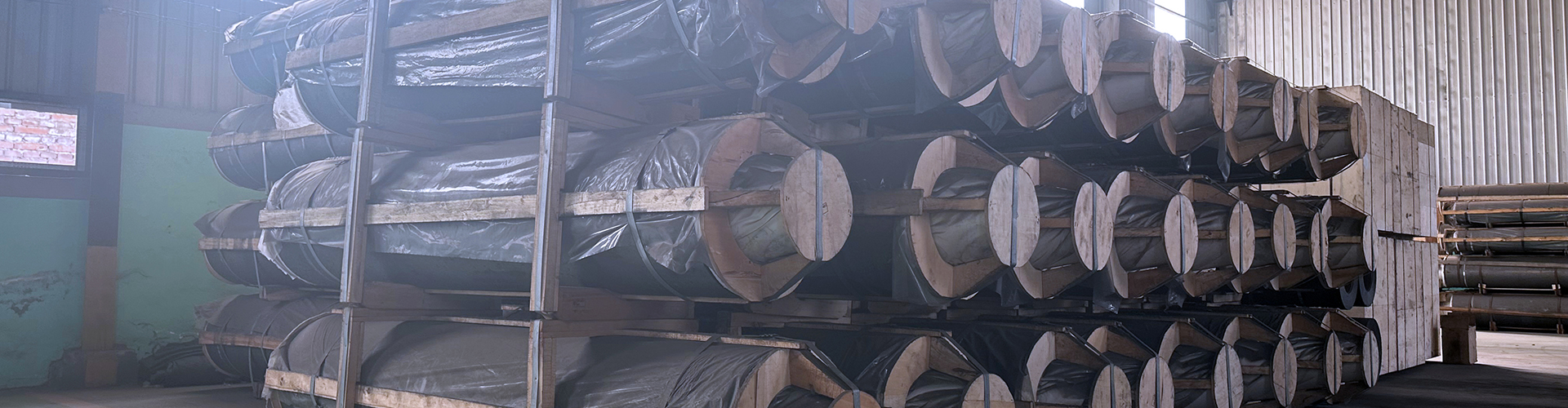
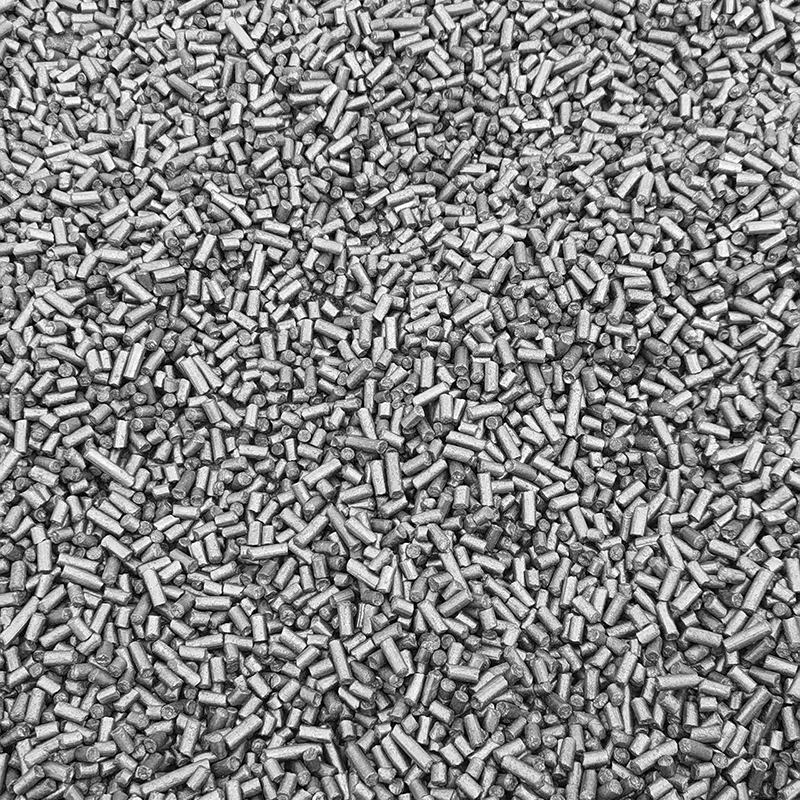
Electrode particles Manufacturer
Understanding Electrode Particles Manufacturing
In the complex world of carbon manufacturing, electrode particles remain one of the most important components. Yet, misconceptions abound. Some see them as simple raw materials, but there's a depth to their production that's often overlooked by outsiders.
The Basics of Electrode Manufacturing
Manufacturing electrode particles is not just about mixing ingredients. The process requires an understanding of the properties each material brings to the table. That's where companies like Hebei Yaofa Carbon Co., Ltd., with over 20 years in the industry, shine. They know that the particle size, consistency, and purity are all critical in ensuring high-quality end products.
The challenges often start with the selection of raw materials. A common mistake is opting for cheaper options that may compromise the integrity of the electrode particles. Hebei Yaofa Carbon Co., Ltd., for instance, uses carefully sourced components, ensuring that each graphite electrode produced meets stringent standards.
This approach not only enhances the durability but also the efficiency of the electrodes, which is essential in high-demand applications such as steel manufacturing. The emphasis on quality over cost is a lesson many new entrants learn the hard way.
Technical Nuances in Production
One key aspect many overlook is the significance of the particle's thermal properties. In my experience, even a slight fluctuation in the thermal expansion rate can lead to catastrophic failures in industrial applications.
Hebei Yaofa Carbon Co., Ltd.'s approach to maintaining consistent thermal characteristics is worth noting. They regularly test and adjust their production process to handle temperature variations better. It's these little details that often separate the leaders from the followers in the industry.
Another factor is the electrical conductivity. Ensuring uniformity in particle composition is crucial. You can't afford 'hot spots' which can lead to uneven wear and performance. I recall a project where subpar electrodes led to significant downtime, a costly lesson in the importance of thorough quality checks.
Practical Challenges in the Industry
Admittedly, there are logistical headaches too. Transporting these materials requires careful planning. Any fluctuation in moisture levels during transit can compromise the entire batch's integrity. It’s something Hebei Yaofa Carbon Co., Ltd. mitigates with rigorous packaging standards.
The geographical reach often presents both opportunities and challenges. With China being a hub, companies like Hebei Yaofa have access to a vast market, but they also face stiff competition domestically and internationally.
This pressure pushes innovation in manufacturing techniques. Investing in technology and skilled labor is non-negotiable for staying relevant and competitive, a path Hebei Yaofa Carbon Co., Ltd. has adeptly followed.
The Role of R&D in Electrode Production
In a field that's continuously evolving, Research and Development (R&D) cannot be overstated. Manufacturers that invest in R&D, like Hebei Yaofa Carbon Co., Ltd., often find themselves leading the charge with new technologies and improved product offerings.
One promising area is enhancing the eco-friendliness of products. As global pressure mounts to reduce carbon footprints, companies are exploring renewable sources and sustainable production methods. I've seen firsthand how small R&D advancements can lead to significant cost and environmental savings.
Their website, https://www.yaofatansu.com, often shares insights and advancements, reflecting a commitment to evolving with industry standards and customer needs.
Conclusion: Navigating the Future
The path forward in the realm of electrode particles manufacturing is both challenging and exciting. Companies must navigate technological advancements, environmental responsibilities, and competitive pressures without losing sight of quality and reliability.
Hebei Yaofa Carbon Co., Ltd. serves as a case study in balancing these demands with craftsmanship honed over decades. It's a fascinating blend of science, industry expertise, and a bit of intuition that keeps the wheels turning. As with anything, the key lies in understanding the subtleties and adjusting to the ever-shifting landscape with both strategy and flexibility.
Having been in the trenches myself, I can attest that staying ahead isn't just about following the playbook; it's about writing the next chapter in electrode particles manufacturing.
Related products
Related products
Best selling products
Best selling products-
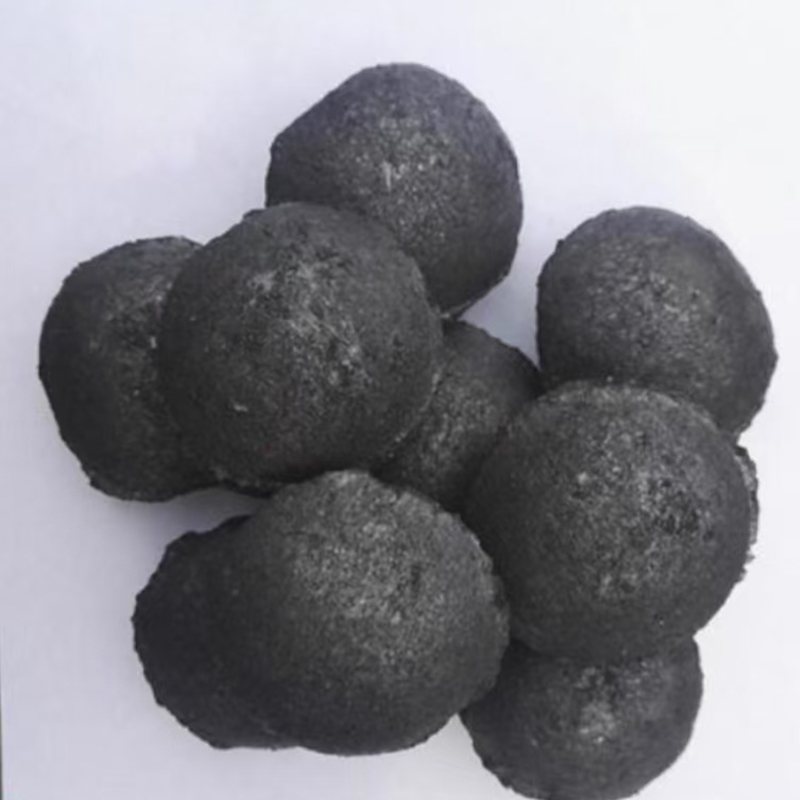 Spherical carburizer
 -
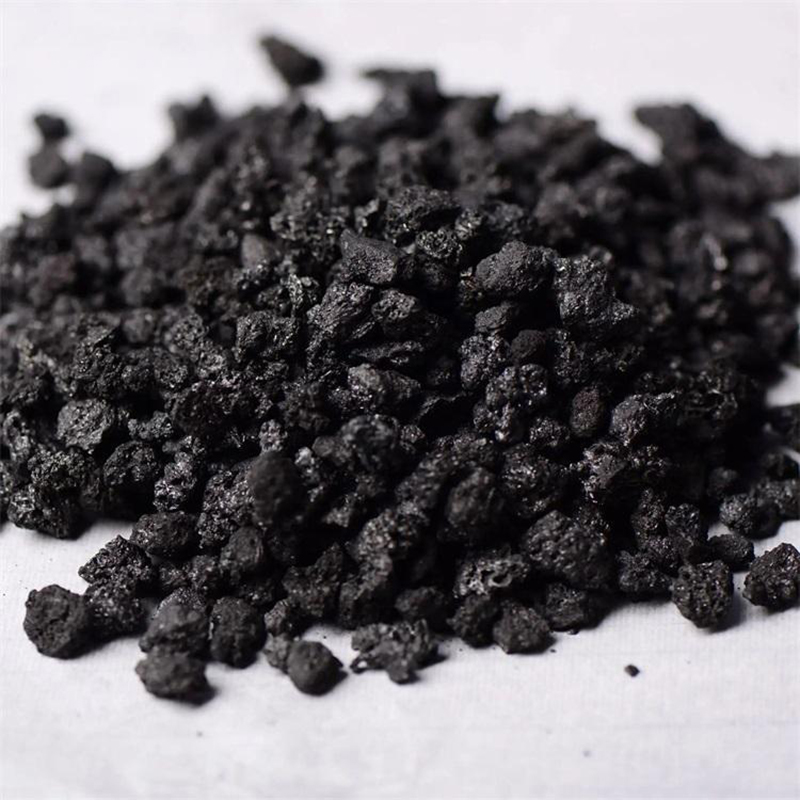 Granular carburizer
 -
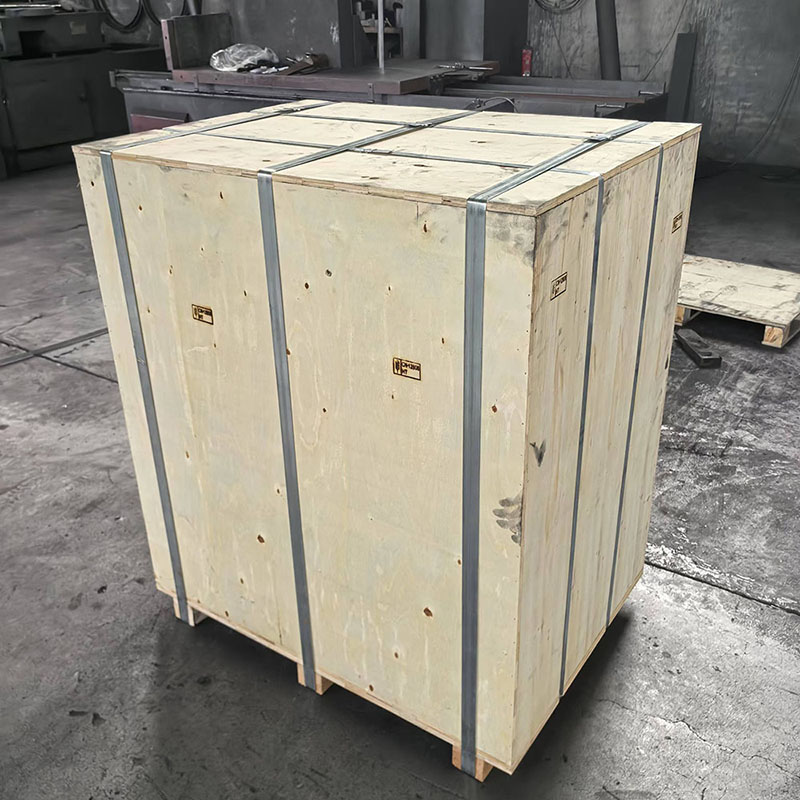 Graphite plate
 -
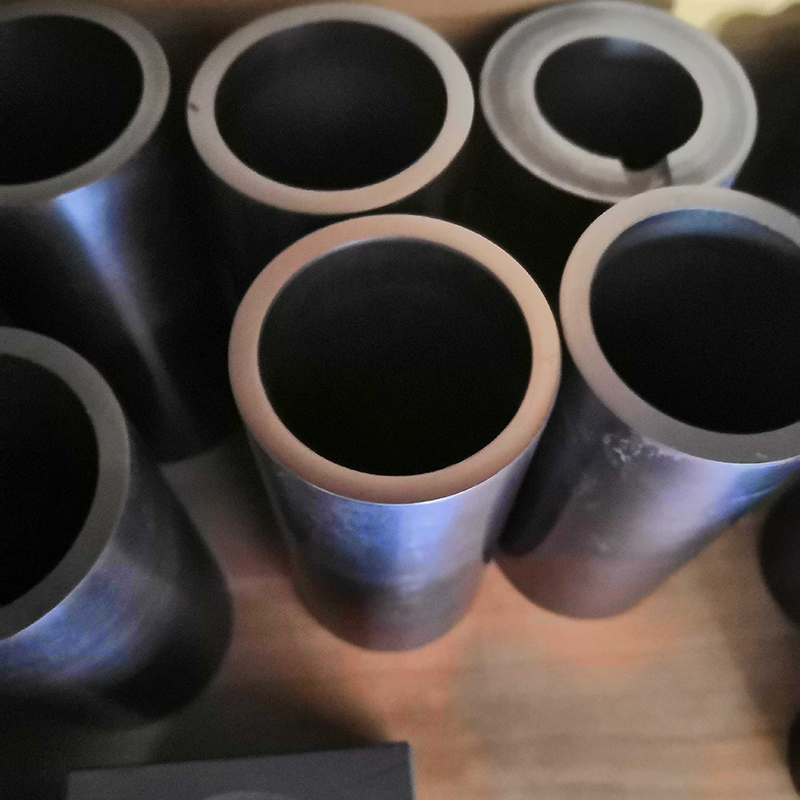 Graphite Crucible
 -
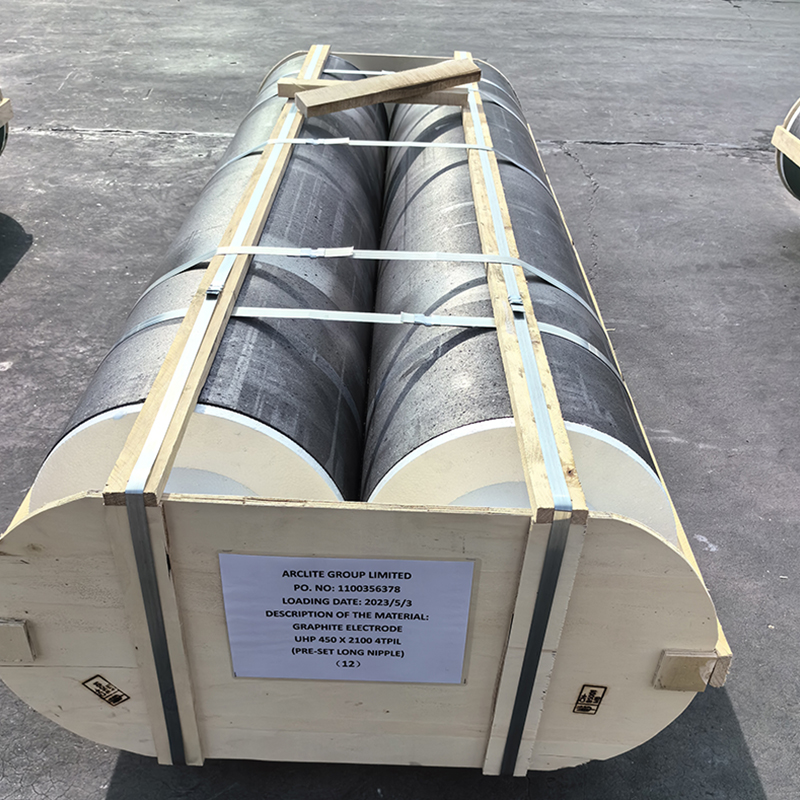 HP high power graphite electrode
 -
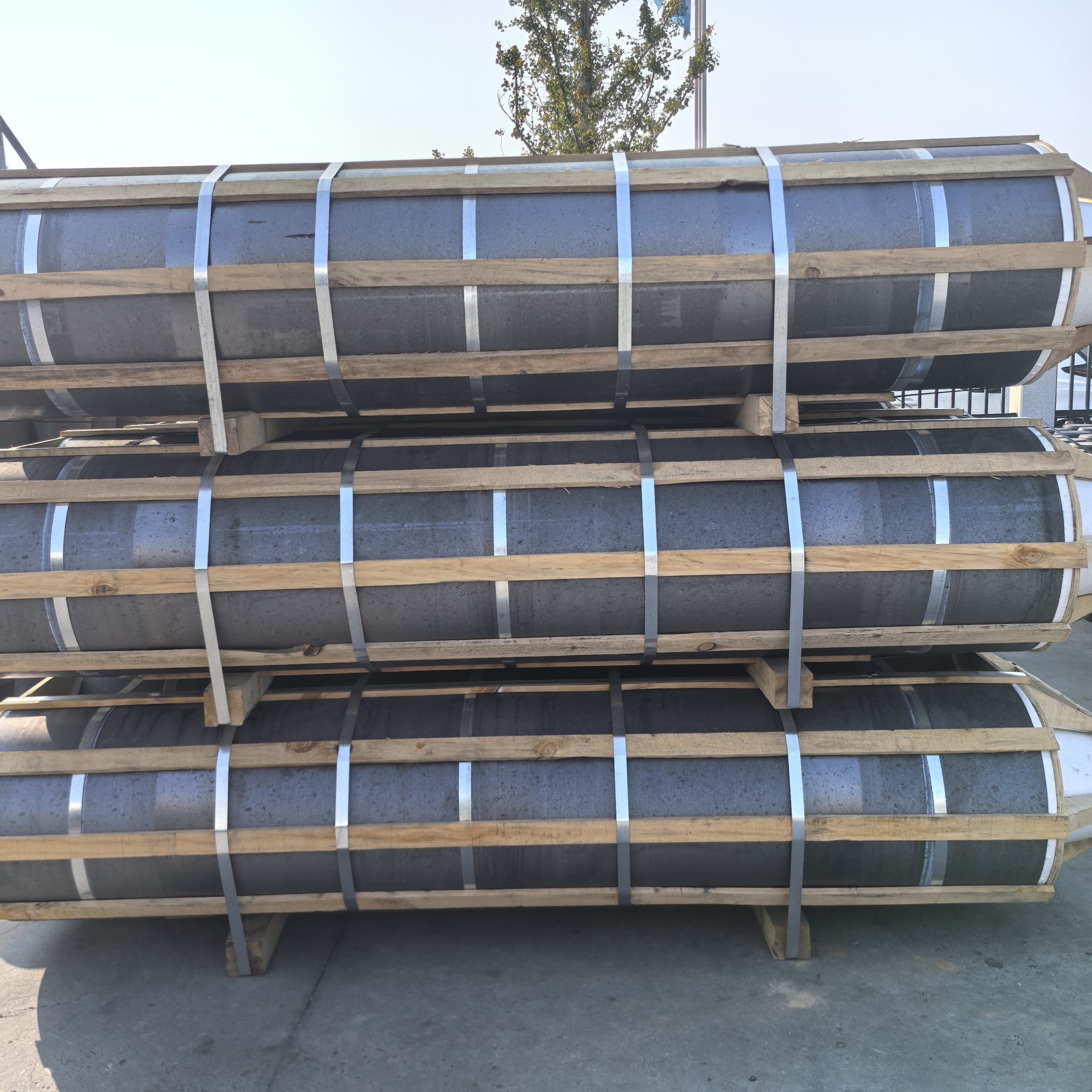 Ultra-High Power Graphite Electrode
 -
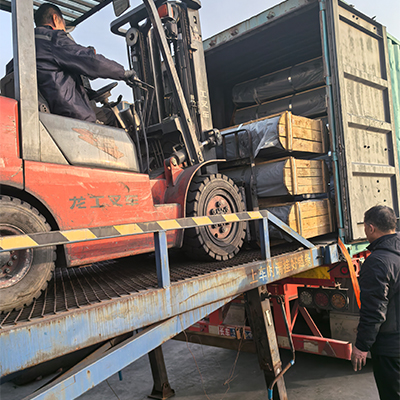 Factory direct sale! UHP ultra-high power electrodes, specifically designed for electric arc furnaces and refining furnaces.
 -
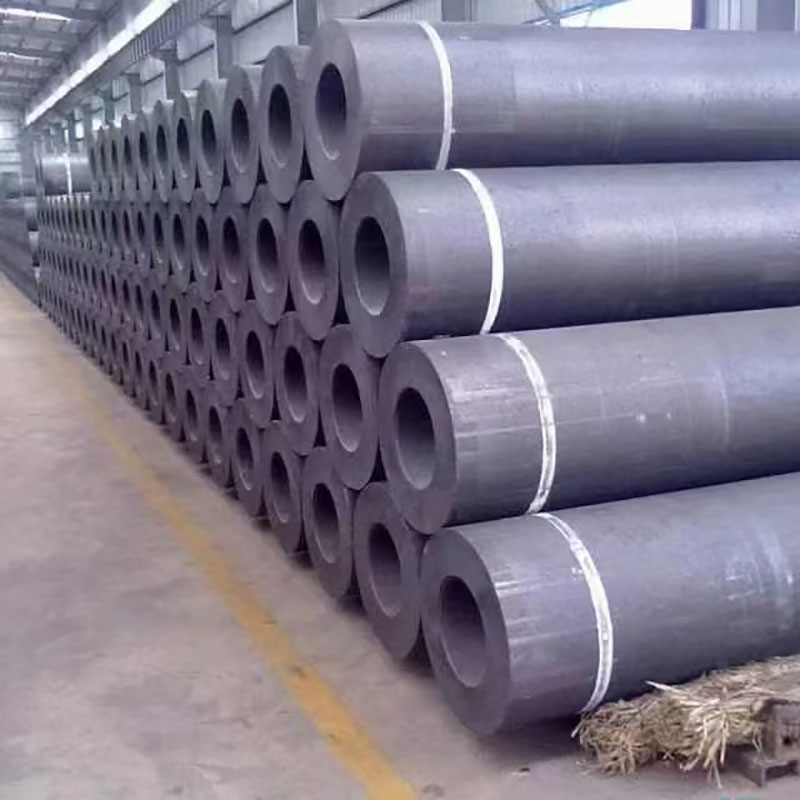 A supplier of graphite electrodes with a global distribution network.
 -
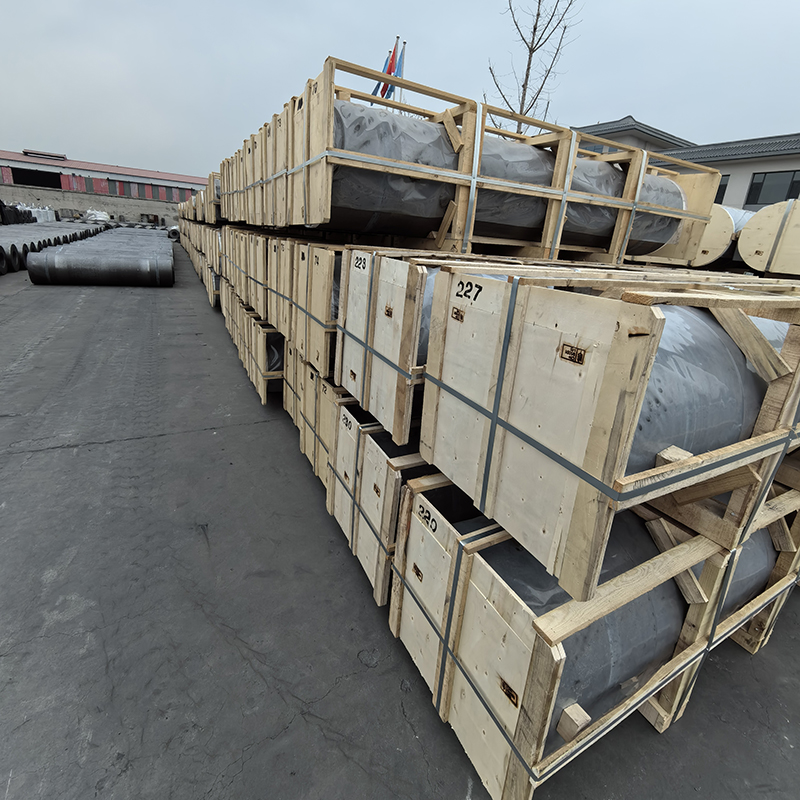 UHP ultra high power graphite electrode
 -
 High-power graphite electrodes, 600 mm diameter, for export.
 -
 Columnar carburizer
 -
 RP normal power graphite electrode