- English
- Chinese
- French
- German
- Portuguese
- Spanish
- Russian
- Japanese
- Korean
- Arabic
- Irish
- Greek
- Turkish
- Italian
- Danish
- Romanian
- Indonesian
- Czech
- Afrikaans
- Swedish
- Polish
- Catalan
- Esperanto
- Hindi
- Lao
- Albanian
- Amharic
- Armenian
- Azerbaijani
- Belarusian
- Bengali
- Bosnian
- Bulgarian
- Cebuano
- Chichewa
- Corsican
- Croatian
- Dutch
- Estonian
- Filipino
- Finnish
- Frisian
- Galician
- Georgian
- Gujarati
- Haitian
- Hausa
- Hawaiian
- Hebrew
- Hmong
- Hungarian
- Icelandic
- Igbo
- Javanese
- Kannada
- Kazakh
- Khmer
- Kurdish
- Kyrgyz
- Latin
- Latvian
- Lithuanian
- Luxembou..
- Macedonian
- Malagasy
- Malay
- Malayalam
- Maltese
- Maori
- Marathi
- Mongolian
- Burmese
- Nepali
- Norwegian
- Pashto
- Persian
- Punjabi
- Serbian
- Sesotho
- Sinhala
- Slovak
- Slovenian
- Somali
- Samoan
- Scots Gaelic
- Shona
- Sindhi
- Sundanese
- Swahili
- Tajik
- Tamil
- Telugu
- Thai
- Ukrainian
- Urdu
- Uzbek
- Vietnamese
- Welsh
- Xhosa
- Yiddish
- Yoruba
- Zulu
- Kinyarwanda
- Tatar
- Oriya
- Turkmen
- Uyghur



How does coal tar medicine impact sustainability?
2026-01-17
Coal tar, despite its medical efficacy particularly in dermatology, raises significant sustainability concerns. This isn’t just about environmental impact; it’s a multifaceted issue involving production methods, long-term ecological effects, and the potential for more sustainable practices in the industry. Let’s delve into these aspects, starting from misconceptions and moving through practical experiences in the field.
Understanding Coal Tar Medicine
Initially, many assume that because coal tar is derived from coal processing, it’s simply a byproduct and thus harmless regarding sustainability. However, the reality is far more complex. The extraction and refinement of coal tar involve heavy industrial processes, and while it’s effective in treating skin conditions like psoriasis, we can’t ignore how it’s produced.
Think about the emissions and waste management involved. Industries have tried to control these through technology updates and greener practices, yet the progress has been incremental. For companies like Hebei Yaofa Carbon Co., Ltd., operating within stringent regulations and optimizing production efficiency becomes crucial.
Practical experience shows that large-scale manufacturers are looking at both immediate impacts and long-term strategies. Indeed, Hebei Yaofa Carbon Co., Ltd. is emphasizing innovation and sustainable practices in carbon production. The question remains—can we really balance efficacy in medicine and ecological responsibility?
Challenges in Sustainability
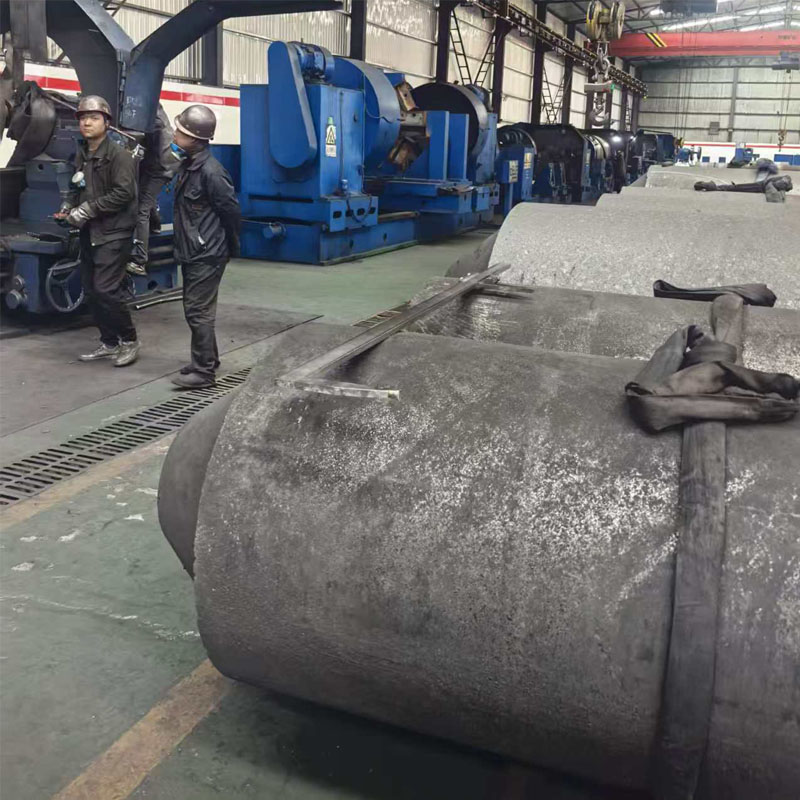
One significant hurdle is the carbon footprint. Producing coal tar involves burning coal, which is carbon-intensive. Efforts to mitigate this often collide with economic realities. Transitioning to less harmful production techniques isn’t just an environmental decision—it’s a financial one too, demanding investments and shifts in the traditional industry mindset.
There is also the matter of chemical waste, where regulation comes into play. The need to adhere to environmental standards often drives companies to innovate. It’s not just about compliance but also about envisioning new methods that don’t compromise product quality. As Hebei Yaofa’s extensive experience shows, blending tradition with modernity is complex but necessary.
Success stories exist, but they are isolated. Where a company like Hebei Yaofa might advance in sustainability, others lag, creating an uneven industrial landscape that makes industry-wide change challenging. Could a collective push make a difference? Possibly, but consensus is rare.
Innovative Practices
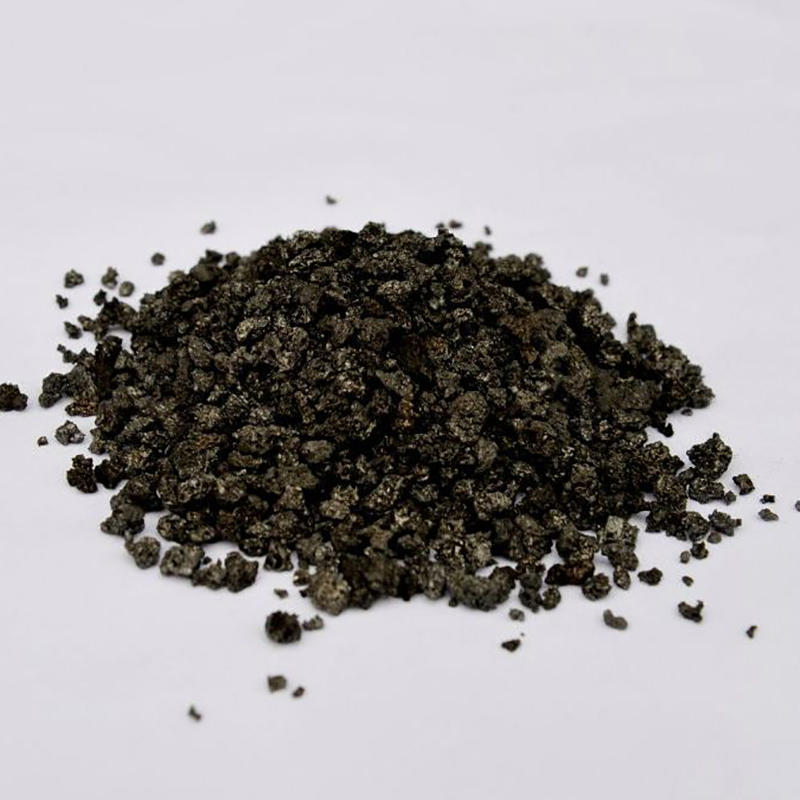
Carbon manufacturers are exploring alternative production avenues. Some have considered biomass or other renewable resources, albeit with mixed results. The technology wasn’t always there, but progress is encouraging. For Hebei Yaofa Carbon Co., Ltd., experimenting with alternative processes has been part of their strategy, recognizing the potential benefits as well as the challenges.
Furthermore, partnerships with environmental agencies or research institutions can foster innovation. Often, external perspectives help identify overlooked aspects of sustainability. While such cooperation sometimes slows initial progress, in the long term, it builds a more sustainable model.
Adopting advanced technology, however, isn’t straightforward. It involves retraining workforces, modifying existing setups, and ensuring compliance with both local and international standards, which is far from simple.
The Economic Balance
How does one balance economic viability with environmental responsibility? This is a classic dilemma. Coal tar production remains essential due to its unique properties. Yet, the pressure to be eco-friendly mounts. Companies like Hebei Yaofa must weigh cost against sustainability, knowing that consumer awareness is growing.
Resource efficiency and recycling in production can cut costs significantly. Hebei Yaofa’s experience in producing carbon products more efficiently, aligning economic goals with sustainability, suggests a pathway forward. The results aren’t instantaneous, but small changes accumulate over time, leading to significant impacts.
Industry leaders also look at diversification. Perhaps investing in other areas of carbon applications could provide a buffer, allowing them to invest more heavily in sustainable practices without risking economic stability.
Etorkizuneko ikuspegia
Looking ahead, the focus on sustainability will intensify. Regulatory pressures aren’t going away; if anything, they’ll tighten. For an entity like Hebei Yaofa Carbon Co., Ltd., this means continuous adaptation and staying ahead of the curve through innovation and smart resource management.
The opportunity lies in anticipating change rather than reacting to it. Investing in R&D today can lead to groundbreaking practices tomorrow. Companies must think long-term, an approach that isn’t easy but crucial for aligning industry practices with the needs of the planet.
Ultimately, the impact of coal tar medicine on sustainability isn’t a single-story narrative. It’s a complex web of practices, innovations, and ongoing challenges, where each player has a role. Balancing medical efficacy with environmental stewardship is the goal, and though challenging, it’s a pursuit that companies like Hebei Yaofa are well-positioned to undertake with their extensive industry experience.