- English
- Chinese
- French
- German
- Portuguese
- Spanish
- Russian
- Japanese
- Korean
- Arabic
- Irish
- Greek
- Turkish
- Italian
- Danish
- Romanian
- Indonesian
- Czech
- Afrikaans
- Swedish
- Polish
- Catalan
- Esperanto
- Hindi
- Lao
- Albanian
- Amharic
- Armenian
- Azerbaijani
- Belarusian
- Bengali
- Bosnian
- Bulgarian
- Cebuano
- Chichewa
- Corsican
- Croatian
- Dutch
- Estonian
- Filipino
- Finnish
- Frisian
- Galician
- Georgian
- Gujarati
- Haitian
- Hausa
- Hawaiian
- Hebrew
- Hmong
- Hungarian
- Icelandic
- Igbo
- Javanese
- Kannada
- Kazakh
- Khmer
- Kurdish
- Kyrgyz
- Latin
- Latvian
- Lithuanian
- Luxembou..
- Macedonian
- Malagasy
- Malay
- Malayalam
- Maltese
- Maori
- Marathi
- Mongolian
- Burmese
- Nepali
- Norwegian
- Pashto
- Persian
- Punjabi
- Serbian
- Sesotho
- Sinhala
- Slovak
- Slovenian
- Somali
- Samoan
- Scots Gaelic
- Shona
- Sindhi
- Sundanese
- Swahili
- Tajik
- Tamil
- Telugu
- Thai
- Ukrainian
- Urdu
- Uzbek
- Vietnamese
- Welsh
- Xhosa
- Yiddish
- Yoruba
- Zulu
- Kinyarwanda
- Tatar
- Oriya
- Turkmen
- Uyghur



What are coal tar oil uses in industry today?
2026-01-31
In the landscape of modern industry, the role of ikatza tar olioa is often overshadowed by more talked-about materials. Yet, behind the scenes, its applications are both diverse and critical. Often misconceived as merely a byproduct, this complex oil holds the key to innovative solutions in multiple sectors. Let’s delve into its real-world uses and how companies like Hebei Yaofa Carbon Co., Ltd. are paving the way.
Ikatza petrolioaren oinarriak
Coal tar oil comes from the distillation of coal tar, a process that sounds more antiquated than it is. In the time I’ve spent working with carbon products, seeing this transformation unfold never gets less fascinating. It’s a substance rich in phenols, naphthalenes, and other hydrocarbons – the kind of stuff that industry loves for its versatility.
Despite its potential, there’s a lot of misunderstanding around how coal tar oil can be used. Commonly labeled as just a basic industrial solvent, the truth is, this oil finds its way into the making of countless other things. From its involvement in processes to its end-use in materials, its role is often more vital than it’s given credit for.
Hebei Yaofa Carbon Co., Ltd., a frontrunner in carbon materials, might utilize these distinct properties in various applications, further reinforcing why understanding this substance is crucial. You can see more about their contributions at their site: Hebei yaofa karbonoa.
Aplikazioak Industria Kimikoan
The chemical industry, always on the lookout for efficient materials, finds coal tar oil exceptionally handy. It’s a base component in the production of synthetic dyes, explosives, and pharmaceuticals. Having worked in this sector for years, I can attest that coal tar derivatives are irreplaceable when it comes to specific chemical bonding requirements.
There’s an anecdote I recall about trying to substitute coal tar with a more ‘modern’ chemical. It was more of a disaster than a breakthrough, and it reinforced my respect for coal tar oil’s irreplaceability. Companies often experiment like this, which is why it’s so important to approach each new substitute with both enthusiasm and caution.
The precision in production extends to companies like Hebei Yaofa Carbon, as their carbon materials benefit significantly from the refined processes associated with coal tar oil derivatives.
Role in Building and Construction
Beyond chemical synthesis, coal tar oil plays a significant part in building and construction. As someone who’s witnessed its application firsthand, I appreciate its contribution to waterproofing and corrosion protection solutions. These are areas where cutting corners simply isn’t an option.
In coatings and sealants, the oil’s intricate chemistry forms a protective layer, enhancing durability against the elements. Sure, new materials are on the horizon, but coal tar oils offer a cost-effectiveness and reliability that few synthetics can match.
This is particularly true in regions where construction demands high resilience; such real-world applications validate why Hebei Yaofa Carbon’s experience, detailed at Hebei yaofa karbonoa, is instrumental in quality assurance.
Energy Sector Contributions
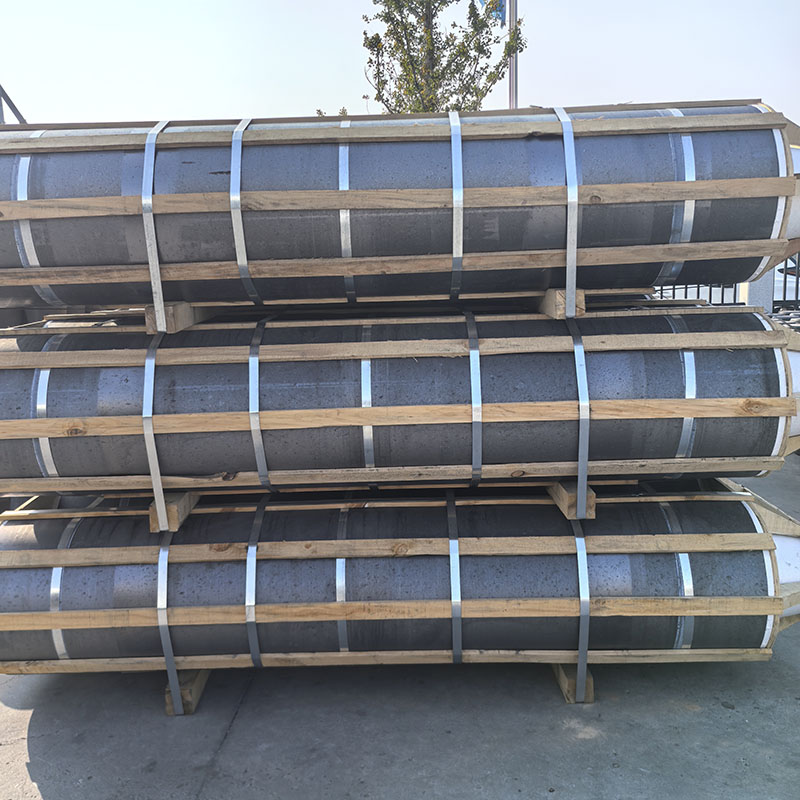
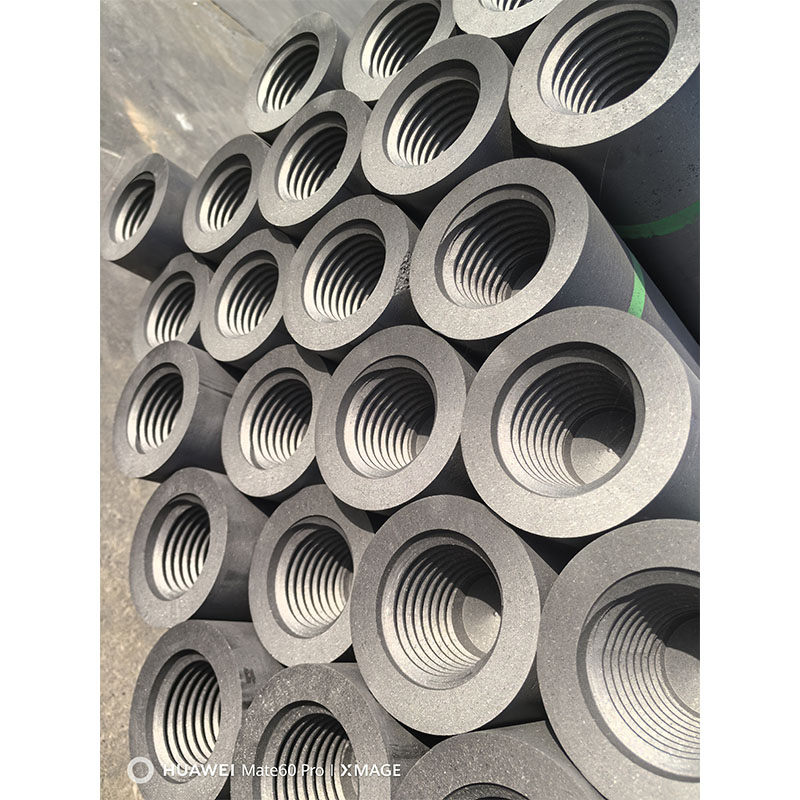
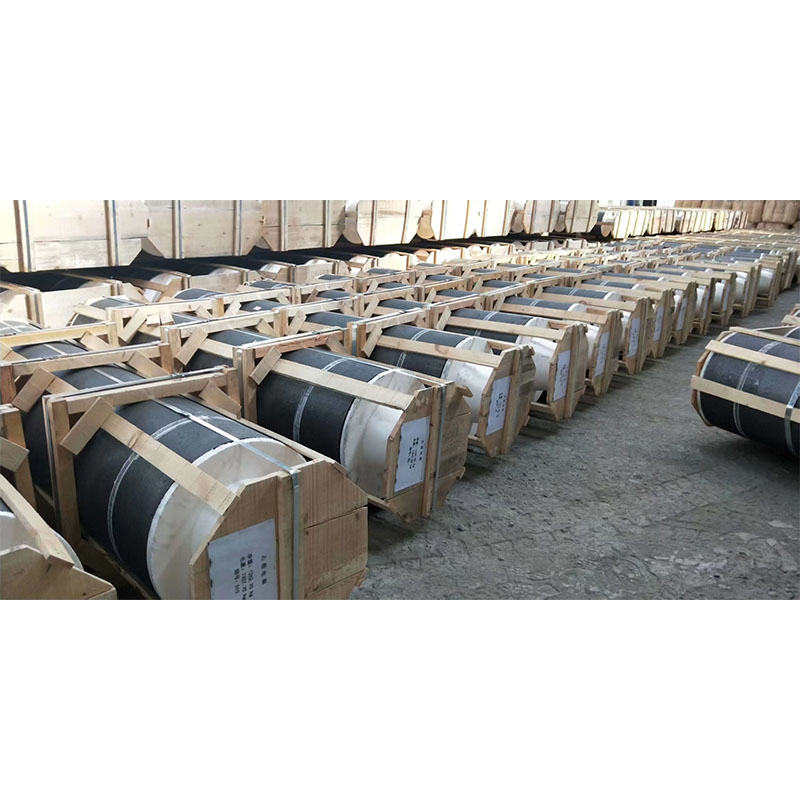
Let’s not overlook the energy sector, where coal tar oil finds a niche. It’s used in the manufacturing of electrodes and graphite products. This is another area where Hebei Yaofa Carbon’s expertise comes into play. Their work in producing UHP/HP/RP grade graphite electrodes demonstrates the oil’s potential expanded utility.
During a project involving electrode production, there was a notable realization of how crucial coal tar oil was in controlling electrical conductivity and stability. Without it, many processes would be inefficient or too costly to execute.
It’s a reminder that sometimes the lesser-discussed components, like those provided by companies at their official page Hebei yaofa karbonoa, hold the most critical roles in cutting-edge industry functions.
Mundu errealeko erronkak eta gogoetak
While all these prospects sound promising, working with coal tar oil isn’t without its challenges. Handling it requires specific safety protocols, given its composition. I’ve seen firsthand how lapses in handling can lead to unwanted incidents, emphasizing the need for proper training and respect for material safety.
There’s also the environmental aspect that can’t be ignored. Transitioning towards more sustainable practices is crucial, and fortunately, many companies are already exploring methods to mitigate environmental impacts while continuing to benefit from coal tar oil’s unique properties.
In closing, the expansive use of coal tar oil in modern industry is a testament to its enduring value. Companies like Hebei Yaofa Carbon Co., Ltd. thrive by integrating such versatile materials into their operational ethos, establishing reliability across multiple industrial applications and maintaining a robust presence in the global market. Their efforts might just be the standard that guides future endeavors in this domain.