
- Chinese
- French
- German
- Portuguese
- Spanish
- Russian
- Japanese
- Korean
- Arabic
- Irish
- Greek
- Turkish
- Italian
- Danish
- Romanian
- Indonesian
- Czech
- Afrikaans
- Swedish
- Polish
- Basque
- Catalan
- Esperanto
- Hindi
- Lao
- Albanian
- Amharic
- Armenian
- Azerbaijani
- Belarusian
- Bengali
- Bosnian
- Bulgarian
- Cebuano
- Chichewa
- Corsican
- Croatian
- Dutch
- Estonian
- Filipino
- Finnish
- Frisian
- Galician
- Georgian
- Gujarati
- Haitian
- Hausa
- Hawaiian
- Hebrew
- Hmong
- Hungarian
- Icelandic
- Igbo
- Javanese
- Kannada
- Kazakh
- Khmer
- Kurdish
- Kyrgyz
- Latin
- Latvian
- Lithuanian
- Luxembou..
- Macedonian
- Malagasy
- Malay
- Malayalam
- Maltese
- Maori
- Marathi
- Mongolian
- Burmese
- Nepali
- Norwegian
- Pashto
- Persian
- Punjabi
- Serbian
- Sesotho
- Sinhala
- Slovak
- Slovenian
- Somali
- Samoan
- Scots Gaelic
- Shona
- Sindhi
- Sundanese
- Swahili
- Tajik
- Tamil
- Telugu
- Thai
- Ukrainian
- Urdu
- Uzbek
- Vietnamese
- Welsh
- Xhosa
- Yiddish
- Yoruba
- Zulu
- Kinyarwanda
- Tatar
- Oriya
- Turkmen
- Uyghur



-
HP high power graphite electrode
-
UHP ultra high power graphite electrode
-
High-power graphite electrodes: the preferred choice for energy saving, reduced consumption, and improved steelmaking efficiency
-
Graphite Crucible
-
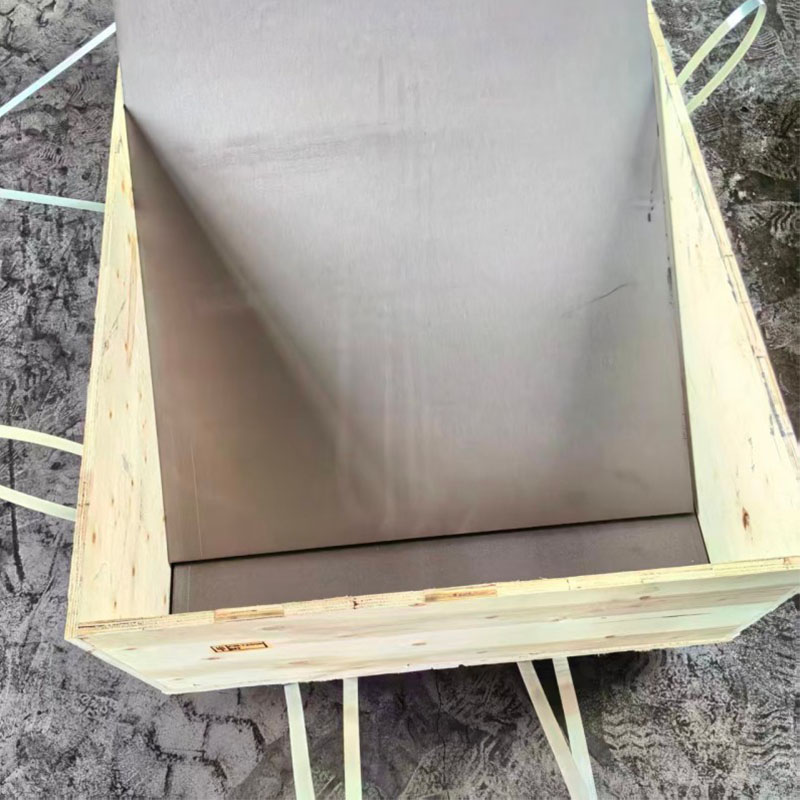
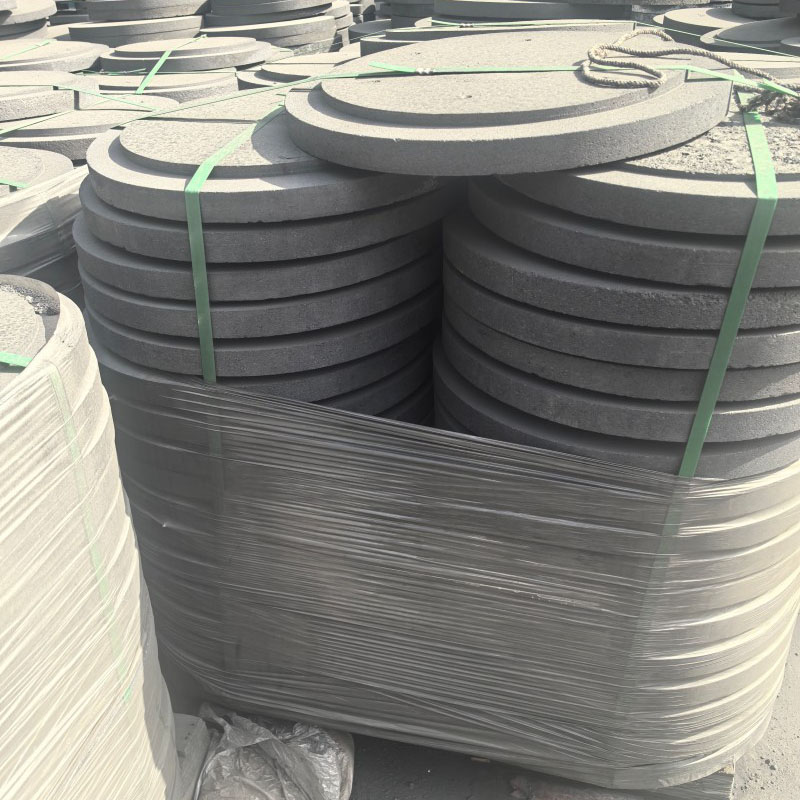
High-temperature resistant graphite plates: conductive, thermally conductive, and corrosion-resistant; custom processing available for industrial furnaces
-
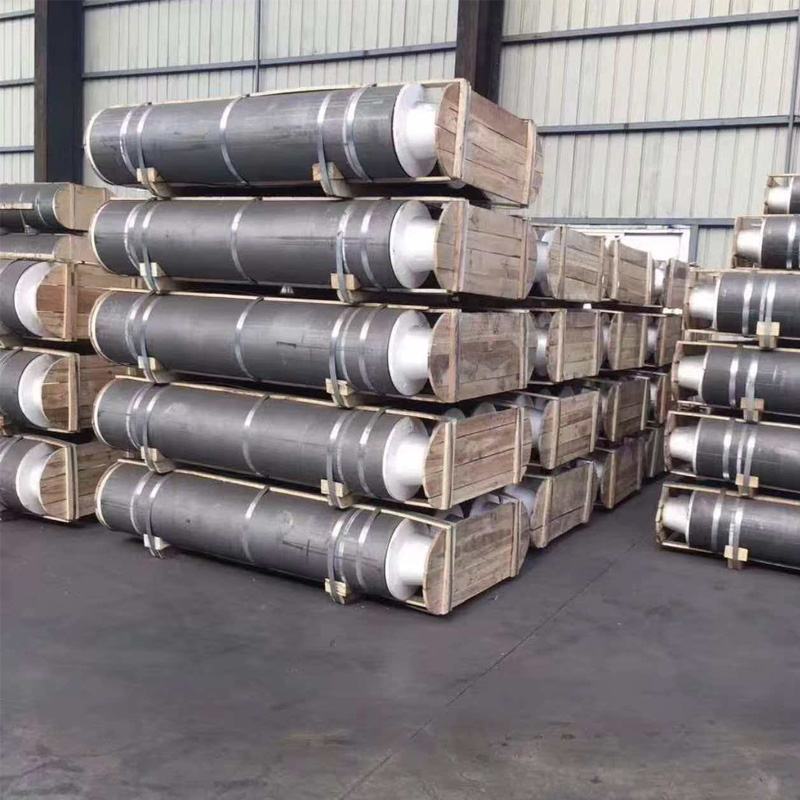
450mm ultra-high/high-power graphite electrodes, high density and low resistance, supplied directly from the manufacturer.
-
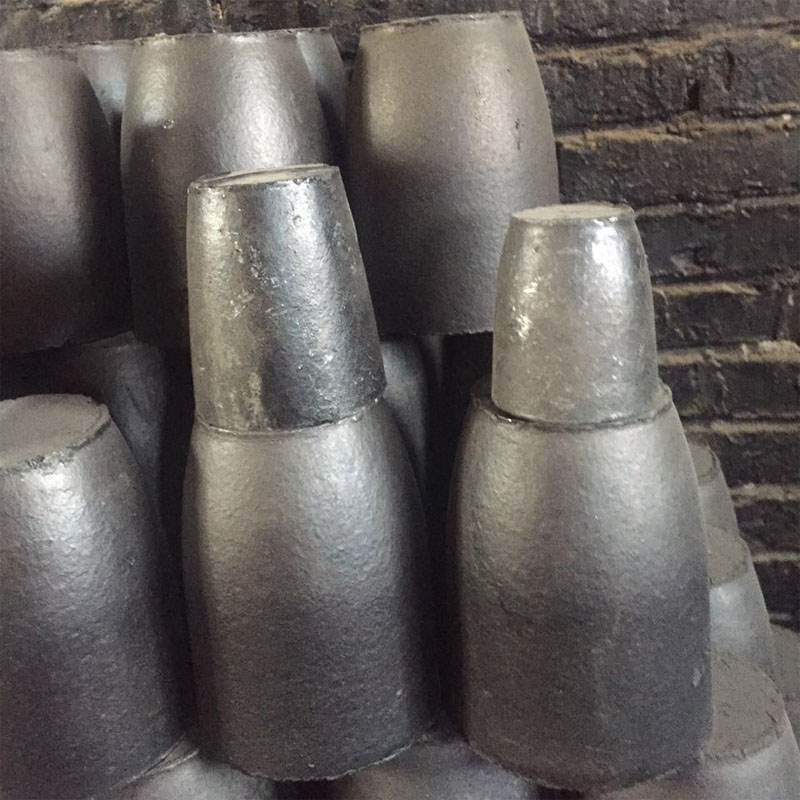
High-temperature resistant silicon carbide crucible, specially designed for melting aluminum and copper, corrosion-resistant and impact-resistant, direct from the manufacturer.
-
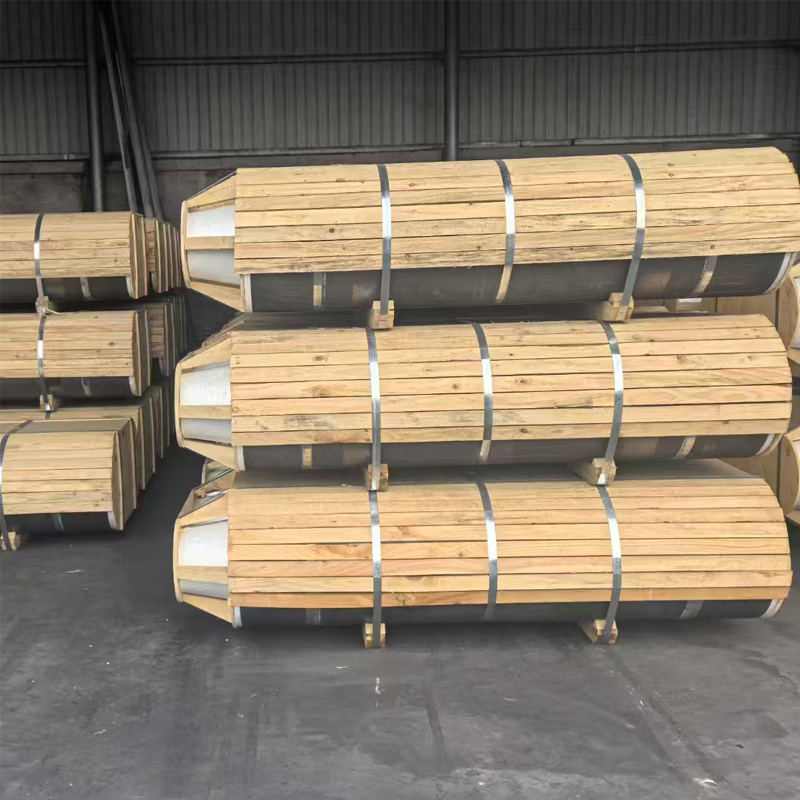
High-quality graphite electrodes, 600mm size, worldwide shipping available
-
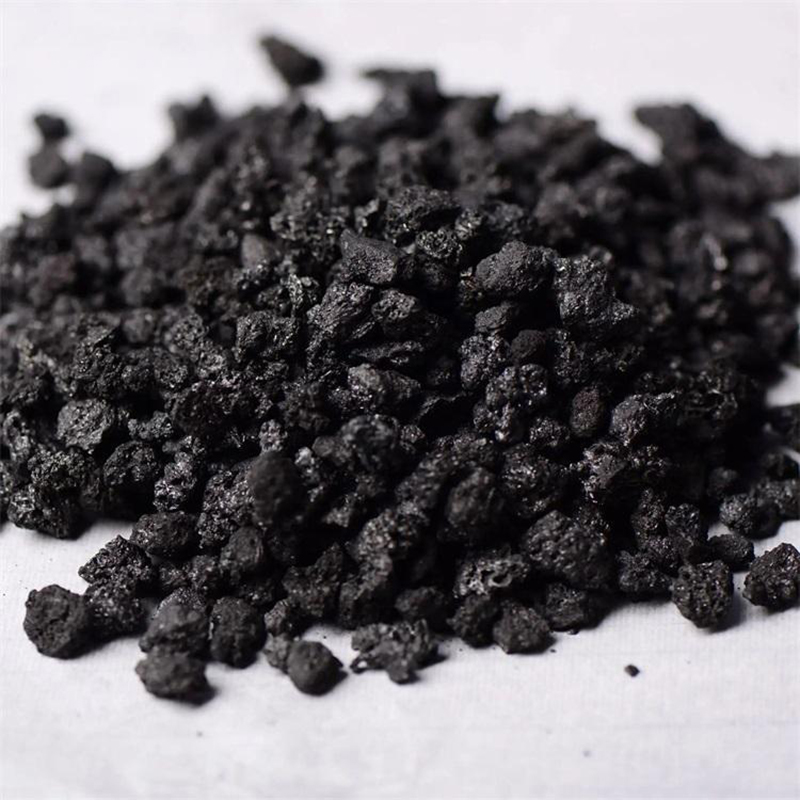
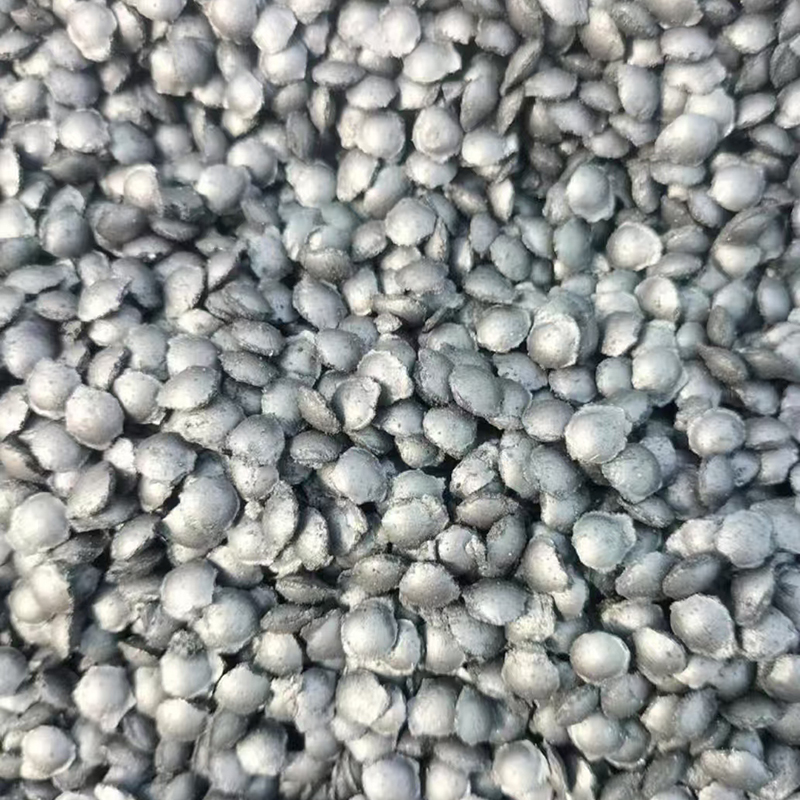
Granular carburizer
-
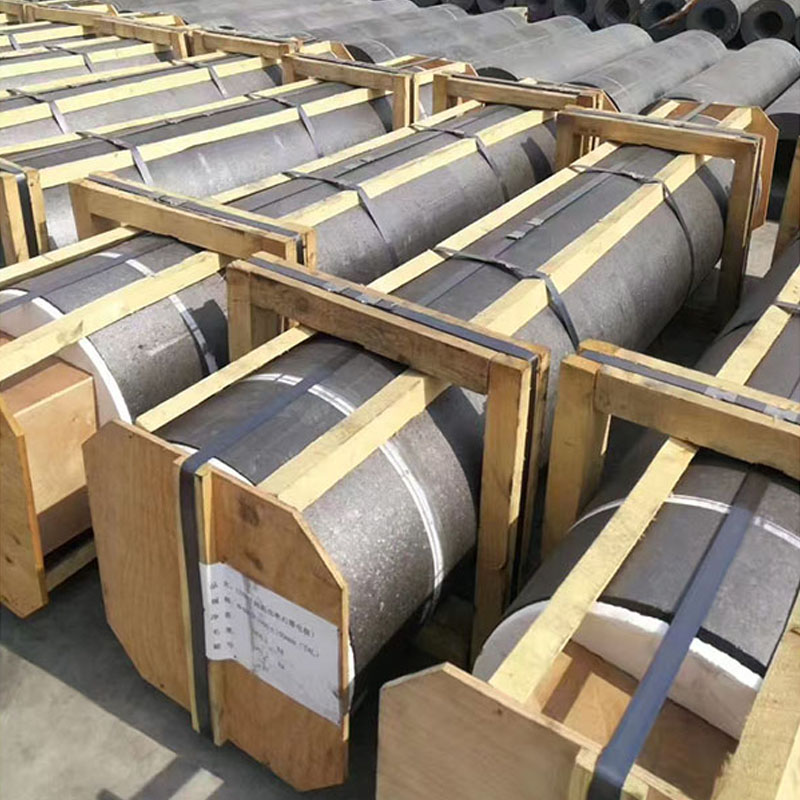
600mm diameter high-power and ultra-high-power graphite electrodes, electrically conductive, high-temperature resistant, industrial-grade, stable and durable.
-
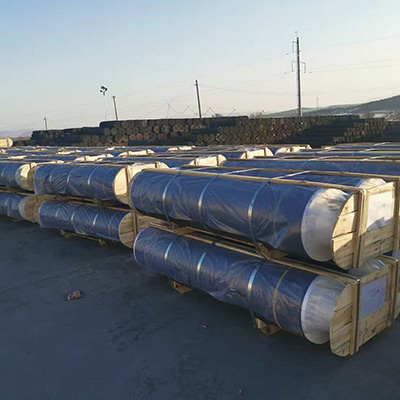
High-power graphite electrodes, 600 mm diameter, for export.
-
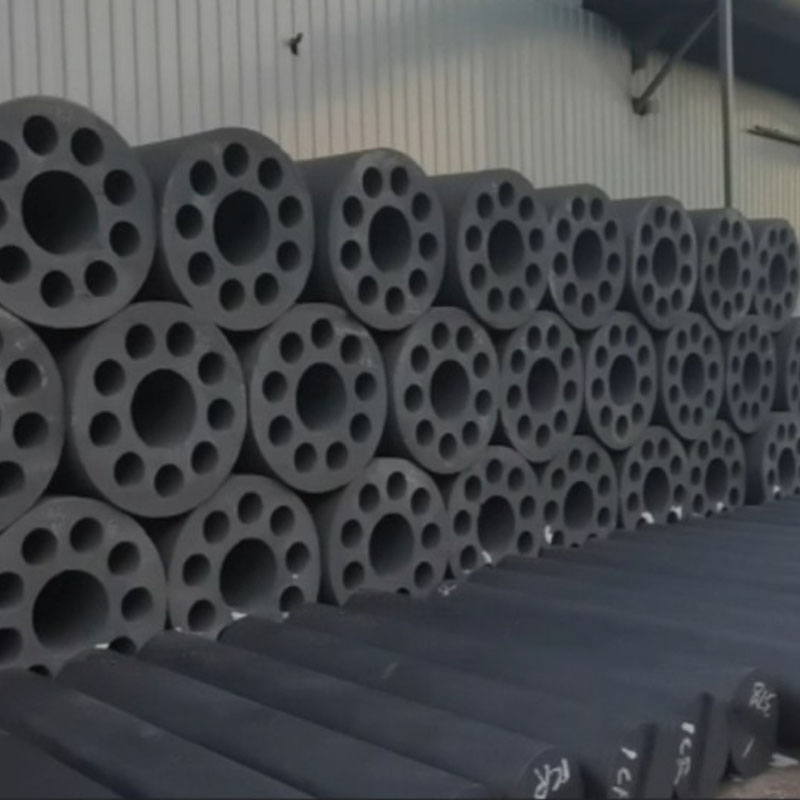
Nine-hole crucible specifically designed for negative electrode materials; features low impurity content, high temperature resistance, and compatibility with graphitization processes
-
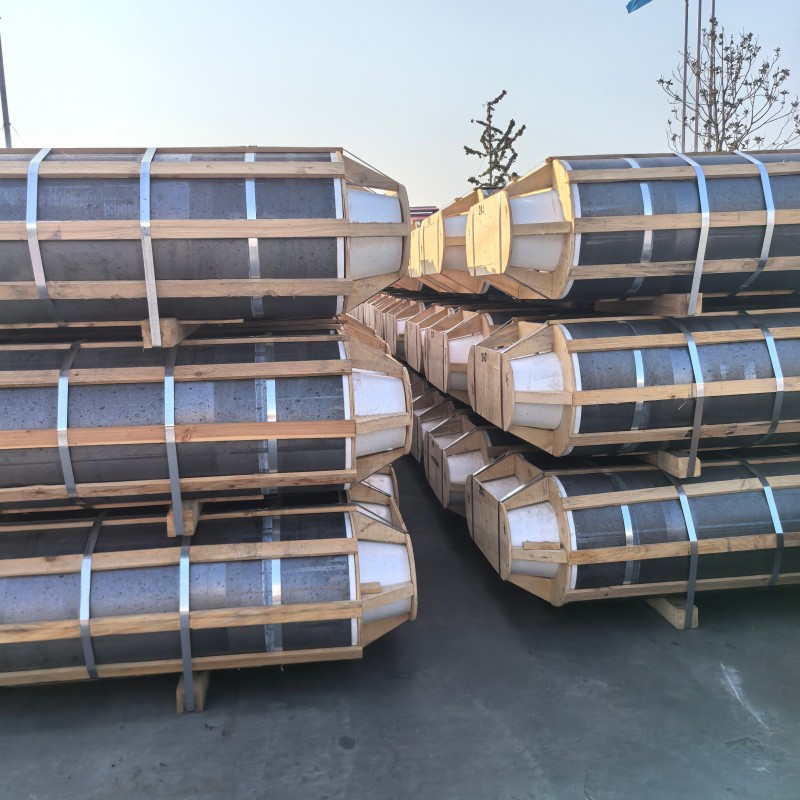
Metallurgical steelmaking ultra-high power graphite electrodes, high temperature resistant and impact resistant, direct supply from the manufacturer
-
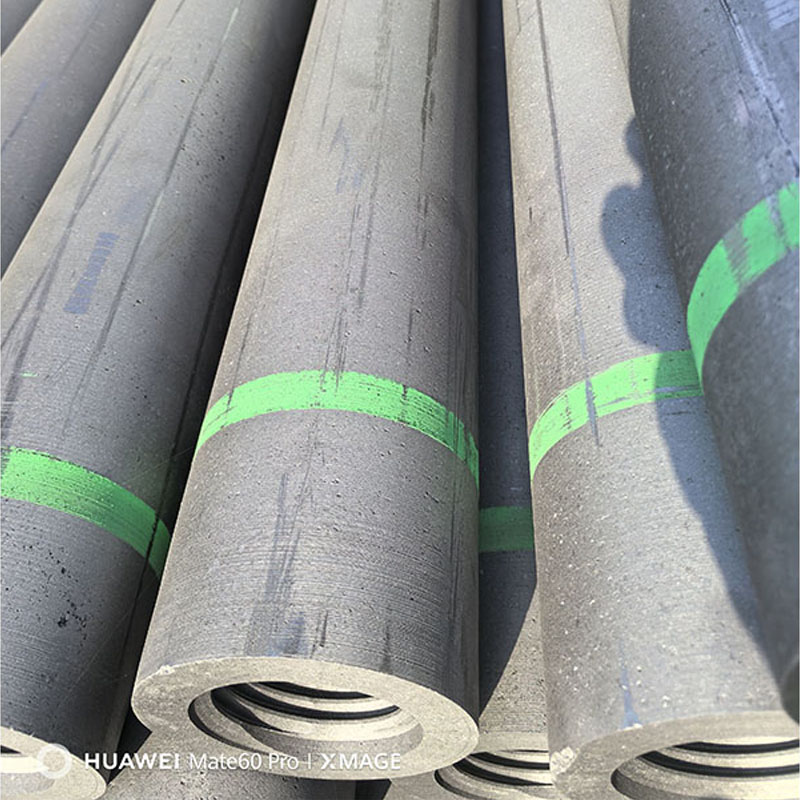
High-power graphite electrode anti-oxidation coating: high temperature resistance, wear protection, and extended electrode lifespan.
-
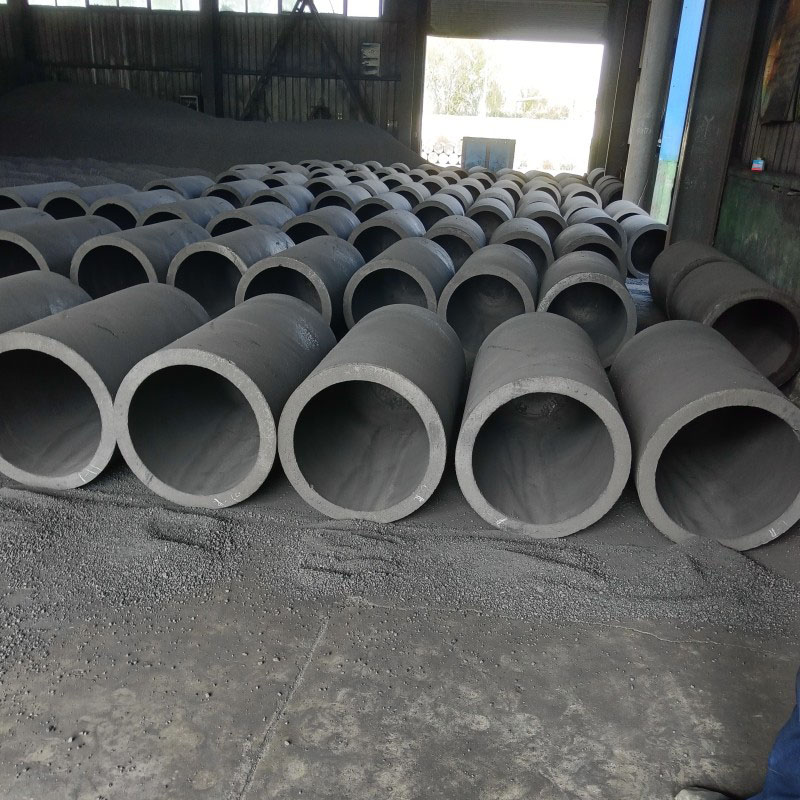
Graphite crucibles specifically designed for negative electrode materials: high temperature resistance and oxidation resistance; ideal for lithium-ion battery production
-
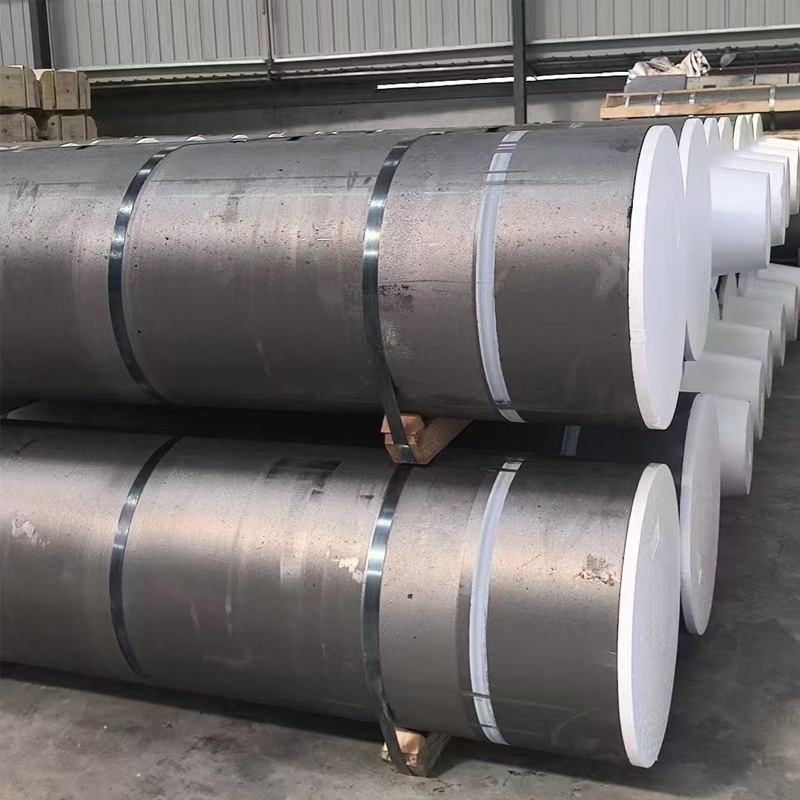
550mm ultra-high power/high-power graphite electrodes: Low resistance, high density, and a pioneer in reducing energy consumption
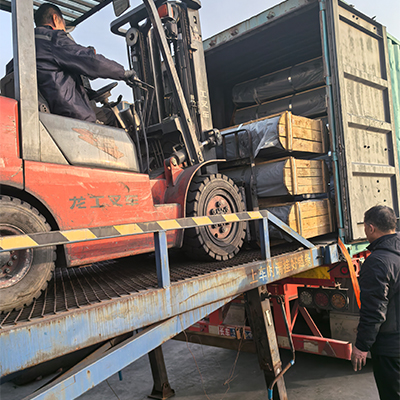
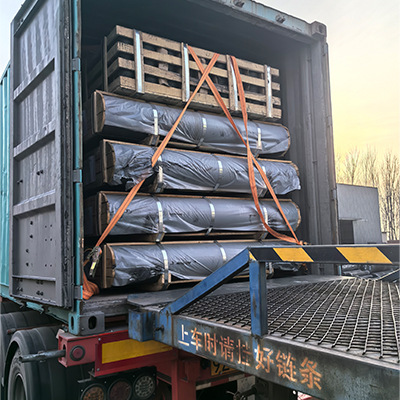
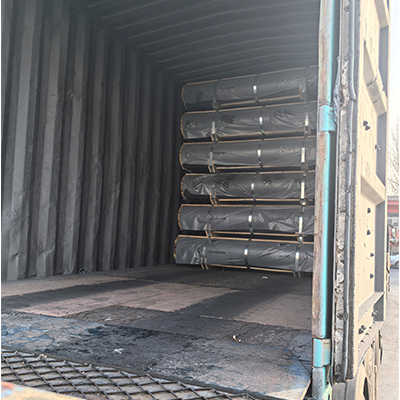
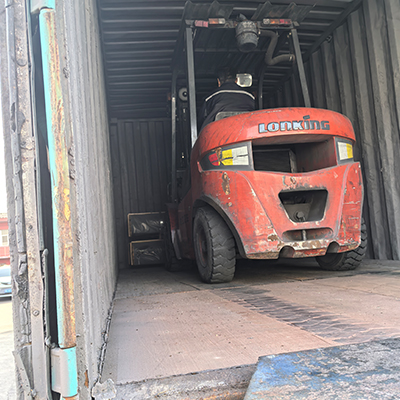
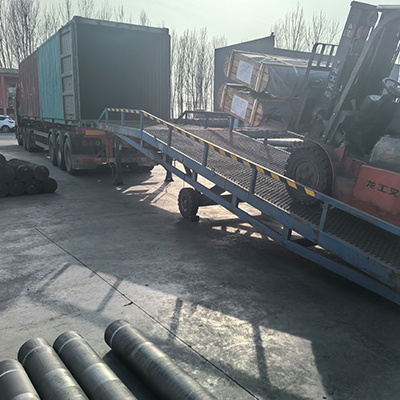
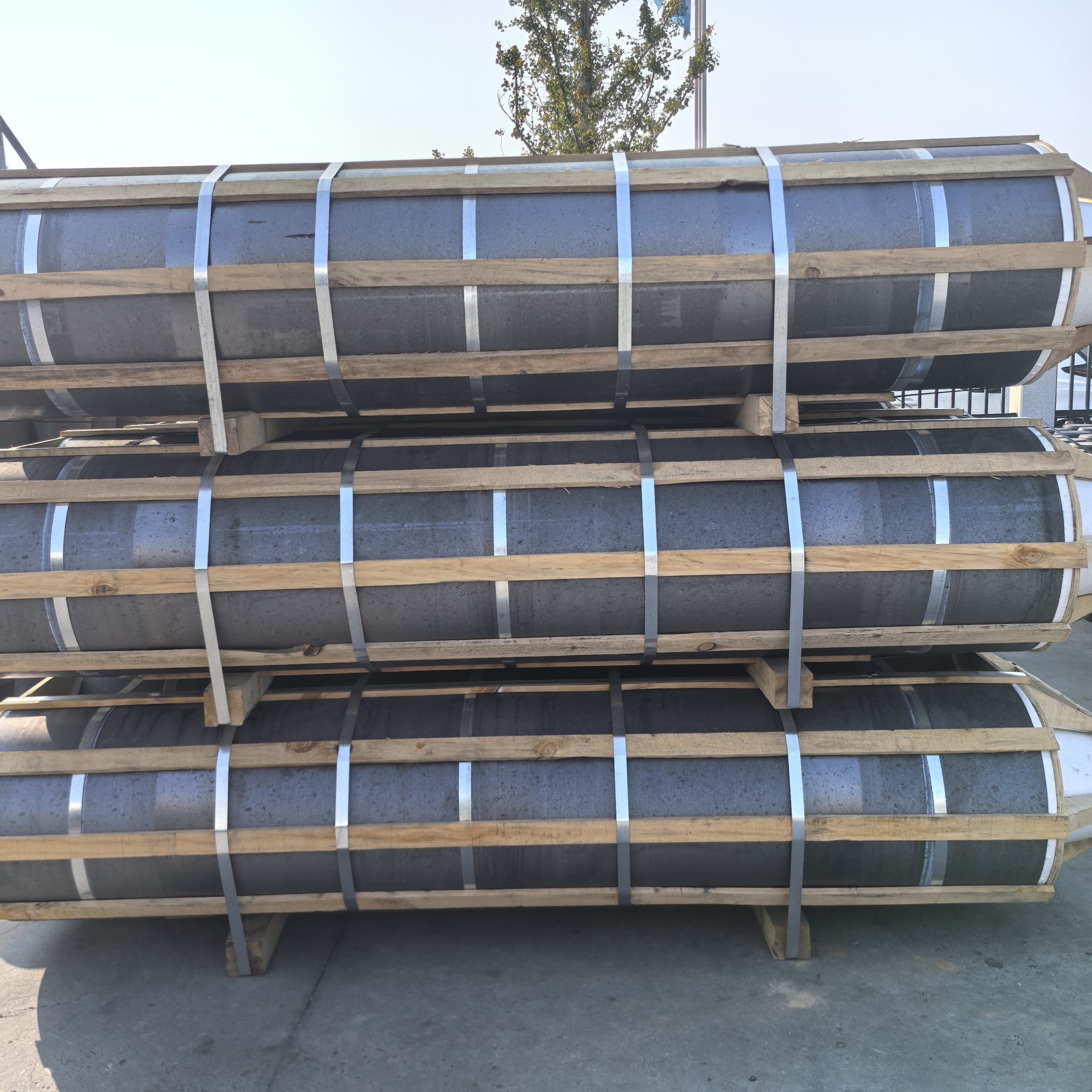
Factory direct sale! UHP ultra-high power electrodes, specifically designed for electric arc furnaces and refining furnaces.
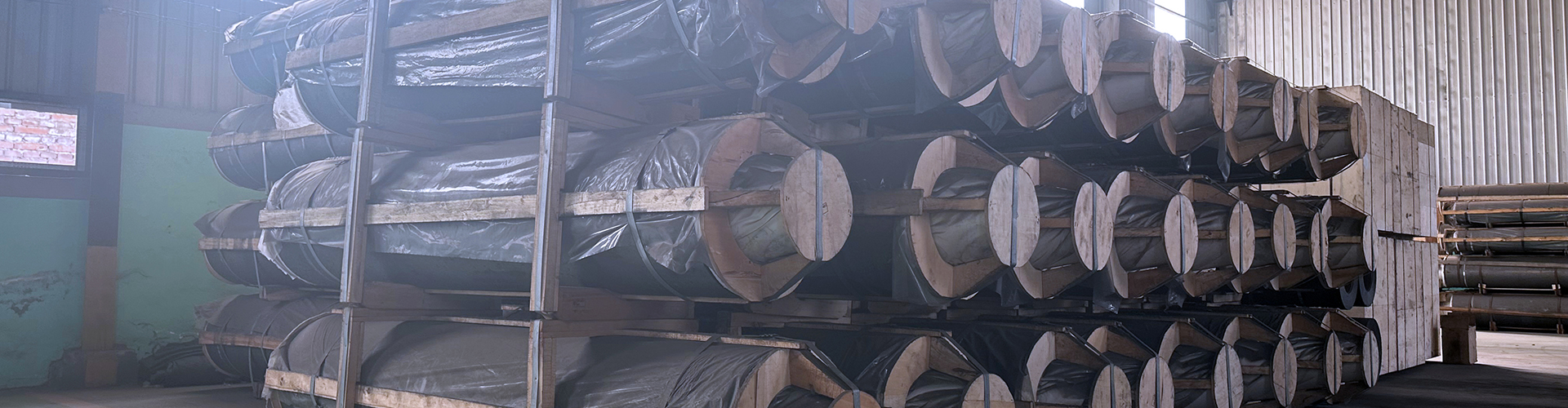
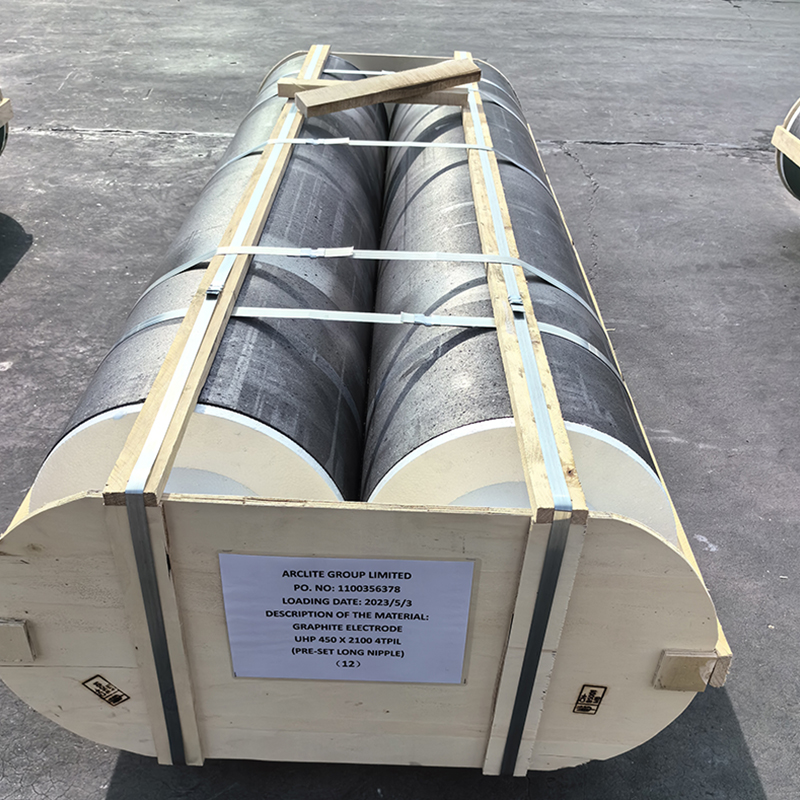
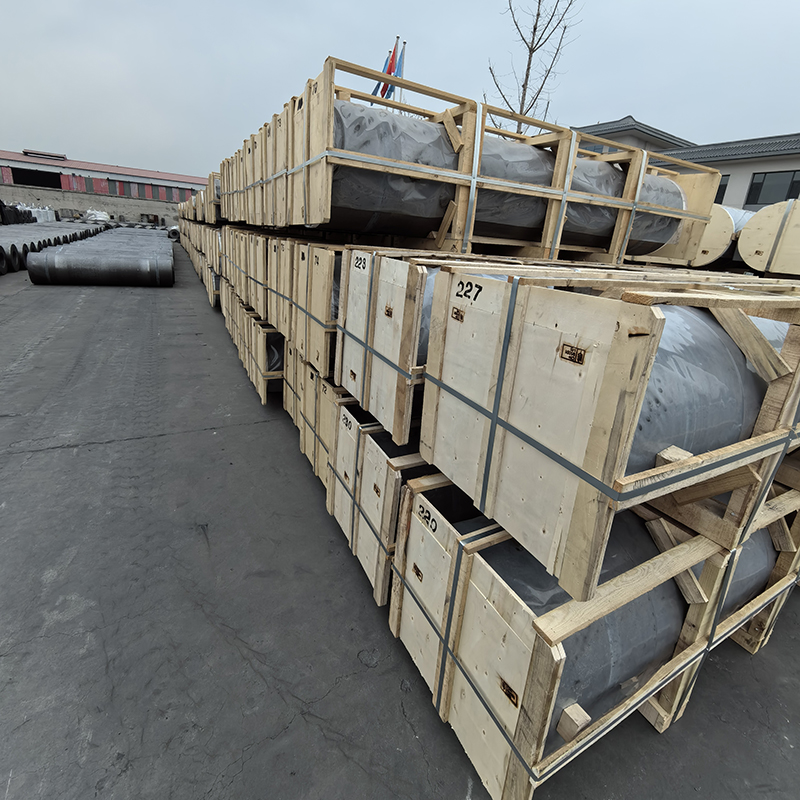
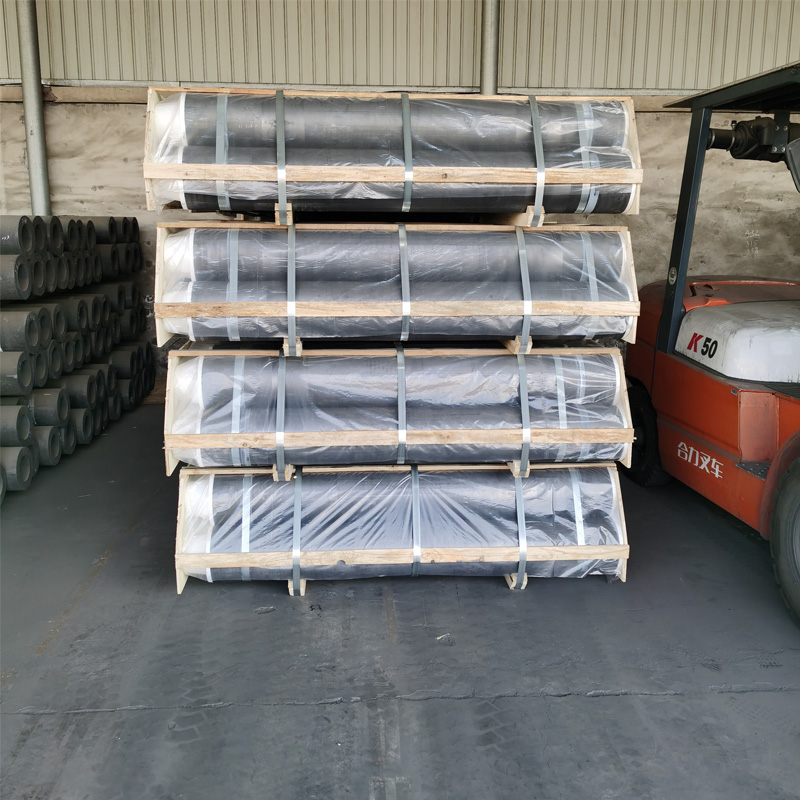
UHP Ultra-High Power Graphite Electrode Details UHP (Ultra-High Power) graphite electrodes are a core conductive material in modern metallurgical industries, designed to withstand extreme current loads. They are primarily used in electric arc furnace steelmaking and high-end alloy smelting, an...
Description
marker
UHP Ultra-High Power Graphite Electrode Details
UHP (Ultra-High Power) graphite electrodes are a core conductive material in modern metallurgical industries, designed to withstand extreme current loads. They are primarily used in electric arc furnace steelmaking and high-end alloy smelting, and their advantages of low energy consumption and high stability make them a key consumable for industrial upgrading.
I. Core Definition and Performance Advantages
- Core Positioning: Capable of withstanding current densities above 25 A/cm² (up to 40 A/cm²), achieving efficient melting through high-temperature electric arcs exceeding 3000°C generated between the electrode tip and the furnace charge. They are a core component of ultra-high power electric arc furnaces (EAFs) and refining furnaces.
- Key Performance Parameters:
- Electrical Conductivity: Resistivity ≤ 6.2 μΩ·m (some high-end products as low as 4.2 μΩ·m), far superior to ordinary high-power (HP) electrodes;
- Mechanical Strength: Flexural strength ≥ 10 MPa (joints can reach over 20 MPa), able to withstand charging impacts and electromagnetic vibrations;
- Thermal Stability: Coefficient of thermal expansion only 1.0-1.5 × 10⁻⁶/℃, not prone to cracking or spalling under rapid heating and cooling;
- Chemical Characteristics: Ash content ≤ 0.2%, density 1.64-1.76 g/cm³, strong oxidation and corrosion resistance, resulting in lower consumption per ton of steel.
II. Core Production Process and Raw Materials
- Key Raw Materials: Using 100% high-quality petroleum-based needle coke (ensuring low expansion and high conductivity), combined with modified medium-temperature pitch binder (softening point 108-112°C) and low quinoline insoluble (QI ≤ 0.5%) impregnating agent. - Core Process: The process involves ingredient mixing and kneading → extrusion molding → calcination (twice) → high-pressure impregnation (once for the electrode body, three times for the connector) → graphitization (in-line process at over 2800℃) → mechanical processing. Precise temperature control and parameter optimization ensure product accuracy (straightness tolerance ±10mm/50m) and performance stability.
- Process Innovation: The optimized "one impregnation, two calcination" process shortens the production cycle by 15-30 days compared to traditional methods, reducing costs by approximately 2000 RMB/ton, while maintaining excellent thermal shock resistance.
III. Main Application Scenarios
- Leading Field: AC/DC ultra-high power electric arc furnace steelmaking, used in the production of high-quality alloy steel and special steel, improving smelting efficiency by more than 30% and reducing energy consumption by 15%-20%;
- Expanded Applications: Smelting of high-end materials such as industrial silicon, ferrosilicon, and yellow phosphorus in submerged arc furnaces, as well as the production of high-temperature products such as corundum and abrasives, adaptable to different specifications of electric furnaces (diameter 12-28 inches, current carrying capacity 22000-120000A).
IV. Industry Value and Development Trends
- Core Value: Driving the transformation of electric arc furnace steelmaking towards "faster, cleaner, and more efficient" processes, it is a key material for energy saving and emission reduction in the steel industry and for coping with carbon tariffs. Its market share is expected to exceed 60% of the total graphite electrode demand by 2025, with a price of approximately 18,000 RMB/ton;
- Technological Direction: Focusing on graphene coating modification (reducing contact resistance by 40%), silicon carbide composite reinforcement, intelligent manufacturing (digital twin process simulation), and circular economy (dust recovery rate 99.9%+ waste heat recovery), to further improve lifespan and environmental friendliness.
contact us
Related popular products
600mm diameter high-power and ultra-high-power graphite electrodes, electrically conductive, high-temperature resistant, industrial-grade, stable and durable.
High-power graphite electrodes offer excellent temperature resistance, making them suitable for h...
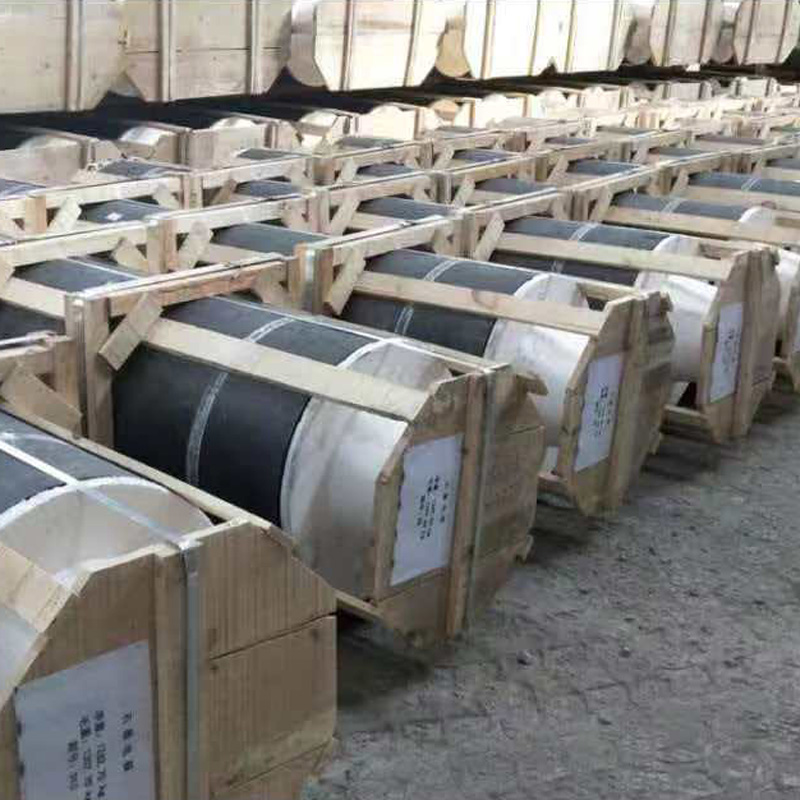
600mm ultra-high power graphite electrodes with high density and low resistance: setting a new benchmark for smelting efficiency
Focusing on 600mm ultra-large diameter, ultra-high power graphite electrodes, we select high-puri...
Graphite crucibles specifically designed for negative electrode materials: high temperature resistance and oxidation resistance; ideal for lithium-ion battery production
The anode-specific crucible is a high-end refractory container custom-developed for lithium-ion b...
High-power graphite electrode anti-oxidation coating: high temperature resistance, wear protection, and extended electrode lifespan.
This high-power graphite electrode anti-oxidation coating is specifically developed for high-temp...
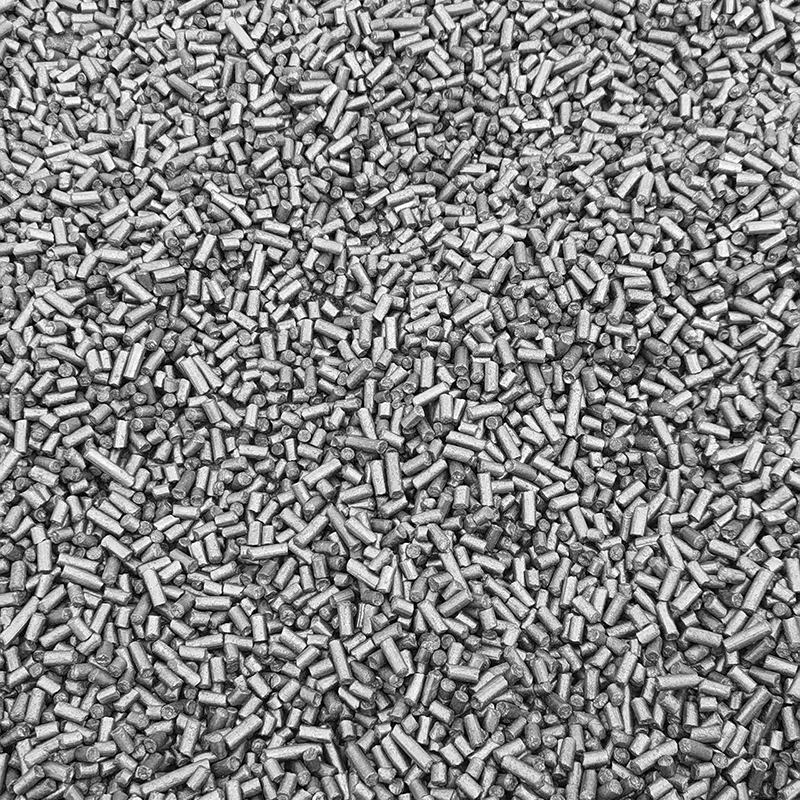
Columnar carburizer
Columnar carburizer Main ingredients •Carbon is the main ingredient, and the carbon content is us...
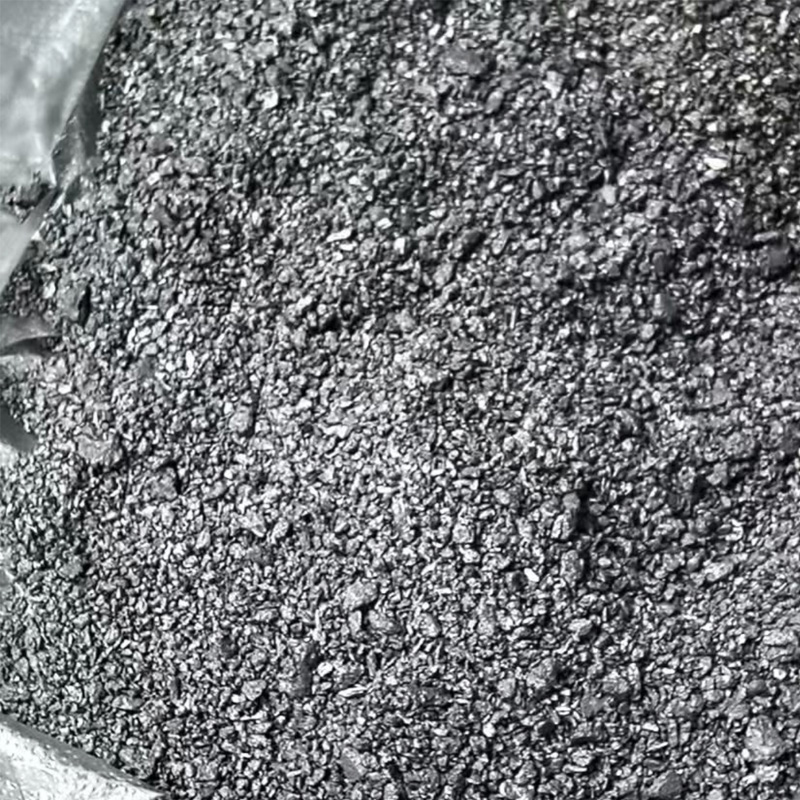
Calcined petroleum coke carbon additive: high absorption rate, adjustable particle size, ideal for casting and metallurgy
Petroleum coke recarburizer is a core recarburizing material in the steelmaking and casting indus...
HP high power graphite electrode
HP high power graphite electrode Short description: Type: HP graphite electrode Application: stee...
High-power graphite electrodes, 600 mm diameter, for export.
Export-grade 600mm high-power graphite electrodes, featuring pure and reliable quality, high dens...
450mm ultra-high/high-power graphite electrodes, high density and low resistance, supplied directly from the manufacturer.
These 450mm ultra-high power/high-power graphite electrodes are independently developed and manuf...
550mm ultra-high power/high-power graphite electrodes: Low resistance, high density, and a pioneer in reducing energy consumption
The 550mm ultra-high power/high-power graphite electrodes are made from carefully selected high-q...
UHP ultra high power graphite electrode
UHP ultra high power graphite electrode UHP graphite electrodes are mainly used in ultra-h...
Nine-hole crucible specifically designed for negative electrode materials; features low impurity content, high temperature resistance, and compatibility with graphitization processes
The nine-hole crucible is a high-end refractory container specifically designed for multi-station...
High-quality graphite electrodes, 600mm size, worldwide shipping available
600 high-power graphite electrodes, suitable for various electric arc furnace conditions. They fe...
High-temperature resistant graphite plates: conductive, thermally conductive, and corrosion-resistant; custom processing available for industrial furnaces
Graphite plates, made from natural or artificial graphite through precise manufacturing processes...
Metallurgical steelmaking ultra-high power graphite electrodes, high temperature resistant and impact resistant, direct supply from the manufacturer
Ultra-high power graphite electrodes are a core consumable in modern electric arc furnace steelma...
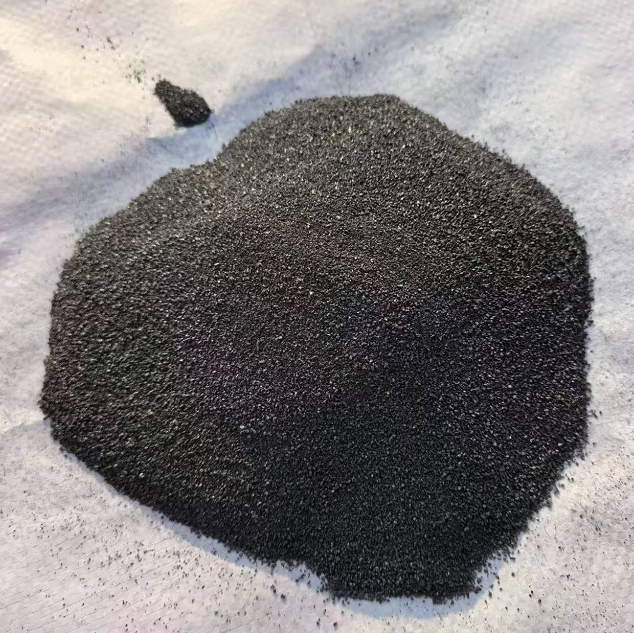
High-quality graphite powder available in stock, with a full range of specifications and customizable options.
Graphite powder particle size specifications: Particle sizes include 1-5mm, 0.2-1mm, 0-0.2mm, 0-2...