
- Chinese
- French
- German
- Portuguese
- Spanish
- Russian
- Japanese
- Korean
- Arabic
- Irish
- Greek
- Turkish
- Italian
- Danish
- Romanian
- Indonesian
- Czech
- Afrikaans
- Swedish
- Polish
- Basque
- Catalan
- Esperanto
- Hindi
- Lao
- Albanian
- Amharic
- Armenian
- Azerbaijani
- Belarusian
- Bengali
- Bosnian
- Bulgarian
- Cebuano
- Chichewa
- Corsican
- Croatian
- Dutch
- Estonian
- Filipino
- Finnish
- Frisian
- Galician
- Georgian
- Gujarati
- Haitian
- Hausa
- Hawaiian
- Hebrew
- Hmong
- Hungarian
- Icelandic
- Igbo
- Javanese
- Kannada
- Kazakh
- Khmer
- Kurdish
- Kyrgyz
- Latin
- Latvian
- Lithuanian
- Luxembou..
- Macedonian
- Malagasy
- Malay
- Malayalam
- Maltese
- Maori
- Marathi
- Mongolian
- Burmese
- Nepali
- Norwegian
- Pashto
- Persian
- Punjabi
- Serbian
- Sesotho
- Sinhala
- Slovak
- Slovenian
- Somali
- Samoan
- Scots Gaelic
- Shona
- Sindhi
- Sundanese
- Swahili
- Tajik
- Tamil
- Telugu
- Thai
- Ukrainian
- Urdu
- Uzbek
- Vietnamese
- Welsh
- Xhosa
- Yiddish
- Yoruba
- Zulu
- Kinyarwanda
- Tatar
- Oriya
- Turkmen
- Uyghur



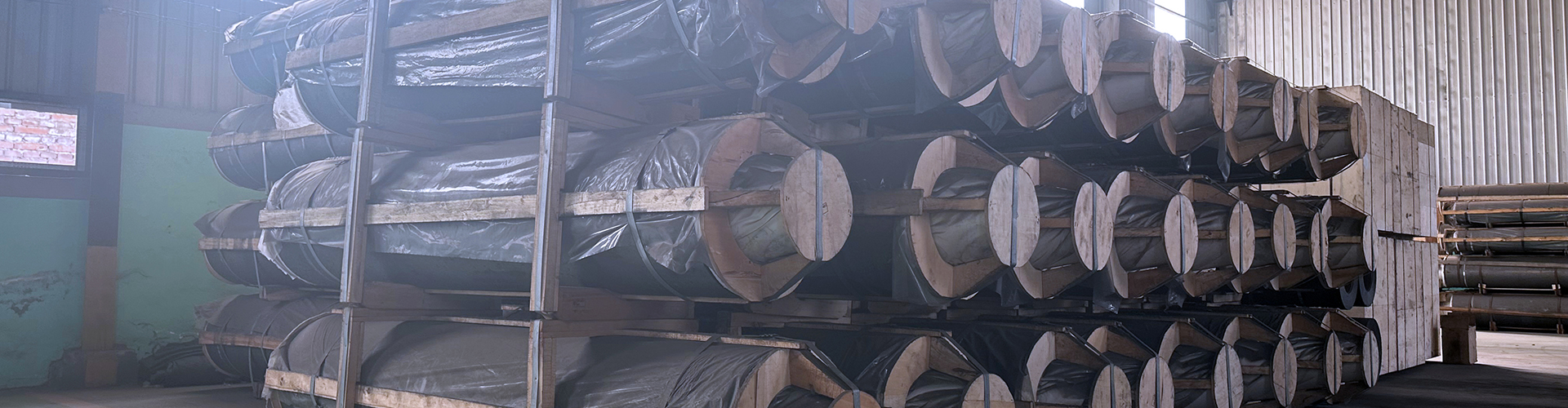
graphite bipolar plate Manufacturer
Understanding Graphite Bipolar Plate Manufacturers
The role of a graphite bipolar plate Manufacturer in the fuel cell industry is crucial yet often misunderstood. At a glance, it might seem straightforward, but dive deeper, and you'll discover nuances in the material handling, production techniques, and quality control that set apart a seasoned manufacturer from the rest.
The Significance of Graphite Bipolar Plates
Graphite bipolar plates are integral components in fuel cells, acting as conductors and separators for the cells. However, their function is not merely physical separation; they facilitate efficient electron flow, manage water and heat distribution, and withstand acidic environments. The manufacturing challenges are significant—balancing conductivity with impermeability and durability.
Working with Hebei Yaofa Carbon Co., Ltd. has given me profound insights into these challenges. With over 20 years in the carbon industry, Hebei Yaofa specializes in high-performance carbon materials and has an extensive product line ranging from carbon additives to graphite electrodes. Their expertise in carbon production directly enhances their ability to produce robust, reliable bipolar plates.
While many focus on the end-product, understanding the intricate steps in manufacturing is where the real differentiation lies. It's not merely about cutting and stacking the graphite but optimizing the material's properties at each stage of production.
Material Sourcing and Preparation
A critical first step in achieving a high-quality graphite bipolar plate is the sourcing of raw materials. Materials need to meet stringent quality standards for purity and density. Companies like Hebei Yaofa have deep supply chain networks ensuring quality inputs.
The raw graphite must undergo specific treatments to improve its mechanical properties. This might involve processes like isotropic pressing or heat treatment. Each step requires precision and is often proprietary to the manufacturer.
Missteps at this stage can lead to defects that compromise the plate's integrity. A slight variation in the material composition can result in performance drops. Experience in carbon processing, a strength of Hebei Yaofa, really comes into play here.
Manufacturing Techniques
Crafting a graphite bipolar plate involves a series of meticulous steps. Precision machining, CNC technology, and laser cutting—each method employed has its specific purpose. Speed versus accuracy is always a balancing act.
In my observations, manufacturers often debate over traditional machining versus advanced CNC options. While CNC provides higher precision, traditional methods can be more cost-effective and suitable for specific applications. Hebei Yaofa leverages both, optimizing for batch size and product requirements.
Additionally, post-processing techniques such as coating or chemical vapor deposition can significantly enhance the plate's properties, like corrosion resistance or electrical conductivity. These processes require careful control over environmental conditions and material reactivity.
Quality Assurance and Testing
The reliability of a fuel cell often hinges on the quality assurance protocols that manufacturers adhere to. Testing for conductivity, gas permeability, and structural integrity is standard. Here, the real-world experience of Hebei Yaofa becomes evident.
Utilizing state-of-the-art testing equipment, companies can simulate operational stresses a bipolar plate would encounter. This phase is crucial, as it identifies potential failures before deployment. I recall instances where seemingly minor defects became significant under prolonged testing.
The feedback loop from testing to production can drive continuous improvements. Each iteration refines both the material properties and the manufacturing process, aligning them closely with customer requirements.
Market Demand and Future Outlook
The market for graphite bipolar plates is expanding, driven by the growth of fuel cell technologies. The demand for efficiency and durability increases. Manufacturers need to innovate constantly to stay competitive.
Hebei Yaofa is already adapting, leveraging their vast experience to explore new carbon composite technologies and eco-friendly production methods. This adaptability is key in navigating the complex landscape of global manufacturing.
Looking ahead, those who can marry material science expertise with agile production techniques will set the standards. Hebei Yaofa's track record certainly positions them well in this evolving space, something I’ve observed firsthand on their production floors.
In conclusion, a graphite bipolar plate Manufacturer like Hebei Yaofa Carbon Co., Ltd. isn't just about delivering products; it's about engineering solutions that drive the future of energy technology.
Related products
Related products
Best selling products
Best selling products-
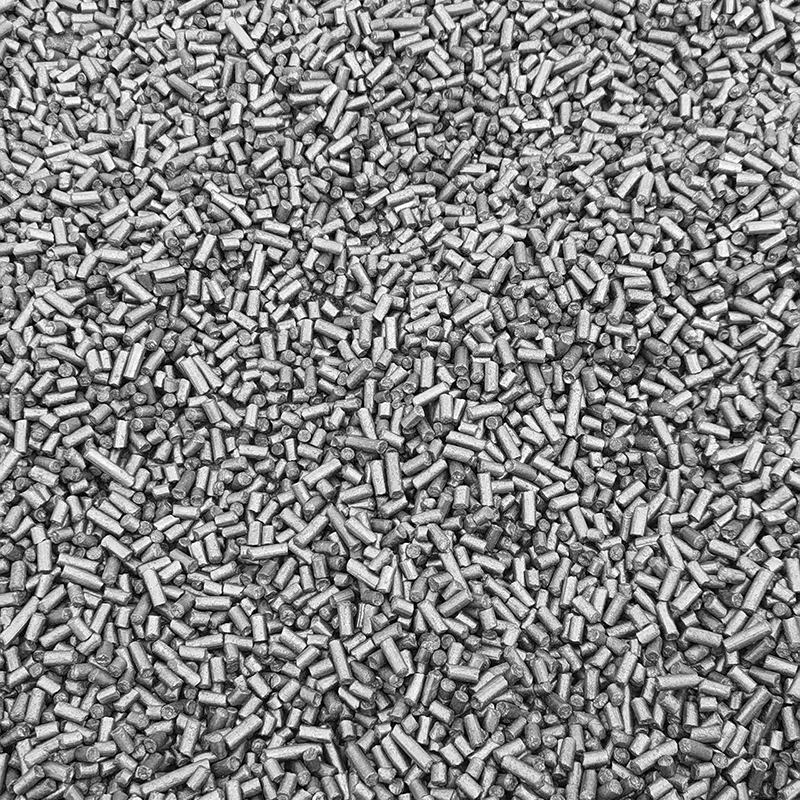 Columnar carburizer
 -
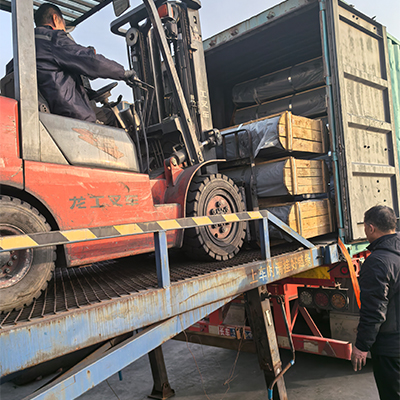 Factory direct sale! UHP ultra-high power electrodes, specifically designed for electric arc furnaces and refining furnaces.
 -
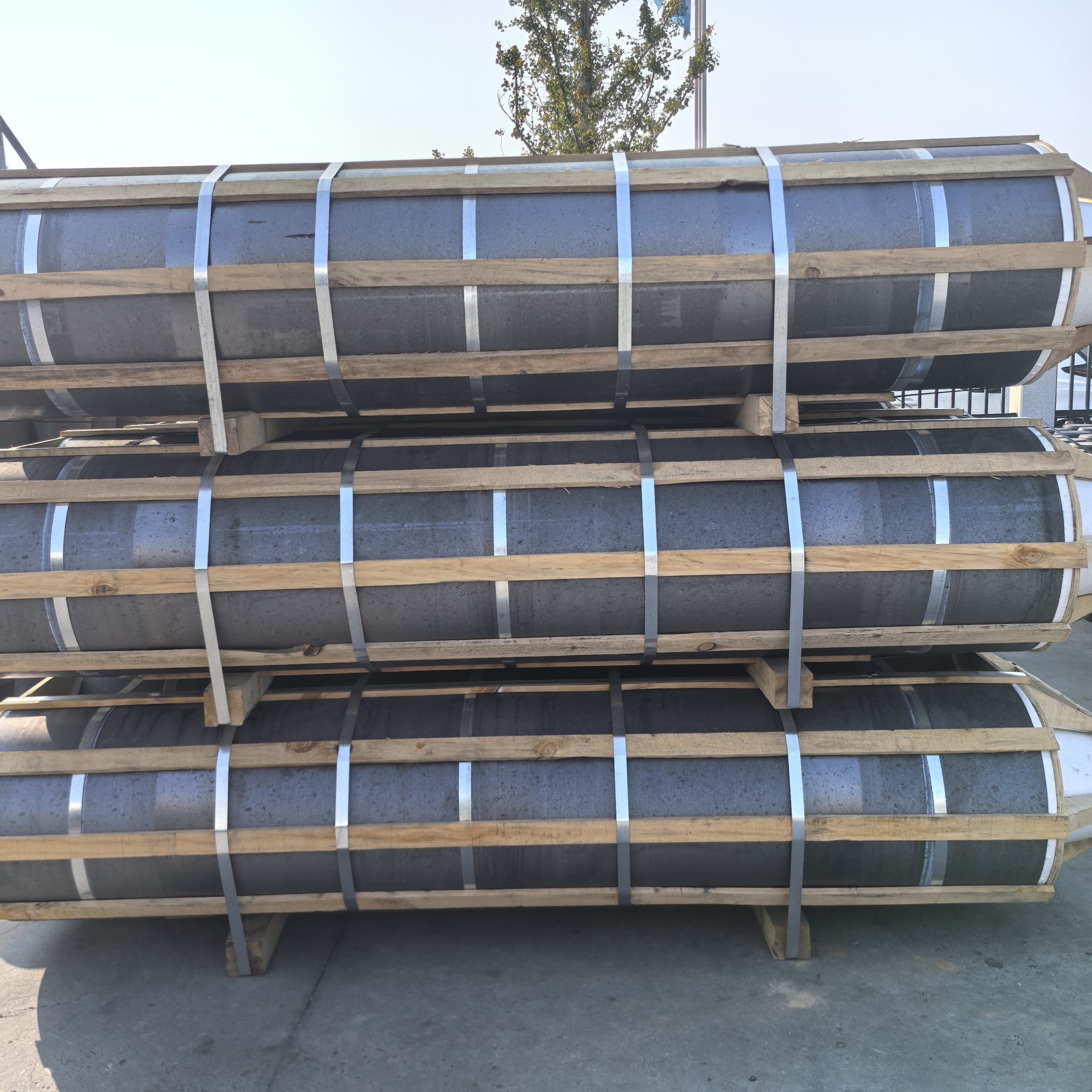 Ultra-High Power Graphite Electrode
 -
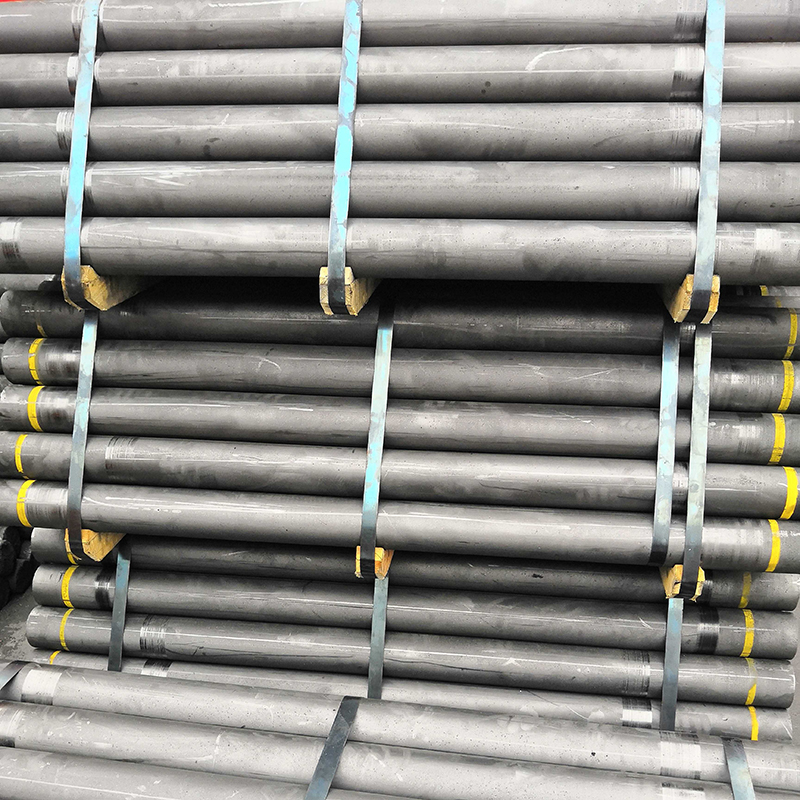 RP normal power graphite electrode
 -
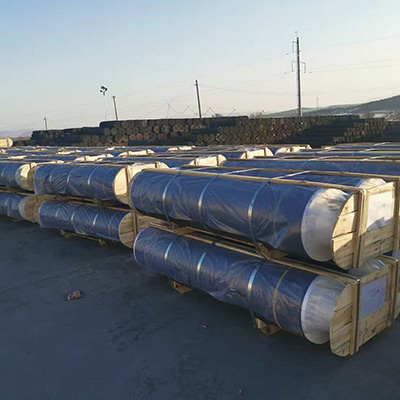 High-power graphite electrodes, 600 mm diameter, for export.
 -
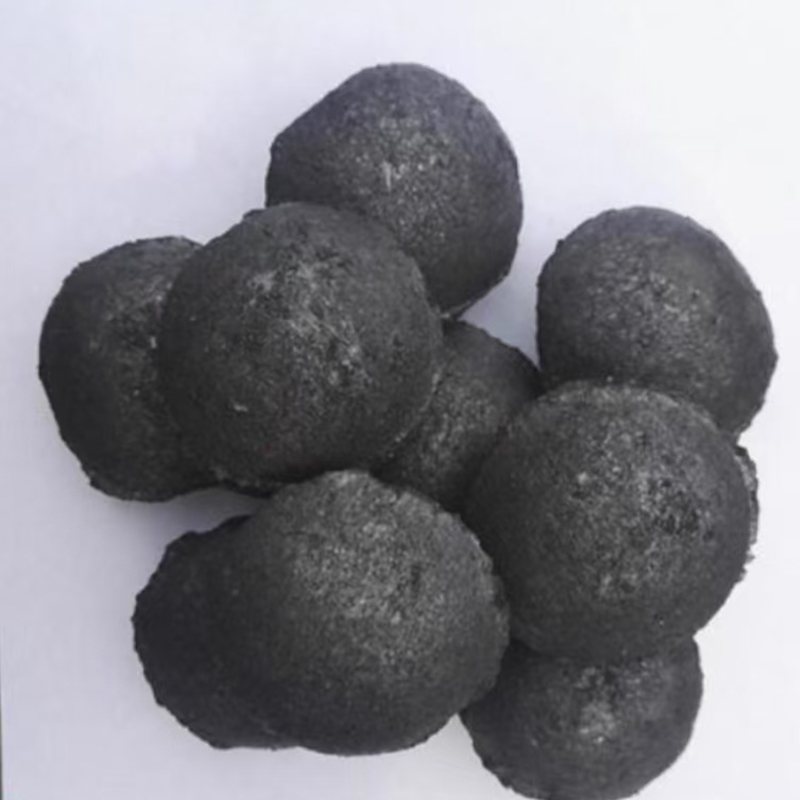 Spherical carburizer
 -
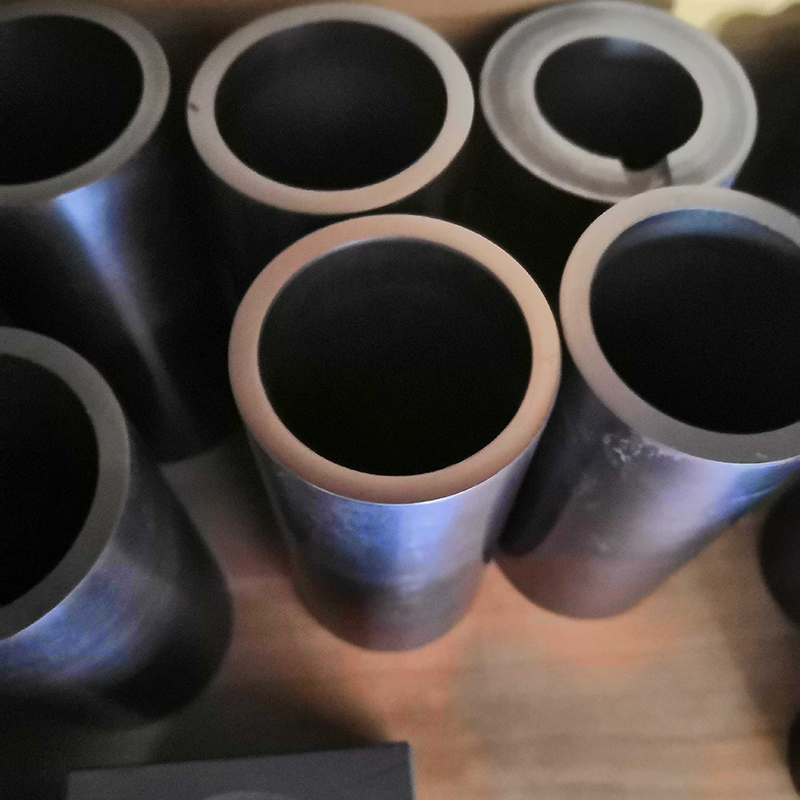 Graphite Crucible
 -
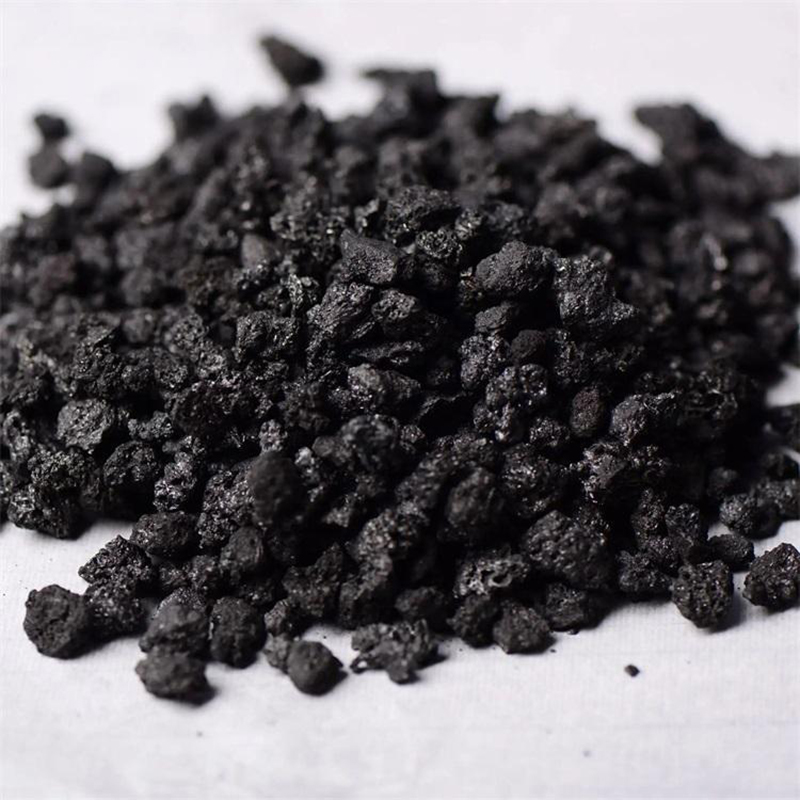 Granular carburizer
 -
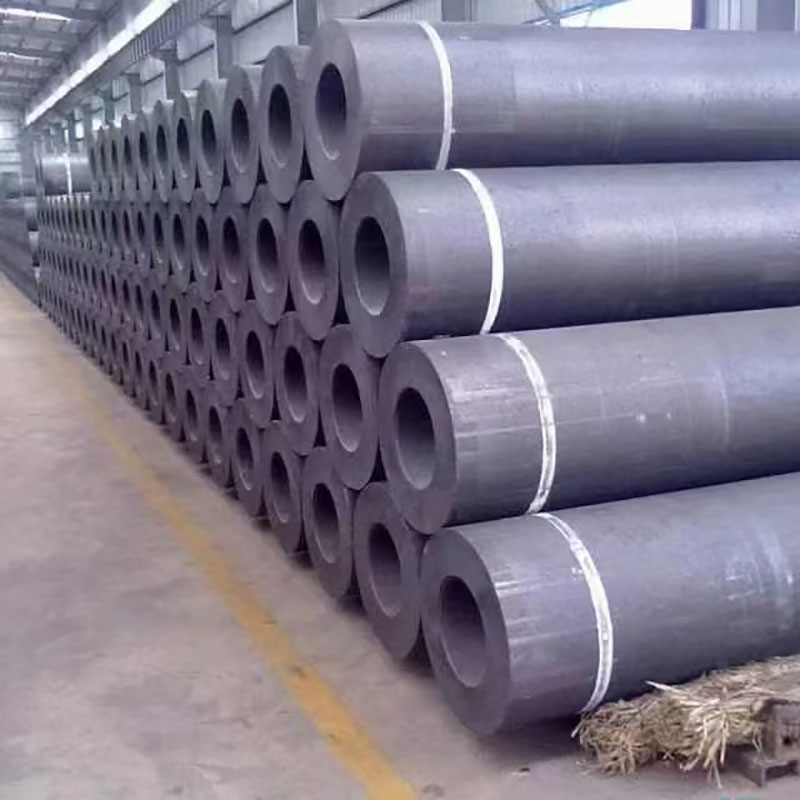 A supplier of graphite electrodes with a global distribution network.
 -
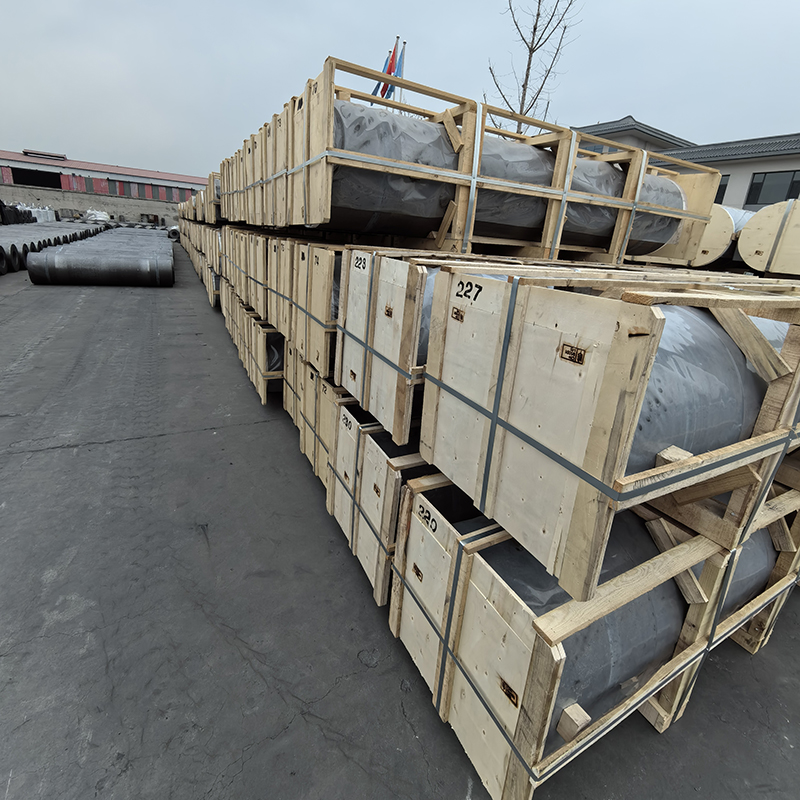 UHP ultra high power graphite electrode
 -
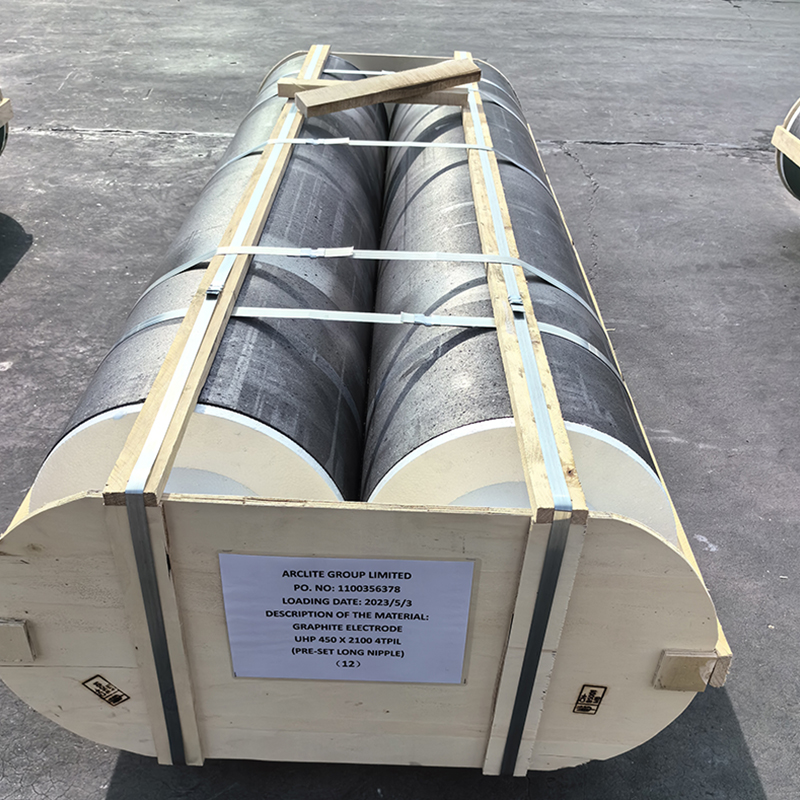 HP high power graphite electrode
 -
 Graphite plate
Related search
Related search- china rp graphite electrode 200mm
- Buy graphite electrode price 2022
- Buy Electrode particles
- coal tar prescription factory
- Finished graphite electrode Manufacturer
- China graphite electrodes for steel making
- soldering graphite electrode manufacturer
- China mg17 coal tar
- Buy pyrolytic graphite plate
- edm graphite electrodes suppliers factory