
- Chinese
- French
- German
- Portuguese
- Spanish
- Russian
- Japanese
- Korean
- Arabic
- Irish
- Greek
- Turkish
- Italian
- Danish
- Romanian
- Indonesian
- Czech
- Afrikaans
- Swedish
- Polish
- Basque
- Catalan
- Esperanto
- Hindi
- Lao
- Albanian
- Amharic
- Armenian
- Azerbaijani
- Belarusian
- Bengali
- Bosnian
- Bulgarian
- Cebuano
- Chichewa
- Corsican
- Croatian
- Dutch
- Estonian
- Filipino
- Finnish
- Frisian
- Galician
- Georgian
- Gujarati
- Haitian
- Hausa
- Hawaiian
- Hebrew
- Hmong
- Hungarian
- Icelandic
- Igbo
- Javanese
- Kannada
- Kazakh
- Khmer
- Kurdish
- Kyrgyz
- Latin
- Latvian
- Lithuanian
- Luxembou..
- Macedonian
- Malagasy
- Malay
- Malayalam
- Maltese
- Maori
- Marathi
- Mongolian
- Burmese
- Nepali
- Norwegian
- Pashto
- Persian
- Punjabi
- Serbian
- Sesotho
- Sinhala
- Slovak
- Slovenian
- Somali
- Samoan
- Scots Gaelic
- Shona
- Sindhi
- Sundanese
- Swahili
- Tajik
- Tamil
- Telugu
- Thai
- Ukrainian
- Urdu
- Uzbek
- Vietnamese
- Welsh
- Xhosa
- Yiddish
- Yoruba
- Zulu
- Kinyarwanda
- Tatar
- Oriya
- Turkmen
- Uyghur



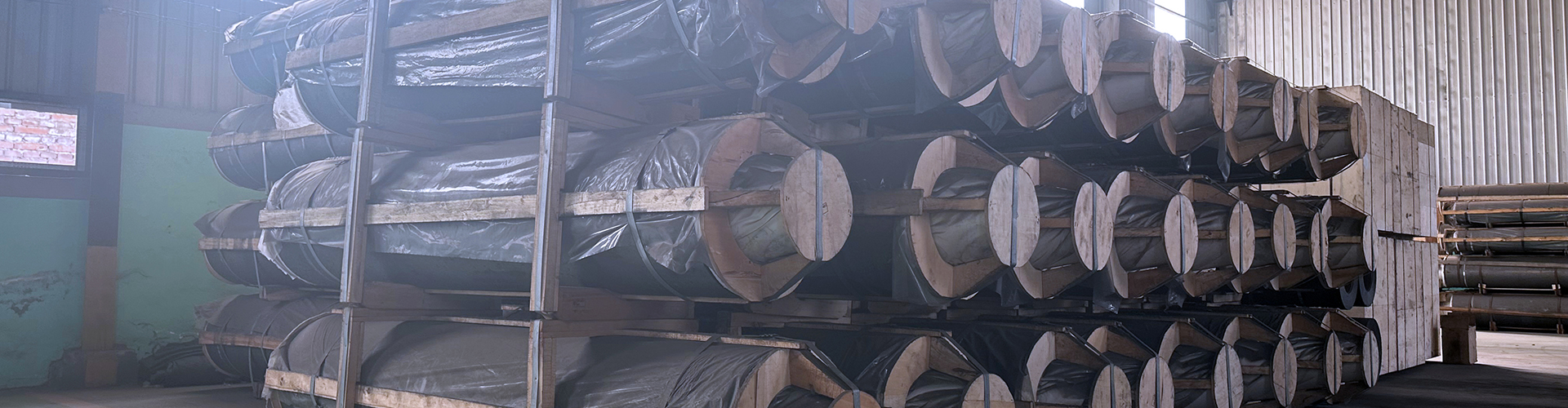
graphite crucible for steel factory
The Role of Graphite Crucibles in Steel Factories
Graphite crucibles are key elements in the steelmaking process, yet their importance is often underestimated. With the rise of advanced steel manufacturing techniques, it’s crucial for industries to understand how these components operate and the common misconceptions surrounding them. In this article, we’ll delve into the practicality and insights gained from using graphite crucibles, backed by real-world experiences.
Understanding Graphite Crucibles
Graphite crucibles are indispensable in steel factories due to their remarkable ability to withstand high temperatures. They offer excellent thermal conductivity and are resistant to thermal shock, making them ideal for holding and melting metal. I remember visiting a steel factory where the choice of crucible significantly influenced the quality of the final product. It’s fascinating how the right selection can impact cost efficiency and product integrity.
Many assume all graphite crucibles are the same, but that's a major oversight. The quality can vary substantially depending on the manufacturer. For instance, Hebei Yaofa Carbon Co., Ltd., whose products I’ve frequently come across in the industry, offers a range of high-quality options that cater specifically to different industrial requirements. Their experience in producing carbon materials ensures consistency and reliability.
Choosing the right size and quality of graphite crucible doesn’t just affect melting processes; it has a broader impact on maintenance costs and process efficiency. One small factory I worked with once switched to higher-quality crucibles and saw maintenance needs decrease substantially, proving the long-term cost savings.
Common Challenges in Using Graphite Crucibles
Despite their advantages, using graphite crucibles isn't without challenges. One common issue is erosion after repeated use, which affects thermal performance. It's essential to balance cost with quality and durability, which is something I’ve grappled with during procurement.
Temperature control is another critical concern. While graphite can handle extreme heat, the crucible’s longevity is influenced by how well a factory manages thermal cycles. I’ve seen situations where improper handling led to premature failure, so regular training for handling procedures is indispensable.
Another problem is contamination. Graphite can react with molten metals, especially if impurities are present. Ensuring the purity and composition of the graphite is vital. Hebei Yaofa Carbon Co., Ltd., known for their stringent quality checks, often emphasizes this to their clients to minimize such risks.
Maximizing Efficiency with High-Quality Crucibles
The strategic use of high-quality graphite crucibles can significantly enhance a factory’s operational efficiency. Choosing the right supplier, like Hebei Yaofa Carbon Co., Ltd., ensures access to products that meet specific requirements. Their website, yaofatansu.com, offers detailed insights into their offerings, which can guide purchasing decisions.
I remember a colleague who upgraded to a premium graphite crucible line after a plant overhaul. The investment was initially daunting, but it paid off in reduced downtime and improved product consistency. It’s these nuanced adjustments that bolster a factory’s productivity.
Moreover, regular assessment and clear communication with suppliers can preempt many operational issues. Visiting manufacturing sites and engaging with crew members who directly handle these materials often reveal practical insights.
Real-World Application and Experiences
In real-world applications, the integration of feedback loops in production setup plays a pivotal role. By systematically incorporating crew feedback regarding crucible performance, factories can make informed adjustments. This approach, which I've seen embraced by innovative companies, ensures continuous improvement.
Another point often overlooked is the environmental aspect. Choosing suppliers committed to sustainability, like Hebei Yaofa Carbon Co., Ltd., aligns a factory not only with industry standards but also with broader ecological goals. Their focus on sustainable production is reflected in their corporate ethos and product lines.
Experimentation and adaptation are key. In instances where standard procedures failed, innovative measures—often derived from seemingly inconsequential observations—led to breakthroughs. Simple tweaks in handling or storage sometimes result in significant performance gains.
Final Thoughts on Graphite Crucibles
In summary, the role of graphite crucibles extends far beyond being mere containers in the steel manufacturing process. Their selection and management can significantly affect production outcomes. By understanding their nuances and leveraging expertise from reliable suppliers like Hebei Yaofa Carbon Co., Ltd., steel factories can optimize performance, extend crucible life, and ensure product quality.
I hope sharing these insights from my experiences offers practical takeaways and encourages a more strategic approach to deploying graphite crucibles in industrial settings.
Related products
Related products
Best selling products
Best selling products-
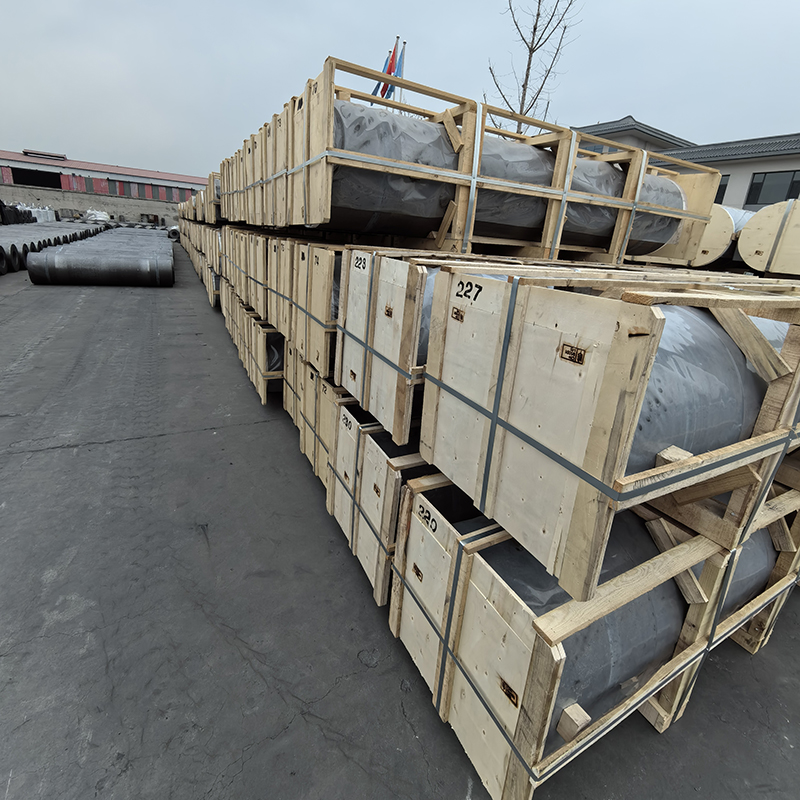 UHP ultra high power graphite electrode
 -
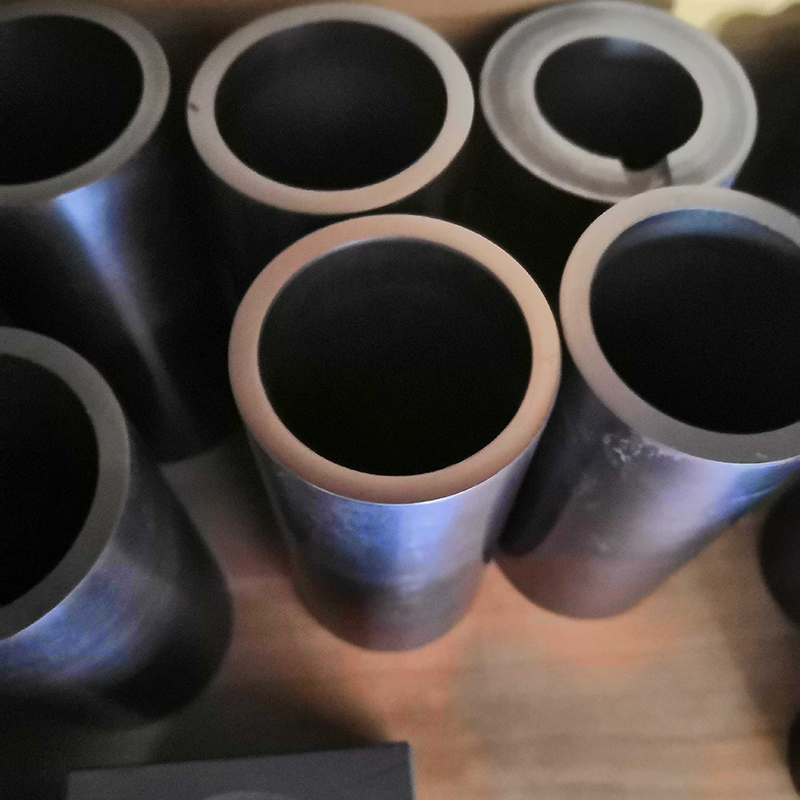 Graphite Crucible
 -
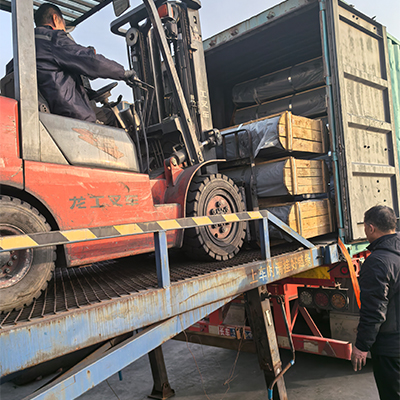 Factory direct sale! UHP ultra-high power electrodes, specifically designed for electric arc furnaces and refining furnaces.
 -
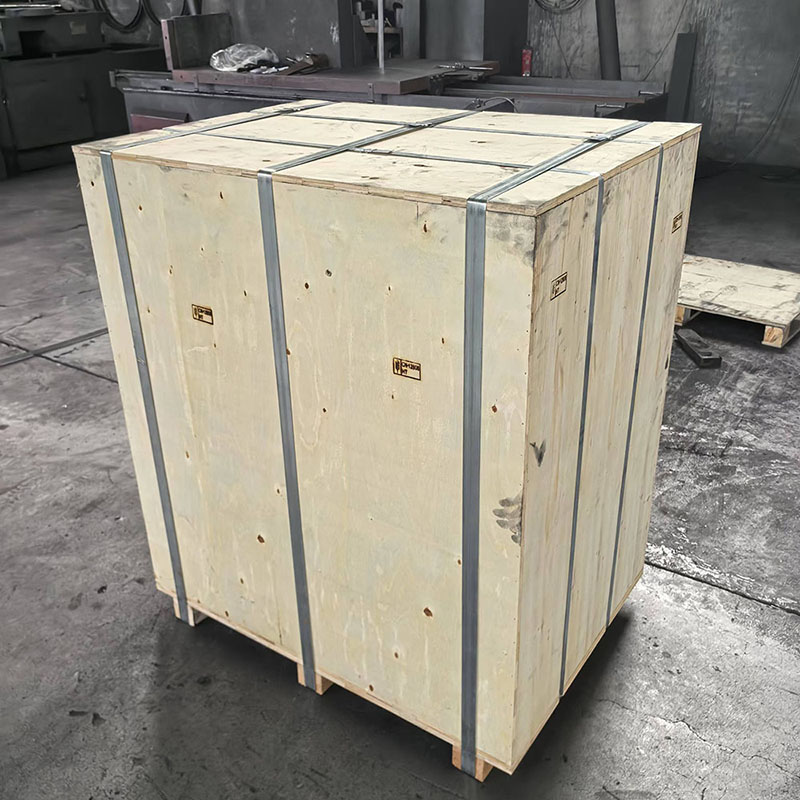 Graphite plate
 -
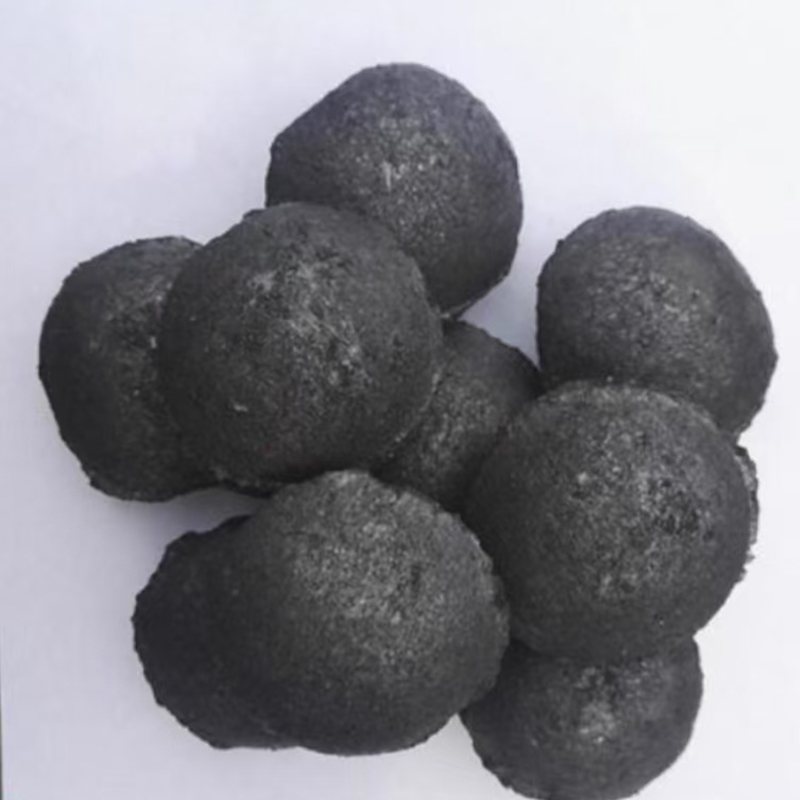 Spherical carburizer
 -
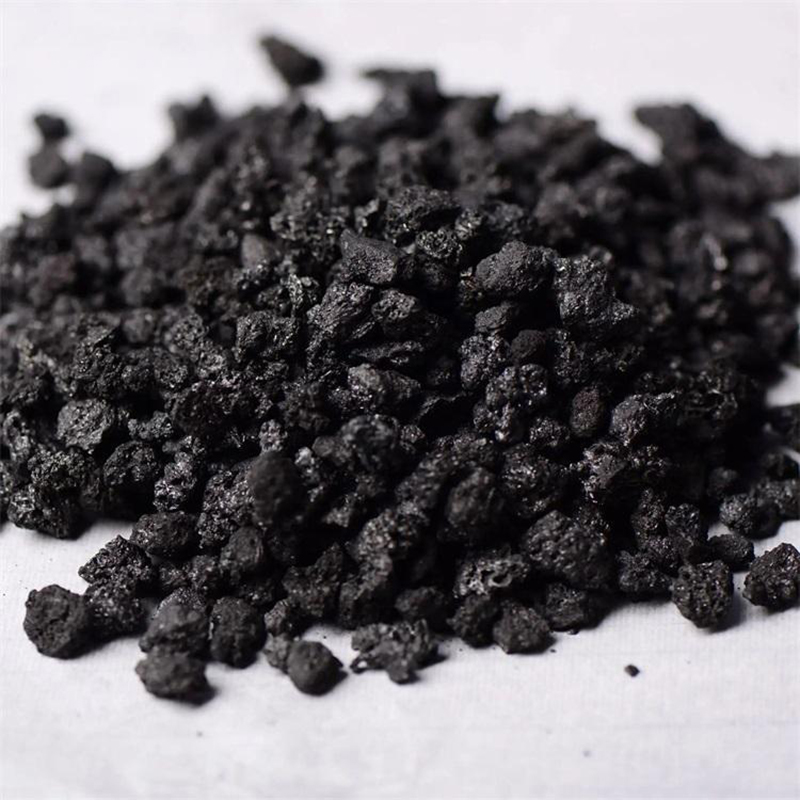 Granular carburizer
 -
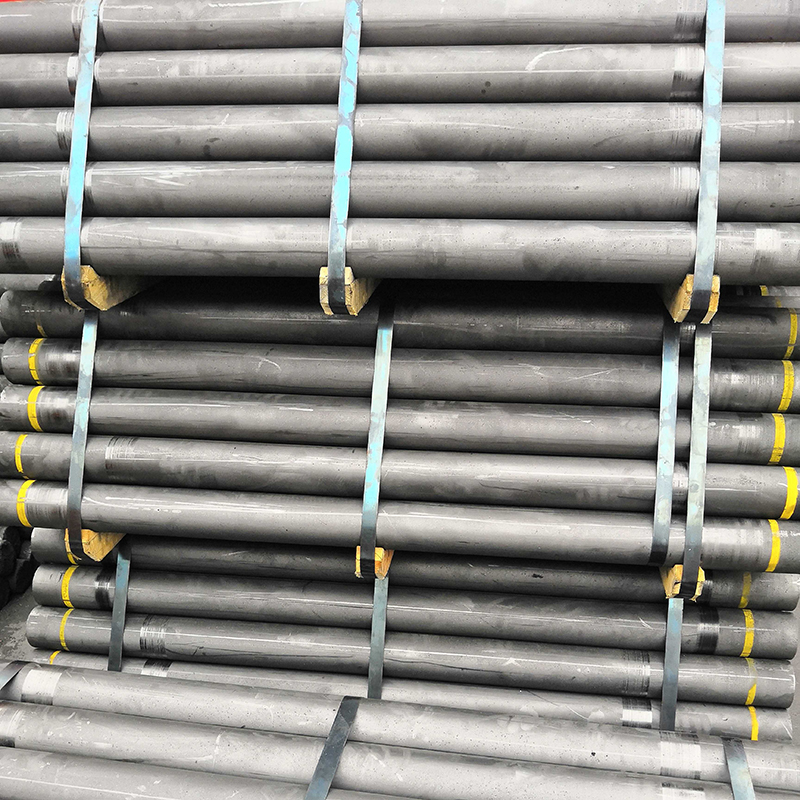 RP normal power graphite electrode
 -
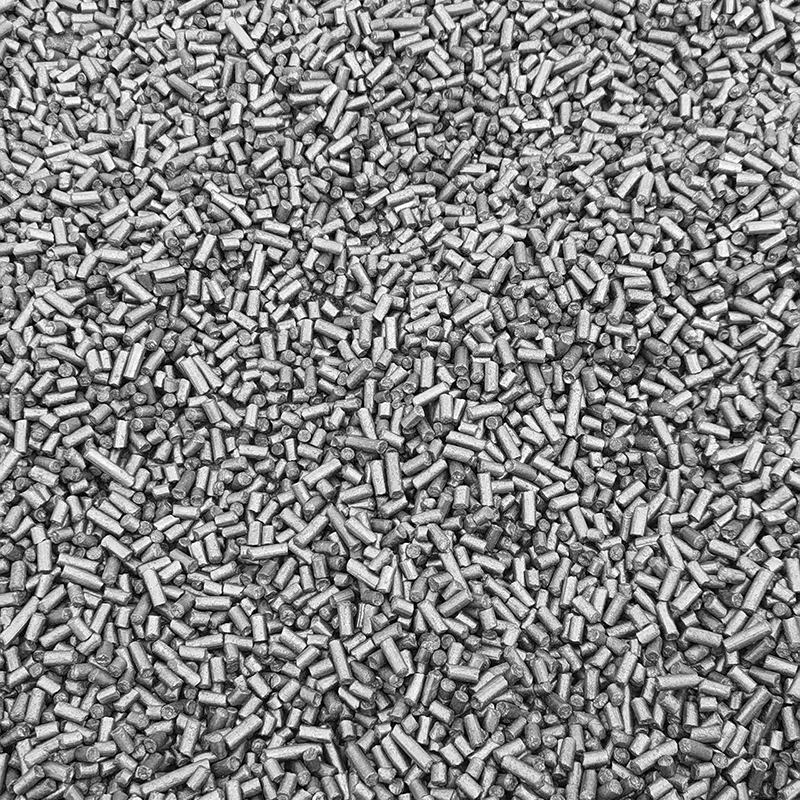 Columnar carburizer
 -
 High-power graphite electrodes, 600 mm diameter, for export.
 -
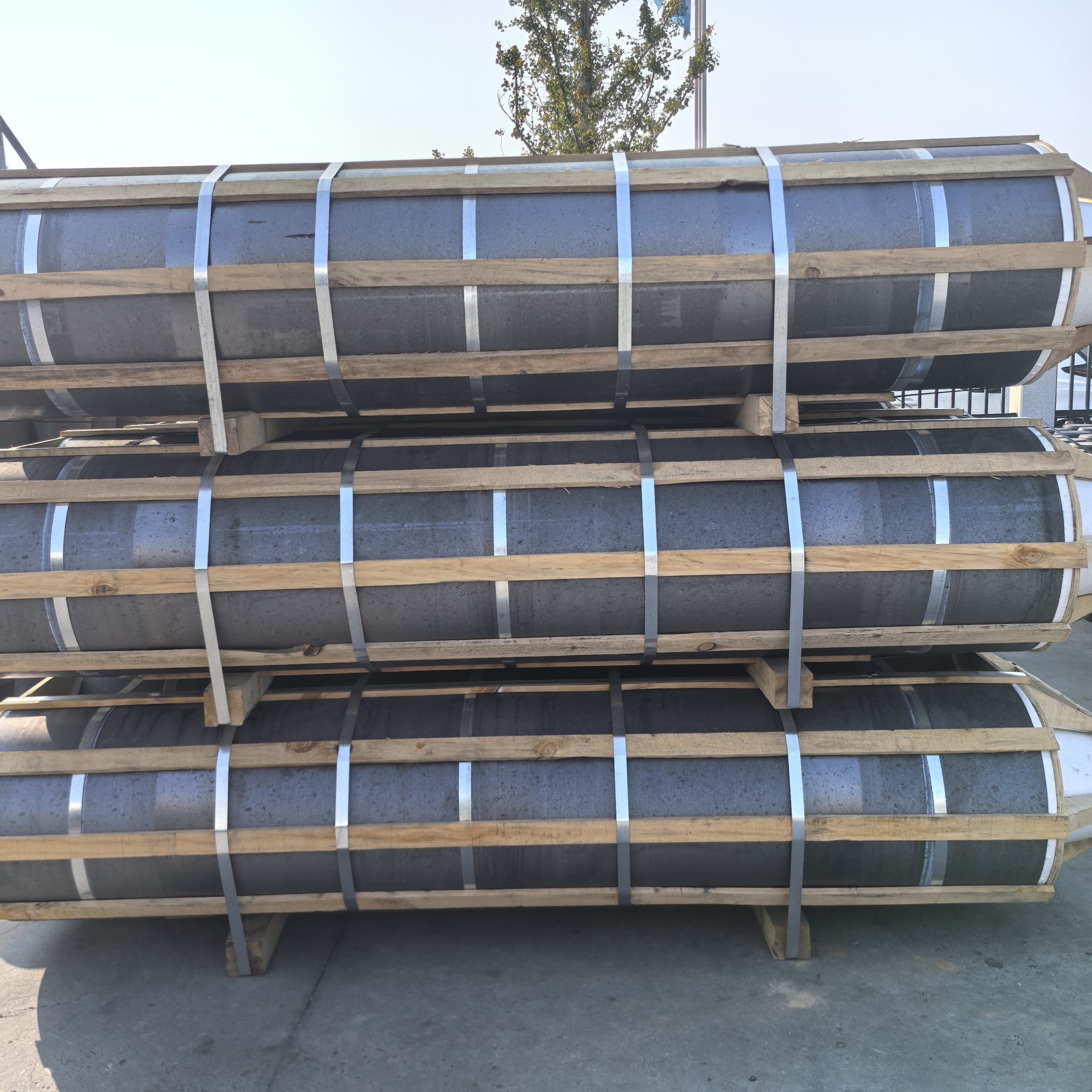 Ultra-High Power Graphite Electrode
 -
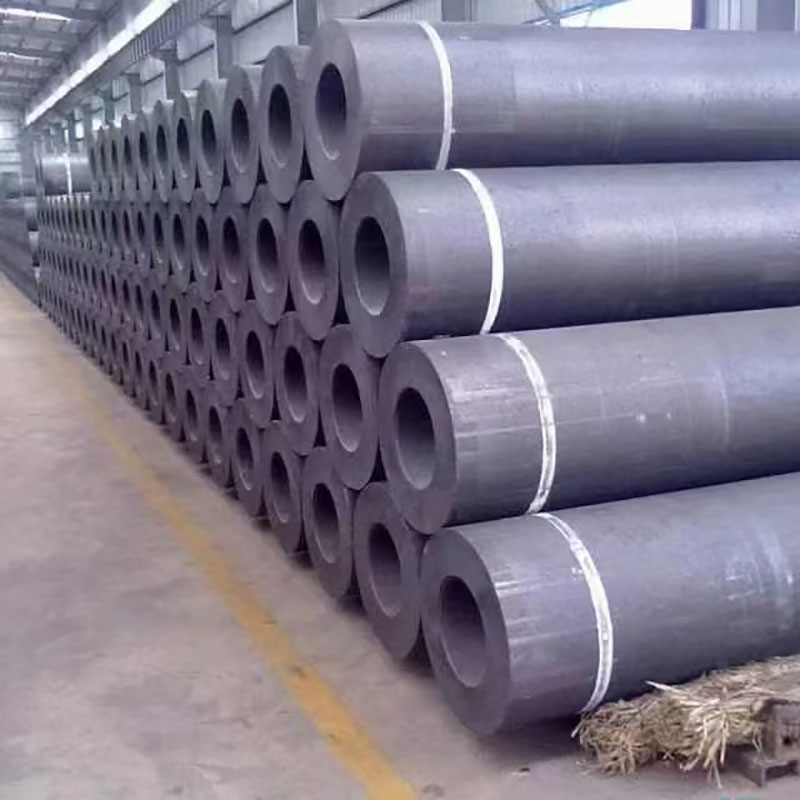 A supplier of graphite electrodes with a global distribution network.
 -
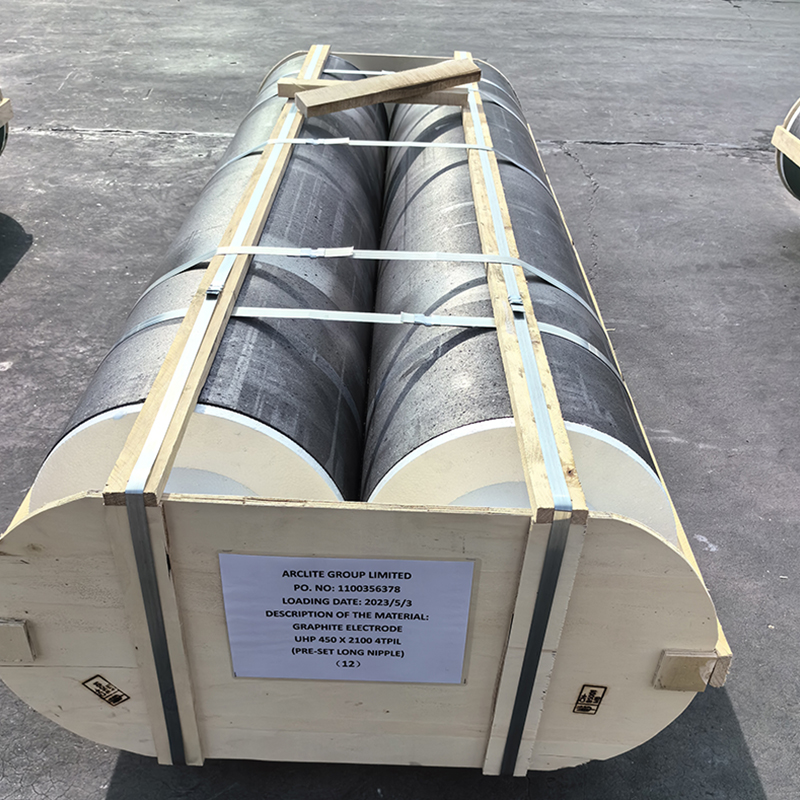 HP high power graphite electrode