
- Chinese
- French
- German
- Portuguese
- Spanish
- Russian
- Japanese
- Korean
- Arabic
- Irish
- Greek
- Turkish
- Italian
- Danish
- Romanian
- Indonesian
- Czech
- Afrikaans
- Swedish
- Polish
- Basque
- Catalan
- Esperanto
- Hindi
- Lao
- Albanian
- Amharic
- Armenian
- Azerbaijani
- Belarusian
- Bengali
- Bosnian
- Bulgarian
- Cebuano
- Chichewa
- Corsican
- Croatian
- Dutch
- Estonian
- Filipino
- Finnish
- Frisian
- Galician
- Georgian
- Gujarati
- Haitian
- Hausa
- Hawaiian
- Hebrew
- Hmong
- Hungarian
- Icelandic
- Igbo
- Javanese
- Kannada
- Kazakh
- Khmer
- Kurdish
- Kyrgyz
- Latin
- Latvian
- Lithuanian
- Luxembou..
- Macedonian
- Malagasy
- Malay
- Malayalam
- Maltese
- Maori
- Marathi
- Mongolian
- Burmese
- Nepali
- Norwegian
- Pashto
- Persian
- Punjabi
- Serbian
- Sesotho
- Sinhala
- Slovak
- Slovenian
- Somali
- Samoan
- Scots Gaelic
- Shona
- Sindhi
- Sundanese
- Swahili
- Tajik
- Tamil
- Telugu
- Thai
- Ukrainian
- Urdu
- Uzbek
- Vietnamese
- Welsh
- Xhosa
- Yiddish
- Yoruba
- Zulu
- Kinyarwanda
- Tatar
- Oriya
- Turkmen
- Uyghur



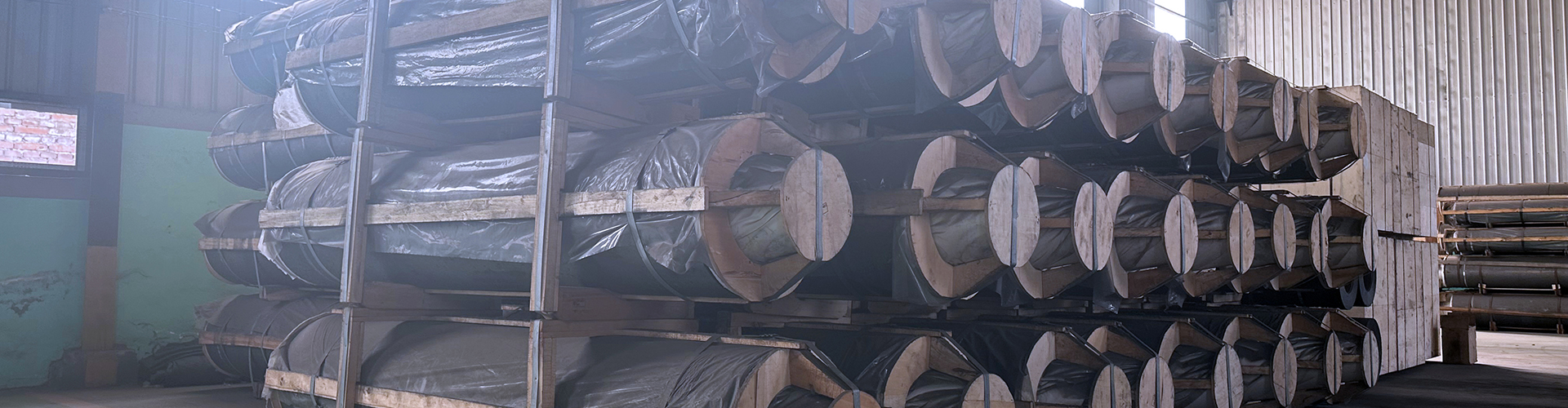
graphite crucible melting point
The Practical Realities of Graphite Crucible Melting Points
A key component in metallurgy, the graphite crucible, often invites discussions regarding its melting point. Many in the industry might assume it’s all straightforward, but when you dig deeper, it’s clear that there’s more to it than meets the eye.
Understanding the Basics
Graphite crucibles are esteemed in the metalworking world for their remarkable thermal conductivity and resistance. However, when people talk about the melting point, they aren’t just referring to the material itself but rather its capacity to withstand extremely high temperatures while carrying molten metals.
For those who have spent time in a foundry, it’s well understood that a graphite crucible itself doesn’t melt easily. In theory, graphite’s sublimation point is around 3650°C, but of course, practical applications never reach that level. We work with temperatures like 1600°C—often seen with gold or silver smelting.
It’s always about balancing between the maximum heat it can handle and the actual operational temperatures. And, frankly, much of the know-how comes less from textbooks and more from mishaps and experience on the shop floor.
Common Misconceptions
One might think the label melting point implies a simple number, but it’s a bit misleading. What’s critical is how the crucible manages thermal stress over time. Honestly, I’ve seen newer folks get confused when a crucible fails, assuming the ‘melting point’ was exceeded.
In reality, failures can result from thermal shock or gradual graphite degradation, not just excess heat. It’s seasoned operators who know to watch for these subtle shifts and preemptively adjust their approach.
The products from Hebei Yaofa Carbon Co., Ltd. engineers are particularly noted for their robustness. After 20 years in the business, their electrodes and other carbon products reflect that deep well of expertise. Their website, https://www.yaofatansu.com, has more details, especially about their various carbon materials.
Material Performance in Action
When fresh out of the box, a graphite crucible looks invincible. Numerous metallurgists rely on them heavily, especially due to the material's ability to smoothly handle a wide temperature range. Yet, practical limitations do exist.
For instance, rapid temperature changes can lead to cracking. I recall a winter experiment where we brought frozen metals into contact with a hot crucible, leading to an instantaneous fracture. It’s these stories that remind you of the importance of gradual temperature adjustments.
Bottom line, while the crucible itself may never reach its sublime limit, the wear and tear from regular cycles is what gets you. It’s a balancing act that every seasoned operator appreciates.
Case Study: A Learning Opportunity
A few years back, a colleague of mine attempted to push the limits of a graphite crucible with a titanium batch. Initially, everything seemed perfect; the metal melted uniformly, and there was no external indication of stress.
Then, mid-pour, we saw a minute crack appear. It was a reminder of the graphite's limits and the need for meticulous control in thermal handling. It was a tense few moments, but with a quick swap, material losses were minimized.
Such moments are why experience in handling different crucibles is invaluable. Familiarity with equipment can avert costly mistakes—better a small story to learn from than a catastrophic failure.
The Importance of Quality Materials
Quality plays a massive role. With companies like Hebei Yaofa Carbon Co., Ltd. on the market, finding top-grade graphite materials isn’t challenging. Their 20-year footprint in the industry speaks volumes about ensuring consistency and reliability in supply.
It’s imperative to partner with trusted manufacturers. Sometimes, I see cheaper alternatives tempting new shop owners, but it’s the longer-lasting, well-tested options that save money and stress over time.
In conclusion, while the graphite crucible melting point might sound like just another standard, it encompasses a broader conversation on material endurance, subtle failures, and the essential blend of science with hands-on expertise. An observation, really—experience often manages where theory might suggest otherwise.
Related products
Related products
Best selling products
Best selling products-
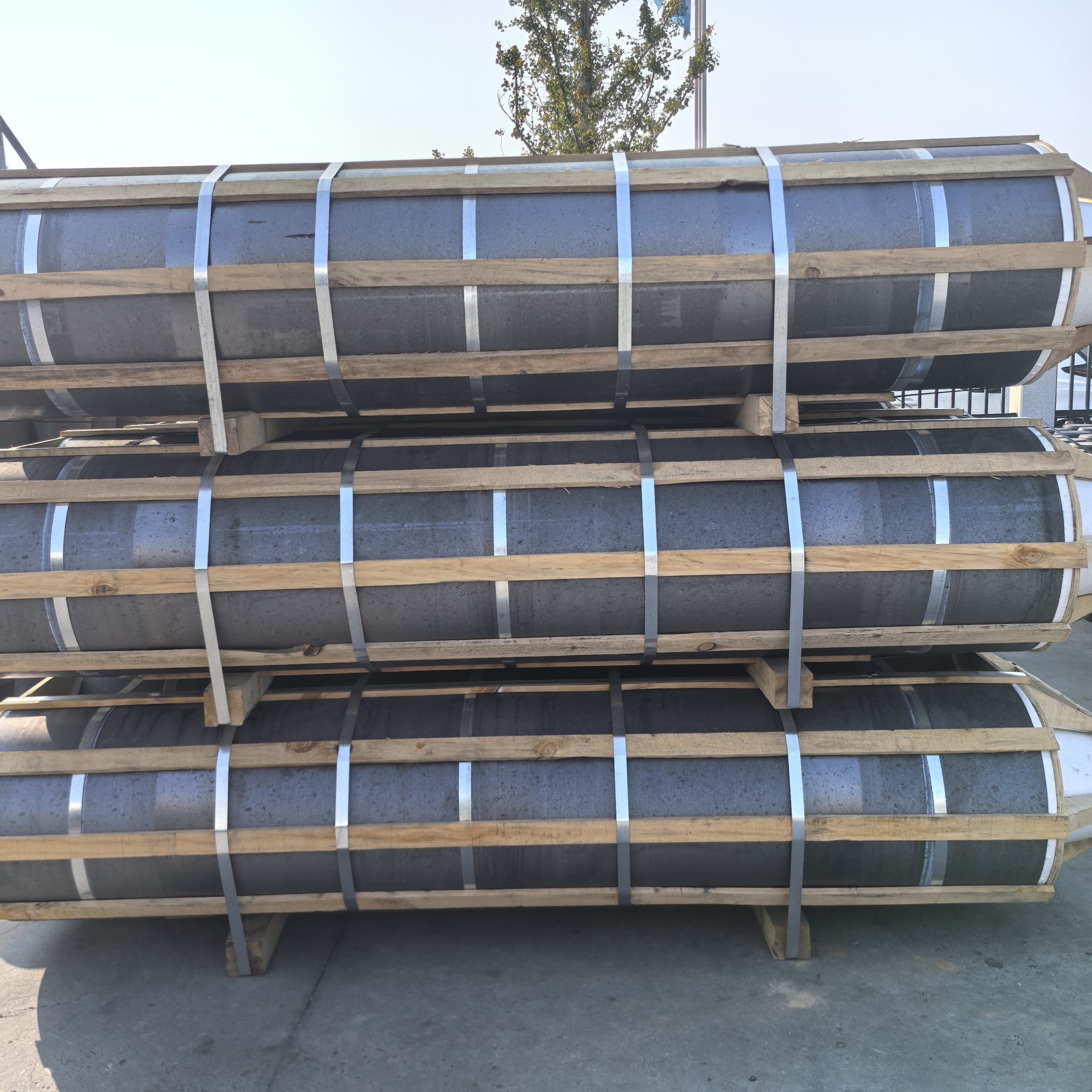 Ultra-High Power Graphite Electrode
 -
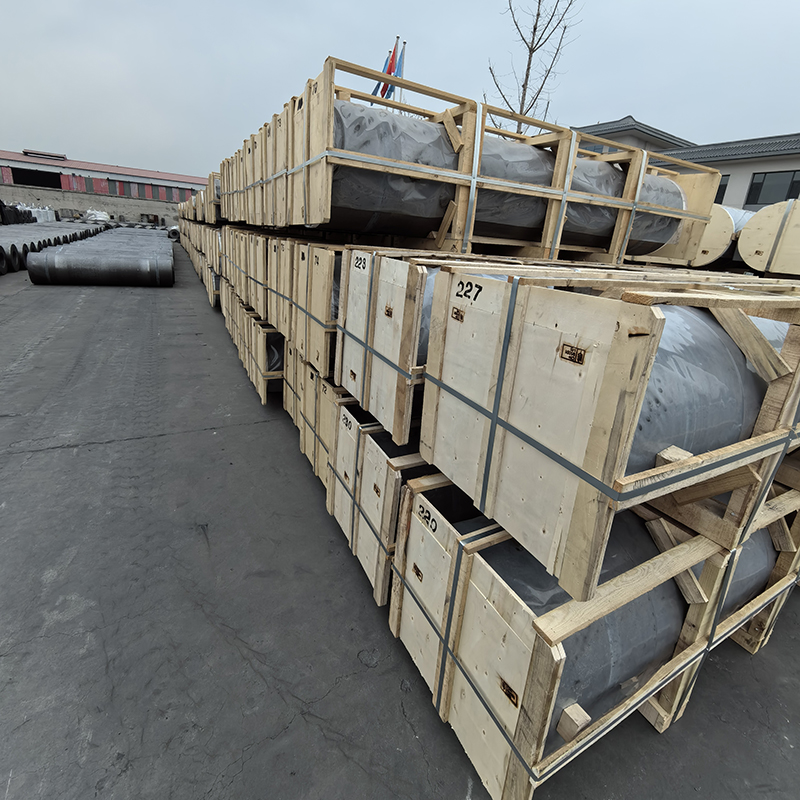 UHP ultra high power graphite electrode
 -
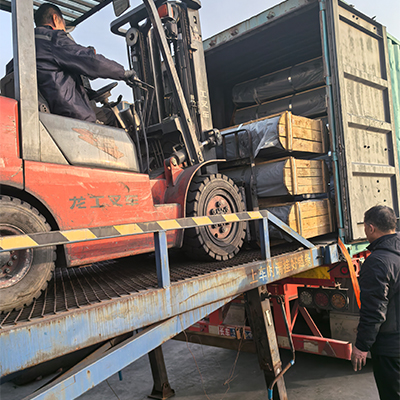 Factory direct sale! UHP ultra-high power electrodes, specifically designed for electric arc furnaces and refining furnaces.
 -
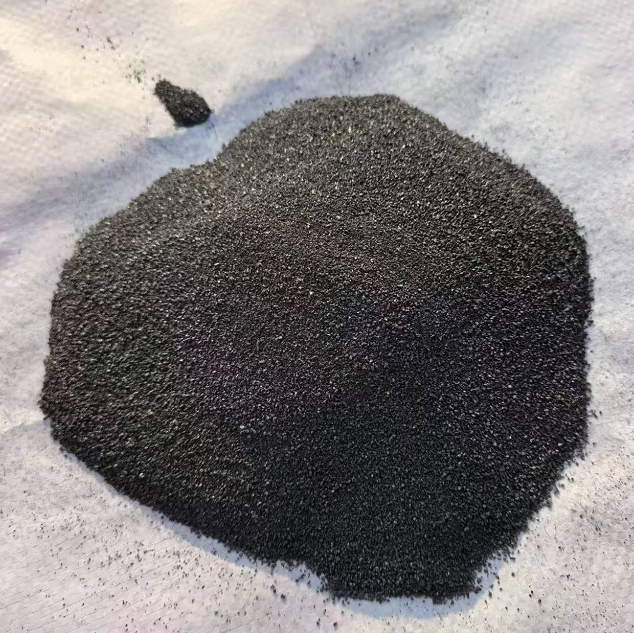 High-quality graphite powder available in stock, with a full range of specifications and customizable options.
 -
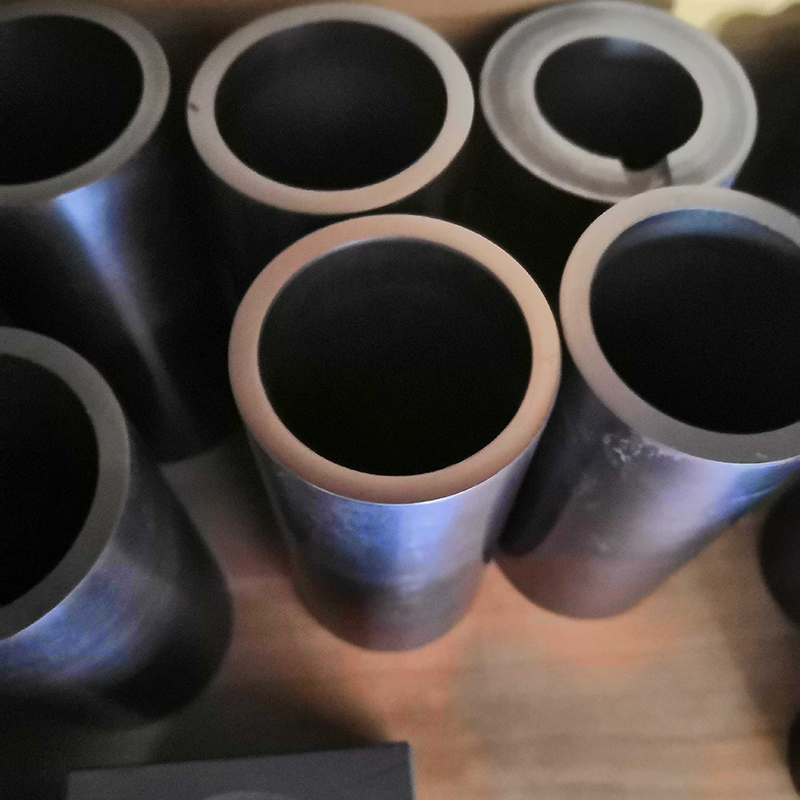 Graphite Crucible
 -
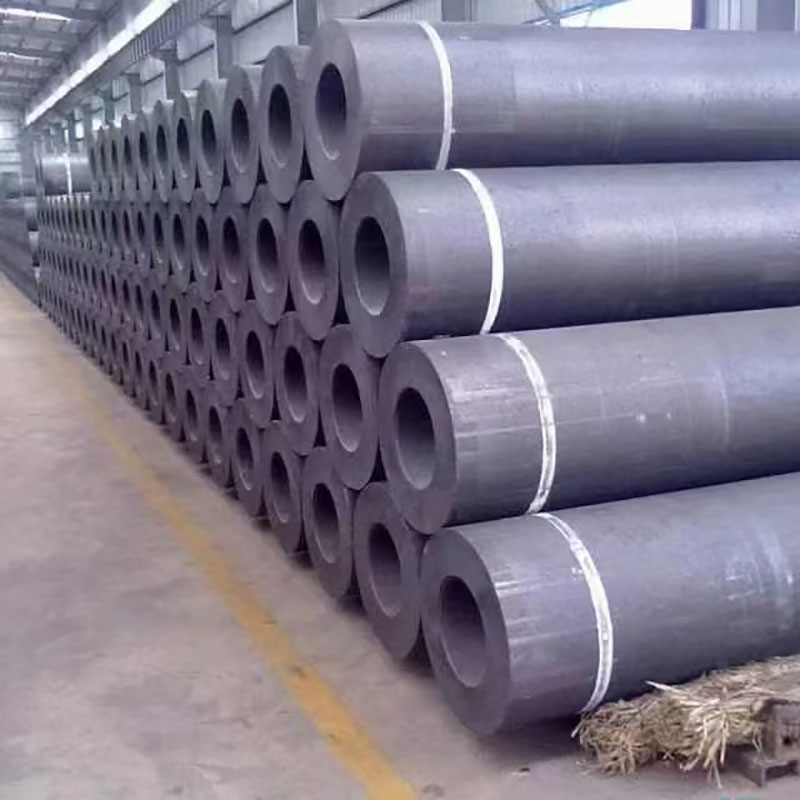 A supplier of graphite electrodes with a global distribution network.
 -
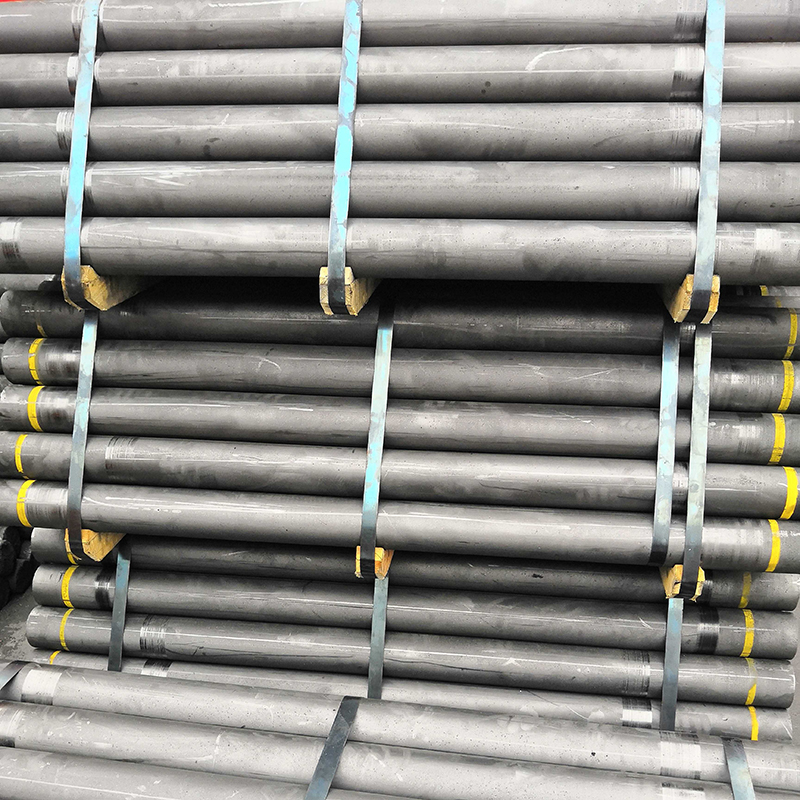 RP normal power graphite electrode
 -
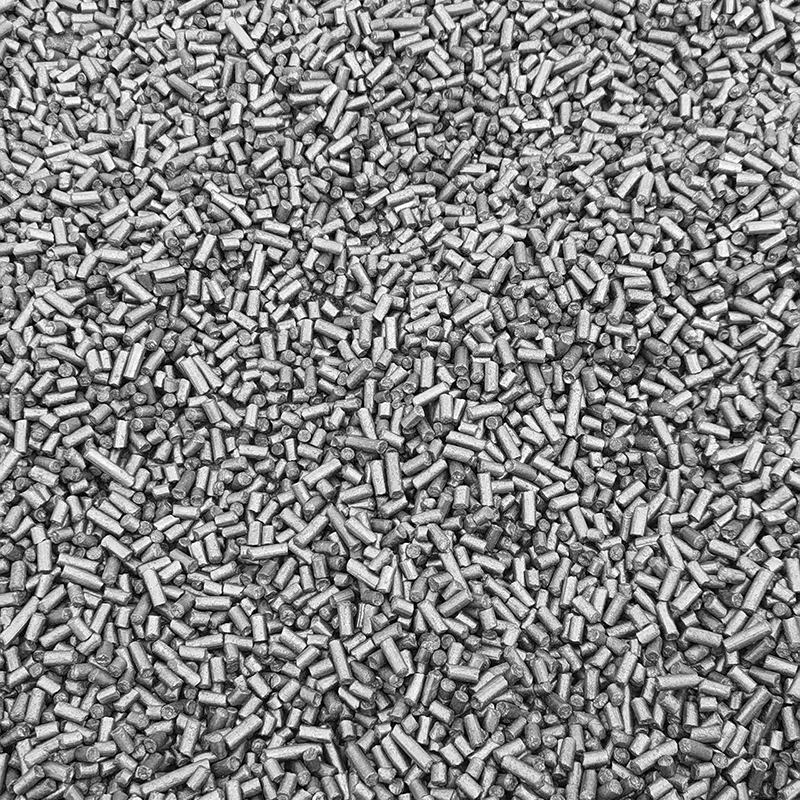 Columnar carburizer
 -
 Graphite plate
 -
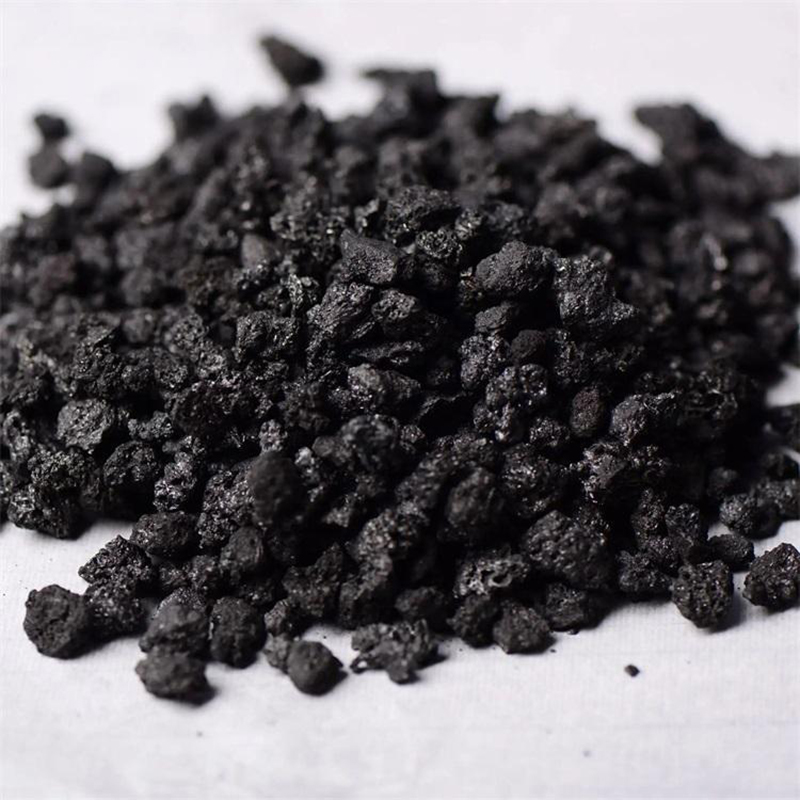 Granular carburizer
 -
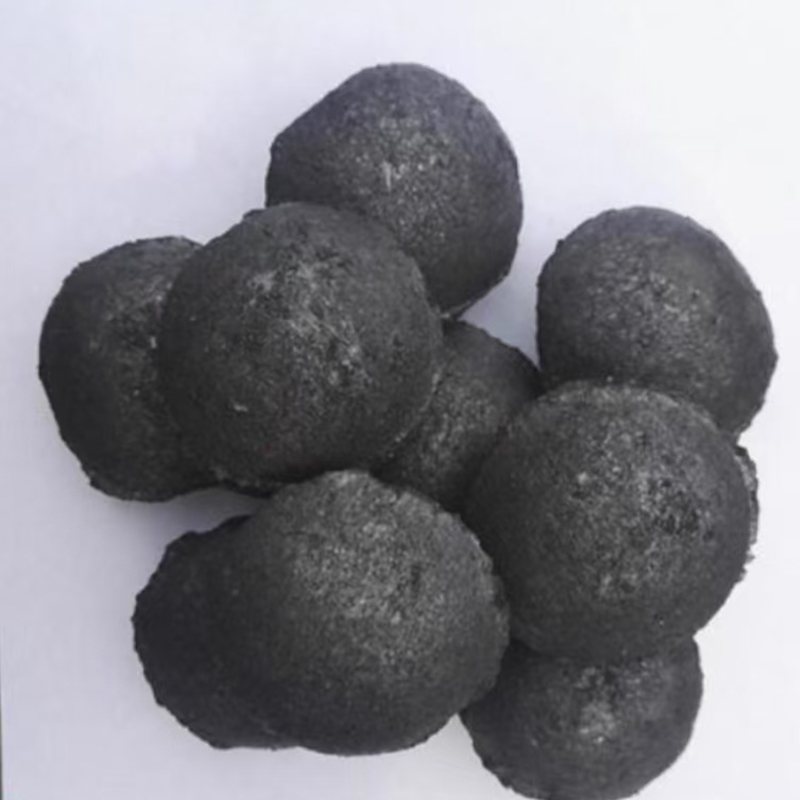 Spherical carburizer
 -
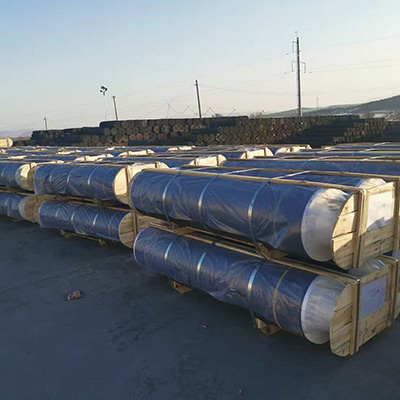 High-power graphite electrodes, 600 mm diameter, for export.
Related search
Related search- digital signage manufacturers
- Buy Coal tar
- China 3 kg graphite crucible
- graphite crucible price
- graphite plate for shoes
- Buy Normal power graphite electrode
- Ordinary graphite electrode supplier
- eaf graphite electrode manufacturer
- electric arc furnace graphite electrodes Manufacturer
- Digital Signage Solutions