
- Chinese
- French
- German
- Portuguese
- Spanish
- Russian
- Japanese
- Korean
- Arabic
- Irish
- Greek
- Turkish
- Italian
- Danish
- Romanian
- Indonesian
- Czech
- Afrikaans
- Swedish
- Polish
- Basque
- Catalan
- Esperanto
- Hindi
- Lao
- Albanian
- Amharic
- Armenian
- Azerbaijani
- Belarusian
- Bengali
- Bosnian
- Bulgarian
- Cebuano
- Chichewa
- Corsican
- Croatian
- Dutch
- Estonian
- Filipino
- Finnish
- Frisian
- Galician
- Georgian
- Gujarati
- Haitian
- Hausa
- Hawaiian
- Hebrew
- Hmong
- Hungarian
- Icelandic
- Igbo
- Javanese
- Kannada
- Kazakh
- Khmer
- Kurdish
- Kyrgyz
- Latin
- Latvian
- Lithuanian
- Luxembou..
- Macedonian
- Malagasy
- Malay
- Malayalam
- Maltese
- Maori
- Marathi
- Mongolian
- Burmese
- Nepali
- Norwegian
- Pashto
- Persian
- Punjabi
- Serbian
- Sesotho
- Sinhala
- Slovak
- Slovenian
- Somali
- Samoan
- Scots Gaelic
- Shona
- Sindhi
- Sundanese
- Swahili
- Tajik
- Tamil
- Telugu
- Thai
- Ukrainian
- Urdu
- Uzbek
- Vietnamese
- Welsh
- Xhosa
- Yiddish
- Yoruba
- Zulu
- Kinyarwanda
- Tatar
- Oriya
- Turkmen
- Uyghur



graphite plate heat exchanger
Understanding Graphite Plate Heat Exchangers
Graphite plate heat exchangers might sound straightforward, but there's more nuance than one might initially assume. These devices play a crucial role in industries where corrosion resistance and efficient heat transfer are paramount. The common perception is that they're simply variations of metal plate exchangers, but the truth peels back multiple layers of complexity, especially when considering options from manufacturers like Hebei Yaofa Carbon Co., Ltd., known for their expertise in carbon materials.
Why Choose Graphite?
The decision to use graphite over more traditional materials, like stainless steel or titanium, often comes down to one word: corrosion. Graphite is remarkably resilient against aggressive chemicals. I've seen setups in various chemical plants where traditional materials wane under constant attack, yet graphite stands the test, inching only slightly over time. This resilience offers a clear advantage when longevity and downtime are major concerns.
Yet, it’s not just about standing strong. The thermal conductivity of graphite is another ace up its sleeve. In applications needing rapid heat exchange, such as in certain reactors or cooling systems, graphite outshines traditional materials. The transfer rates can be impressive, which is crucial for maintaining efficiency and stability.
However, selecting the right graphite plate isn’t merely a checkbox task. It demands a real understanding of the operational environment—temperature, pressure, and the types of chemicals involved. I recall a scenario where switching to graphite even helped avoid a complete system redesign, saving time and resources.
Considerations and Challenges
While the advantages are clear, challenges persist. The fragility of graphite plates compared to metals can’t be ignored. Handling and installation processes require careful planning. I've witnessed an entire batch compromised simply due to mishandling. These aren't insurmountable issues but require a skilled approach.
Repair and maintenance bring their own sets of challenges. Unlike metal, patches on graphite aren't straightforward. It requires specialized knowledge and occasionally bespoke solutions. Teams must often be trained specifically for these materials. It’s a worthwhile investment, though, given the benefits.
Moreover, the cost factor can initially seem daunting. Upfront investment is typically higher with graphite. But, when you weigh against the reduced maintenance costs and prolonged life, the scale tips favorably. Trust me, several cost analyses have confirmed this over the years.
Applications in Real-world Scenarios
In reality, the sectors utilizing graphite plate heat exchangers are diverse. From pharmaceuticals to power generation, the unique properties of graphite find a welcome home. One of the standout examples was adapting these exchangers in a plant dealing with caustic soda—a typical nightmare for most metals. The corrosion resistance here led to smoother operations and rare shutdowns.
Industries dealing with sulfuric acid also see magnificent returns on investment. The reliability factor cannot be overstated. Continuous operations without the penalties of frequent part changes are a dream come true for plant managers. I've seen entire workflows streamlined by integrating graphite-based systems from manufacturers like Hebei Yaofa Carbon Co., Ltd.
And let’s not forget the environmental angle. In some regions, where regulations around emissions and waste are stringent, graphite provides cleaner, oftentimes recyclable options, which aligns nicely with green goals.
Insights from Hebei Yaofa Carbon Co., Ltd.
Hebei Yaofa Carbon Co., Ltd., found at their official website, showcases remarkable expertise in carbon solutions. With over two decades in the industry, they're not just providers but partners in implementation.
Their profile in carbon additives and robust graphite electrodes serves as evidence of their material quality and innovation capabilities. They’ve navigated numerous heat exchanger challenges, often helping clients reinvent their processes rather than reconstructing from scratch.
Exploring their solutions gives a comprehensive peek into the future possibilities of carbon applications, hinting at more breakthroughs in heat exchange technology.
Future Trends and Developments
As we move forward, technological advancements are likely to push graphite heat exchangers even further into the spotlight. There's ongoing R&D focusing on enhancing the mechanical properties of graphite, aiming to reduce its fragility without compromising on its inherent benefits.
Expect to see more dual-material solutions where graphite interfaces seamlessly with other materials. Such innovations could bridge existing gaps, offering resilience and flexibility—essentially creating hybrid systems that can cater to even more specialized industrial needs.
Ultimately, staying abreast with industry developments and keeping an open mind to unconventional solutions like those presented by Hebei Yaofa Carbon Co., Ltd. will be crucial for companies striving for efficiency and innovation in their heat exchange processes.
Related products
Related products
Best selling products
Best selling products-
 RP normal power graphite electrode
 -
 Ultra-High Power Graphite Electrode
 -
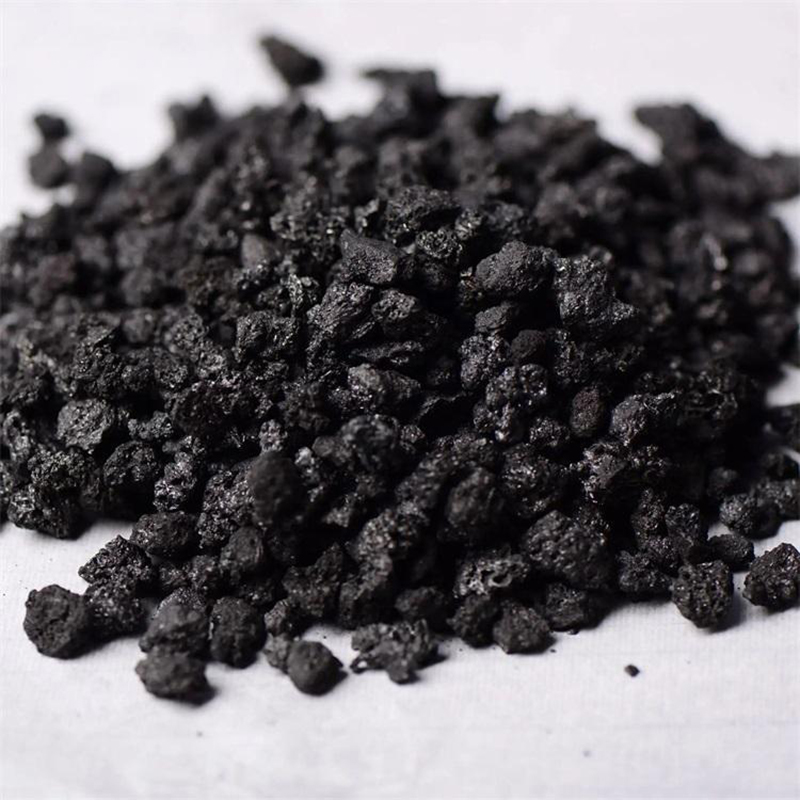 Granular carburizer
 -
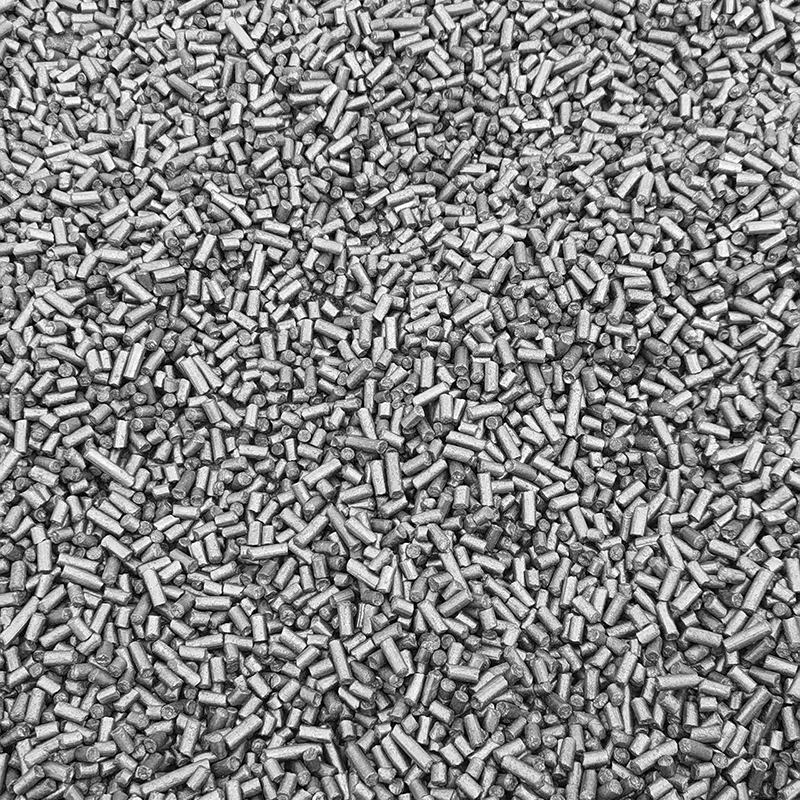 Columnar carburizer
 -
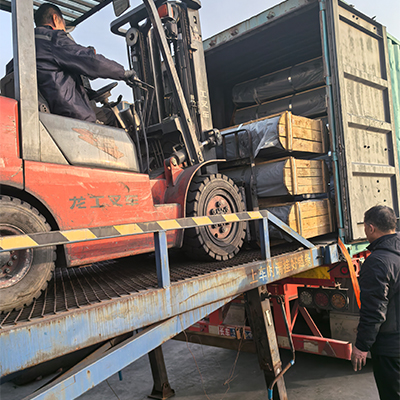 Factory direct sale! UHP ultra-high power electrodes, specifically designed for electric arc furnaces and refining furnaces.
 -
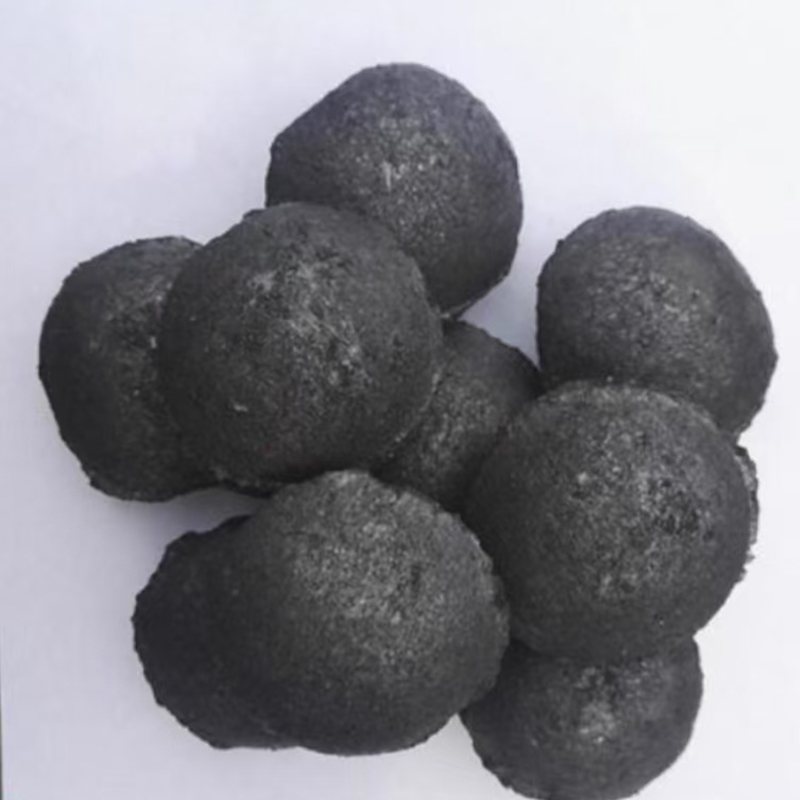 Spherical carburizer
 -
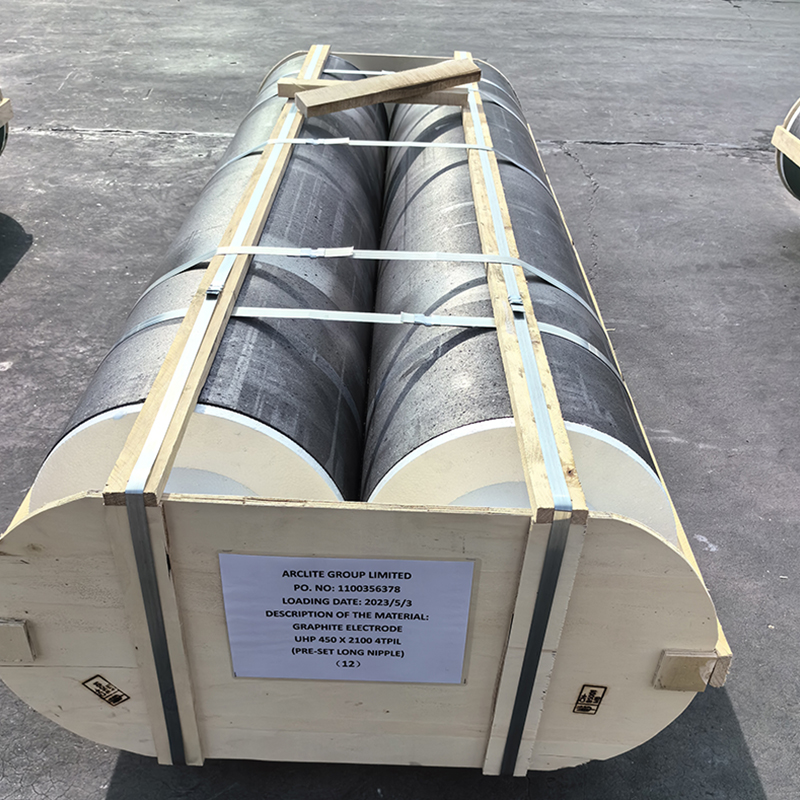 HP high power graphite electrode
 -
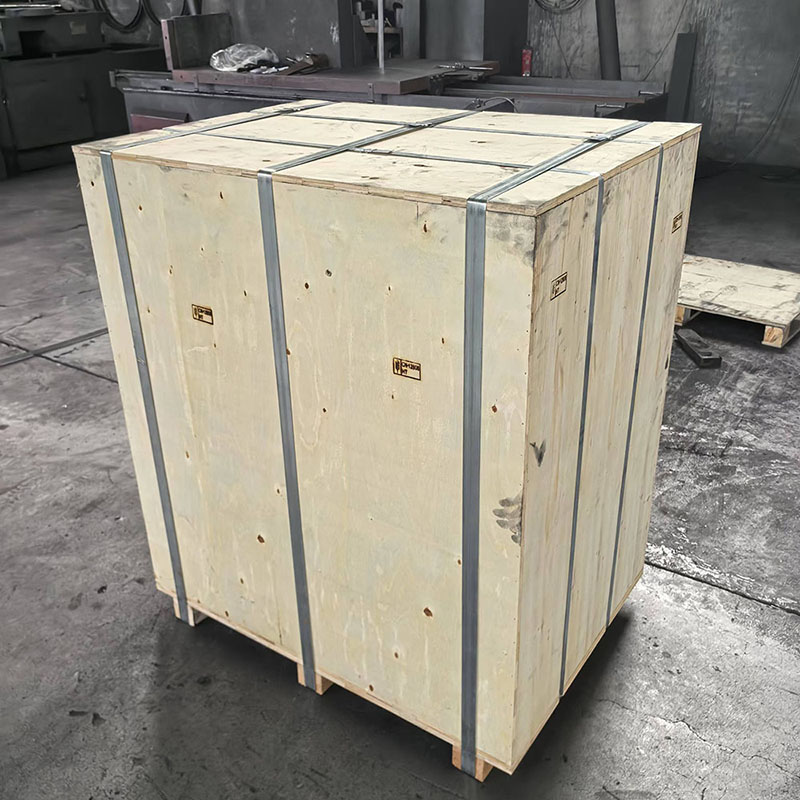 Graphite plate
 -
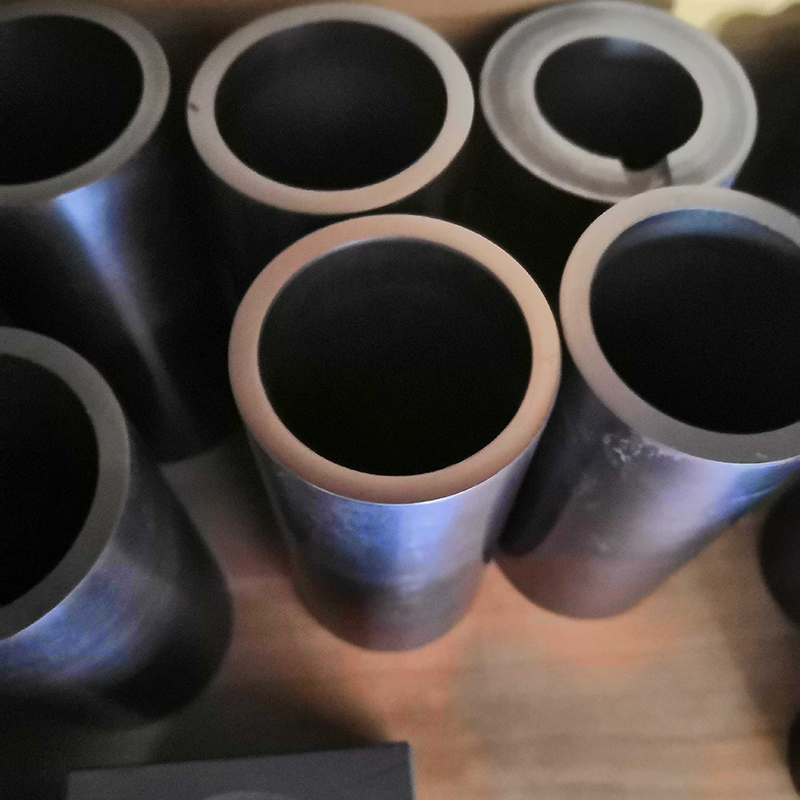 Graphite Crucible
 -
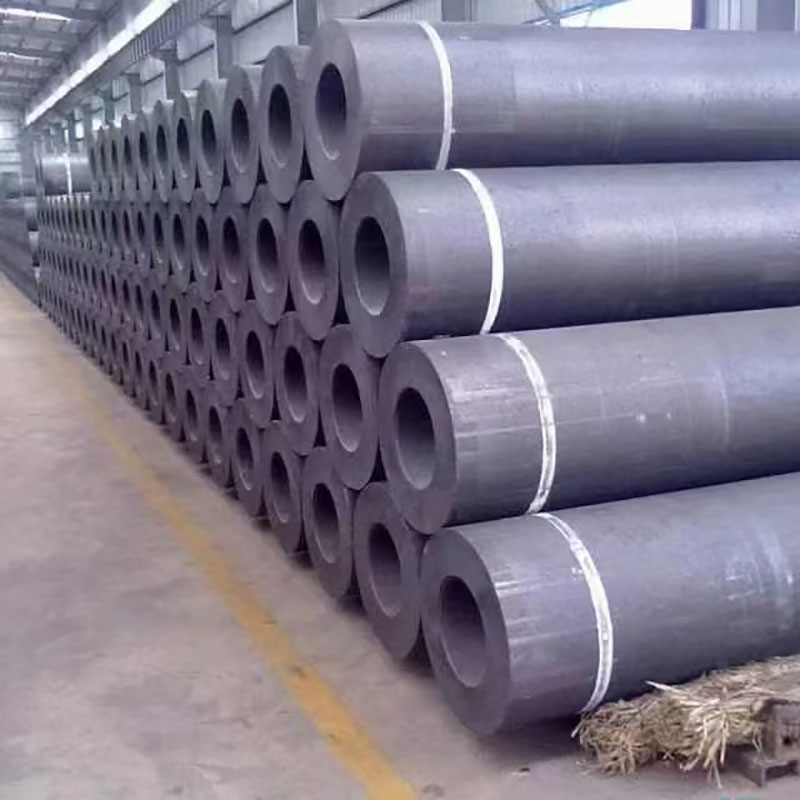 A supplier of graphite electrodes with a global distribution network.
 -
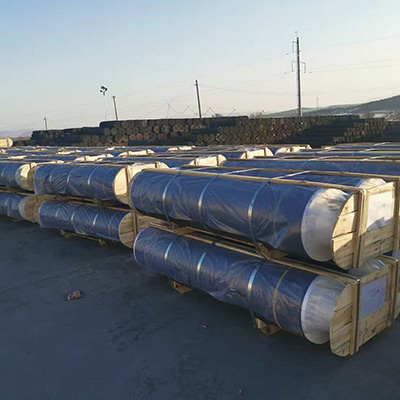 High-power graphite electrodes, 600 mm diameter, for export.
 -
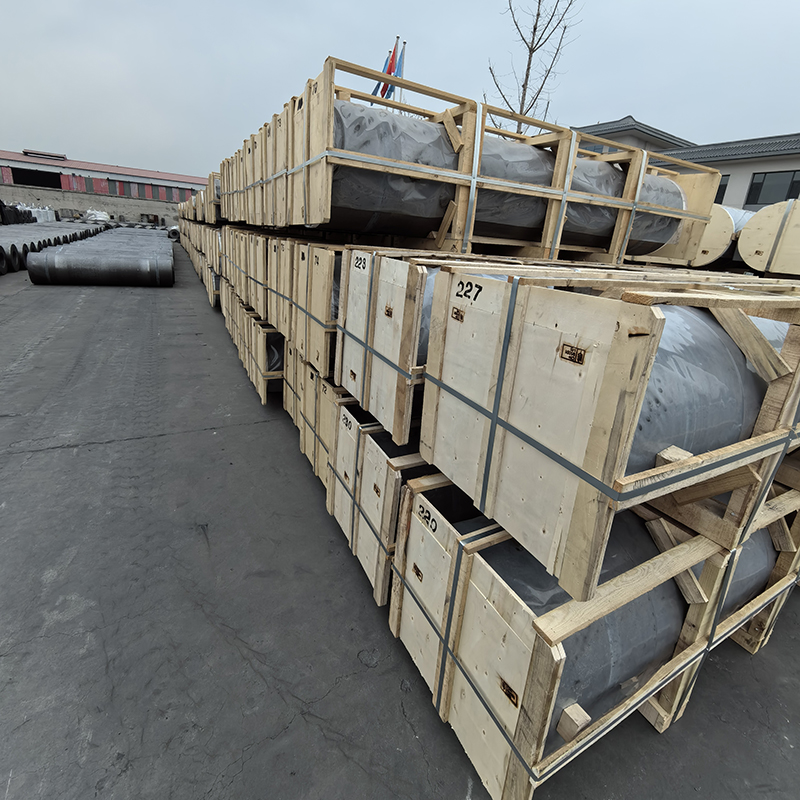 UHP ultra high power graphite electrode
Related search
Related search- graphite electrode producers supplier
- China Graphite tongs
- pyrolytic graphite crucible supplier
- graphite foundry crucibles
- rp graphite electrode exporter
- best digital signage companies
- graphite electrode price 2022 Manufacturer
- graphite crucible induction furnace
- 5 kg graphite crucible supplier
- coal tar products supplier