
- Chinese
- French
- German
- Portuguese
- Spanish
- Russian
- Japanese
- Korean
- Arabic
- Irish
- Greek
- Turkish
- Italian
- Danish
- Romanian
- Indonesian
- Czech
- Afrikaans
- Swedish
- Polish
- Basque
- Catalan
- Esperanto
- Hindi
- Lao
- Albanian
- Amharic
- Armenian
- Azerbaijani
- Belarusian
- Bengali
- Bosnian
- Bulgarian
- Cebuano
- Chichewa
- Corsican
- Croatian
- Dutch
- Estonian
- Filipino
- Finnish
- Frisian
- Galician
- Georgian
- Gujarati
- Haitian
- Hausa
- Hawaiian
- Hebrew
- Hmong
- Hungarian
- Icelandic
- Igbo
- Javanese
- Kannada
- Kazakh
- Khmer
- Kurdish
- Kyrgyz
- Latin
- Latvian
- Lithuanian
- Luxembou..
- Macedonian
- Malagasy
- Malay
- Malayalam
- Maltese
- Maori
- Marathi
- Mongolian
- Burmese
- Nepali
- Norwegian
- Pashto
- Persian
- Punjabi
- Serbian
- Sesotho
- Sinhala
- Slovak
- Slovenian
- Somali
- Samoan
- Scots Gaelic
- Shona
- Sindhi
- Sundanese
- Swahili
- Tajik
- Tamil
- Telugu
- Thai
- Ukrainian
- Urdu
- Uzbek
- Vietnamese
- Welsh
- Xhosa
- Yiddish
- Yoruba
- Zulu
- Kinyarwanda
- Tatar
- Oriya
- Turkmen
- Uyghur



-
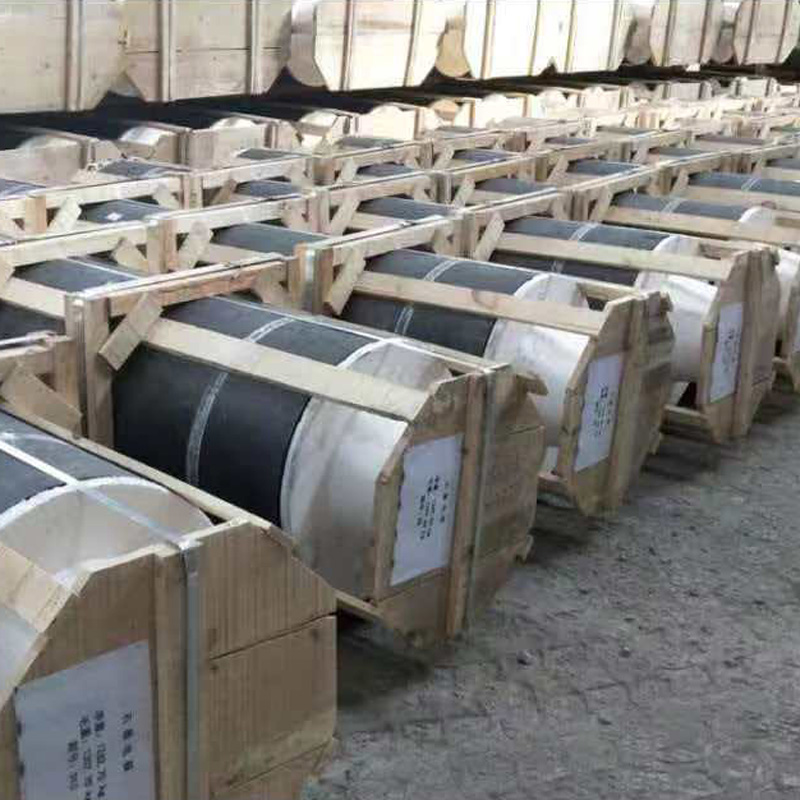
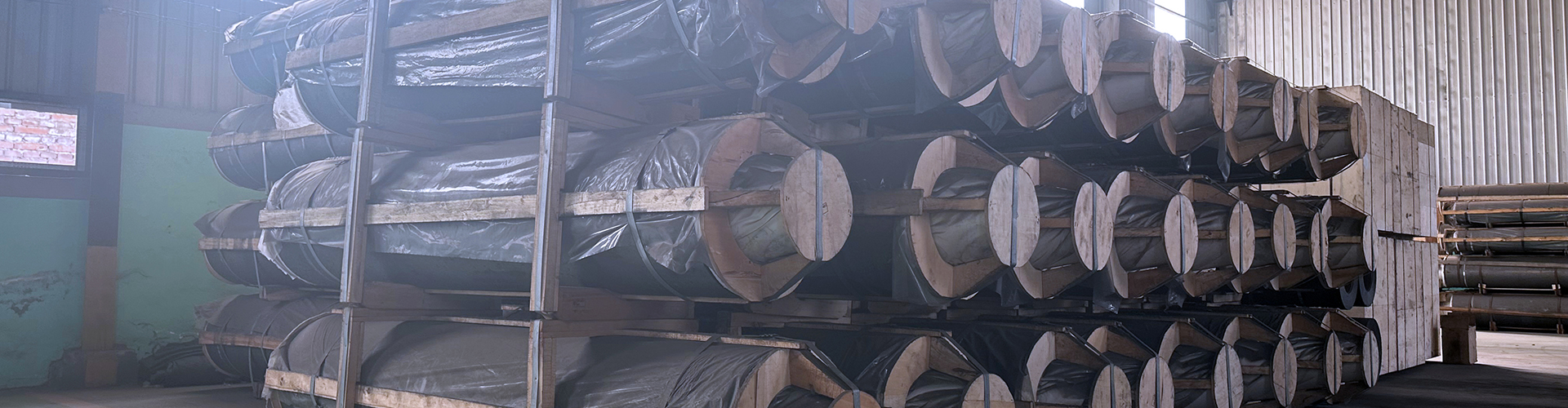
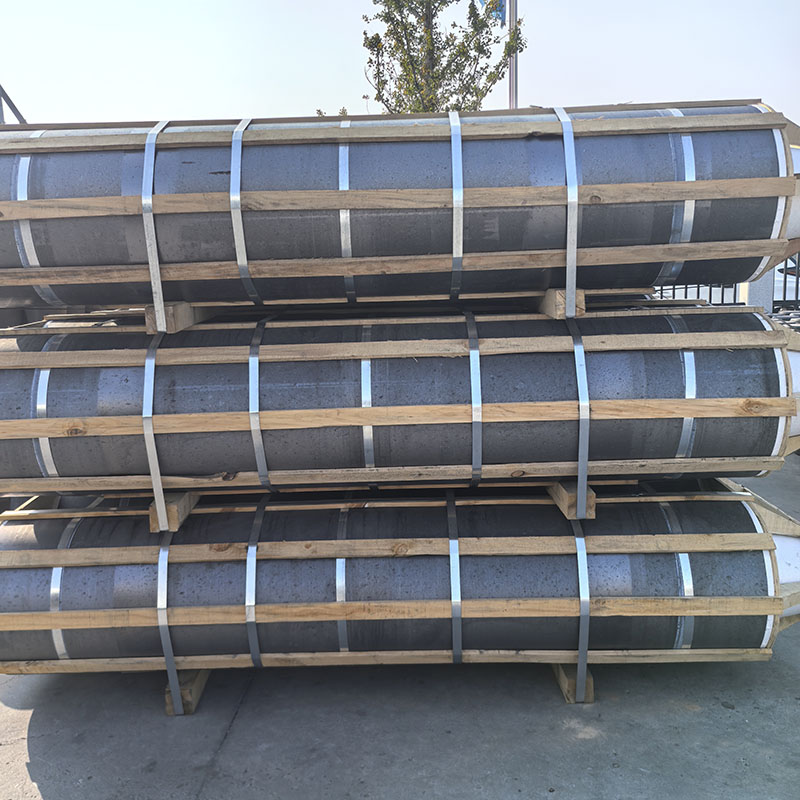
600mm ultra-high power graphite electrodes with high density and low resistance: setting a new benchmark for smelting efficiency
-
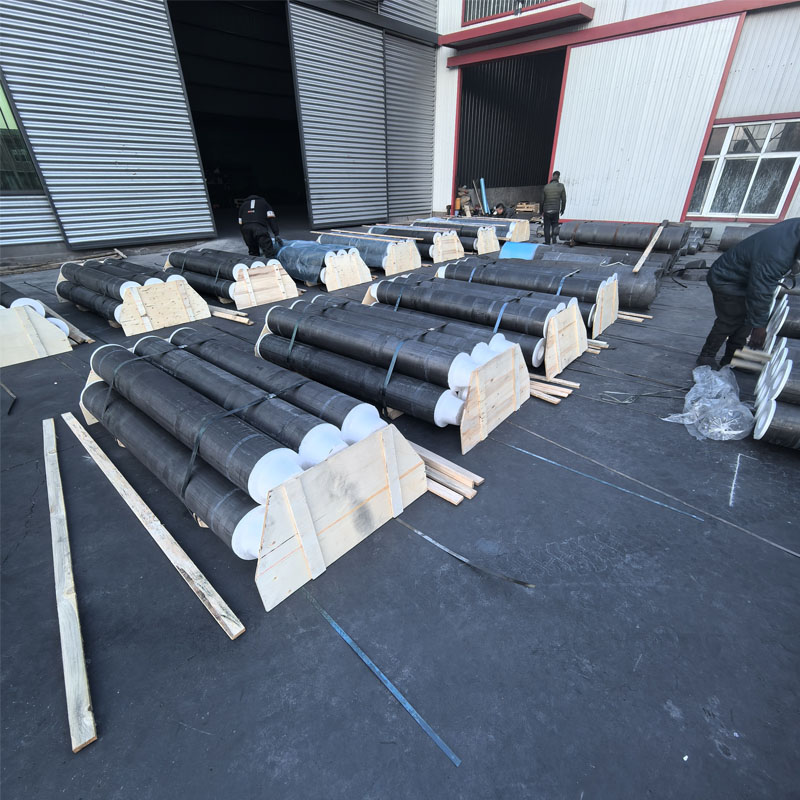
High-power graphite electrode rods, specifically for steelmaking and refining. In stock and ready for immediate shipment. Bulk orders receive discounted pricing.
-
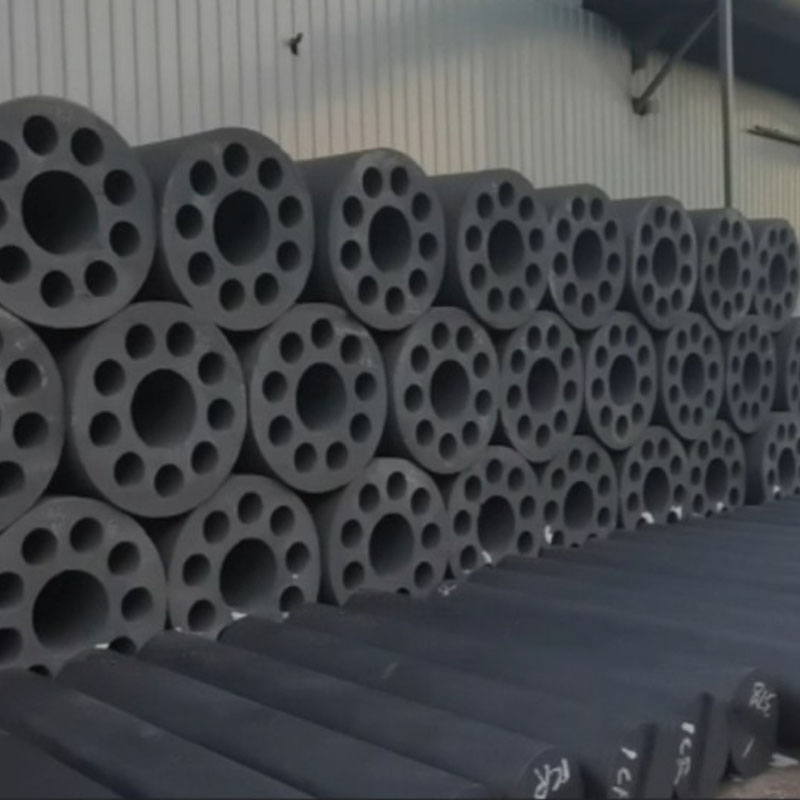
Nine-hole crucible specifically designed for negative electrode materials; features low impurity content, high temperature resistance, and compatibility with graphitization processes
-
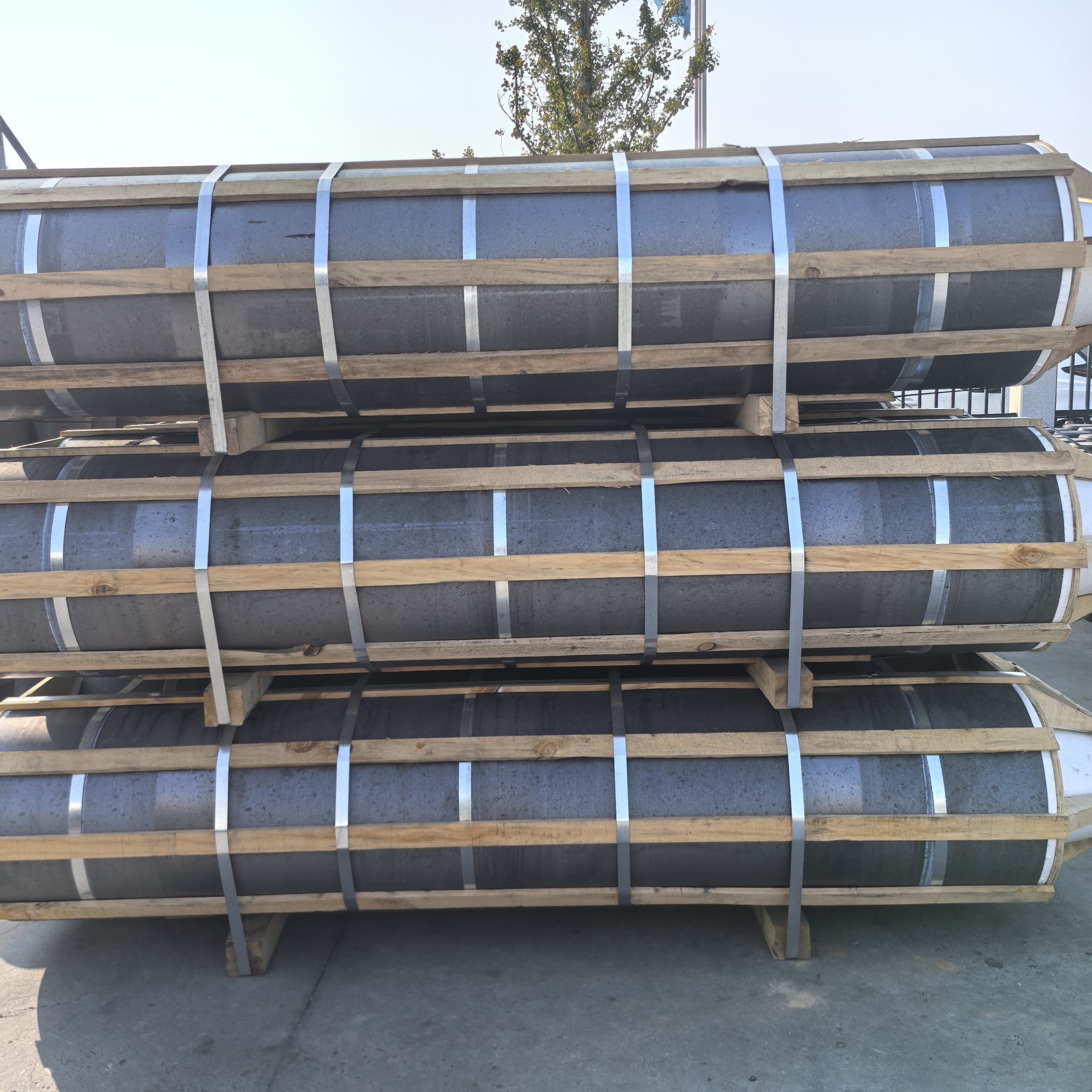
Ultra-High Power Graphite Electrode
-
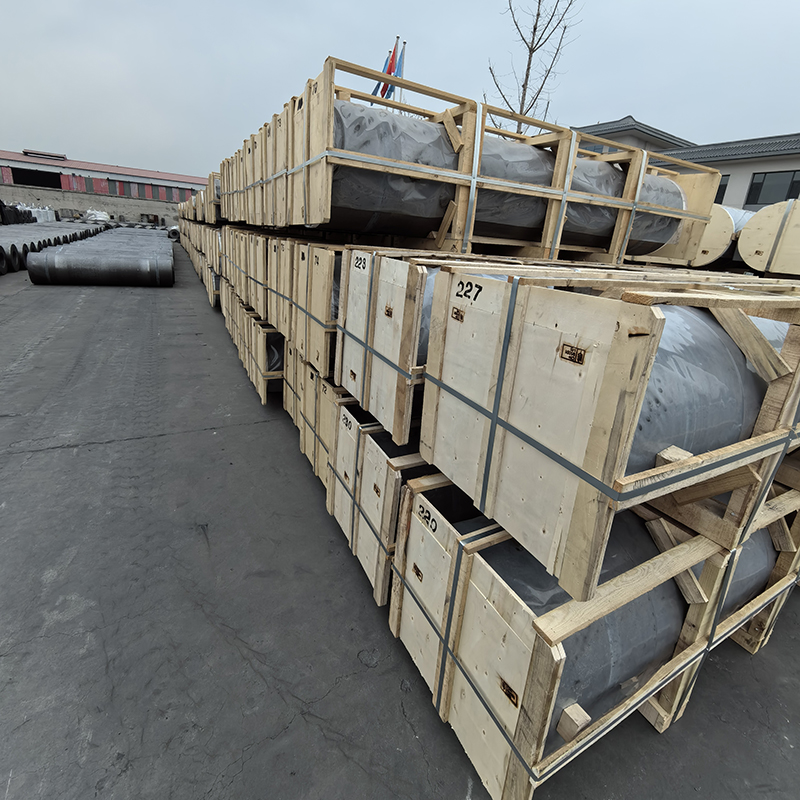
UHP ultra high power graphite electrode
-
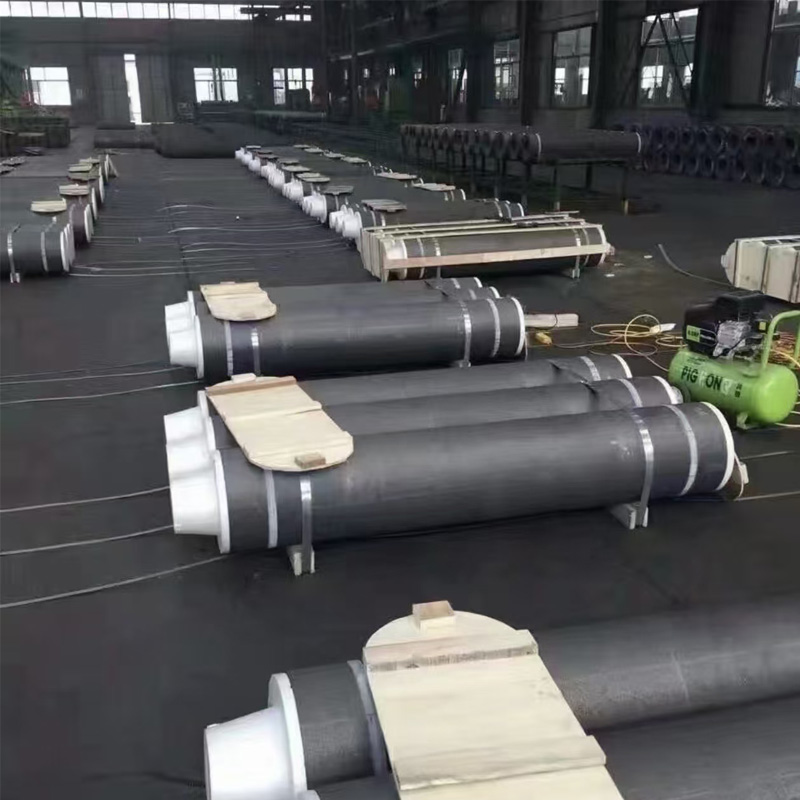
Full range of graphite electrodes: 450, 500, 550 mm sizes available, high-power and ultra-high-power options, all sizes in stock
-
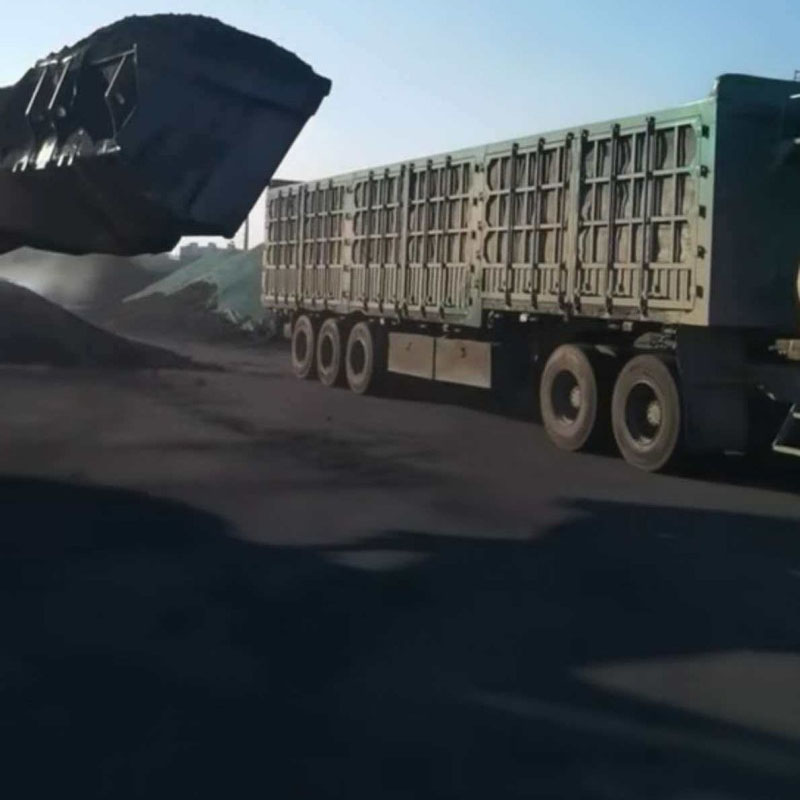
High-sulfur and low-sulfur petroleum coke, specifically for metallurgy and casting applications. Directly supplied by the manufacturer, in stock and ready for immediate shipment
-
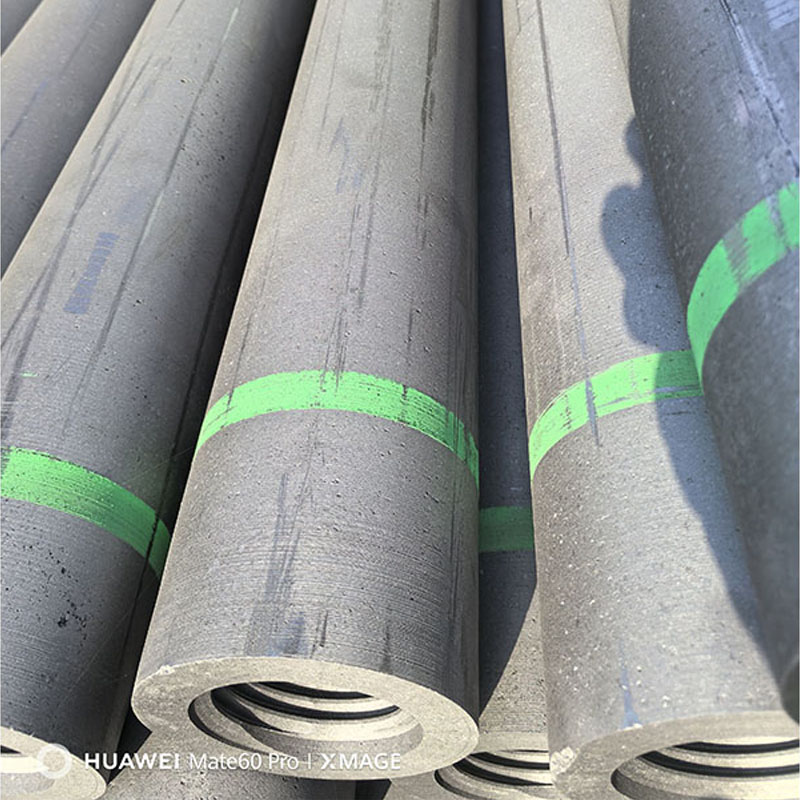
High-power graphite electrode anti-oxidation coating: high temperature resistance, wear protection, and extended electrode lifespan.
-
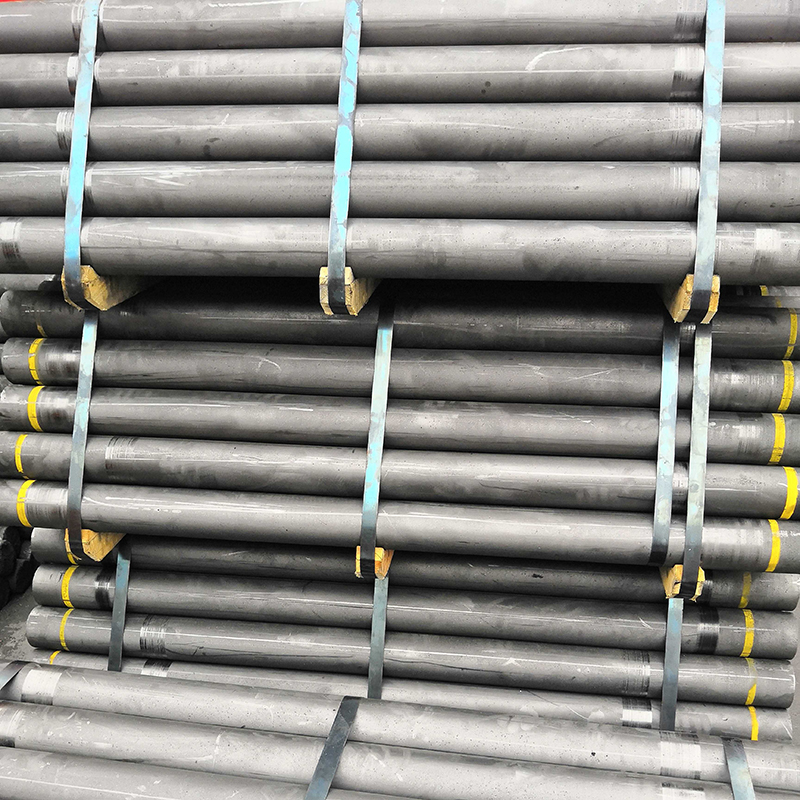
RP normal power graphite electrode
-
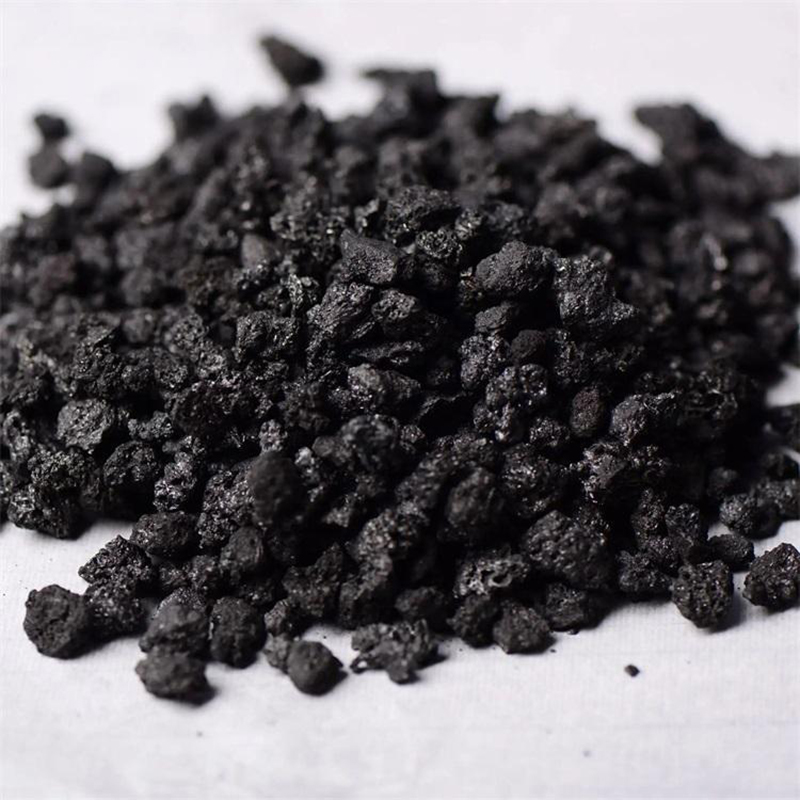
Granular carburizer
-
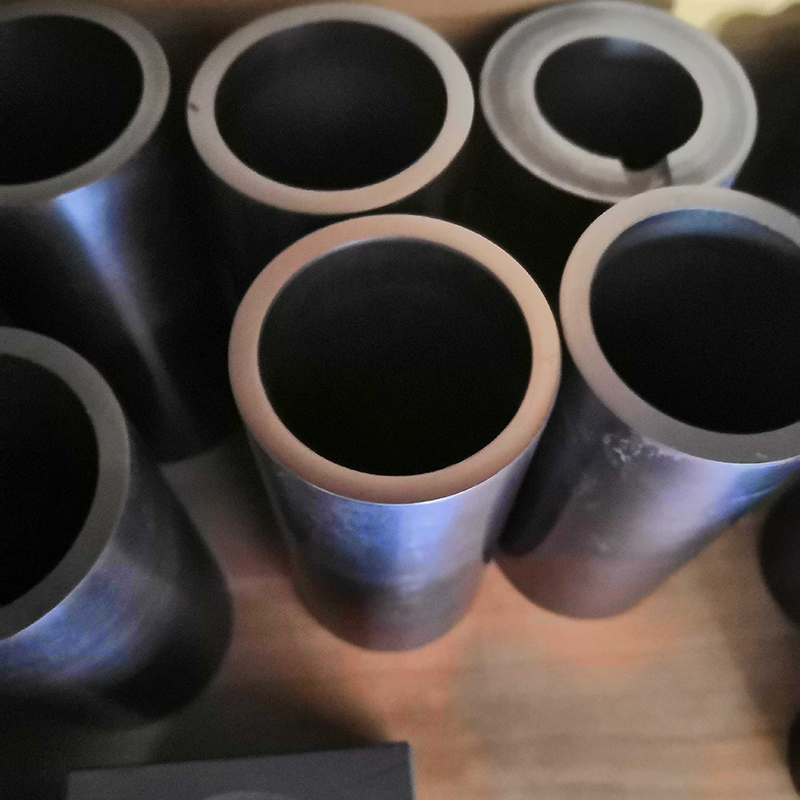
Graphite Crucible
-
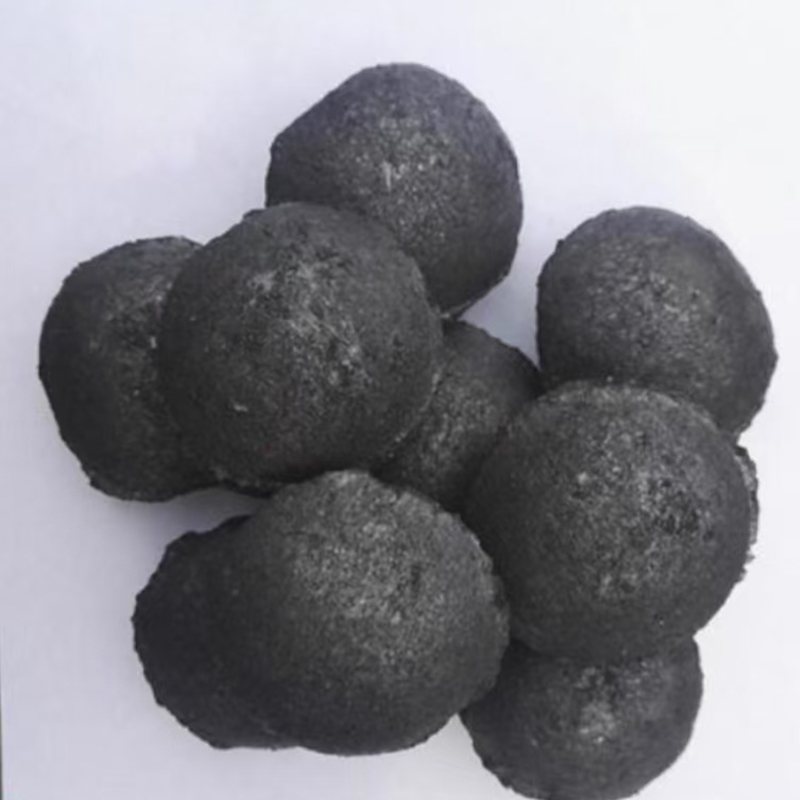
Spherical carburizer
-
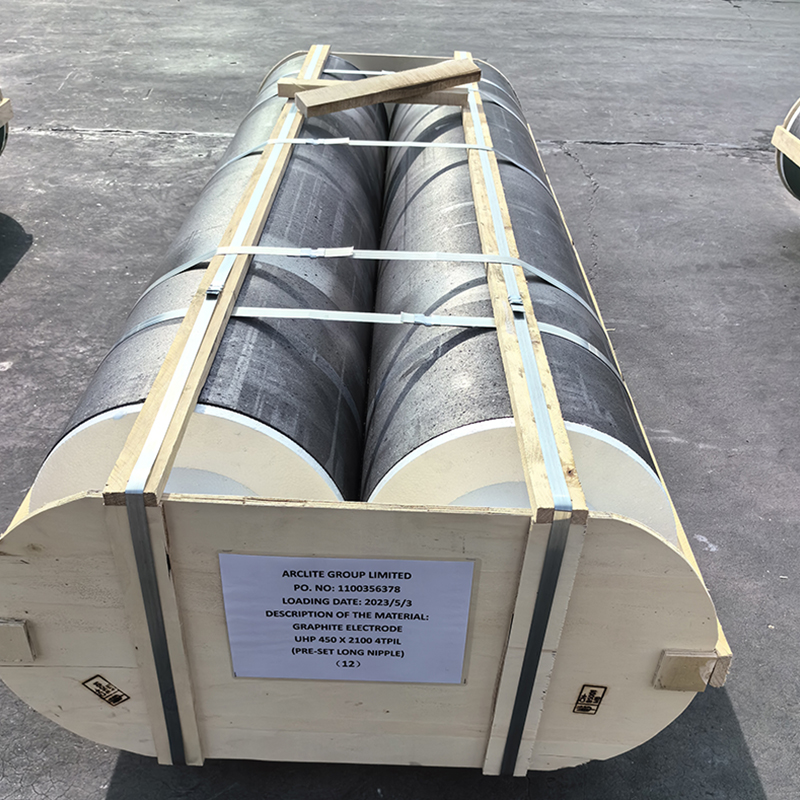
HP high power graphite electrode
-
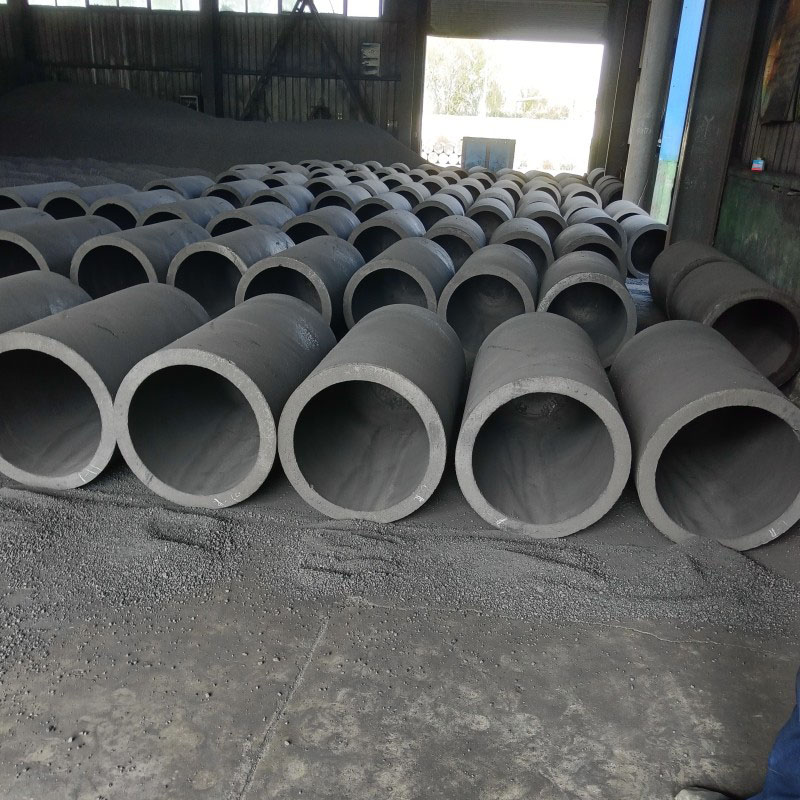
Graphite crucibles specifically designed for negative electrode materials: high temperature resistance and oxidation resistance; ideal for lithium-ion battery production
-
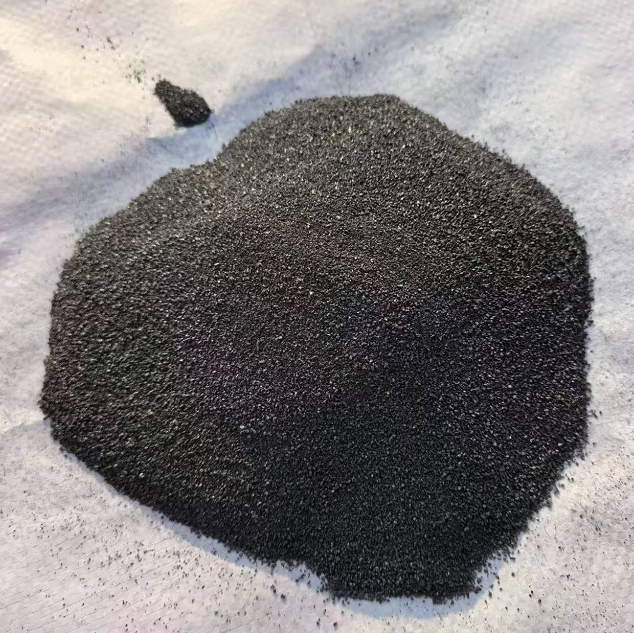
High-quality graphite powder available in stock, with a full range of specifications and customizable options.
-
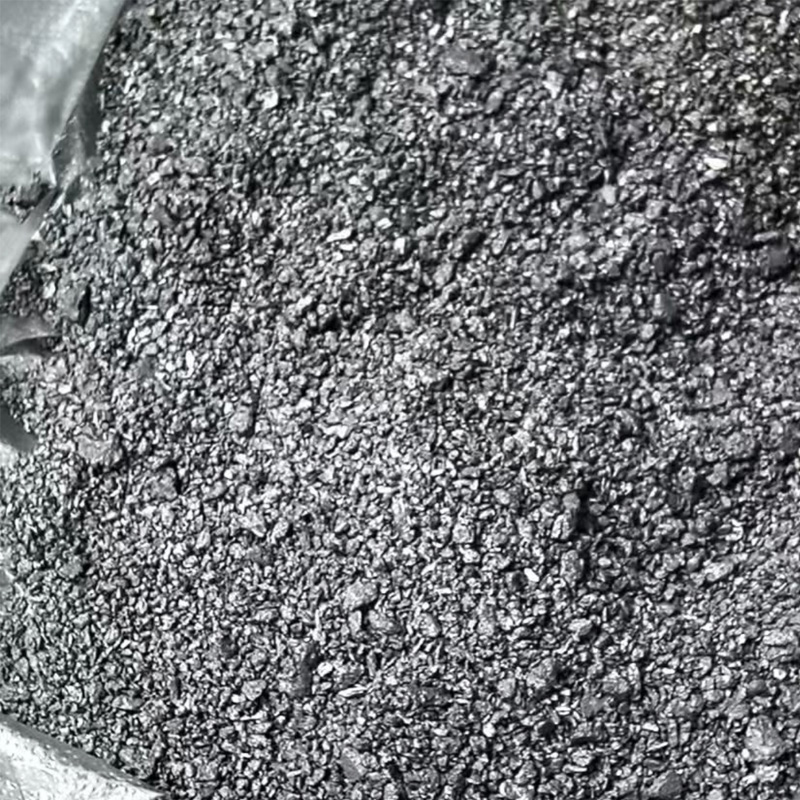
Calcined petroleum coke carbon additive: high absorption rate, adjustable particle size, ideal for casting and metallurgy
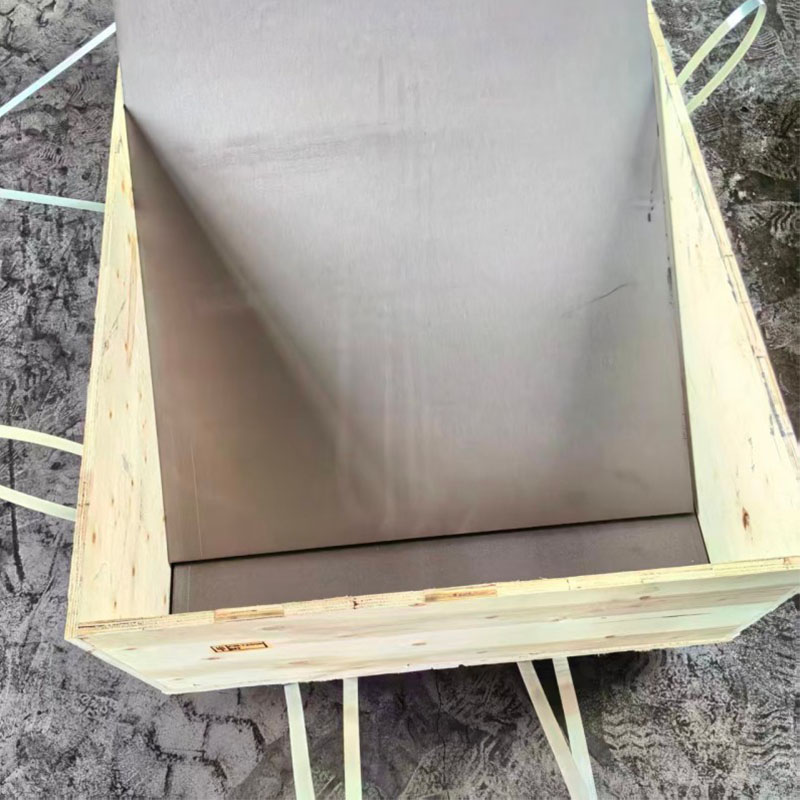
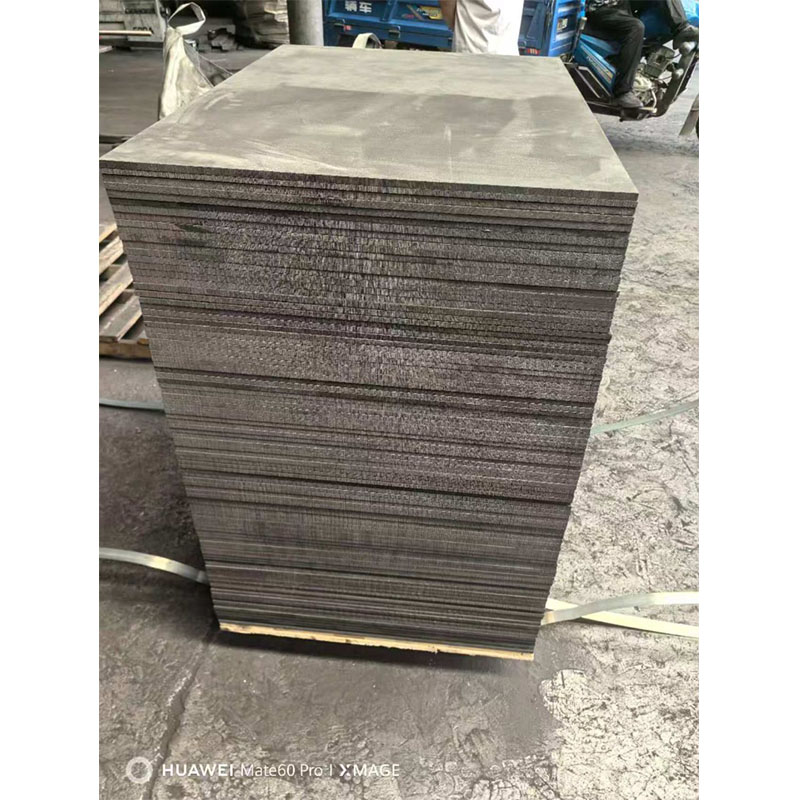
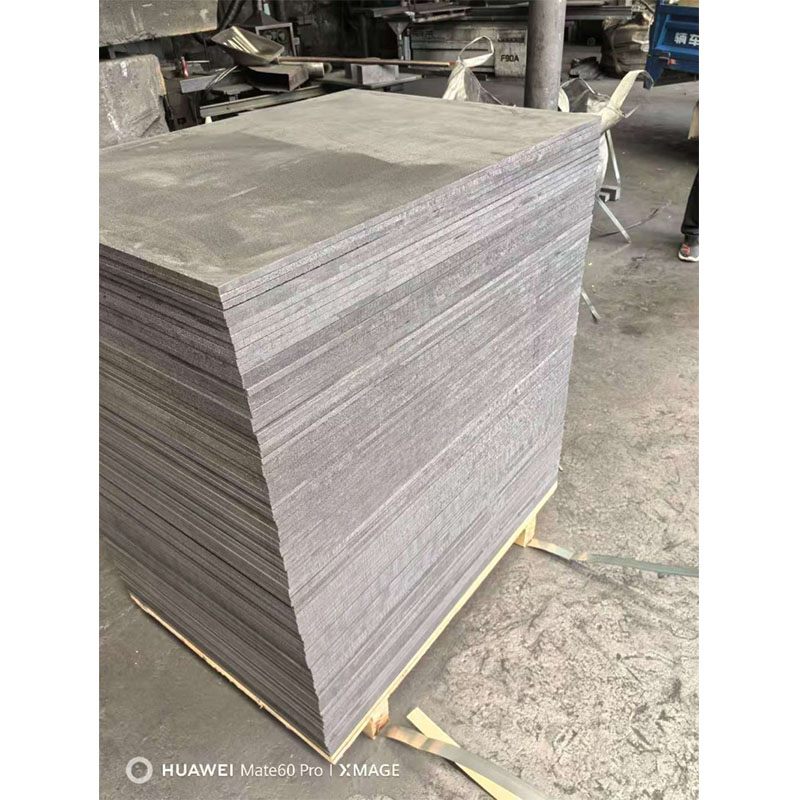
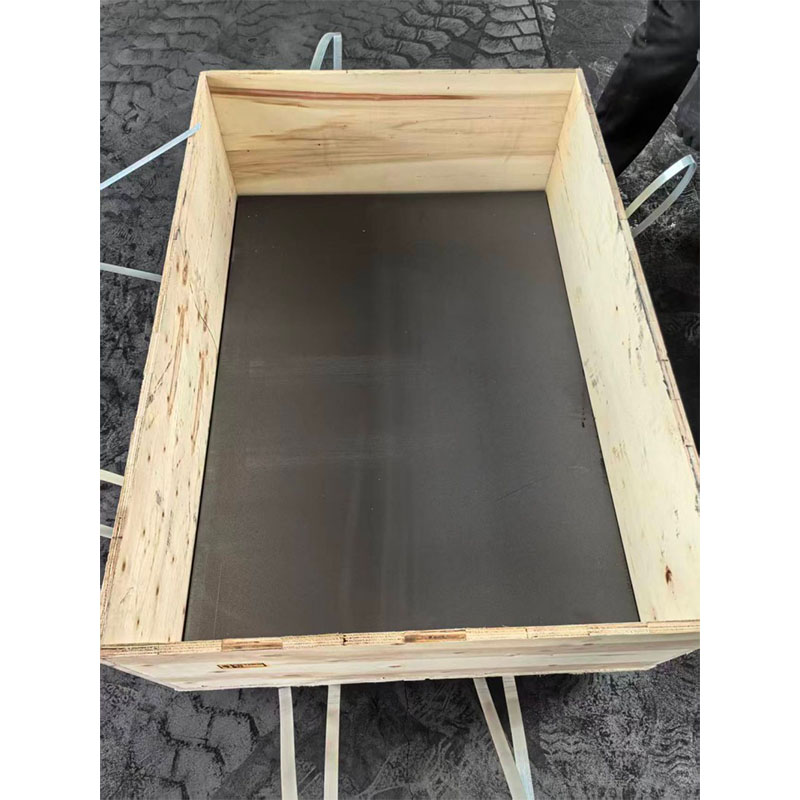
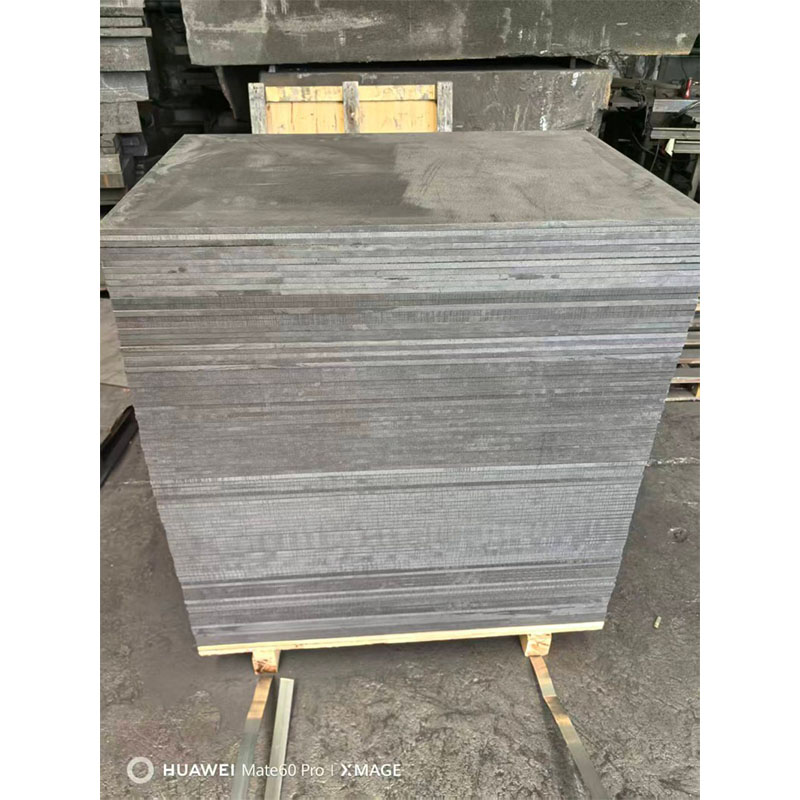
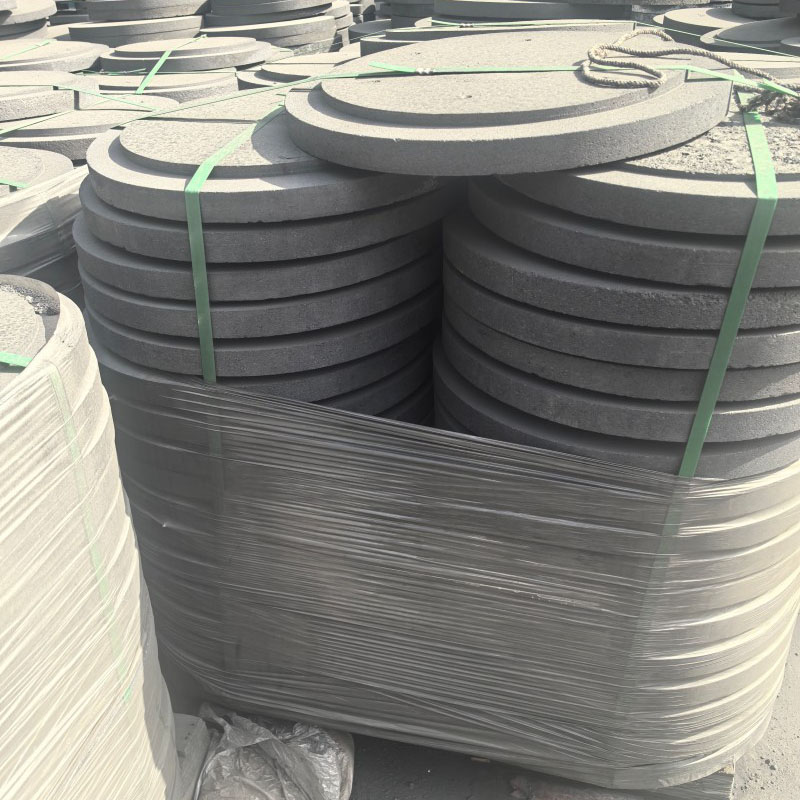
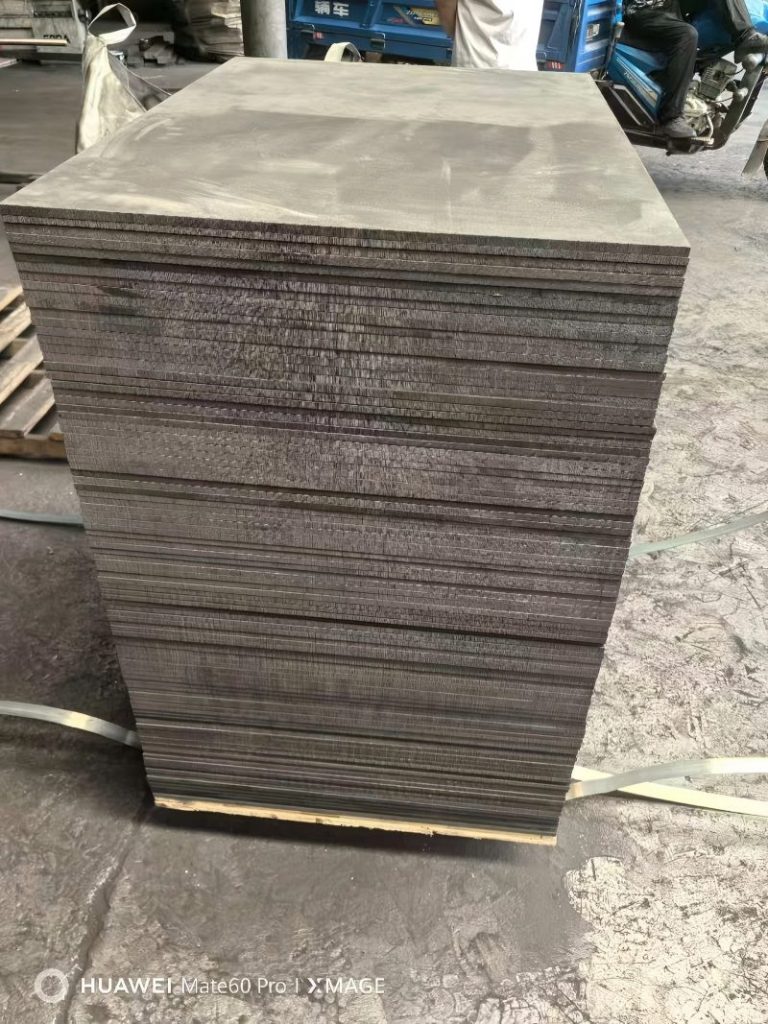
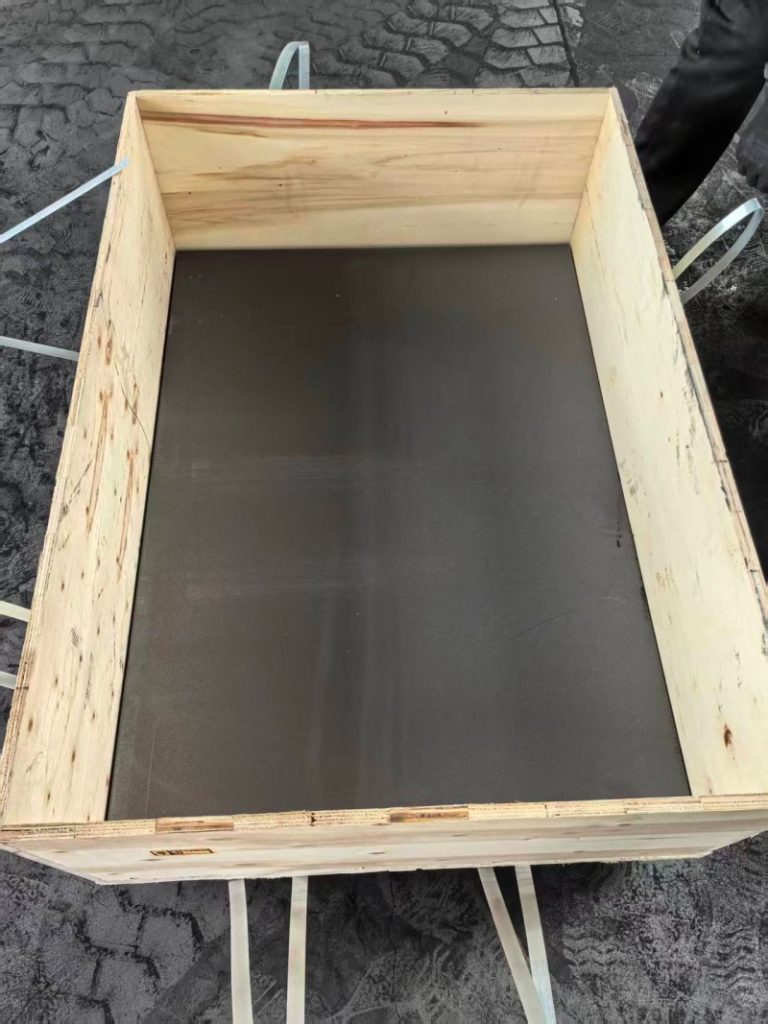
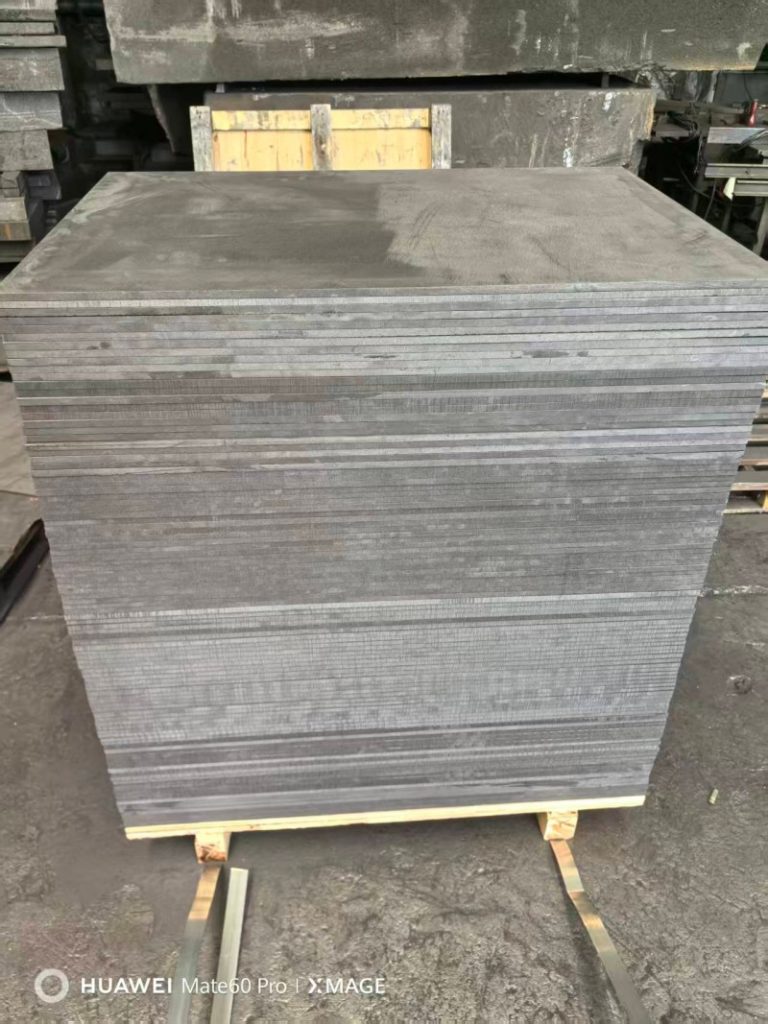
High-temperature resistant graphite plates: conductive, thermally conductive, and corrosion-resistant; custom processing available for industrial furnaces
Graphite plates, made from natural or artificial graphite through precise manufacturing processes, are core industrial materials. Thanks to the diverse advantages conferred by their layered carbon atom structure, they have become indispensable components in many fields. They exhibit excellent ...
Description
marker
Graphite plates, made from natural or artificial graphite through precise manufacturing processes, are core industrial materials. Thanks to the diverse advantages conferred by their layered carbon atom structure, they have become indispensable components in many fields. They exhibit excellent high-temperature resistance, withstanding temperatures up to 3000℃ in an inert gas environment, and remain free from cracking or deformation within a wide temperature range of -200℃ to 1800℃. Their thermal conductivity reaches 150-400 W/(m·K), and their electrical conductivity is close to that of metals.
They also possess superior corrosion resistance, maintaining stable performance for over 5 years in strong acid and alkali environments with a weight loss rate of ≤0.5%. Furthermore, they have a compression resilience rate of over 85%, allowing for flexible adaptation to complex equipment shapes. Standard sizes range from 100mm×100mm to 2000mm×1000mm, with thicknesses from 2-50mm and a dimensional tolerance of ≤±0.2mm. High-purity grades have a purity of ≥99.99%.
Widely used in electrolytic metallurgy, new energy batteries, chemical corrosion protection, and electronic heat dissipation, they can improve electrolysis efficiency by more than 15% and extend equipment lifespan by three times. They are suitable for demanding working conditions ranging from traditional industries to aerospace, making them a high-end industrial material that combines environmental friendliness and stability.
contact us
Related popular products
High-power graphite electrodes, 600 mm diameter, for export.
Export-grade 600mm high-power graphite electrodes, featuring pure and reliable quality, high dens...
Nine-hole crucible specifically designed for negative electrode materials; features low impurity content, high temperature resistance, and compatibility with graphitization processes
The nine-hole crucible is a high-end refractory container specifically designed for multi-station...
Spherical carburizer
Spherical carburizer Main ingredients •The main ingredient of spherical recarburizer is carbon, w...
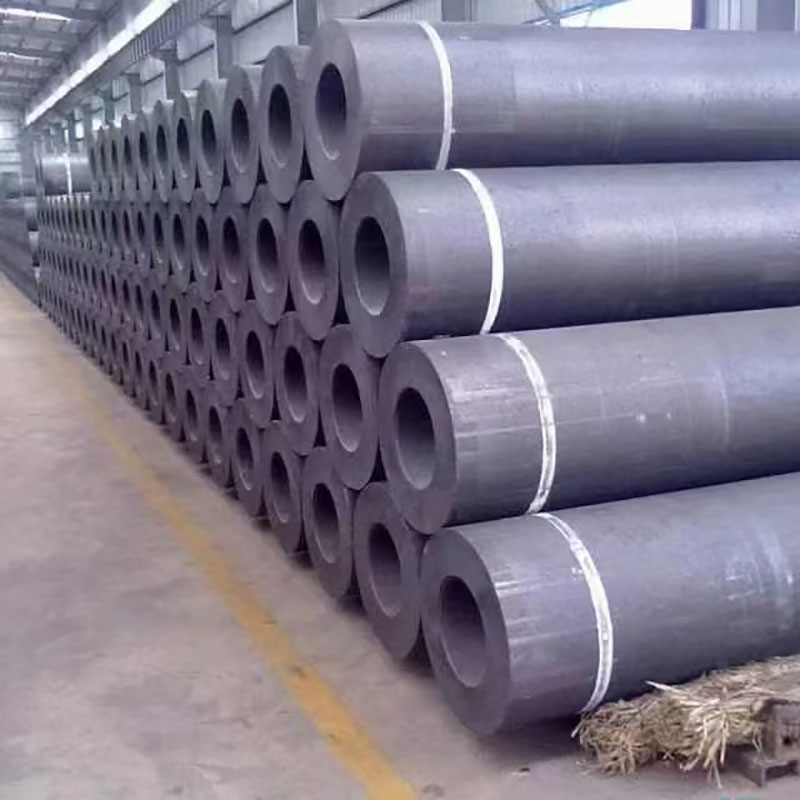
A supplier of graphite electrodes with a global distribution network.
High-power and ultra-high-power graphite electrodes are available for direct sale. They provide h...
High-sulfur and low-sulfur petroleum coke, specifically for metallurgy and casting applications. Directly supplied by the manufacturer, in stock and ready for immediate shipment
Petroleum coke is a high-quality carbon material refined from crude oil through a delayed coking ...
High-power graphite electrode rods, specifically for steelmaking and refining. In stock and ready for immediate shipment. Bulk orders receive discounted pricing.
This high-power graphite electrode is manufactured using high-quality needle coke as raw material...
High-power graphite electrode anti-oxidation coating: high temperature resistance, wear protection, and extended electrode lifespan.
This high-power graphite electrode anti-oxidation coating is specifically developed for high-temp...
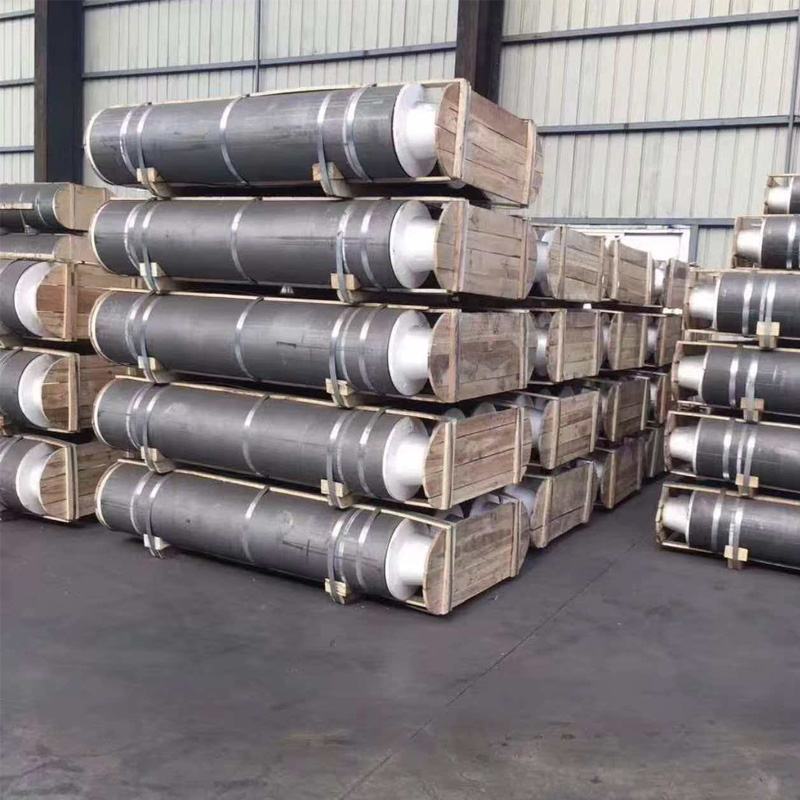
450mm ultra-high/high-power graphite electrodes, high density and low resistance, supplied directly from the manufacturer.
These 450mm ultra-high power/high-power graphite electrodes are independently developed and manuf...
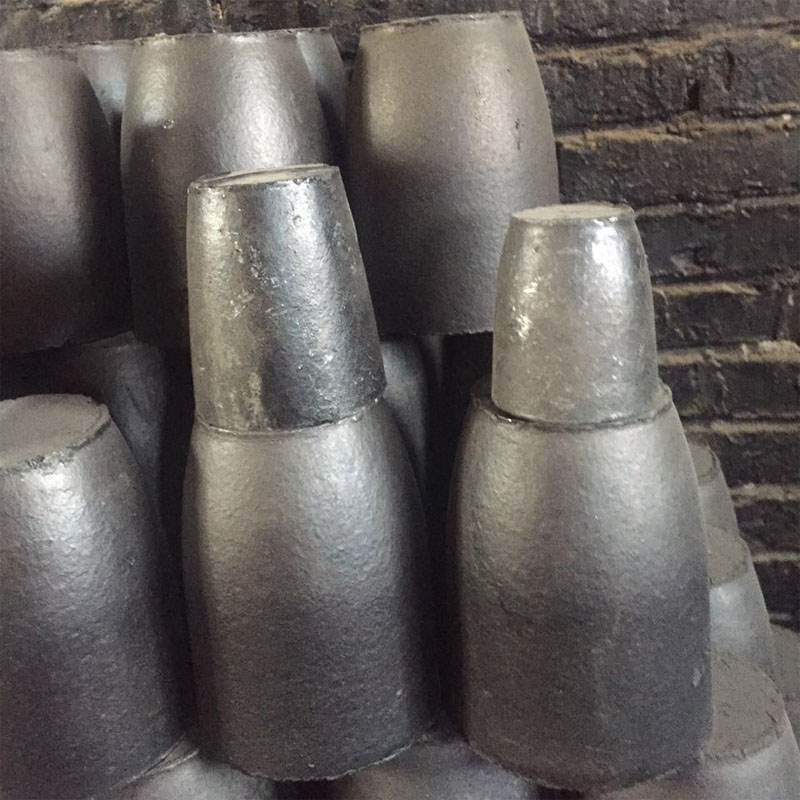
High-temperature resistant silicon carbide crucible, specially designed for melting aluminum and copper, corrosion-resistant and impact-resistant, direct from the manufacturer.
This silicon carbide crucible is made from high-purity silicon carbide raw materials, combined wi...
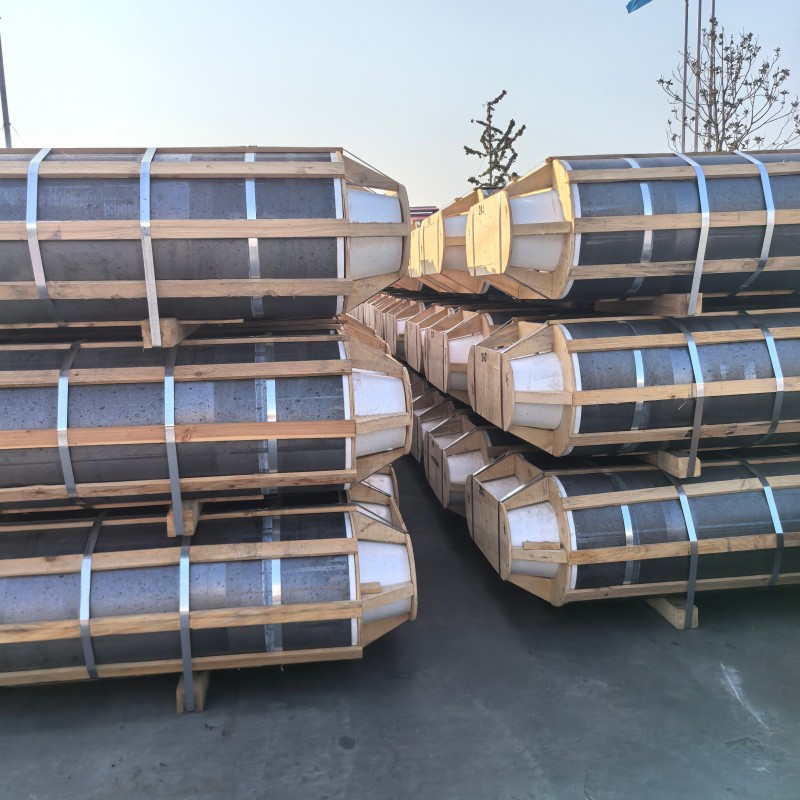
Metallurgical steelmaking ultra-high power graphite electrodes, high temperature resistant and impact resistant, direct supply from the manufacturer
Ultra-high power graphite electrodes are a core consumable in modern electric arc furnace steelma...
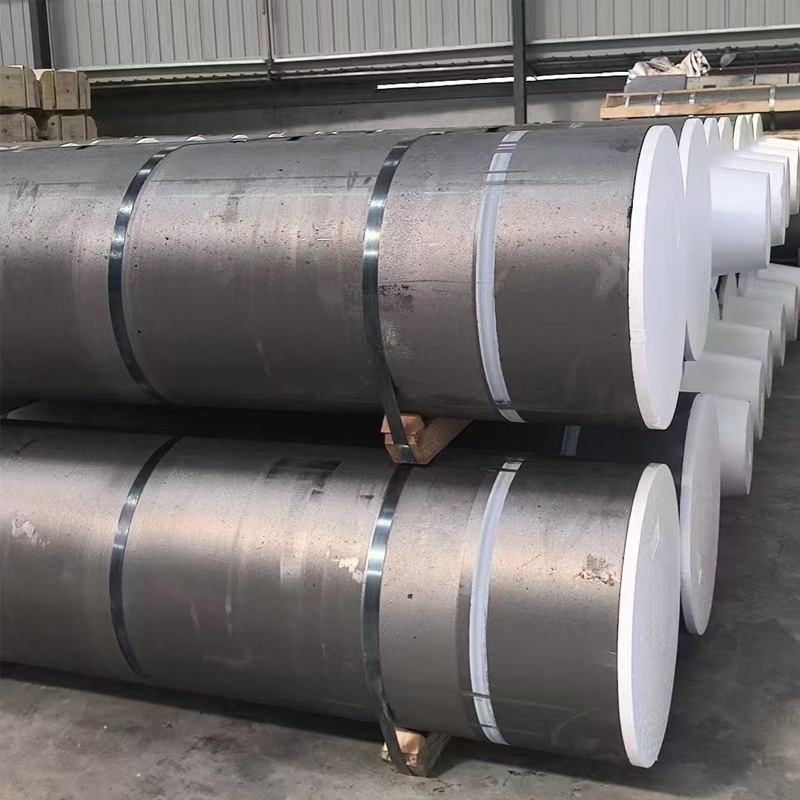
550mm ultra-high power/high-power graphite electrodes: Low resistance, high density, and a pioneer in reducing energy consumption
The 550mm ultra-high power/high-power graphite electrodes are made from carefully selected high-q...
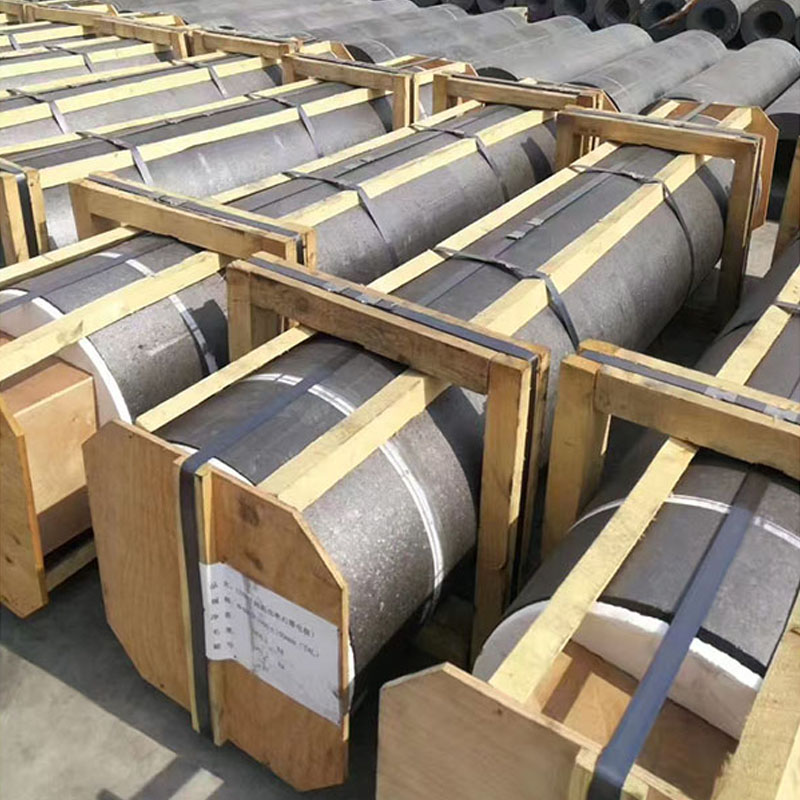
600mm diameter high-power and ultra-high-power graphite electrodes, electrically conductive, high-temperature resistant, industrial-grade, stable and durable.
High-power graphite electrodes offer excellent temperature resistance, making them suitable for h...
600mm ultra-high power graphite electrodes with high density and low resistance: setting a new benchmark for smelting efficiency
Focusing on 600mm ultra-large diameter, ultra-high power graphite electrodes, we select high-puri...
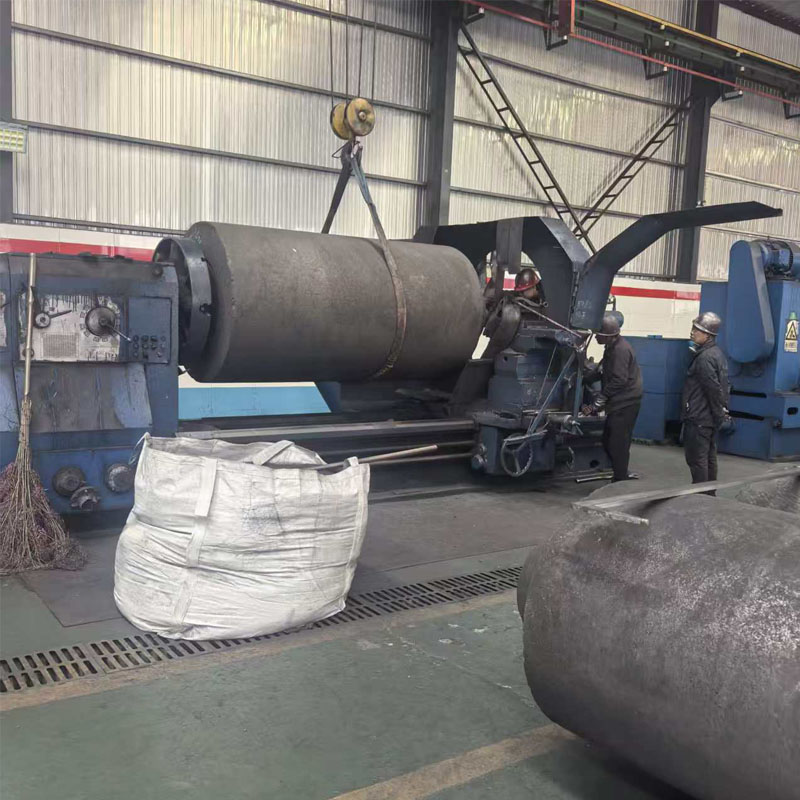
960 Graphite Electrodes – High Power, Ultra-High Power – Worldwide Shipping
This 960mm diameter graphite electrode boasts excellent high-temperature resistance, strong condu...
Graphite crucibles specifically designed for negative electrode materials: high temperature resistance and oxidation resistance; ideal for lithium-ion battery production
The anode-specific crucible is a high-end refractory container custom-developed for lithium-ion b...
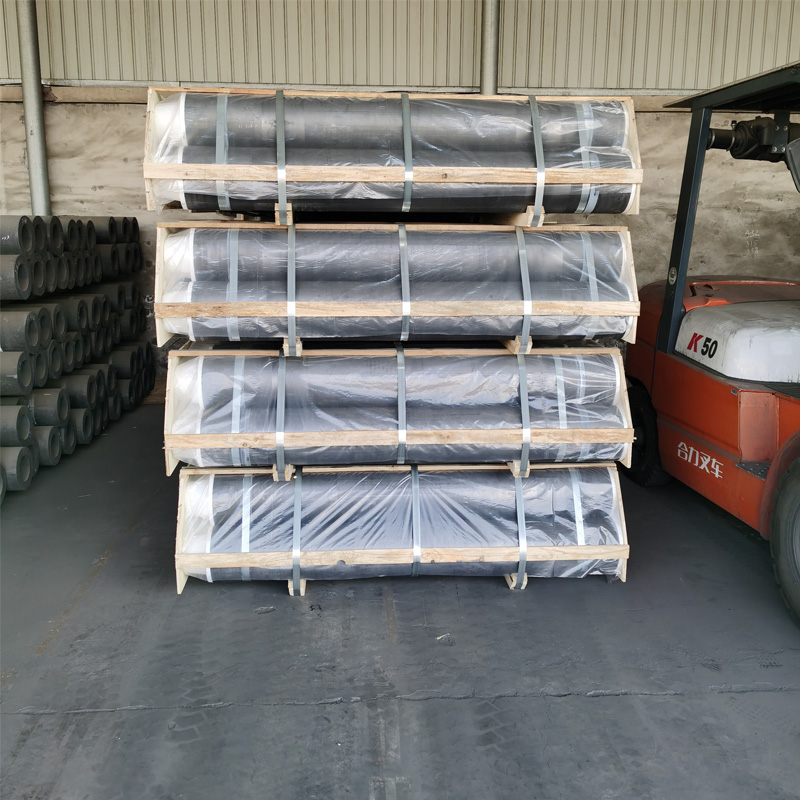
High-power graphite electrodes: the preferred choice for energy saving, reduced consumption, and improved steelmaking efficiency
High-power graphite electrodes are a core critical material for steelmaking in medium and large-s...