- English
- Chinese
- French
- German
- Portuguese
- Spanish
- Russian
- Japanese
- Korean
- Arabic
- Irish
- Greek
- Turkish
- Italian
- Danish
- Romanian
- Indonesian
- Czech
- Afrikaans
- Swedish
- Polish
- Basque
- Catalan
- Esperanto
- Hindi
- Lao
- Albanian
- Amharic
- Armenian
- Azerbaijani
- Belarusian
- Bengali
- Bosnian
- Bulgarian
- Cebuano
- Chichewa
- Corsican
- Croatian
- Dutch
- Estonian
- Filipino
- Finnish
- Frisian
- Galician
- Georgian
- Gujarati
- Hausa
- Hawaiian
- Hebrew
- Hmong
- Hungarian
- Icelandic
- Igbo
- Javanese
- Kannada
- Kazakh
- Khmer
- Kurdish
- Kyrgyz
- Latin
- Latvian
- Lithuanian
- Luxembou..
- Macedonian
- Malagasy
- Malay
- Malayalam
- Maltese
- Maori
- Marathi
- Mongolian
- Burmese
- Nepali
- Norwegian
- Pashto
- Persian
- Punjabi
- Serbian
- Sesotho
- Sinhala
- Slovak
- Slovenian
- Somali
- Samoan
- Scots Gaelic
- Shona
- Sindhi
- Sundanese
- Swahili
- Tajik
- Tamil
- Telugu
- Thai
- Ukrainian
- Urdu
- Uzbek
- Vietnamese
- Welsh
- Xhosa
- Yiddish
- Yoruba
- Zulu
- Kinyarwanda
- Tatar
- Oriya
- Turkmen
- Uyghur



How does coal tar liquid aid in sustainability?
2026-01-03
Coal tar liquid—often misunderstood, sometimes underrated—can be a surprising ally in the quest for sustainability. Though primarily known for its historical use in medicinal products and industrial processes, its role in modern sustainability is increasingly gaining attention. But why? And how does it seamlessly fit into this narrative?
The Role of Coal Tar in Carbon Production
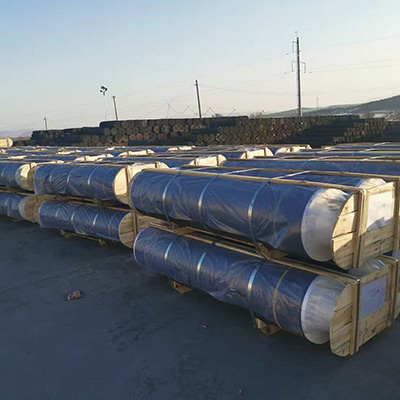
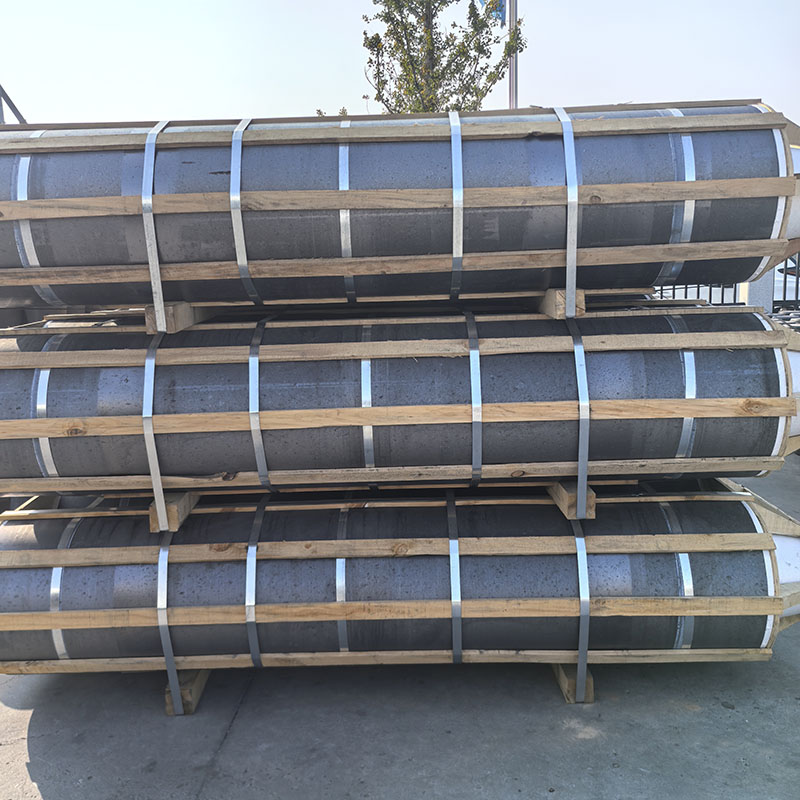
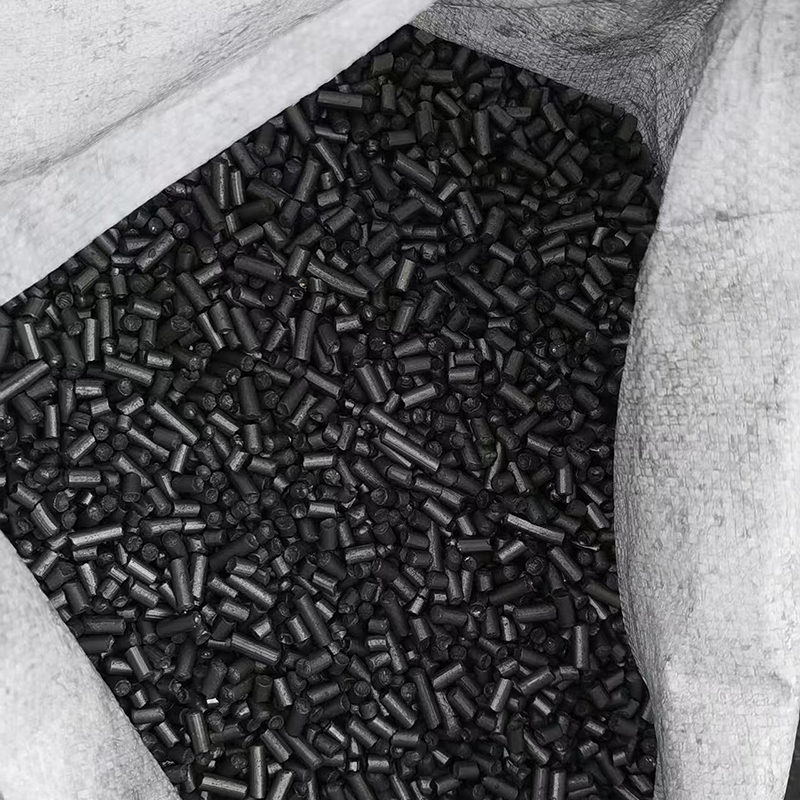
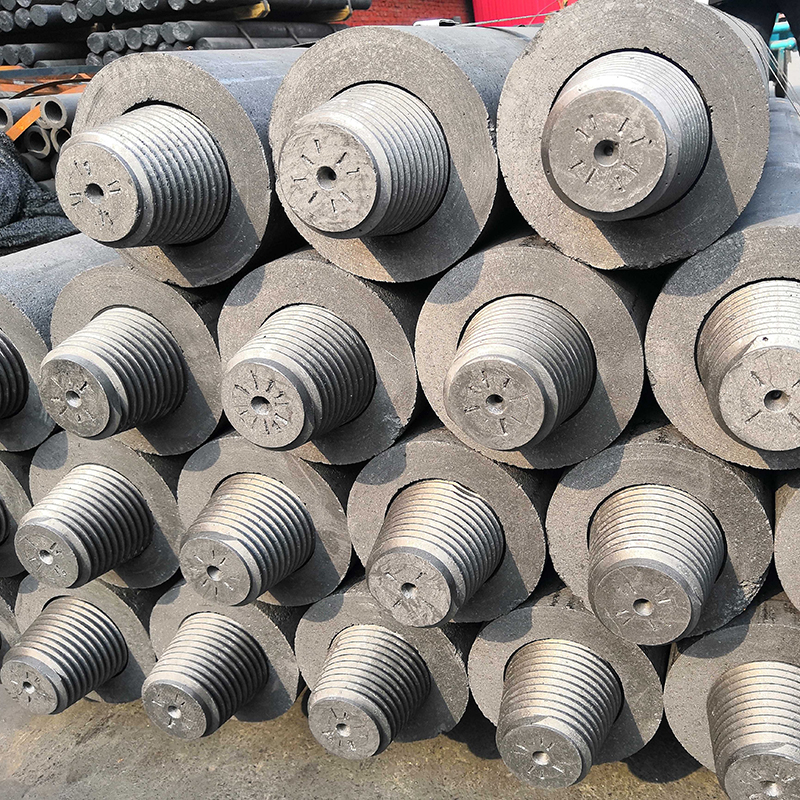
Coal tar liquid is a byproduct of the coke industry, and it’s primarily used in the production of carbon materials. Companies like Hebei Yaofa Carbon Co., Ltd., with over two decades of experience, are spearheading efforts to integrate these materials into various sustainable applications. They leverage coal tar liquid for producing essential carbon additives which play a crucial role in limiting waste by improving fuel efficiency and reducing emissions.
A notable advantage here is the circular economy model. Instead of disposing of coal tar as waste, it finds a purpose—a step toward sustainability. This approach reduces the carbon footprint of industries relying heavily on traditional carbon sources.
Yet, integrating coal tar liquid isn’t without its challenges. It requires substantial technological investment and expertise, things that companies like Hebei Yaofa have fine-tuned over the years. Being able to process and refine these byproducts efficiently amplifies their sustainability benefits.
Adapting Technology for Sustainable Outcomes
With technology rapidly evolving, the potential applications for coal tar derivative products are broadening. Think about the automotive industry where lighter, more durable materials are key. Incorporating carbon materials derived from coal tar can significantly enhance the manufacturing process, leading to efficient, lightweight vehicles that consume less fuel.
A potential roadblock is perception—many industries still view coal tar as a ‘dirty’ component. However, in practice, the exact opposite is true when utilized correctly. The focus is not just on application but on refinement and treatment processes that ensure environmental safety.
This transition isn’t merely theoretical. Real-world cases illustrate increased demand for eco-friendly solutions that Hebei Yaofa Carbon Co., Ltd. meets with precision. Their expertise is critical in ensuring that carbon materials are used optimally across various sectors.
The Environmental Perspective
From an environmental perspective, coal tar liquid offers an opportunity to lower industrial pollution. Consider the reduction in emissions due to more efficient fuel burn and lower energy requirements in material production. It’s a case of doing more with less—an essential principle in sustainable practices.
The challenge is ensuring that the extraction and processing of coal tar are kept clean and efficient. It is here that industry leaders need to engage with environmental scientists to continuously refine these processes.
Efforts must focus on reducing harmful emissions during production phases. This dual focus—on material efficiency and environmental safety—distinguishes truly sustainable coal tar liquid applications.
Economic Viability and Market Demand
Transitioning into sustainable models isn’t just an environmental decision; it’s becoming an economic imperative. Market demands are shifting towards sustainable products, driven by both regulations and consumer awareness.
For businesses like Hebei Yaofa Carbon Co., Ltd., this represents an opportunity to lead and innovate. They have the experience and infrastructure to respond to this demand effectively, ensuring that their carbon products meet both performance and sustainability standards.
Furthermore, integrating sustainability doesn’t necessarily mean increased costs. Think of it as an investment—one that yields long-term benefits not only in terms of brand reputation but also in operational efficiency and resource optimization.
Challenges and Future Directions
Yet, it’s not all smooth sailing. Industries face challenges like regulatory pressures and the need for technological advancements to handle coal tar efficiently. Companies need to stay ahead of the curve to maintain relevance and leadership in sustainable practices.
This requires a proactive approach—engaging with R&D, partnering with academic institutions, and continually testing new methods for processing coal tar that align with sustainable goals.
In conclusion, while coal tar liquid might not traditionally be associated with sustainability, when harnessed correctly, it has the potential to transform industries. Companies like Hebei Yaofa Carbon Co., Ltd. are demonstrating how strategic application of these materials can lead to a sustainable future. It’s about moving past misconceptions and seeing the material for the opportunities it truly represents.