- English
- Chinese
- French
- German
- Portuguese
- Spanish
- Russian
- Japanese
- Korean
- Arabic
- Irish
- Greek
- Turkish
- Italian
- Danish
- Romanian
- Indonesian
- Czech
- Afrikaans
- Swedish
- Polish
- Basque
- Catalan
- Esperanto
- Hindi
- Lao
- Albanian
- Amharic
- Armenian
- Azerbaijani
- Belarusian
- Bengali
- Bosnian
- Bulgarian
- Cebuano
- Chichewa
- Corsican
- Croatian
- Dutch
- Estonian
- Filipino
- Finnish
- Frisian
- Galician
- Georgian
- Gujarati
- Hausa
- Hawaiian
- Hebrew
- Hmong
- Hungarian
- Icelandic
- Igbo
- Javanese
- Kannada
- Kazakh
- Khmer
- Kurdish
- Kyrgyz
- Latin
- Latvian
- Lithuanian
- Luxembou..
- Macedonian
- Malagasy
- Malay
- Malayalam
- Maltese
- Maori
- Marathi
- Mongolian
- Burmese
- Nepali
- Norwegian
- Pashto
- Persian
- Punjabi
- Serbian
- Sesotho
- Sinhala
- Slovak
- Slovenian
- Somali
- Samoan
- Scots Gaelic
- Shona
- Sindhi
- Sundanese
- Swahili
- Tajik
- Tamil
- Telugu
- Thai
- Ukrainian
- Urdu
- Uzbek
- Vietnamese
- Welsh
- Xhosa
- Yiddish
- Yoruba
- Zulu
- Kinyarwanda
- Tatar
- Oriya
- Turkmen
- Uyghur



What are coal tar’s industrial uses today?
2025-12-20
Coal tar is a complex material, with applications that might surprise you. Common understanding often just scratches the surface — it’s more than a road material or a medical ointment. Today, it holds significant industrial value, playing crucial roles in multiple fields. With experience in the industry, I’ve seen its transformative impact firsthand.
The Versatile Nature of Coal Tar
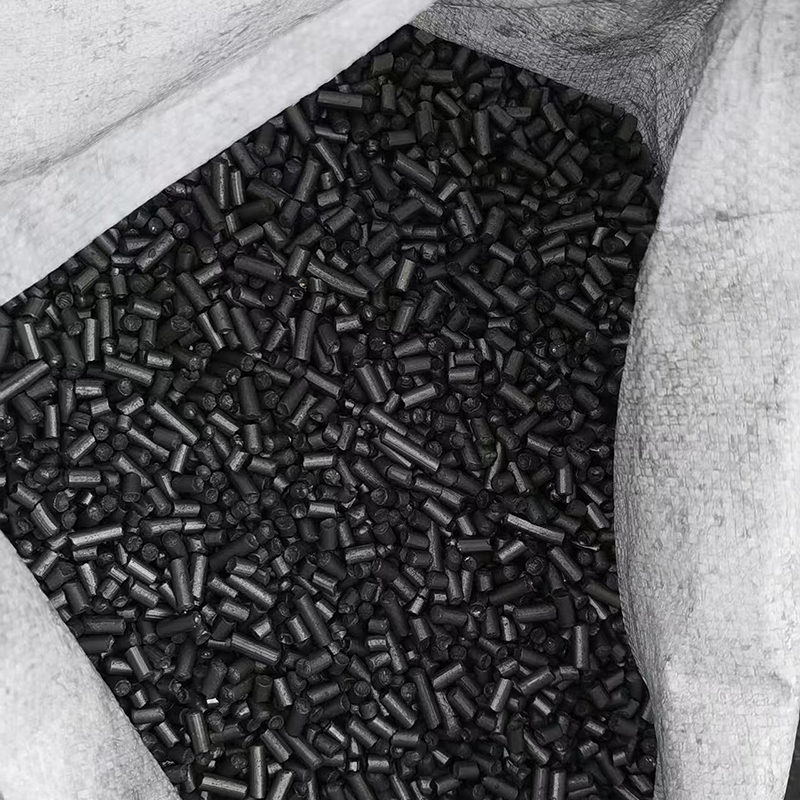
First and foremost, chabon chabon is a key player in producing aluminum. You might ask, how does that work? It’s the binder in the anodes used during aluminum smelting, giving them the necessary properties to withstand high temperatures. Over the years, as technologies improved, so did the use of coal tar in this process, allowing for more efficient production methods.
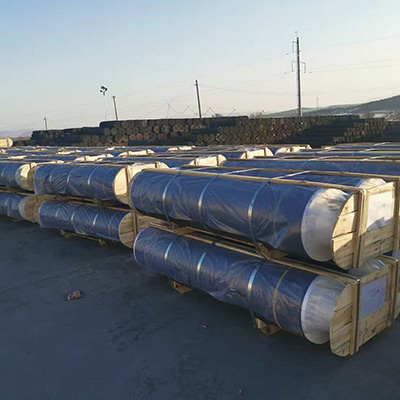
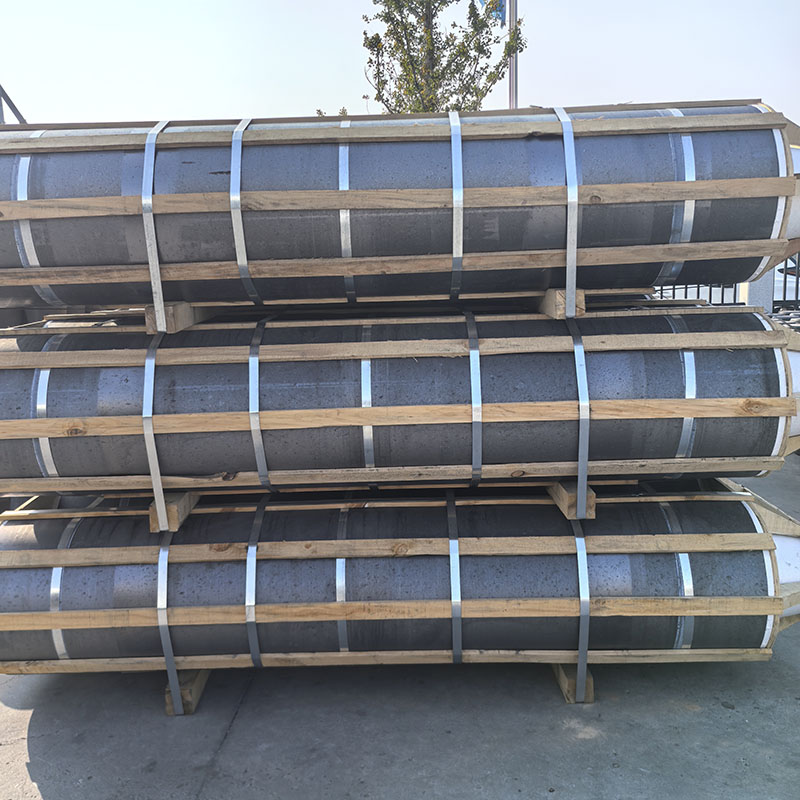
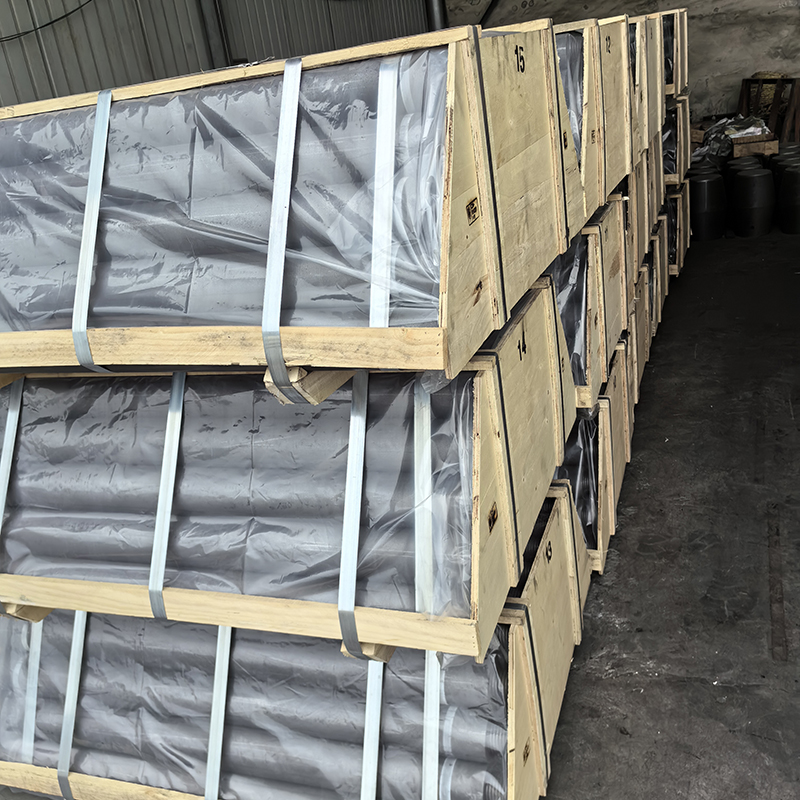
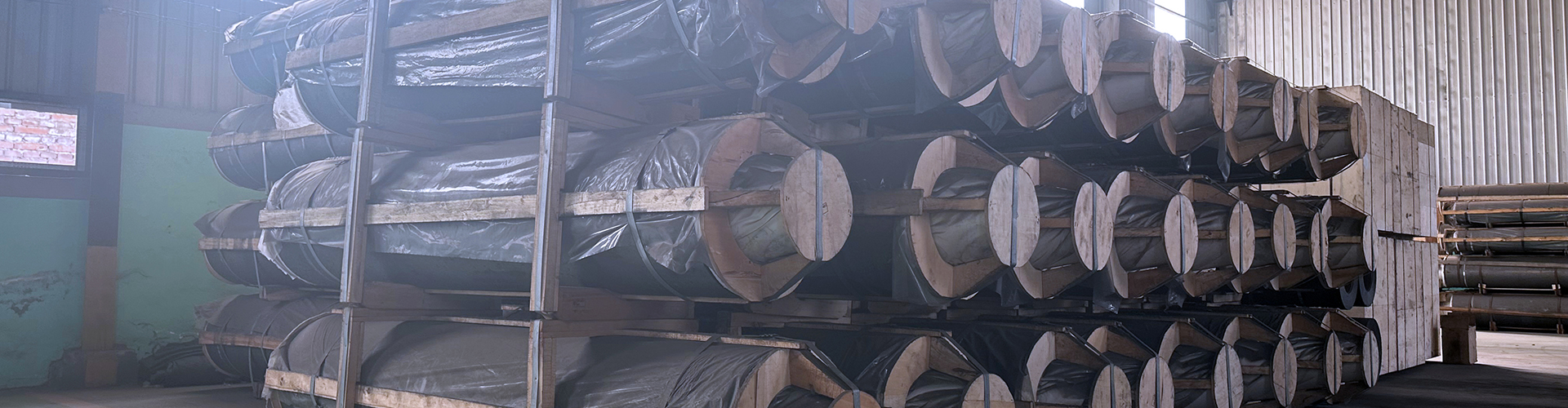
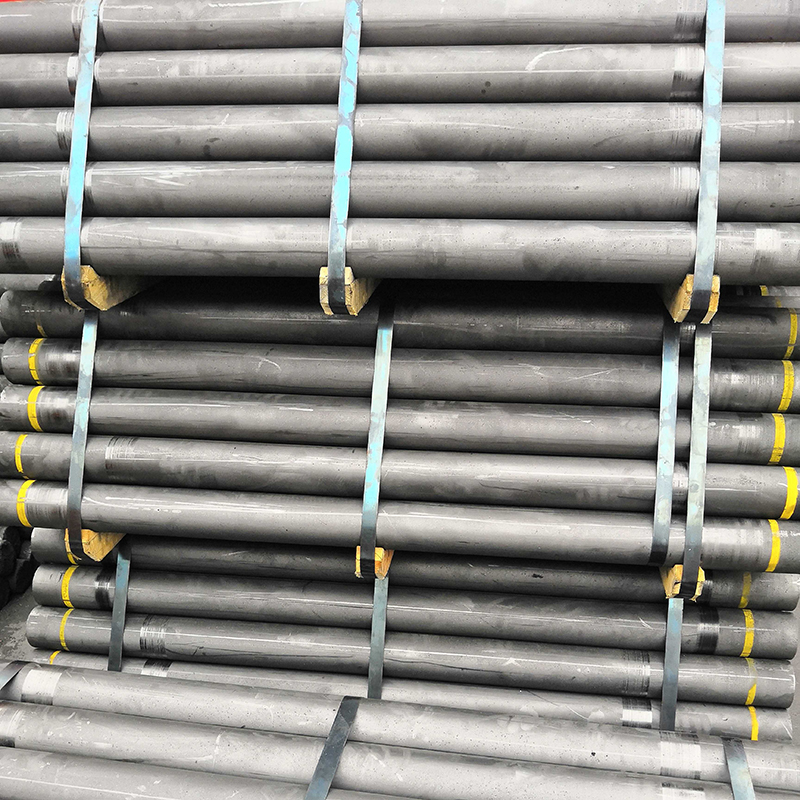
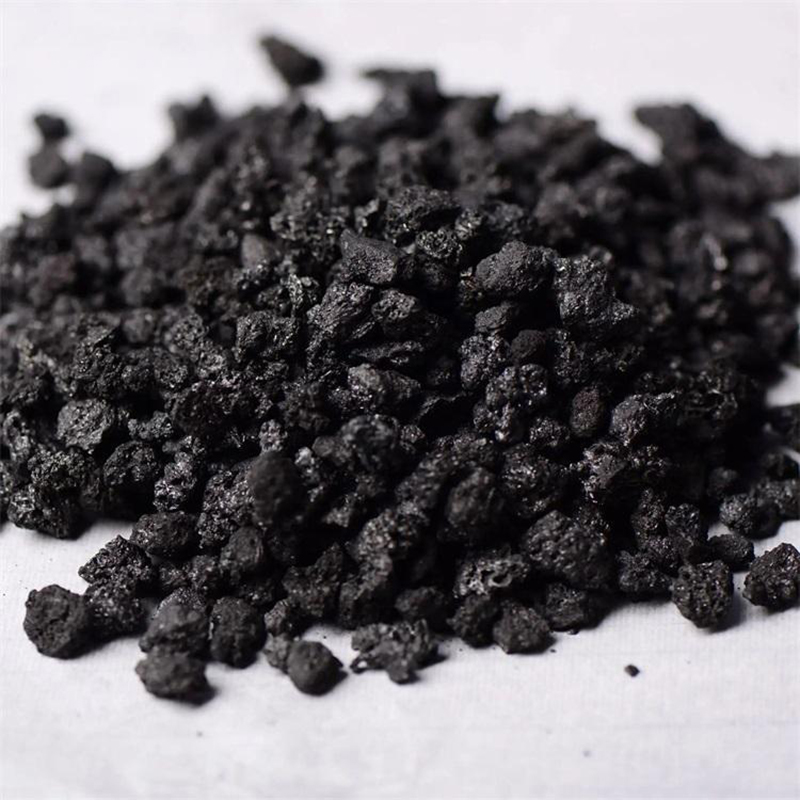
There’s also its role in the production of carbon electrodes. Taking a page from Hebei Yaofa Carbon Co., Ltd., accessible at their website, https://www.yaofatansu.com, they are a prime example of a company utilizing coal tar for carbon additives and graphite electrodes. Their experience in this niche — over 20 years, as they note — underscores its importance in producing quality materials for the steel industry.
But those aren’t the only uses. In practical applications, I’ve encountered coal tar in waterproofing and roofing — it provides excellent resistance to environmental wear and tear. When working on construction projects, opting for coal tar could mean fewer repairs down the line, a realization that genuinely showcases its utility outside heavy industry.
Defi nan aplikasyon an
Scaling up the use of coal tar in various sectors isn’t without its hurdles. Environmental concerns often top the list. When considering its applications, one must tread a fine line. Certain by-products of coal tar processing can pose environmental challenges if not handled properly. So, regulatory compliance becomes a layer of the puzzle, and I’ve seen projects that unfortunately went sideways due to oversight here.
It’s intriguing; in the field, balancing economic advantages with environmental responsibilities is a real task. Companies like Hebei Yaofa Carbon emphasize sustainable methods, tackling production challenges head-on, something that isn’t as simple as it seems on paper. It’s about constant negotiation, innovation, and adaptation.
Then there’s the matter of quality control. Obtaining a consistent product means attention to detail from the start to the end of production. I’ve come across varying practices in quality assurance, and those who succeed often emphasize complete oversight and rigorous testing protocols.
Generating Future Opportunities
Looking ahead, the role of coal tar in industries might expand further. We’re on the cusp of seeing its inclusion in more sustainable technologies. Think about its chemical properties — there’s potential for innovation in renewable energy sectors, perhaps even in battery technologies.
At Hebei Yaofa Carbon Co., Ltd., they’re exploring such avenues, staying open to leveraging traditional strengths into new markets. Whether it’s carbon materials or next-gen electrodes, the synergy with cutting-edge technology poses fascinating prospects.
All that said, the market is shifting. New challenges surface every day, and with them, opportunities to push the envelope with coal tar’s capabilities in ways we hadn’t previously imagined. For someone deeply vested in this field, that’s where the excitement lies.
Historical Context and Modern Relevance
Historically, coal tar was predominantly a residue in other processes, an almost waste material. Transformation from waste to a valuable commodity reflects shifts in modern industrial practices and re-evaluation of resources. Discovering this, many industries, including Hebei Yaofa Carbon, have turned it into a cornerstone for product development.
In many ways, its evolution mirrors the broader trajectory of industrial progress — finding value and utility in what was once overlooked. It’s a reminder that sometimes, the most robust materials have humble beginnings.
Such evolution doesn’t just happen overnight. It takes practical industry know-how, a keen sense of problem-solving, and the willingness to dive into the intricacies of materials science. It’s these qualities that enable businesses to harness coal tar fully.
A Practical Perspective
When you’re involved in projects as varied as construction to complex electrochemical setups, the choice of materials can set the tone for success. This understanding gives coal tar its current momentum. It’s not just chemistry but a strategic enabler for progress.
Considering all this, for any industry professional who understands the depth of coal tar’s applications, the journey from its raw state to a finished product is filled with learning curves and often, gratifying triumphs.
In closing, whether through deliberate innovation or necessity, coal tar’s industrial uses today underscore a broader narrative of resilience and evolving utility, something professionals in the field know all too well and continue to explore with each passing day.