- Chinese
- French
- German
- Portuguese
- Spanish
- Russian
- Japanese
- Korean
- Arabic
- Irish
- Greek
- Turkish
- Italian
- Danish
- Romanian
- Indonesian
- Czech
- Afrikaans
- Swedish
- Polish
- Basque
- Catalan
- Esperanto
- Hindi
- Lao
- Albanian
- Amharic
- Armenian
- Azerbaijani
- Belarusian
- Bengali
- Bosnian
- Bulgarian
- Cebuano
- Chichewa
- Corsican
- Croatian
- Dutch
- Estonian
- Filipino
- Finnish
- Frisian
- Galician
- Georgian
- Gujarati
- Haitian
- Hausa
- Hawaiian
- Hebrew
- Hmong
- Hungarian
- Icelandic
- Igbo
- Javanese
- Kannada
- Kazakh
- Khmer
- Kurdish
- Kyrgyz
- Latin
- Latvian
- Lithuanian
- Luxembou..
- Macedonian
- Malagasy
- Malay
- Malayalam
- Maltese
- Maori
- Marathi
- Mongolian
- Burmese
- Nepali
- Norwegian
- Pashto
- Persian
- Punjabi
- Serbian
- Sesotho
- Sinhala
- Slovak
- Slovenian
- Somali
- Samoan
- Scots Gaelic
- Shona
- Sindhi
- Sundanese
- Swahili
- Tajik
- Tamil
- Telugu
- Thai
- Ukrainian
- Urdu
- Uzbek
- Vietnamese
- Welsh
- Xhosa
- Yiddish
- Yoruba
- Zulu
- Kinyarwanda
- Tatar
- Oriya
- Turkmen
- Uyghur



What are tar coal tar’s sustainable uses?
2026-02-28
When you hear coal tar, most minds jump straight to its legacy in old-school pavements or as a problematic by-product. That’s the surface-level view. The real conversation, the one we have on plant floors and in R&D labs, is about squeezing every bit of value from this complex hydrocarbon mix in ways that align with modern material cycles. It’s not about reviving the past, but about redirecting its inherent properties—high carbon content, binding capability, thermal stability—into industrial pathways that make sense today. The sustainability angle isn’t a greenwash; it’s a pragmatic, often gritty, process of finding higher-value applications that displace virgin materials or enable critical performance. Let’s dig into where that’s actually happening, the hurdles, and the practical realities that don’t make it into glossy brochures.
Reframing the By-Product: From Waste to Feedstock
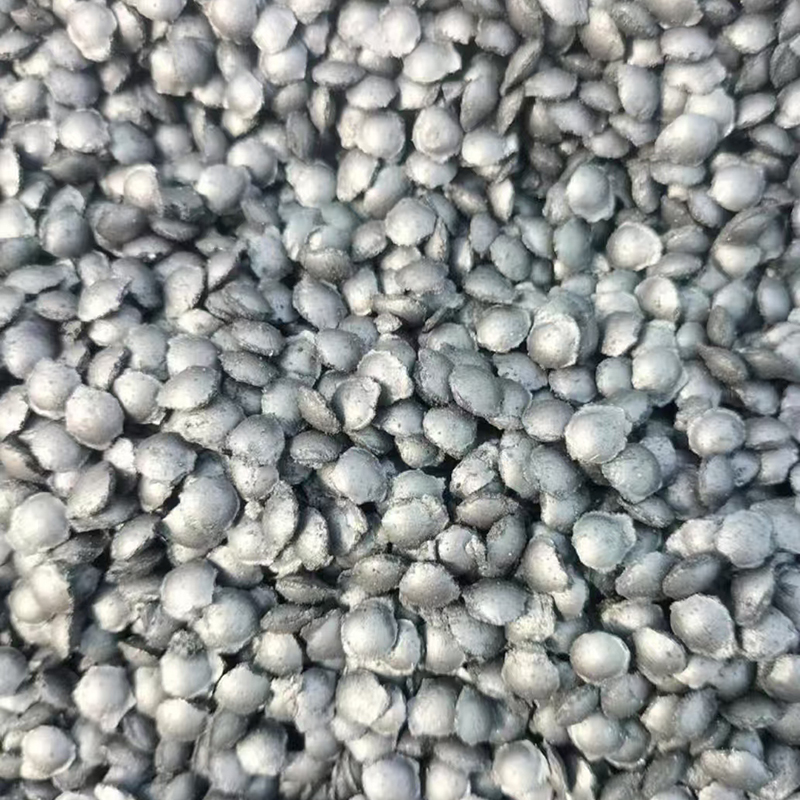
The first step is a mental shift. In integrated steel and coke plants, coal tar isn’t waste; it’s a primary feedstock for the carbon industry. The sustainability story starts right there—preventing its disposal or simple combustion and instead capturing its molecular complexity. I’ve seen operations where the focus was just on getting rid of the stuff, but that’s changed. Now, the drive is to treat it as the starting point for a cascade of materials. The carbon yield from coal tar pitch, a primary derivative, is exceptionally high. This means for every ton of pitch used as a binder or impregnation agent, you’re effectively sequestering carbon into durable industrial products that last for years, even decades. It’s a form of carbon capture and utilization, albeit an industrial one.
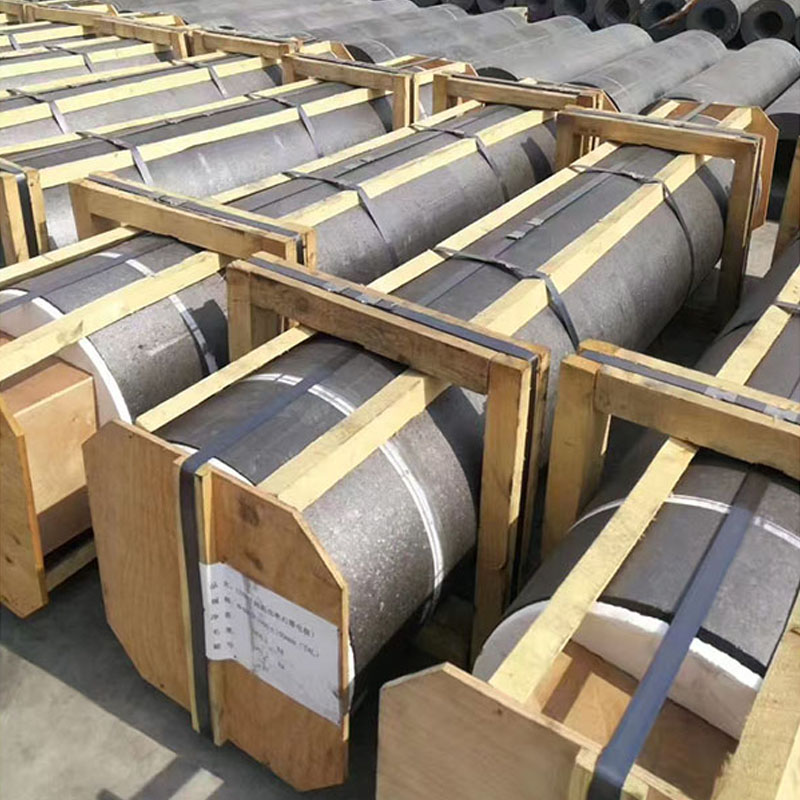
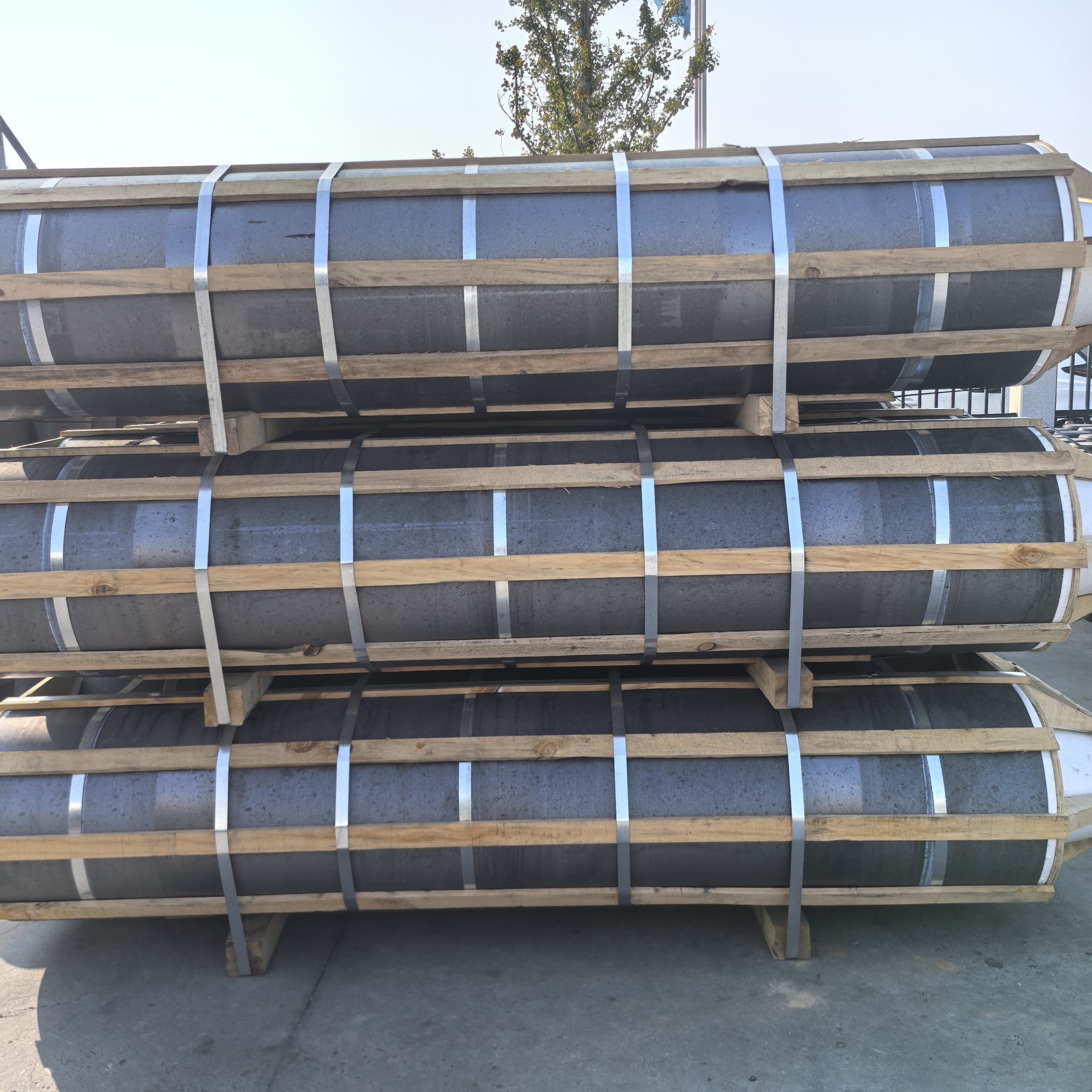
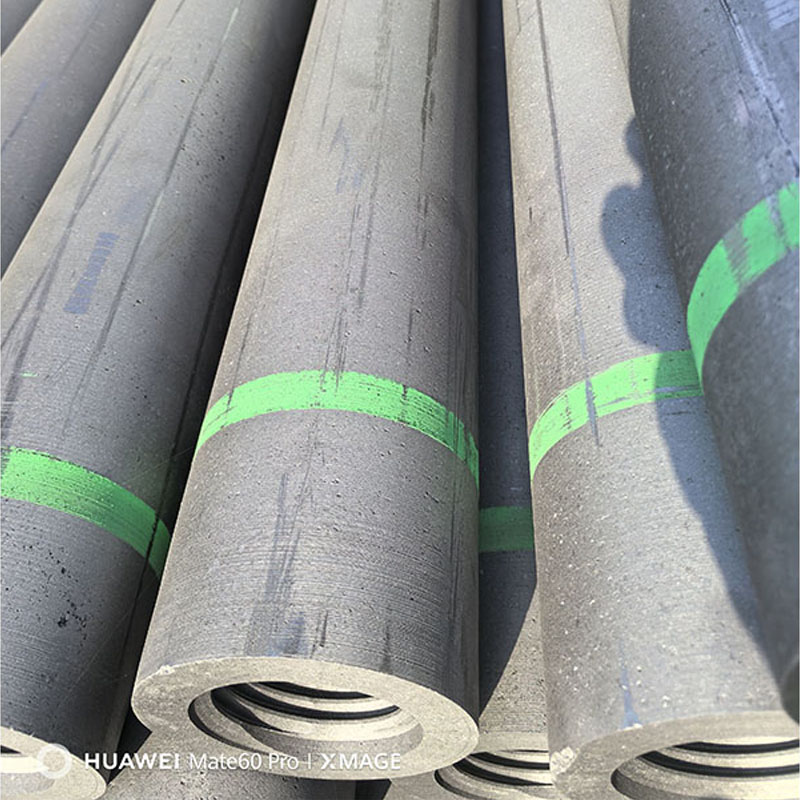
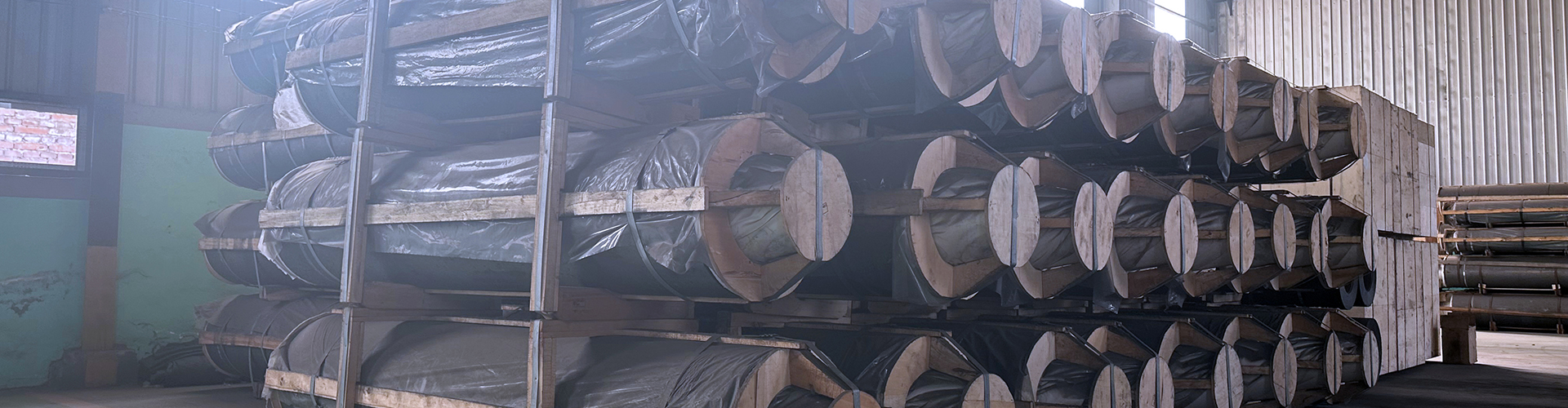
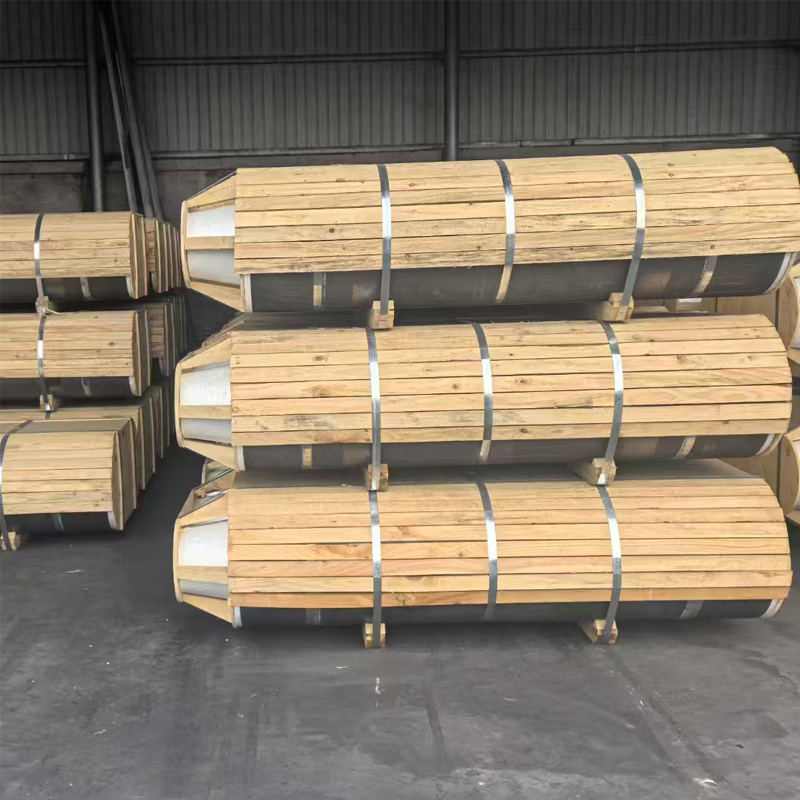
This isn’t theoretical. Companies that have vertically integrated, like Hebei Yaofa Carbon Co., Ltd., operate on this principle. With over 20 years on the ground, they see the flow from raw coal tar to finished carbon products not as separate processes but as a connected chain. On their platform at yaofatansu.com, you can trace this logic: they list coal tar pitch as a core carbon additive. Its use in producing graphite electrodes for electric arc furnace (EAF) steelmaking is a prime example. The pitch binds the petroleum coke particles, and through baking and graphitization, becomes an integral, high-performance part of the electrode. That electrode then enables recycled steel production—a major circular economy process. So, the coal tar derivative is fundamentally enabling the sustainability of another industry.
Of course, the devil’s in the details. Not all tar is equal. The composition varies wildly based on the source coal and coking temperature. A sustainable use has to account for this inconsistency. We spend a lot of time on quality control and blending to hit precise specifications for viscosity, softening point, and quinoline-insoluble content. A failed batch here doesn’t just mean a subpar product; it can mean the difference between an electrode that performs efficiently and one that cracks prematurely, wasting all the embedded energy. So, the sustainable use is contingent on sophisticated, reliable processing first.
The Workhorse: Coal Tar Pitch in Carbon Manufacturing
Diving into the most significant application: as a binder and impregnant. If you’ve ever toured a carbon plant, the smell is unforgettable—that pungent, phenolic aroma of hot pitch. It’s the glue of the industry. In manufacturing graphite electrodes (those UHP/HP/RP grades Yaofa produces), calcined petroleum coke is mixed with molten coal tar pitch. This green mixture is molded and baked at around 800°C. During baking, the pitch undergoes pyrolysis, converting into a carbonaceous coke that creates a solid, coherent structure. This binder coke is what gives the electrode its mechanical strength before graphitization.
The sustainable aspect is multi-layered. First, it utilizes a by-product. Second, it creates a product critical for EAF steelmaking, which uses nearly 100% scrap steel, reducing reliance on blast furnaces. Third, modern electrode designs aim for longer lifespans and higher power efficiency, which directly reduces consumption per ton of steel. We’re constantly tweaking pitch formulations and impregnation processes to improve density and reduce porosity, which in turn boosts the electrode’s oxidation resistance. A 1% increase in electrode life translates to massive tonnage savings of raw materials and energy downstream. That’s the kind of granular, unsexy sustainability metric we track.
There’s also its role in producing carbon additives like Calcined Petroleum Coke (CPC) and Graphitized Petroleum Coke (GPC). Pitch is sometimes used as a coating or binder in these processes to enhance certain properties. For aluminum smelting, these carbon anodes (which also use pitch as a binder) are another huge market. The push here is reducing the carbon consumption rate—how many kg of anode are consumed per ton of aluminum produced. Better pitch quality and anode technology, driven by suppliers with deep experience, directly lower that rate and associated emissions.
Beyond Electrodes: Niche but Critical Applications
While electrodes are the volume leader, some of the most interesting sustainable uses are in specialty areas. Refined coal tar derivatives, like naphthalene, anthracene, and various pitch grades, go into advanced materials. One area I’ve been involved with is carbon fibers. Specific, highly refined coal tar pitches are premium precursors for producing isotropic or mesophase pitch-based carbon fibers. These fibers are used in high-end thermal management, aerospace, and increasingly in lightweight composites for automotive (to improve fuel efficiency) and wind turbine blades. The carbon footprint of producing fiber from a by-product pitch can be favorable compared to the mainstream polyacrylonitrile (PAN) route, depending on system boundaries. It’s a high-value, performance-driven outlet that leverages tar’s natural aromatic structure.
Another is in refractory materials. Pitch-bonded magnesia-carbon refractories line steelmaking ladles and converters. They provide excellent thermal shock resistance and slag corrosion resistance. The sustainability link? Longer lining life means less frequent relining, which saves raw materials, energy for installation, and downtime. The pitch here acts as a carbon donor, creating a protective layer against oxidation. We’ve run trials with different pitch grades to optimize this in-situ carbon formation, and the results directly impact the resource efficiency of a steel plant.
Then there’s the less glamorous but vital use in protective coatings. Coal tar epoxy, despite environmental scrutiny on PAHs, remains unmatched for certain extreme corrosion protection applications, like submarine pipelines or wastewater immersion. The sustainability argument here is lifecycle extension. Protecting a steel asset for 50 years instead of 20 without repair avoids the repeated material and energy cost of replacement. The industry is, of course, working on alternatives, but for some specs, the performance of modified coal tar coatings is still the benchmark. It’s a case where sustainable use involves rigorous containment and application control to mitigate environmental risks while achieving a net benefit in infrastructure durability.
The Challenges and Real-World Constraints
No discussion is honest without the hurdles. The primary constraint is environmental regulation, specifically around Polycyclic Aromatic Hydrocarbons (PAHs). Some PAHs are carcinogenic. This shadows every conversation about coal tar’s uses. Sustainable use, therefore, is inextricably linked to closed-loop systems, advanced capture technology, and worker safety. In a modern pitch distillation plant, you won’t see the visible emissions of decades past. The volatiles are captured, and often used as fuel within the process, closing the energy loop. The heavy pitch residue becomes the product. It’s a controlled, contained industrial process.
Another challenge is economic viability. The infrastructure to collect, transport, and refine coal tar is capital-intensive. If the end markets (like steel) downturn, the whole system is pressured. I’ve seen projects to use pitch in carbon black substitutes or as a reductant in other metallurgical processes stall because the business case evaporated when oil prices dropped. True sustainability has to be economically resilient, not just technically feasible.
There’s also a technical limit: we can’t infinitely refine or purify it. The quest for higher-value uses often bumps into the inherent complexity and variability of the material. For every success story in carbon fiber, there are a dozen failed experiments trying to make a consistent precursor pitch from a variable feedstock. This is where experience matters. A manufacturer like Yaofa, with its long history, has likely built up a deep empirical knowledge of how their specific feedstock behaves, allowing them to stabilize their product quality—a non-negotiable prerequisite for any sustainable industrial use.
Looking Ahead: Integration and Innovation
The future of coal tar’s sustainable use lies in deeper integration and smarter chemistry. One trend is the tighter coupling of coke ovens, tar distilleries, and carbon plants—even geographically. Minimizing transportation reduces the overall footprint. Another is the development of modified pitches. By blending or lightly treating coal tar pitch with bio-based or synthetic resins, we can tailor properties for specific applications while potentially reducing the overall PAH profile. These designer binders could open doors in new composite materials.
I’m also watching the space around using pitch-derived carbons in energy storage. Activated carbons from pitch for supercapacitors or as anode materials in batteries are active R&D areas. The high carbon purity and tunable porosity are attractive. This would be the ultimate redirect: a by-product from heavy industry becoming a component for clean energy tech. It’s a long road from lab to gigafactory, but the principle is solid.
Ultimately, the sustainable uses of coal tar are not about finding one magic new application. They’re about steadily optimizing its established roles in the carbon and refractory industries, making those processes more efficient and longer-lasting, and rigorously managing the environmental aspects. It’s a material that demands respect and expertise. Its value is proven in the durability of the products it helps create—the electrode that melts scrap steel for a new skyscraper, the refractory that contains molten metal, the coating that protects a pipeline. In that context, its continued, responsible use is a pragmatic form of industrial symbiosis, turning a legacy by-product into a critical enabler for modern manufacturing cycles.