- Chinese
- French
- German
- Portuguese
- Spanish
- Russian
- Japanese
- Korean
- Arabic
- Irish
- Greek
- Turkish
- Italian
- Danish
- Romanian
- Indonesian
- Czech
- Afrikaans
- Swedish
- Polish
- Basque
- Catalan
- Esperanto
- Hindi
- Lao
- Albanian
- Amharic
- Armenian
- Azerbaijani
- Belarusian
- Bengali
- Bosnian
- Bulgarian
- Cebuano
- Chichewa
- Corsican
- Croatian
- Dutch
- Estonian
- Filipino
- Finnish
- Frisian
- Galician
- Georgian
- Gujarati
- Haitian
- Hausa
- Hawaiian
- Hebrew
- Hmong
- Hungarian
- Icelandic
- Igbo
- Javanese
- Kannada
- Kazakh
- Khmer
- Kurdish
- Kyrgyz
- Latin
- Latvian
- Lithuanian
- Luxembou..
- Macedonian
- Malagasy
- Malay
- Malayalam
- Maltese
- Maori
- Marathi
- Mongolian
- Burmese
- Nepali
- Norwegian
- Pashto
- Persian
- Punjabi
- Serbian
- Sesotho
- Sinhala
- Slovak
- Slovenian
- Somali
- Samoan
- Scots Gaelic
- Shona
- Sindhi
- Sundanese
- Swahili
- Tajik
- Tamil
- Telugu
- Thai
- Ukrainian
- Urdu
- Uzbek
- Vietnamese
- Welsh
- Xhosa
- Yiddish
- Yoruba
- Zulu
- Kinyarwanda
- Tatar
- Oriya
- Turkmen
- Uyghur



What are the coal tar benefits in industrial tech?
2025-12-06
When we talk about industrial technology, there’s a common tendency to overlook coal tar and its applications. Yet, in sectors where efficiency and durability are critical, this versatile material plays an indispensable role. It’s not just about paving roads or producing dyes; the benefits extend into numerous advanced industrial applications. My years in the manufacturing industry have offered insights into how coal tar subtly underpins much of what we do.
Understanding the Basics
I remember during my early days at Hebei Yaofa Carbon Co., Ltd., the surprise I felt discovering how integral coal tar was to our production processes. It’s a byproduct of coal processing, and while it might seem like an afterthought, it is anything but. Our facility, renowned for producing carbon materials, heavily relies on coal tar-derived products for multiple innovations.
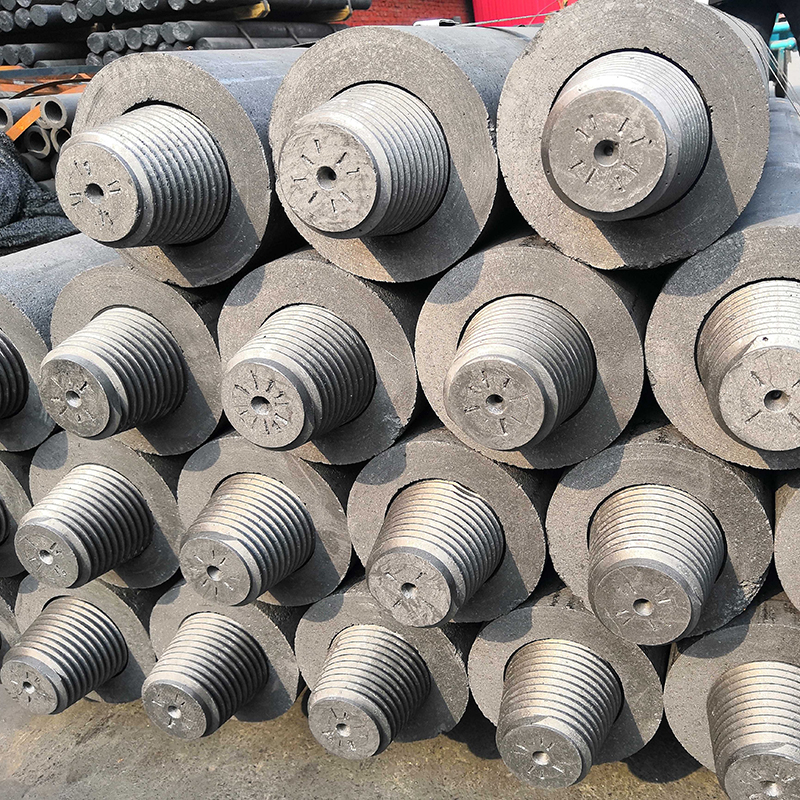
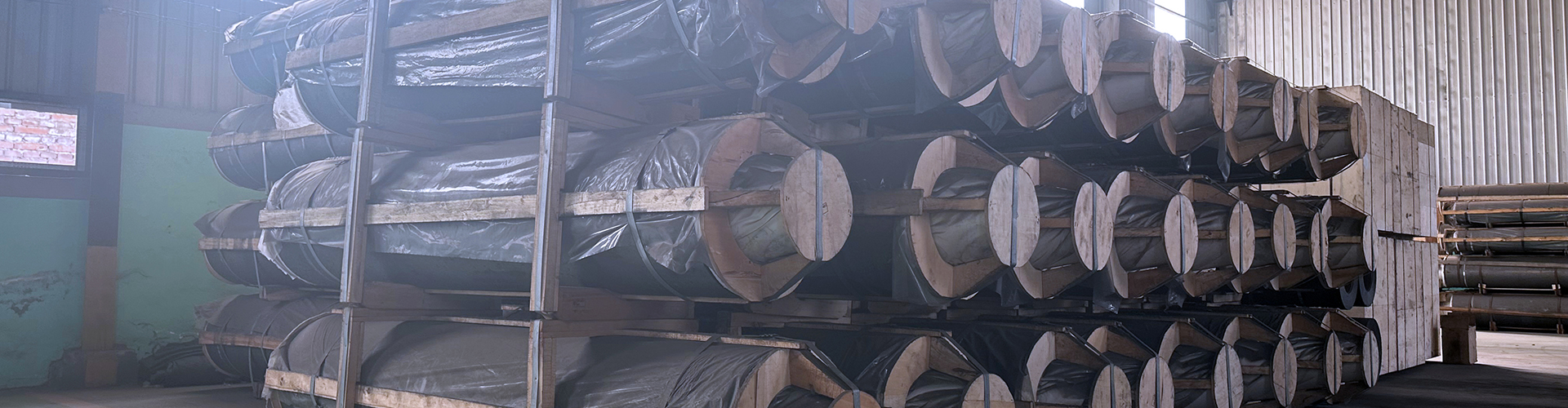
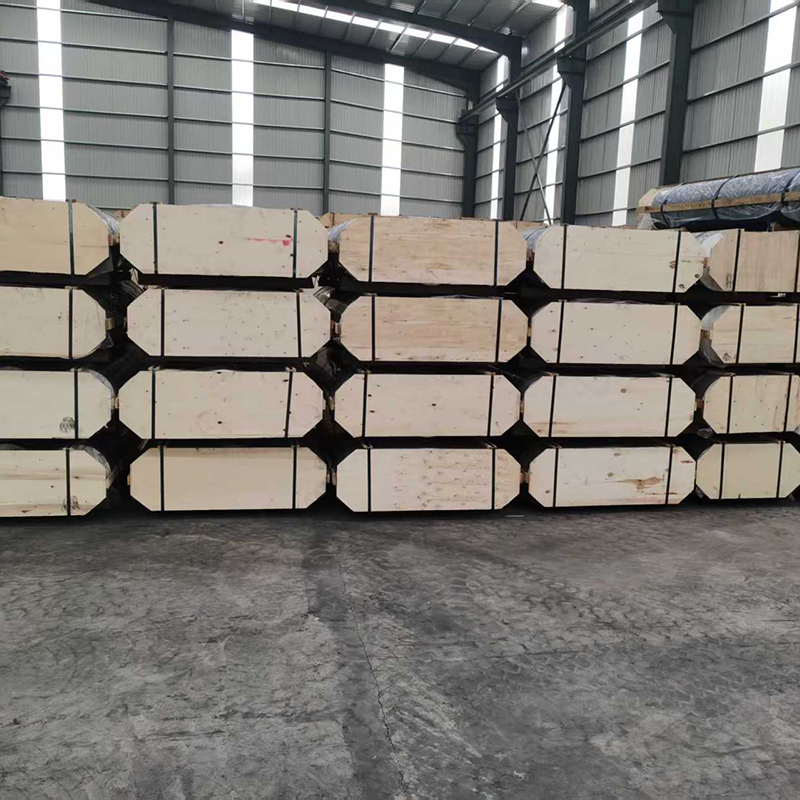
One of the primary applications is as a binder in the production of carbon electrodes. These electrodes are fundamental in electric arc steelmaking. The properties of coal tar pitch—its adhesiveness and its ability to create a robust matrix—make it ideal for manufacturing both UHP and HP grade graphite electrodes.
Industries value coal tar’s contributions for its simplicity and the economic benefits. The costs are relatively low, especially when compared to synthetic substitutes, yet the performance is commendably consistent. It’s fascinating how such an unassuming element affects larger industrial dynamics.
Beyond Basics: In-Depth Applications
While coal tar’s role in electrode production is somewhat well-known, delving deeper reveals some surprising uses. For example, it’s used for corrosion protection in industrial equipment. This is critical in sectors that deal with harsh chemicals or high temperatures. Coal tar’s properties provide resistance that synthetic coatings often can’t replicate without significantly higher costs.
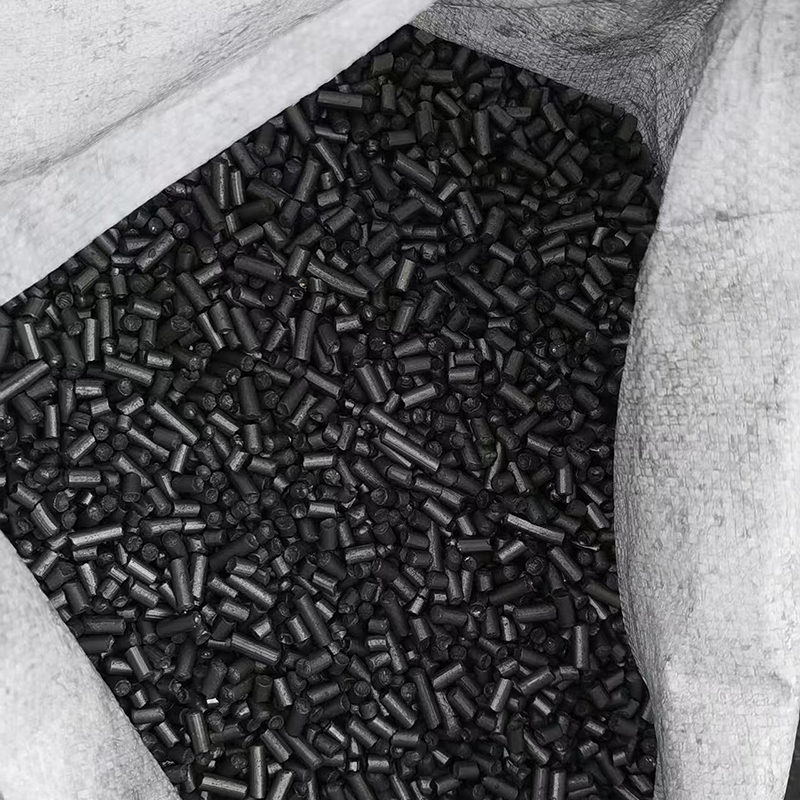
Hebei Yaofa Carbon Co., Ltd., with its rich experience, explored these applications in the field of carbon additives like CPC and GPC. Our dedicated teams tested various compositions, discovering that certain blends improved overall equipment longevity. Such findings weren’t just theoretical; they made real economic impacts by reducing repair and replacement expenses.
Of course, while there are myriad benefits, challenges exist too. Handling coal tar requires attention to environmental standards and health guidelines—a hurdle that demands ongoing updating of operational practices.
Practical Challenges and Solutions
In any real-world application, practical challenges emerge. One consistently faced issue is the environmental impact associated with coal tar use. Historically, this has been a point of concern due to the presence of PAHs (Polycyclic Aromatic Hydrocarbons). Solutions have involved rigorous refining processes and enhanced safety protocols. At Hebei Yaofa Carbon Co., Ltd., our focus continues to be on balancing effectiveness with environmental responsibility.
Moreover, optimizing the quality of coal tar derivatives—ensuring consistency without major cost increments—requires continuous research and development. Engaging with our R&D teams has been an eye-opener, highlighting the complex interplay of chemistry and operational know-how in crafting the best product.
Often, practical solutions emerge from fieldwork rather than the lab. Feedback loops from clients using our graphite electrodes inform constant tweaks and refinements, steering improvements in production techniques and material quality.
Innovative Use Cases in Construction
Construction is another field where coal tar’s benefits manifest significantly. Its application in road surfacing and roofing is well documented, but recently, more specialized applications have emerged. Modifying coal tar with specific additives can enhance its binding properties, which is valuable in constructing multifunctional coatings that offer insulation and waterproofing.
Our collaborations with civil engineering firms have led to introducing improved blends that save costs in the long term by reducing maintenance frequency. These innovations underscore the need for continual adaptation and testing in practical environments.
These experiences taught me that in an industry driven by practicality and results, coal tar quietly but effectively supports the very infrastructure that keeps technologies progressing.
Conclusion: The Quiet Backbone
Coal tar may not be the face of industrial technology, but its presence is undeniable. Through companies like Hebei Yaofa Carbon Co., Ltd., with over two decades of expertise, the potential of coal tar in paving the path for efficient, durable industrial tech becomes even clearer. As we continue exploring and adapting, coal tar remains a cornerstone—supporting, binding, and protecting in ways that may not always be apparent but are irrevocably impactful.
This understanding, born from real-world engagement and practical exploration, is a testament to coal tar’s enduring relevance in industrial technology, proving that sometimes, the most unassuming components are the most indispensable.