
- Chinese
- French
- German
- Portuguese
- Spanish
- Russian
- Japanese
- Korean
- Arabic
- Irish
- Greek
- Turkish
- Italian
- Danish
- Romanian
- Indonesian
- Czech
- Afrikaans
- Swedish
- Polish
- Basque
- Catalan
- Esperanto
- Hindi
- Lao
- Albanian
- Amharic
- Armenian
- Azerbaijani
- Belarusian
- Bengali
- Bosnian
- Bulgarian
- Cebuano
- Chichewa
- Corsican
- Croatian
- Dutch
- Estonian
- Filipino
- Finnish
- Frisian
- Galician
- Georgian
- Gujarati
- Haitian
- Hausa
- Hawaiian
- Hebrew
- Hmong
- Hungarian
- Icelandic
- Igbo
- Javanese
- Kannada
- Kazakh
- Khmer
- Kurdish
- Kyrgyz
- Latin
- Latvian
- Lithuanian
- Luxembou..
- Macedonian
- Malagasy
- Malay
- Malayalam
- Maltese
- Maori
- Marathi
- Mongolian
- Burmese
- Nepali
- Norwegian
- Pashto
- Persian
- Punjabi
- Serbian
- Sesotho
- Sinhala
- Slovak
- Slovenian
- Somali
- Samoan
- Scots Gaelic
- Shona
- Sindhi
- Sundanese
- Swahili
- Tajik
- Tamil
- Telugu
- Thai
- Ukrainian
- Urdu
- Uzbek
- Vietnamese
- Welsh
- Xhosa
- Yiddish
- Yoruba
- Zulu
- Kinyarwanda
- Tatar
- Oriya
- Turkmen
- Uyghur



Outdoor Digital Signage
The Art and Impact of Outdoor Digital Signage
It's fascinating how Outdoor Digital Signage is reshaping urban landscapes, yet many misunderstand what it takes to implement it effectively. Let's unravel the practical side and real-world challenges from someone who's seen both the dazzling successes and the unexpected setbacks.
Understanding the Basics
From my experience, diving into Outdoor Digital Signage starts with understanding the environment. Weather conditions, particularly extreme temperatures and humidity, can wreak havoc on unprotected displays. I've seen screens fail because initial installations didn’t take environmental factors into account. Consider investing in specialized enclosures and climate control technologies to extend the lifespan of your signage.
Another aspect that often gets overlooked is the power supply. An installation I observed in a bustling city center suffered outages due to unstable electricity, which impacted not just the display but the entire business operation. Always ensure there's a reliable power source, possibly supplemented with backup options.
The choice of location, often oversimplified, deserves careful deliberation. Placement affects everything—visibility, engagement, and ultimately ROI. A colleague once shared a story about a mall where signage was strategically placed at decision points, significantly boosting foot traffic to certain stores.
Content is King But Context is Queen
While crafting engaging content is crucial, aligning it with the audience's context enhances its impact. I've experimented with dynamic content, adapting displays according to time of day, weather, and events, which immensely improved audience interaction.
Hebei Yaofa Carbon Co., Ltd. comes to mind as an impressive example of using digital platforms effectively. Although primarily in the carbon manufacturing sector, they demonstrate the principles of contextual content through their adaptable business strategies, as seen on their website, yaofatansu.com.
However, companies need to avoid overloading screens with content. A project I observed in a busy transportation hub became overwhelming due to competing animations and messages, diluting the core communication. Keep it simple, clear, and focused.
Technology Choices
The availability of technology can be a labyrinth. It’s not just about picking the latest and greatest; it's about what's suitable. I recall a financial firm investing in ultra-high-definition displays that didn't fare well under direct sunlight. It's crucial to strike a balance between display quality and practicality.
Interactive options, like touchscreens, seem attractive but require maintenance. I once encountered a retail space where touchscreens malfunctioned frequently due to wear and tear. Predictive maintenance technologies can help here, allowing you to preempt issues before they disrupt operations.
Moreover, consider integration capabilities. Seamless syncing with existing systems can offer more dynamic content opportunities and better data-driven insights, optimizing marketing efforts.
Legal and Regulatory Considerations
Neglecting local regulations can lead to costly setbacks. I worked with a team implementing signage near a historical site, only to find out mid-installation that permissions hadn’t covered all contingencies. Ensure thorough regulatory research and consultation with experts in this domain.
Additionally, data privacy laws are becoming more stringent. Interactive signage that collects data must adhere to privacy legislation, like GDPR, which poses both opportunities and challenges. Educate your team on these regulations to prevent legal complications.
I’ve also witnessed how compliance with health and safety standards, such as ensuring displays do not obstruct pathways or cause distractions that might lead to accidents, is critical in public spaces.
Evaluating Success and Areas for Improvement
Finally, measuring success goes beyond basic metrics like view counts. Capture data on engagement, dwell time, and conversion rates to truly discern the impact of your Outdoor Digital Signage. I advise leveraging advanced analytics tools to translate this data into actionable insights.
I once collaborated with a startup that used augmented reality analytics to evaluate how users interacted with their signage. This novel approach offered deeper insights into consumer behaviors and preferences.
Never shy away from iterating based on feedback and performance metrics. The evolving landscape means there's always room for improvement. Integrate feedback loops with regular assessments to ensure your strategy remains relevant and effective.
Related products
Related products
Best selling products
Best selling products-
 Graphite plate
 -
 Granular carburizer
 -
 Columnar carburizer
 -
 Spherical carburizer
 -
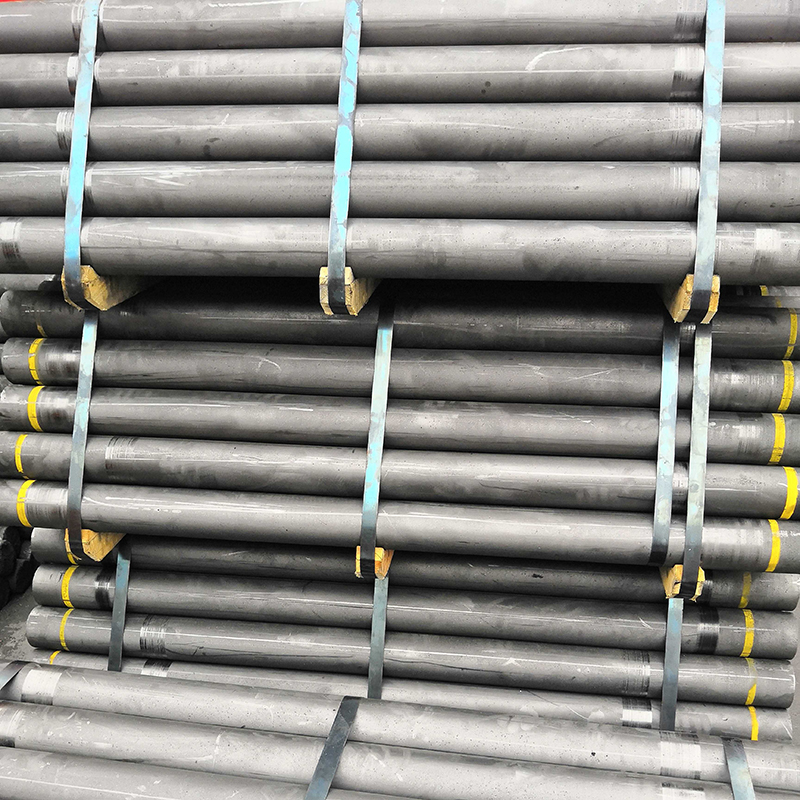 RP normal power graphite electrode
 -
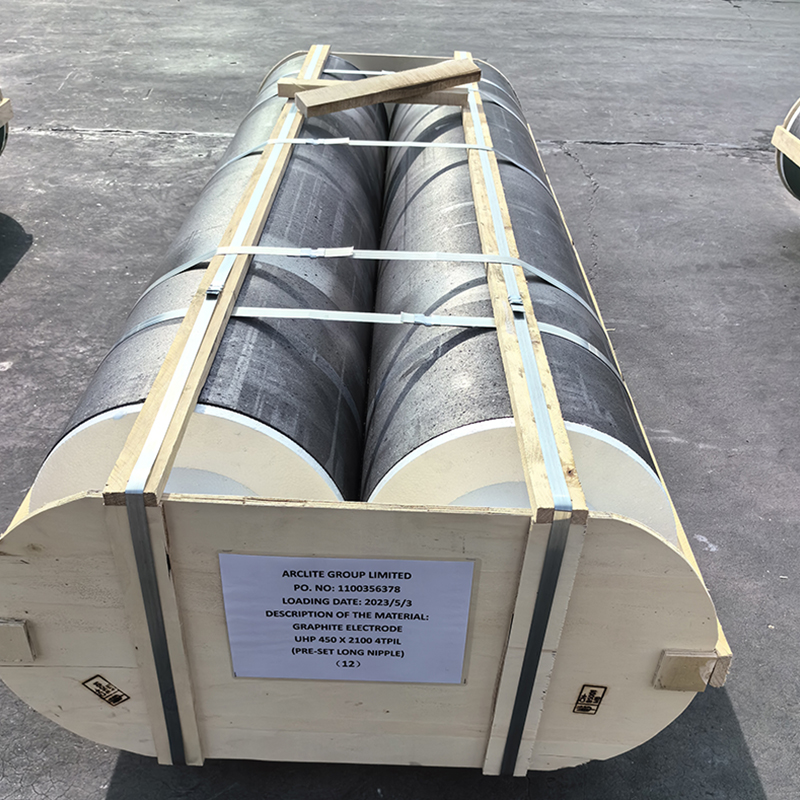 HP high power graphite electrode
 -
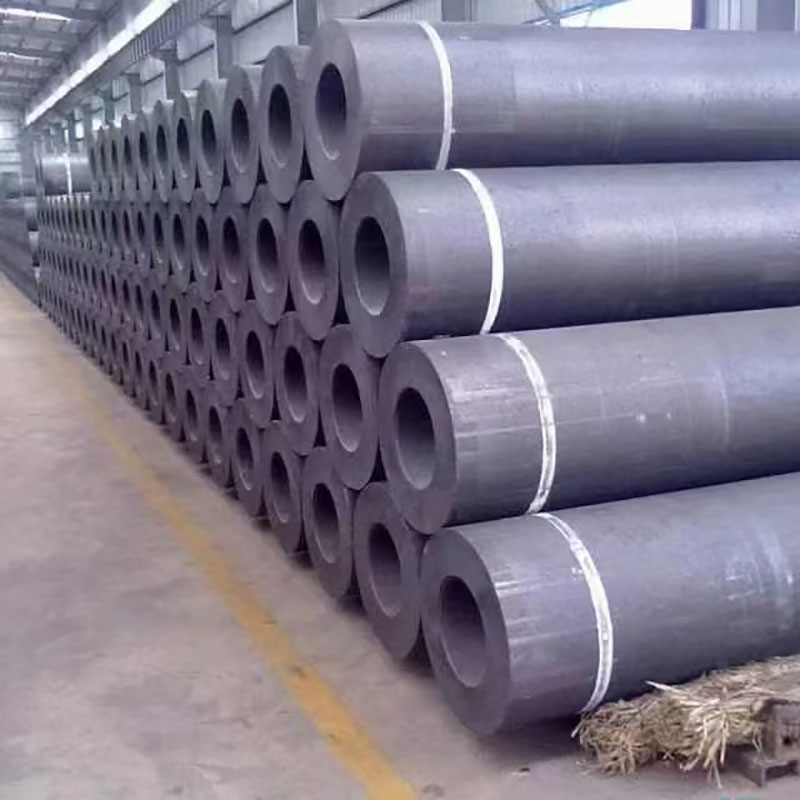 A supplier of graphite electrodes with a global distribution network.
 -
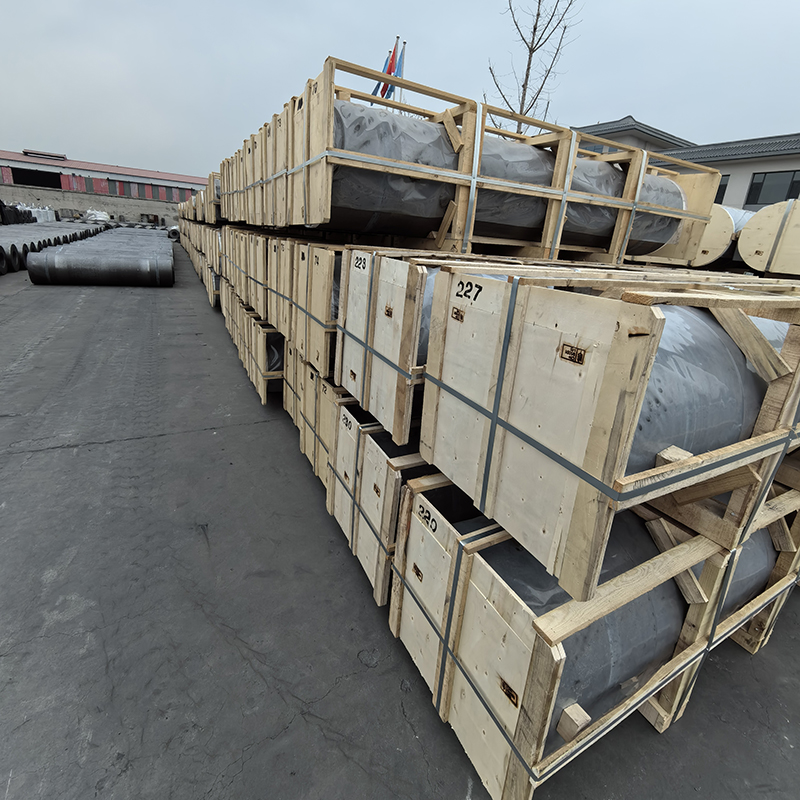 UHP ultra high power graphite electrode
 -
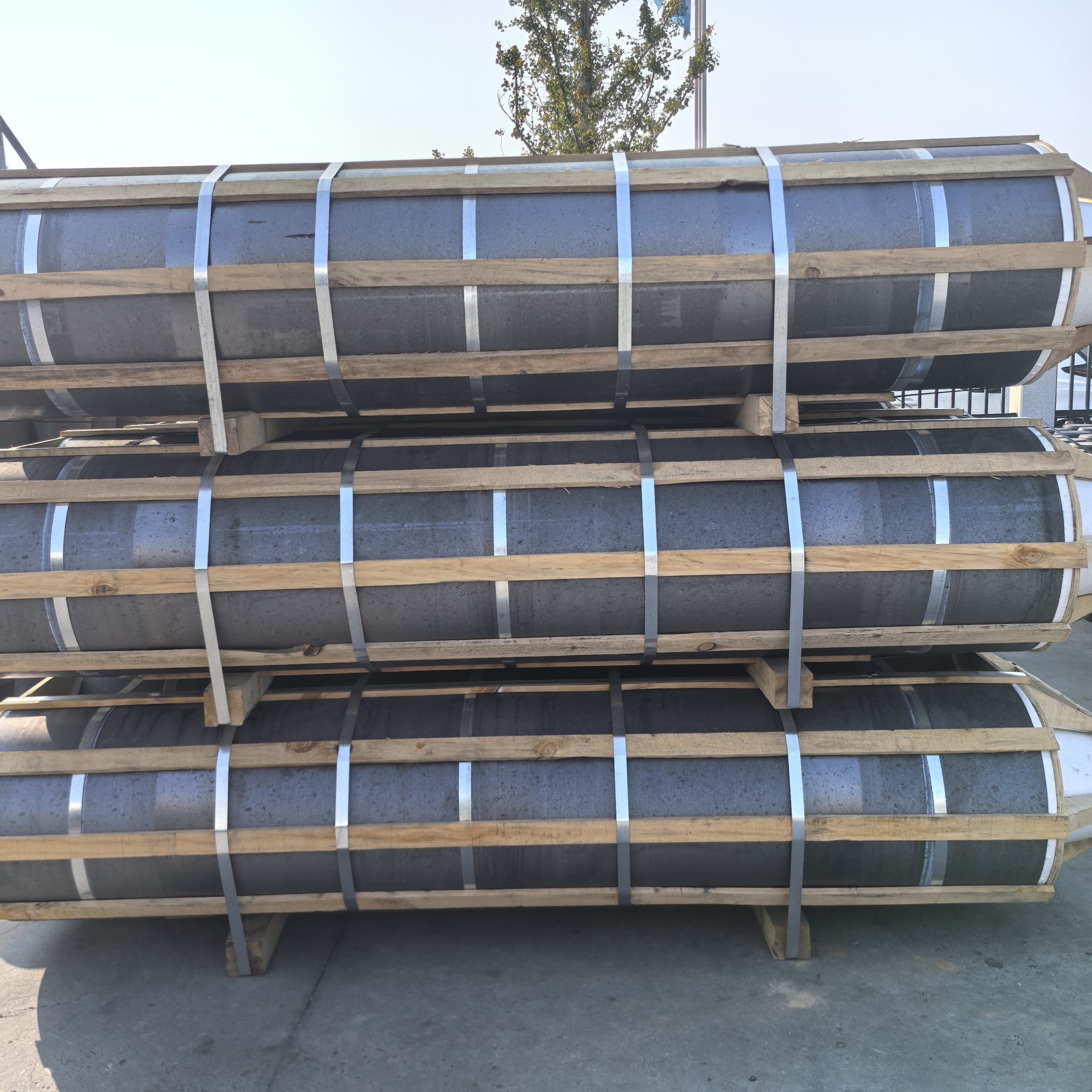 Ultra-High Power Graphite Electrode
 -
 High-power graphite electrodes, 600 mm diameter, for export.
 -
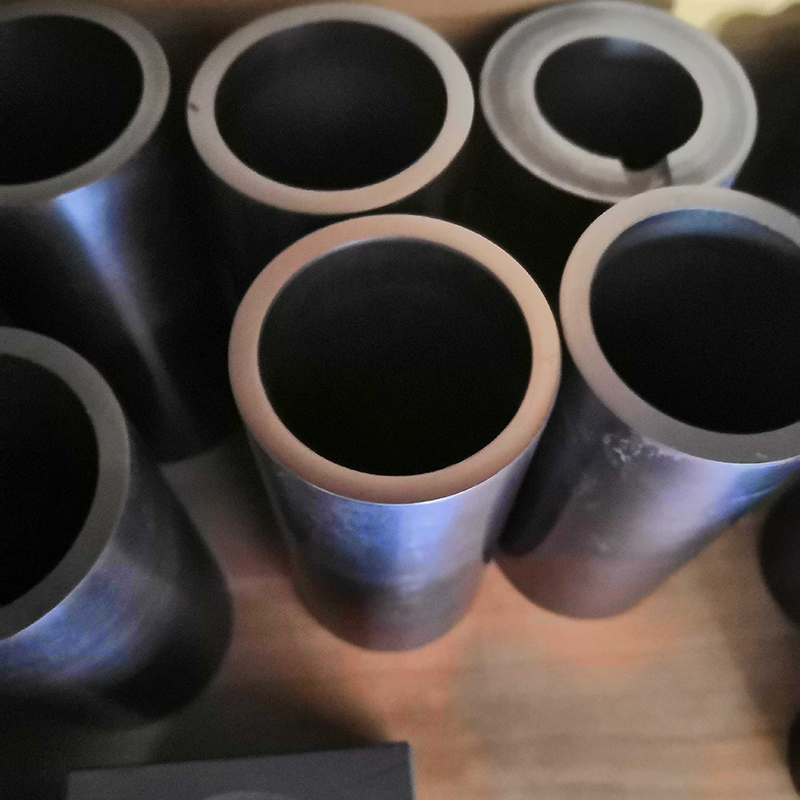 Graphite Crucible
 -
 Factory direct sale! UHP ultra-high power electrodes, specifically designed for electric arc furnaces and refining furnaces.