
- Chinese
- French
- German
- Portuguese
- Spanish
- Russian
- Japanese
- Korean
- Arabic
- Irish
- Greek
- Turkish
- Italian
- Danish
- Romanian
- Indonesian
- Czech
- Afrikaans
- Swedish
- Polish
- Basque
- Catalan
- Esperanto
- Hindi
- Lao
- Albanian
- Amharic
- Armenian
- Azerbaijani
- Belarusian
- Bengali
- Bosnian
- Bulgarian
- Cebuano
- Chichewa
- Corsican
- Croatian
- Dutch
- Estonian
- Filipino
- Finnish
- Frisian
- Galician
- Georgian
- Gujarati
- Haitian
- Hausa
- Hawaiian
- Hebrew
- Hmong
- Hungarian
- Icelandic
- Igbo
- Javanese
- Kannada
- Kazakh
- Khmer
- Kurdish
- Kyrgyz
- Latin
- Latvian
- Lithuanian
- Luxembou..
- Macedonian
- Malagasy
- Malay
- Malayalam
- Maltese
- Maori
- Marathi
- Mongolian
- Burmese
- Nepali
- Norwegian
- Pashto
- Persian
- Punjabi
- Serbian
- Sesotho
- Sinhala
- Slovak
- Slovenian
- Somali
- Samoan
- Scots Gaelic
- Shona
- Sindhi
- Sundanese
- Swahili
- Tajik
- Tamil
- Telugu
- Thai
- Ukrainian
- Urdu
- Uzbek
- Vietnamese
- Welsh
- Xhosa
- Yiddish
- Yoruba
- Zulu
- Kinyarwanda
- Tatar
- Oriya
- Turkmen
- Uyghur



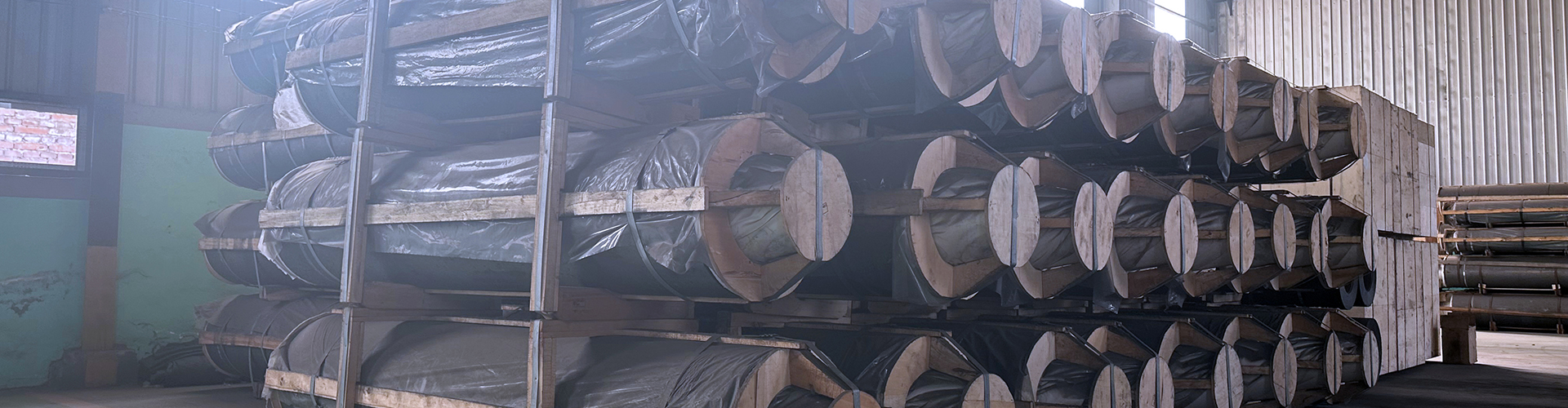
recarburizer meaning
Understanding Recarburizers: What They Mean for Industry
The term recarburizer might not be the first thing you think of when discussing manufacturing processes, but its role is pivotal. In essence, recarburizers are materials used to add carbon to molten metal. Now, this may sound straightforward, but there are nuances and challenges that come into play, especially in industries like steel manufacturing. Let's dive into why recarburizers are crucial and how they fit into the broader picture.
What Exactly Is a Recarburizer?
Recarburizers, also known as carbon additives, are materials employed to adjust the carbon content in steel or iron production. Given the different types of metal, the precise carbon ratio is crucial for achieving the desired properties. High-quality materials can make a significant difference, which makes selecting the right recarburizer a task that can't be taken lightly.
Working with a company like Hebei Yaofa Carbon Co., Ltd., which has over 20 years of experience in producing carbon materials, can provide a valuable advantage. Their wide offerings, including CPC and GPC, show the variety of options available. But as with anything, not all recarburizers are created equal.
The choice of recarburizer often depends on the specific requirements of the process. Whether you're looking at graphite petroleum coke, calcined petroleum coke, or another variant, each brings its own set of properties and benefits. This understanding comes from trial, error, and keeping up with industry trends.
Nuances in Recarburizer Selection
Let’s talk about the specifics. Given my experience, I often liken recarburizer selection to cooking; you must understand your ingredients well. In some steelmaking cases, I have witnessed the wrong choice lead to poor tensile strength or undesirable hardness. It's a complex dance of chemistry and physics.
Take for instance an anecdote from my earlier career days, where a shift in supplier led to unexpected impurities in the product. The carbon content was correct on paper, but the impact on quality was unmistakable. That's where knowledge of reputable suppliers like Hebei Yaofa Carbon Co., Ltd. truly becomes invaluable.
Then, there’s also the matter of cost. Economic situations fluctuate, and so do material prices. Therefore, strategic purchasing becomes a part of the decision-making process. Balancing cost and quality is an art that takes experience to master.
Challenges in Practical Application
In the steel industry, ensuring the carbon level is spot on is not just about reaching targets; it's tied to safety and function. I've often seen less experienced operators overlook this, assuming any recarburizer would suffice. But the consequences could be costly.
For example, I recall a time when a slight miscalculation in recarburizer addition led to a batch that had to be entirely scrapped. The financial and time loss was staggering, highlighting the importance of getting it right the first time.
Moreover, in industries where stringent environmental regulations come into play, choosing the right recarburizer can also impact emission levels. High sulfur content in certain materials can lead to increased pollution, something companies like Hebei Yaofa Carbon Co., Ltd. are quite mindful of, offering options that align with eco-friendly standards.
Emerging Trends and Innovations
As technology advances, so does the development of more efficient and effective recarburizers. These innovations often focus on increasing carbon content specificity and reducing impurities. Staying informed about these trends is critical.
Many companies are now exploring synthetic graphite as a high-efficiency option. It’s fascinating to witness how newer materials can replace or supplement traditional choices. The key is understanding which innovations are viable and which are more theoretical at this stage.
Strategic partnerships, like the ones offered by experienced companies with a wide range of products such as Hebei Yaofa Carbon Co., Ltd., are vital. They help in leveraging these innovations for practical, real-world applications, providing a competitive edge.
The Future of Recarburizers in Industry
The landscape is ever-evolving. With sustainability becoming a more significant focus, the future will likely see a shift towards more environmentally friendly recarburizers. This means materials with not just the right chemical properties but also a reduced environmental footprint.
It's an exciting time, as we’re on the cusp of significant changes. Companies like those we've been discussing are likely to lead the way in this transition. They’re in a strong position to adapt and provide the industry with solutions that aren’t just effective but also responsible.
In conclusion, understanding and utilizing the right recarburizer is a blend of art and science, heavily reliant on experience, market knowledge, and reliable suppliers. The journey might be complex, but for anyone in the industry, it's an indispensable part of the process.
Related products
Related products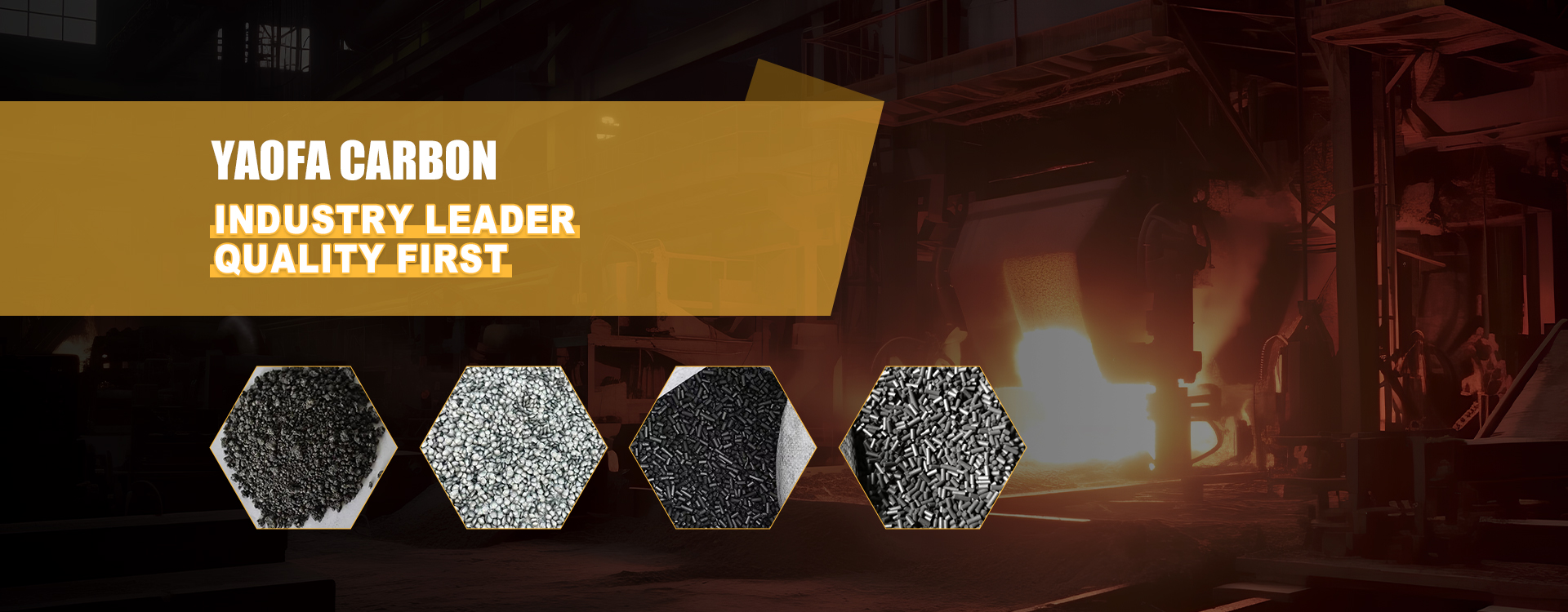
Best selling products
Best selling products-
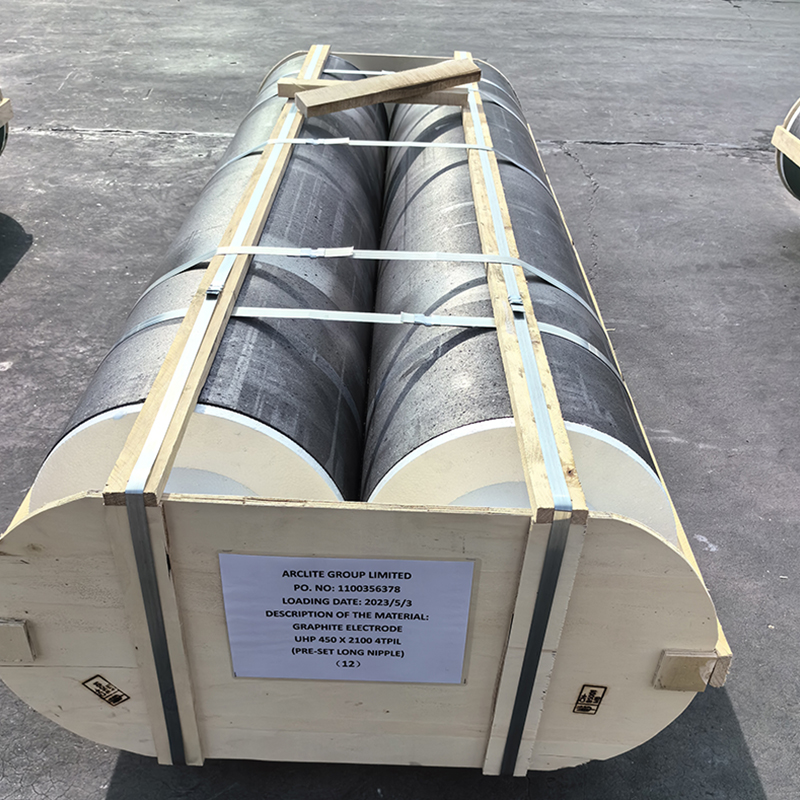 HP high power graphite electrode
 -
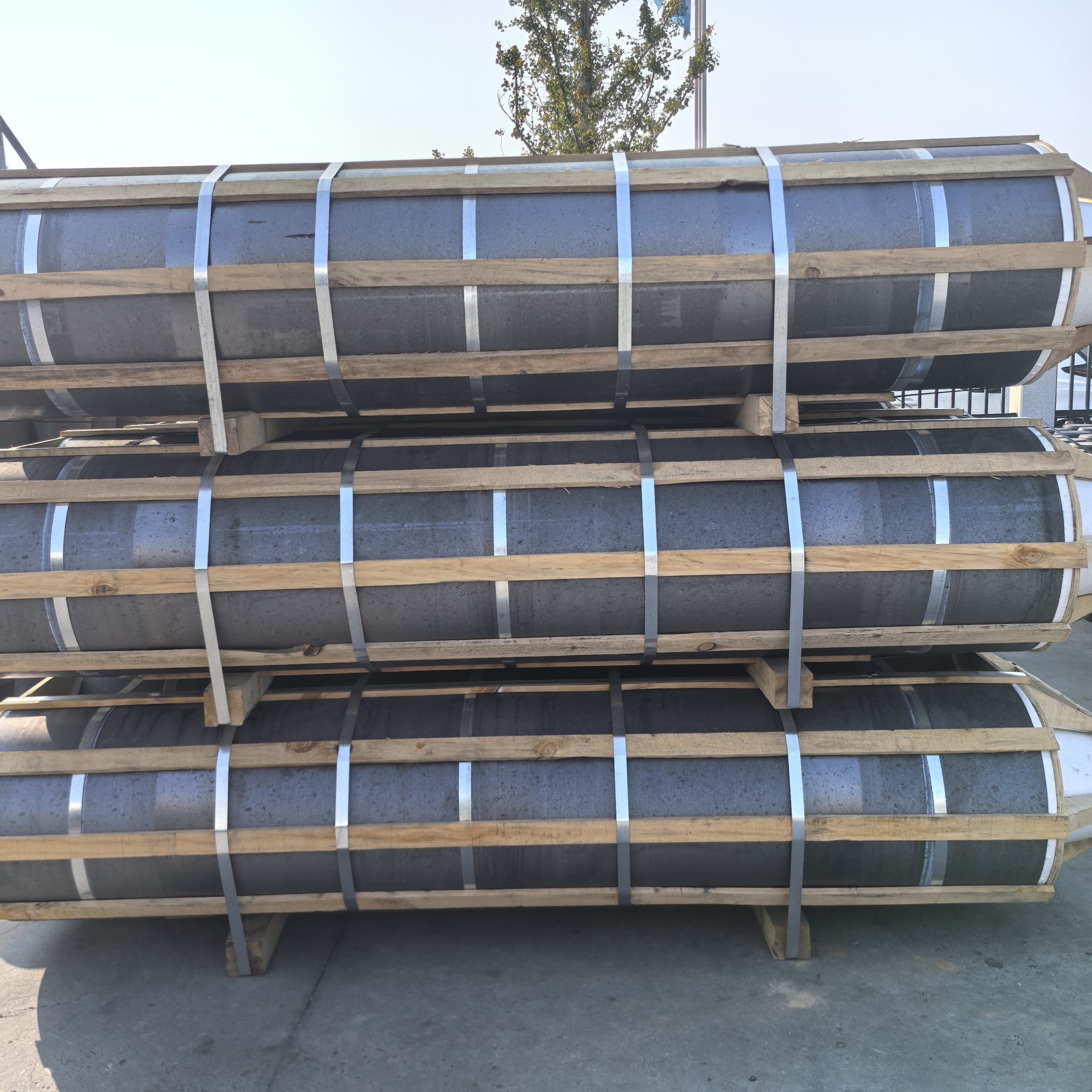 Ultra-High Power Graphite Electrode
 -
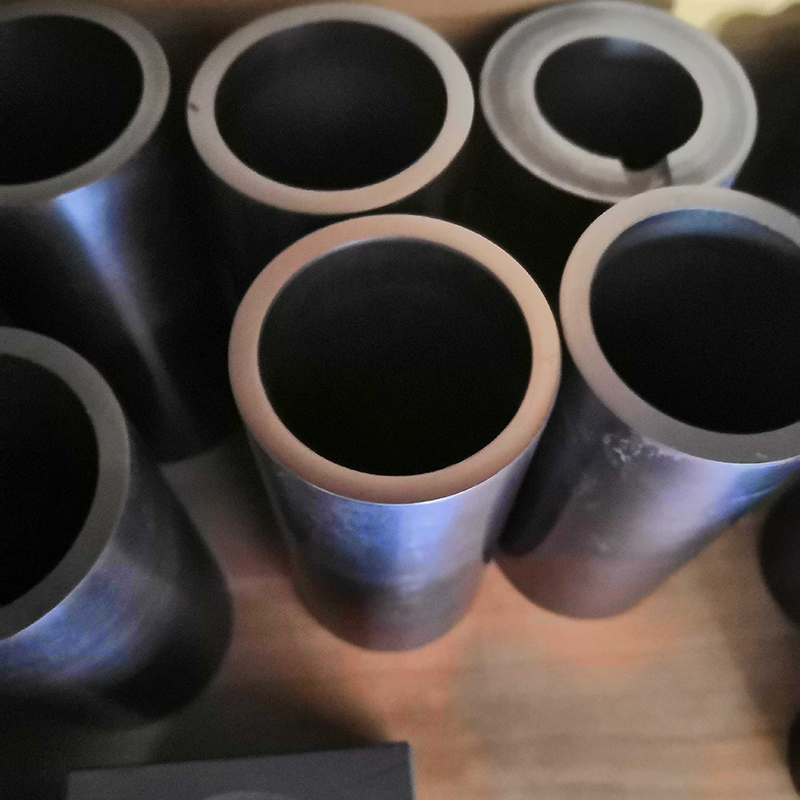 Graphite Crucible
 -
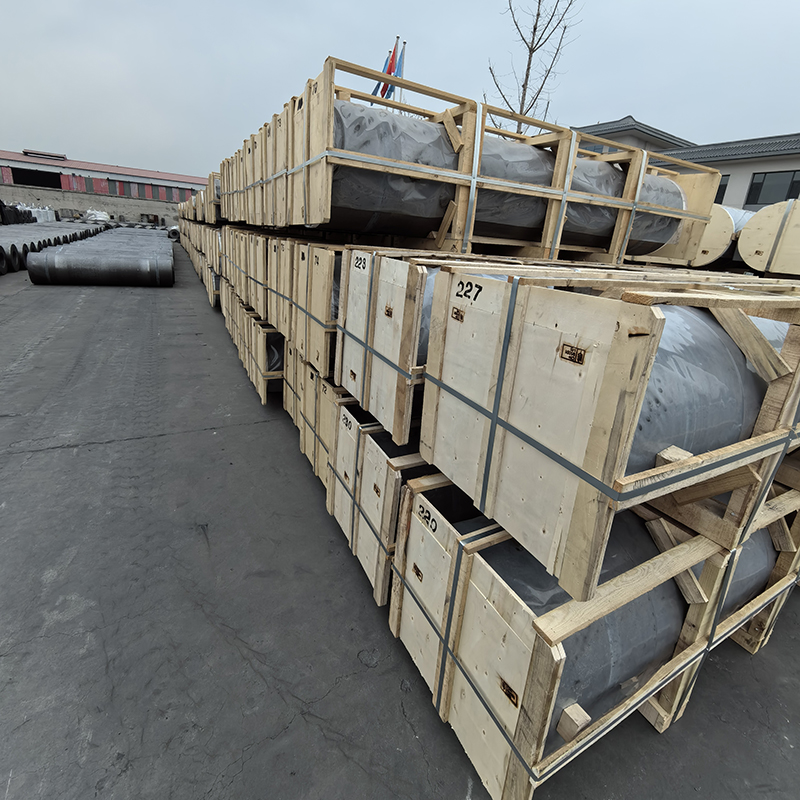 UHP ultra high power graphite electrode
 -
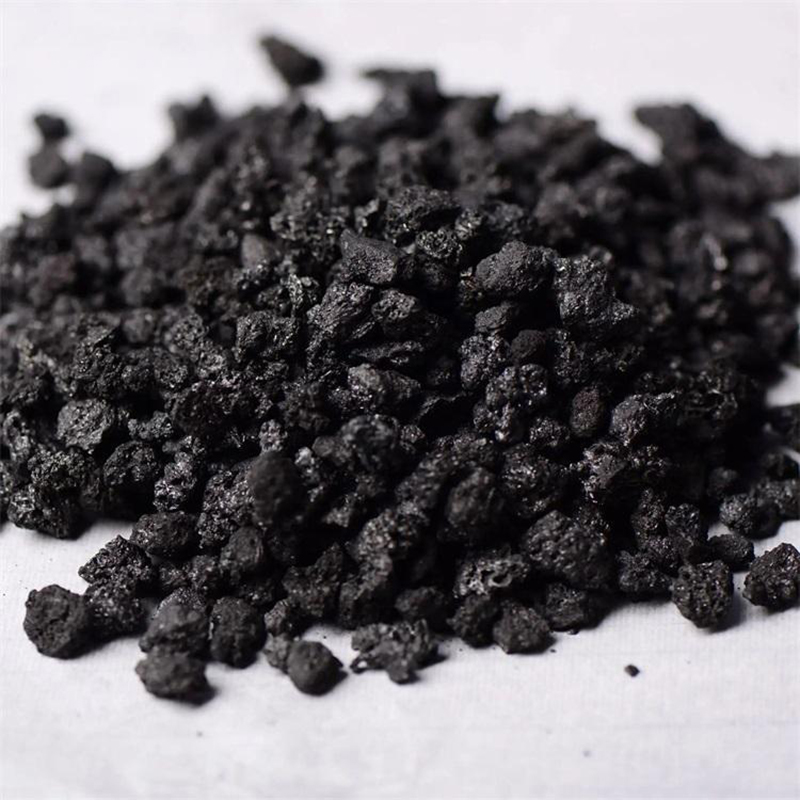 Granular carburizer
 -
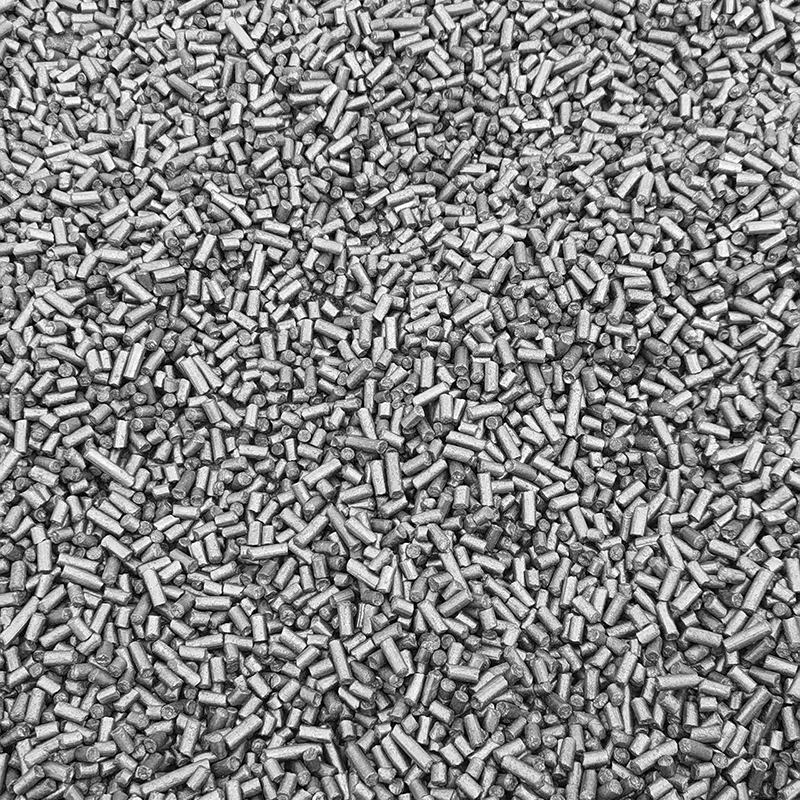 Columnar carburizer
 -
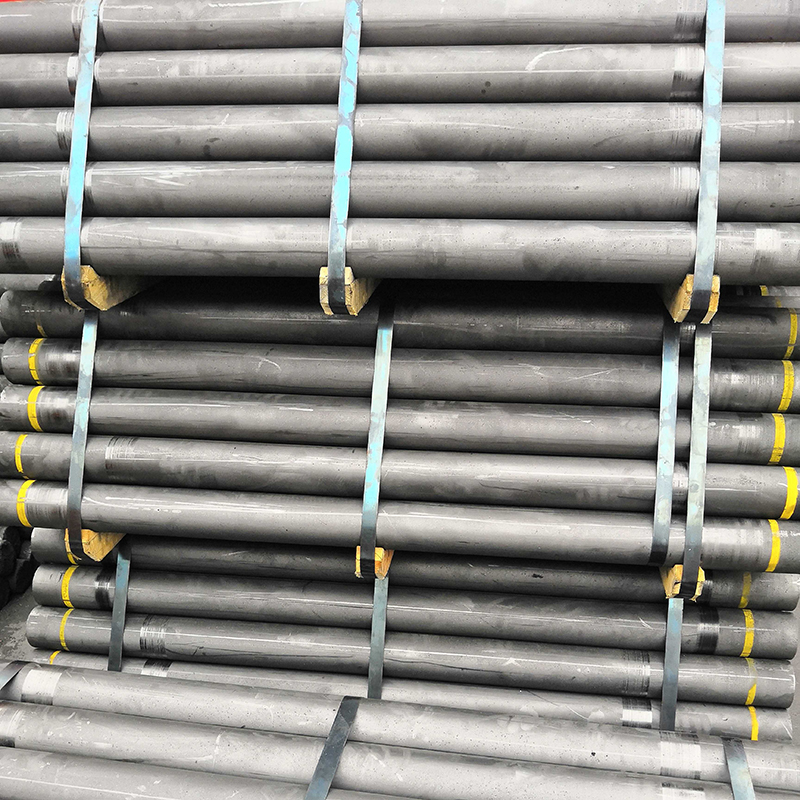 RP normal power graphite electrode
 -
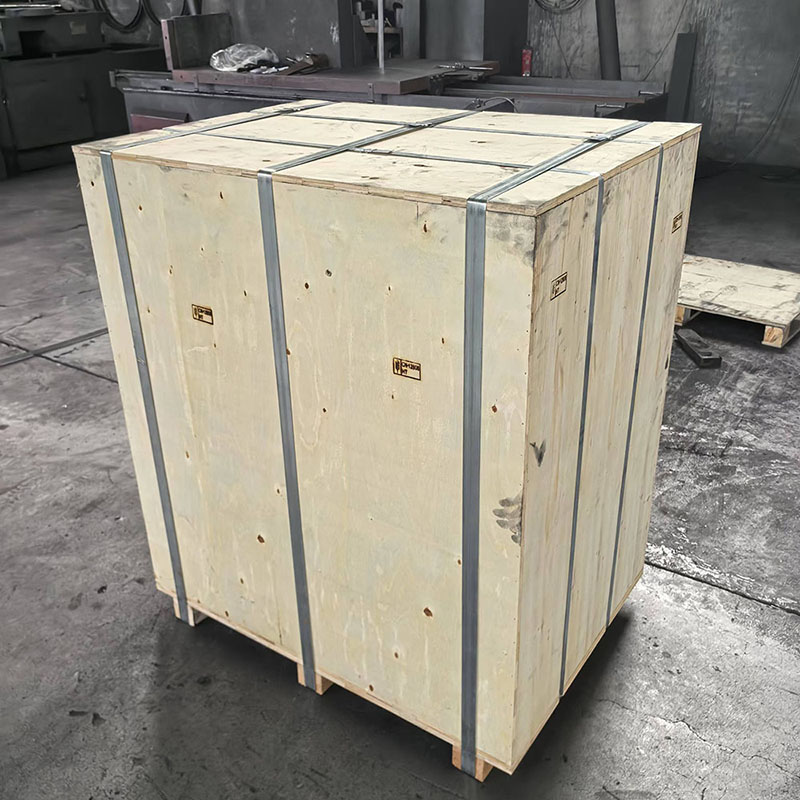 Graphite plate
 -
 High-power graphite electrodes, 600 mm diameter, for export.
 -
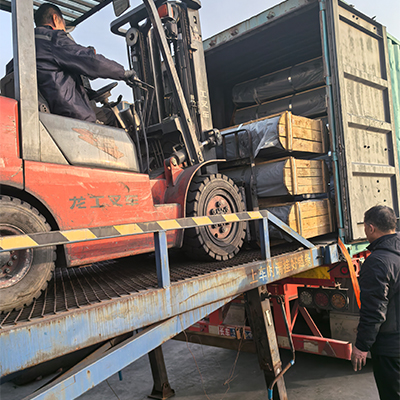 Factory direct sale! UHP ultra-high power electrodes, specifically designed for electric arc furnaces and refining furnaces.
 -
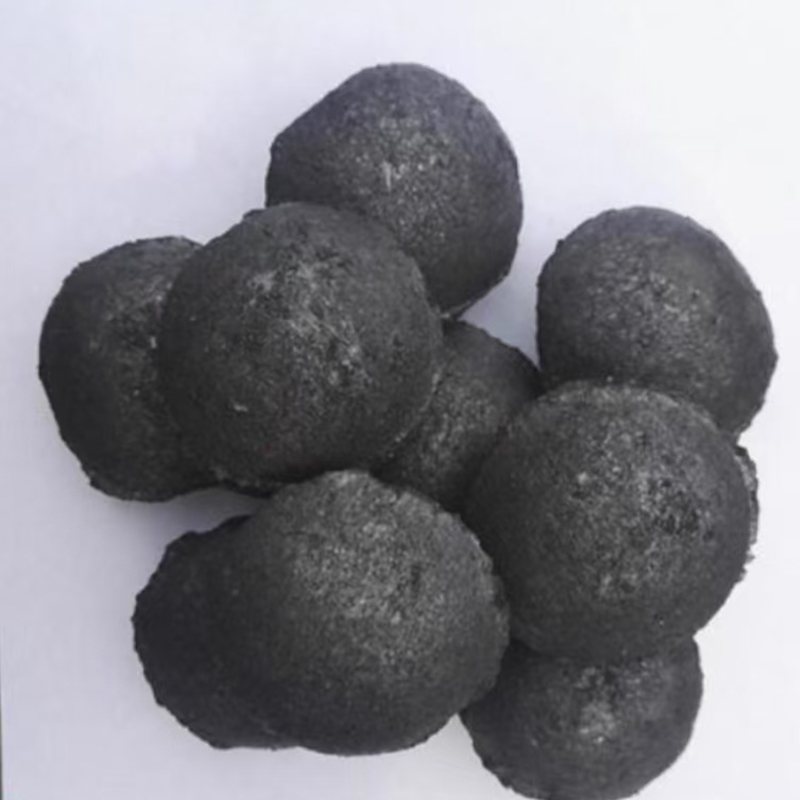 Spherical carburizer
 -
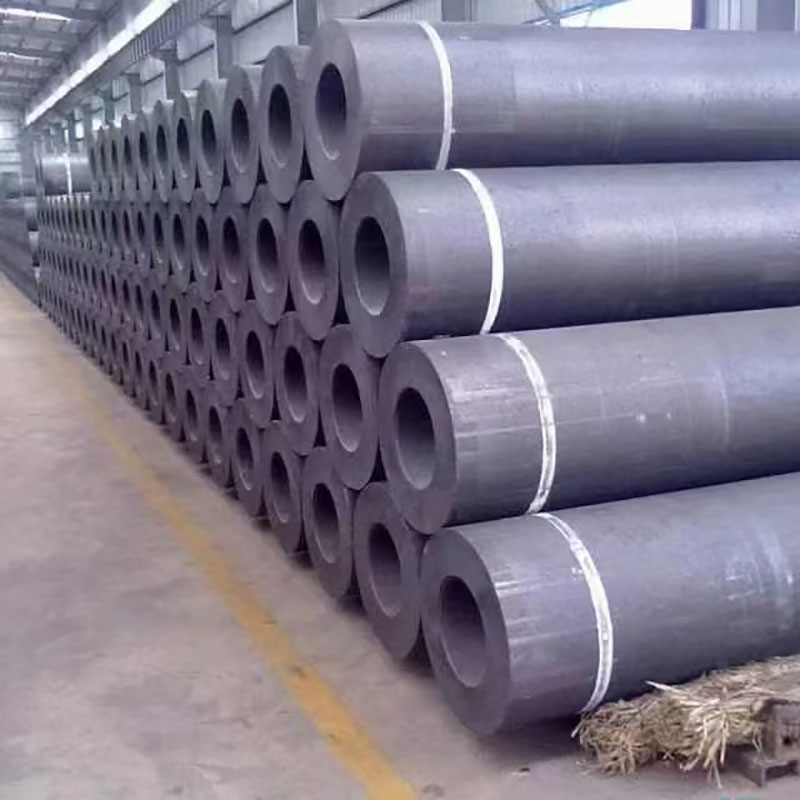 A supplier of graphite electrodes with a global distribution network.