- English
- Chinese
- French
- German
- Portuguese
- Spanish
- Russian
- Japanese
- Korean
- Arabic
- Irish
- Greek
- Turkish
- Italian
- Danish
- Romanian
- Indonesian
- Czech
- Afrikaans
- Swedish
- Polish
- Basque
- Catalan
- Esperanto
- Hindi
- Lao
- Albanian
- Amharic
- Armenian
- Azerbaijani
- Belarusian
- Bengali
- Bosnian
- Bulgarian
- Cebuano
- Chichewa
- Corsican
- Croatian
- Dutch
- Estonian
- Filipino
- Finnish
- Frisian
- Galician
- Georgian
- Gujarati
- Haitian
- Hausa
- Hawaiian
- Hebrew
- Hmong
- Hungarian
- Icelandic
- Igbo
- Javanese
- Kannada
- Kazakh
- Khmer
- Kurdish
- Kyrgyz
- Latin
- Latvian
- Lithuanian
- Luxembou..
- Macedonian
- Malagasy
- Malay
- Malayalam
- Maltese
- Maori
- Marathi
- Mongolian
- Burmese
- Nepali
- Norwegian
- Pashto
- Persian
- Punjabi
- Serbian
- Sesotho
- Sinhala
- Slovak
- Slovenian
- Somali
- Scots Gaelic
- Shona
- Sindhi
- Sundanese
- Swahili
- Tajik
- Tamil
- Telugu
- Thai
- Ukrainian
- Urdu
- Uzbek
- Vietnamese
- Welsh
- Xhosa
- Yiddish
- Yoruba
- Zulu
- Kinyarwanda
- Tatar
- Oriya
- Turkmen
- Uyghur



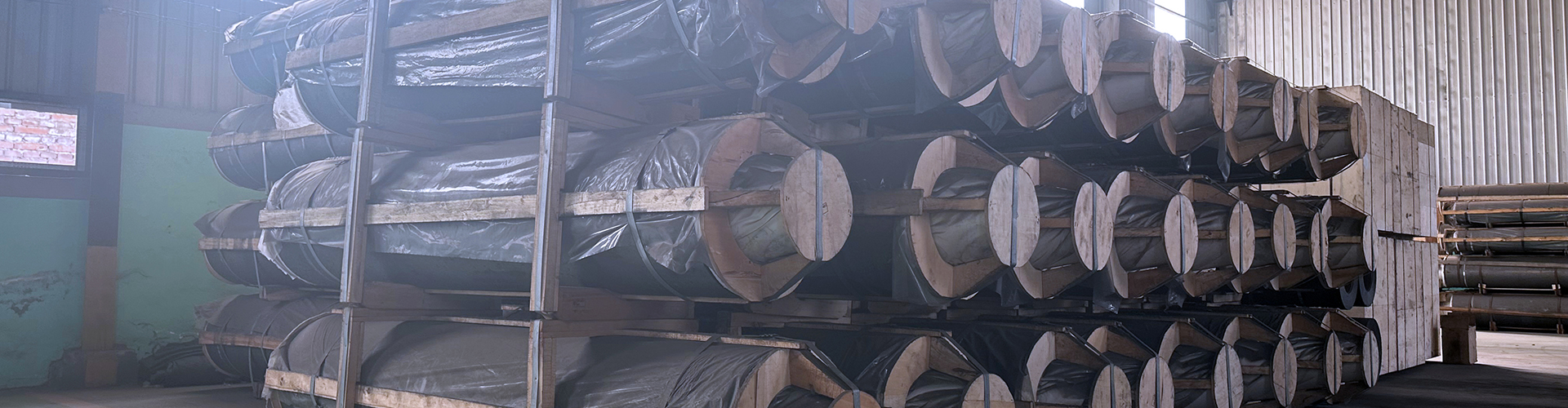
Granular recarburizer: eco-friendly steelmaking trend?
2026-03-14
You see ‘granular recarburizer’ pop up more and more in industry chats and spec sheets. Everyone’s quick to slap the ‘eco-friendly’ label on it. But is it just marketing, or is there real substance shifting how we manage carbon in the melt shop? From where I stand, having wrestled with everything from crushed electrode butt to fancy synthetic carbons, the granular form isn’t just a shape change—it’s a potential pivot point. But the devil, as always, is in the operational details and the actual math on emissions and yield, not the brochure.
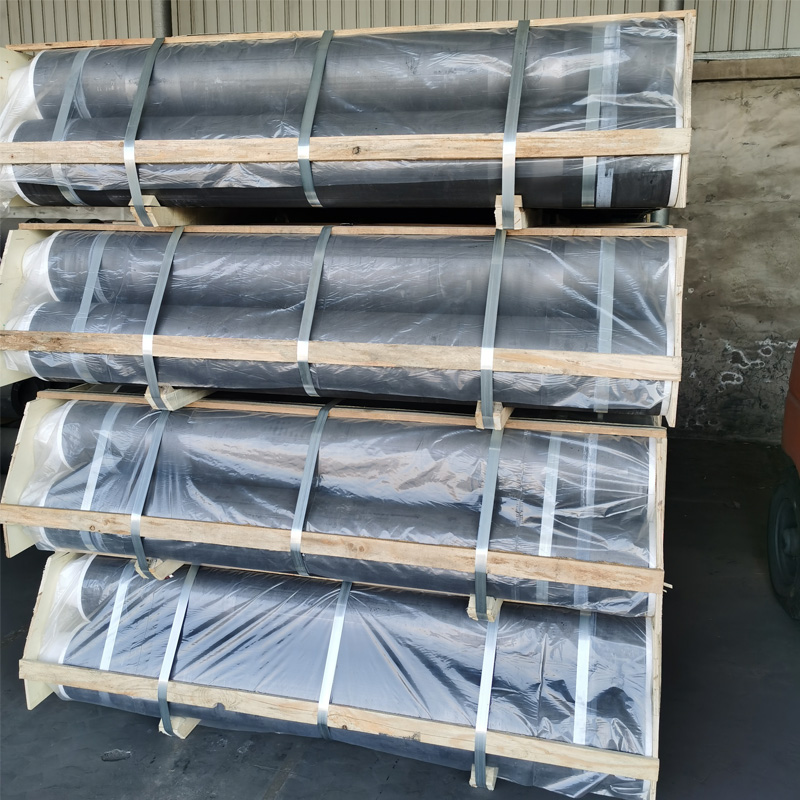
The Shape of Efficiency: Beyond Just Feeding Carbon
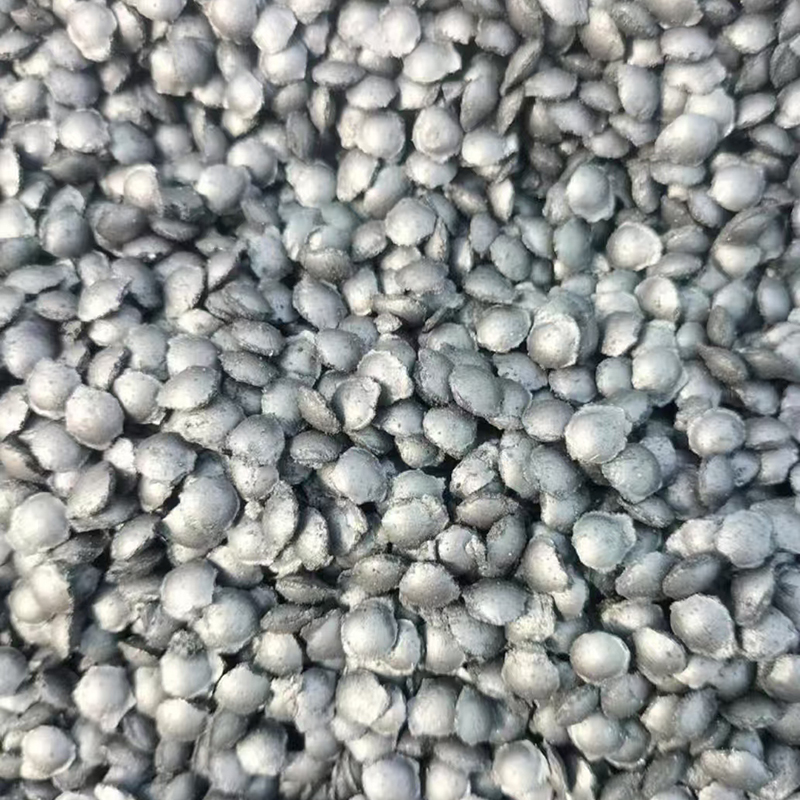
Let’s cut through the noise. The core appeal of granular recarburizer, especially the high-purity calcined petroleum coke (CPC) based ones, is predictability. You’re not just adding carbon; you’re adding a consistent, controlled reactant. We ran trials comparing standard lump recarburizer to a granular 1-4mm product from a supplier like Hebehi Yaoa Carbon C., Ltd.. The difference in dissolution rate in the ladle furnace was noticeable. Less floating slag, fewer icebergs of unmelted carbon needing oxygen lancing, which already hints at energy savings. It’s a more digestible form for the steel bath.
But here’s the first hiccup: not all granules are equal. The term ‘granular’ covers a huge range—from almost dust-like fines to 10mm pellets. The bulk density and sizing are critical. Too fine, and you lose yield to the fume extraction system; too coarse, and you’re back to the slow dissolution problem. We learned this the hard way with an early batch that had a wide size distribution. The furnace operator complained about inconsistent carbon recovery, forcing us to adjust feeding rates constantly, negating the consistency benefit. The ideal is a tight size range, high density, and low moisture. It sounds basic, but it’s a quality control mountain many producers are still climbing.
This ties directly into the eco-angle. Faster, more predictable dissolution means the arc time or holding time can be optimized. Less time at high power is lower electrical energy consumption per ton. That’s a tangible, if indirect, environmental benefit. It’s not just about the carbon source being ‘green’ (most are still fossil-fuel derived), but about the efficiency of the entire process. When you visit a site like Yaoutatsu.com, you’ll see specs focusing on fixed carbon, sulfur, and nitrogen. The real conversation with a technical manager, however, should be about dissolution curves under your specific plant conditions.
The Green in the Graphite: Sourcing and Lifecycle Shadows
Now, the big question: can granular recarburizer be part of a lower-carbon steelmaking pathway? The industry’s obsession is with the carbon footprint of the material itself. Yes, using a high-purity, low-sulfur, low-nitrogen grade like a premium GPC (graphitized petroleum coke) minimizes impurities, leading to cleaner steel and potentially fewer additives later. But the eco-claim often stumbles at the raw material source. Most CPC and GPC start with refinery by-products. Is that eco-friendly? It’s more accurate to call it efficient resource utilization—turning a waste stream from another industry into a precise metallurgical tool.
A more promising, though trickier, area is the use of bio-based or recycled carbon sources in granular form. I’ve seen R&D on granular recarburizers made from processed biocarbon. The challenge is scaling up to the purity and consistency required for EAF or ladle refining. A batch with high volatile matter can be a safety hazard; inconsistent density wrecks automated feeding systems. Hebehi Yaoa Carbon C., Ltd., with its two decades in carbon materials, represents the established players who have the process know-how to potentially integrate new raw material streams reliably. The transition isn’t about a single green product, but about manufacturers evolving their feedstock base.
From a lifecycle view, the granular form might have another subtle advantage: logistics and handling. Less dust during transport and loading means less material loss and improved workplace air quality. It’s a small point, but in a modern mill focused on ESG reporting, these operational hygiene factors start to count. They contribute to the broader sustainable operation narrative, even if the core carbon chemistry remains similar.
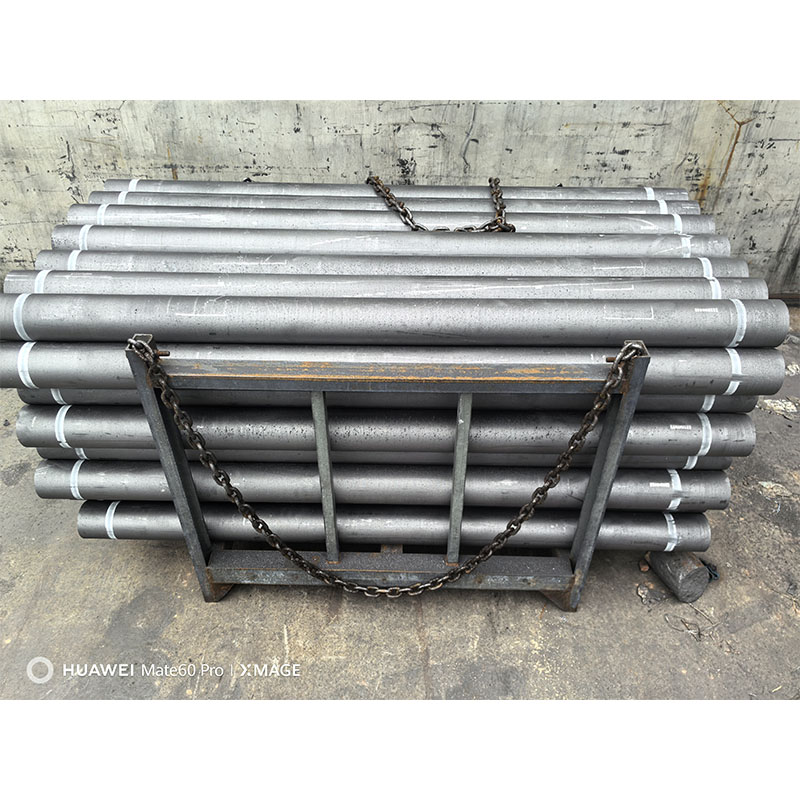
Case in Point: The Feeding System Hurdle
Adopting granular recarburizer isn’t just a purchasing decision; it’s an integration challenge. This is where theory meets the gritty reality of the melt shop. We pushed for a switch to granules at one facility, sold on the efficiency gains. What we didn’t fully account for was the existing pneumatic feeding system. It was designed for a lighter, flakier material. The denser granules caused line blockages and erratic flow. We had weeks of downtime and adjustments—increasing air pressure, modifying line bends—before it ran smoothly.
This experience underscores a critical point: the material and the method are inseparable. Granular recarburizer often works best with dedicated, precision feeding systems that can meter it steadily into the bath or ladle. The capital investment for such a system can be a barrier. The ROI calculation must include not just the price per ton of carbon, but the improved yield (reduced oxidation loss), labor savings from less manual intervention, and the energy savings from shorter processing times. It’s a systems upgrade, not a commodity swap.
I recall a discussion with a team from a carbon manufacturer who emphasized their ability to tailor granular size and density to a client’s specific feeding equipment. That’s the kind of practical support that makes or breaks a transition. It moves the conversation from selling a product to solving a process bottleneck.
Market Realities and the Verdict on the Trend
So, is it a lasting trend or a passing phase? Looking at the order books and the technical focus of major carbon additive producers, the shift towards granular forms is real and accelerating. It aligns with the broader steel industry drivers: precision, automation, and resource efficiency. For high-quality steel grades where control over nitrogen and hydrogen pickup is crucial, the consistency of a premium granular recarburizer is becoming non-negotiable.
However, calling it universally eco-friendly is an overstatement. It’s a more process-efficient form of carbon addition, which can lead to reduced energy consumption and material waste. Those are environmental gains, but they are secondary effects. The primary green breakthrough will come from decarbonizing the recarburizer’s own production chain or developing viable large-scale alternatives from renewable sources. For now, granular recarburizer is best viewed as a smart, operational upgrade that makes steelmaking more controlled and less wasteful.
In the end, the value depends entirely on the context of your plant. If you’re running an old, manually-fed EAF with high tolerance for variability, the cost-benefit might not stack up. But for a modern, automated facility chasing tighter specs and lower operating costs, it’s a logical step. It’s not magic, but it is a better tool. And in this business, the right tool, applied correctly, is often what separates profit from loss, and a smooth heat from a messy one. The trend, therefore, seems less about a sudden green revolution and more about the steel industry’s continuous, grinding evolution toward greater precision and less inefficiency—one granule at a time.