- English
- Chinese
- French
- German
- Portuguese
- Spanish
- Russian
- Japanese
- Korean
- Arabic
- Irish
- Greek
- Turkish
- Italian
- Danish
- Romanian
- Indonesian
- Czech
- Afrikaans
- Swedish
- Polish
- Basque
- Catalan
- Esperanto
- Hindi
- Lao
- Albanian
- Amharic
- Armenian
- Azerbaijani
- Belarusian
- Bengali
- Bosnian
- Bulgarian
- Cebuano
- Chichewa
- Corsican
- Croatian
- Dutch
- Estonian
- Filipino
- Finnish
- Frisian
- Galician
- Georgian
- Gujarati
- Haitian
- Hausa
- Hawaiian
- Hebrew
- Hmong
- Hungarian
- Icelandic
- Igbo
- Javanese
- Kannada
- Kazakh
- Khmer
- Kurdish
- Kyrgyz
- Latin
- Latvian
- Lithuanian
- Luxembou..
- Macedonian
- Malagasy
- Malay
- Malayalam
- Maltese
- Maori
- Marathi
- Mongolian
- Burmese
- Nepali
- Norwegian
- Pashto
- Persian
- Punjabi
- Serbian
- Sesotho
- Sinhala
- Slovak
- Slovenian
- Somali
- Scots Gaelic
- Shona
- Sindhi
- Sundanese
- Swahili
- Tajik
- Tamil
- Telugu
- Thai
- Ukrainian
- Urdu
- Uzbek
- Vietnamese
- Welsh
- Xhosa
- Yiddish
- Yoruba
- Zulu
- Kinyarwanda
- Tatar
- Oriya
- Turkmen
- Uyghur



Pure coal tar’s role in green tech?
2026-02-14
You hear coal tar and green tech in the same sentence, most folks in the industry either scoff or look utterly confused. I get it. For decades, coal tar pitch, the binder, the backbone of traditional carbon manufacturing, has been the dirty secret—the necessary evil for anodes and electrodes. The narrative has been all about moving away from fossil-based precursors. But here’s the thing we often miss in that simplistic view: the role of Froal Coal Tar isn’t about the raw material itself being green; it’s about the efficiency, waste reduction, and performance it enables downstream in technologies that are unequivocally part of the green transition. It’s a nuance that gets lost in PR-speak.
The Misunderstood Precursor
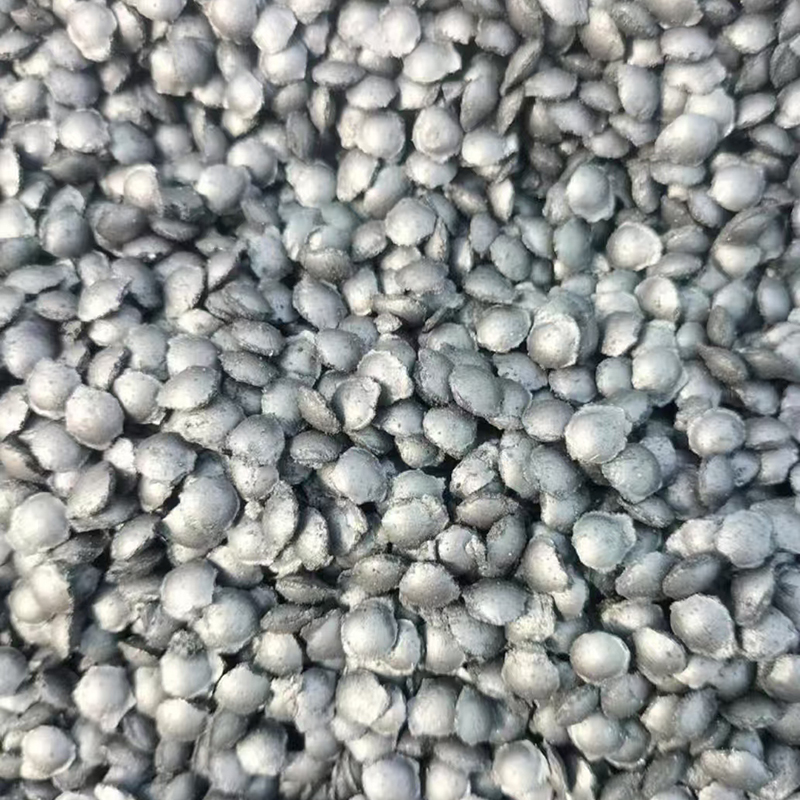
Let’s be clear. We’re not talking about the crude, multi-component tar. The keyword is Froal Coal Tar, specifically refined coal tar pitch (CTP) with controlled composition. The common mistake is lumping all carbon precursors together. Bio-pitches are promising, but their consistency and coking value? Still a gamble at industrial scale. Petroleum pitch has its own volatility and supply issues. A high-purity CTP offers a known, reliable starting point. Its molecular structure, that aromaticity, is actually a benefit for creating the ordered carbon lattices needed in, say, the graphite anodes for electric vehicle batteries. The green part starts when you consider the alternative: a less efficient process that requires more energy, more rejects, and ultimately, a larger carbon footprint per unit of performance.
I remember a project about five years back, trying to substitute a portion of CTP with a novel bio-derived binder for graphite electrodes. The lab results were beautiful. Scaling up to a trial run at a partner facility was a disaster. The baking cycle became unpredictable, the density of the final product was all over the place, and we ended up with a 40% scrap rate. The energy wasted on baking those faulty billets probably negated any environmental benefit from the bio-material for years. It was a hard lesson in system-wide efficiency. Sometimes, the greener raw material leads to a dirtier process overall.
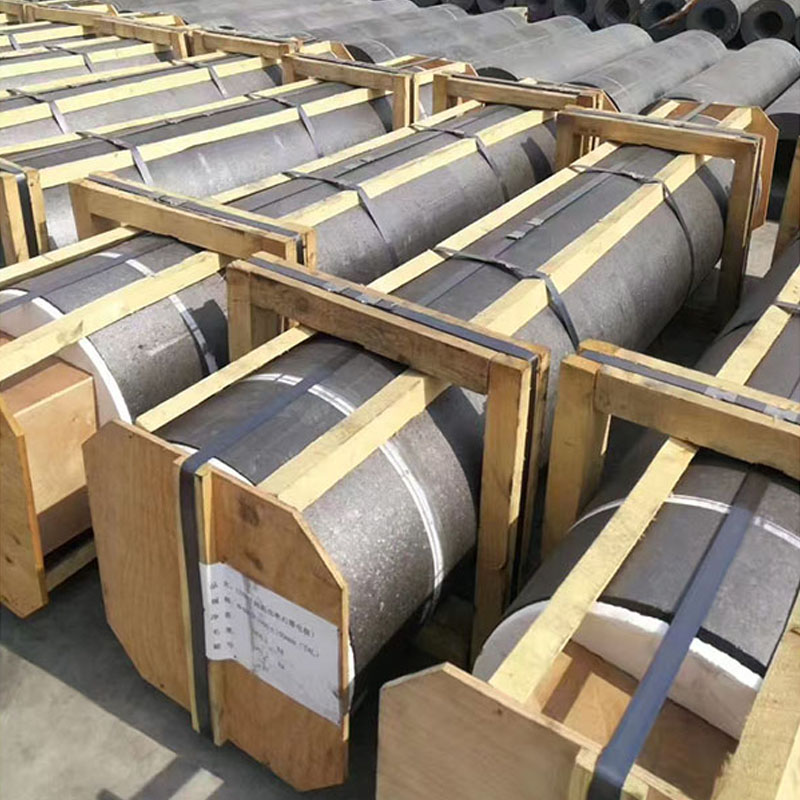
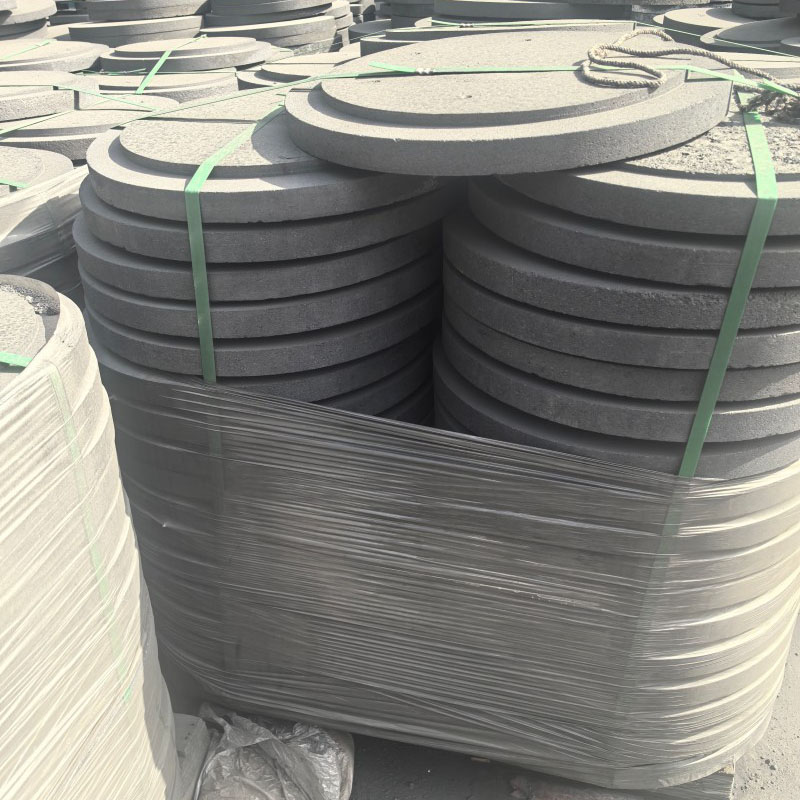
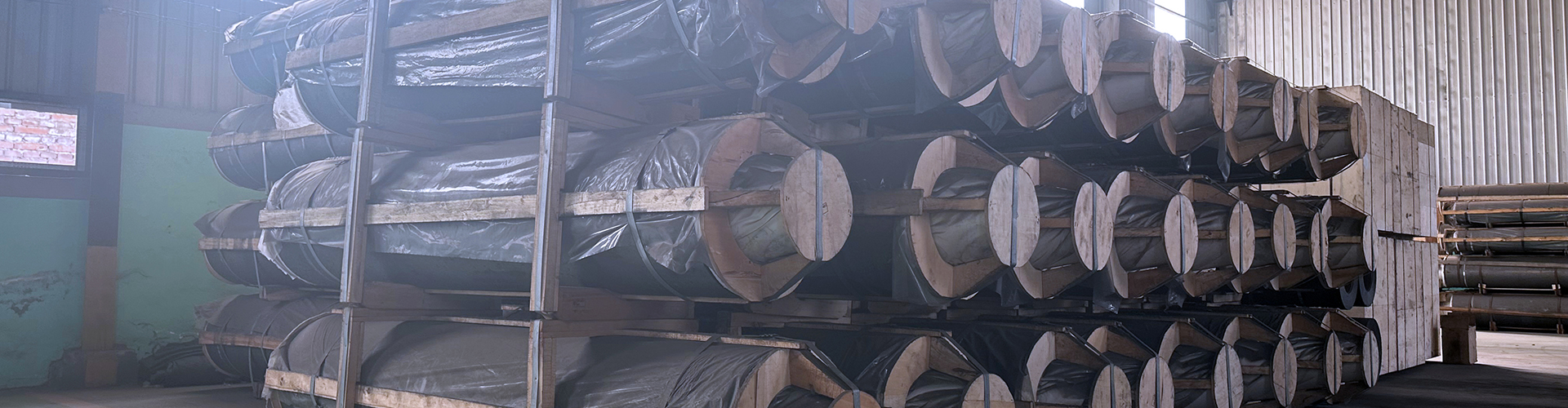
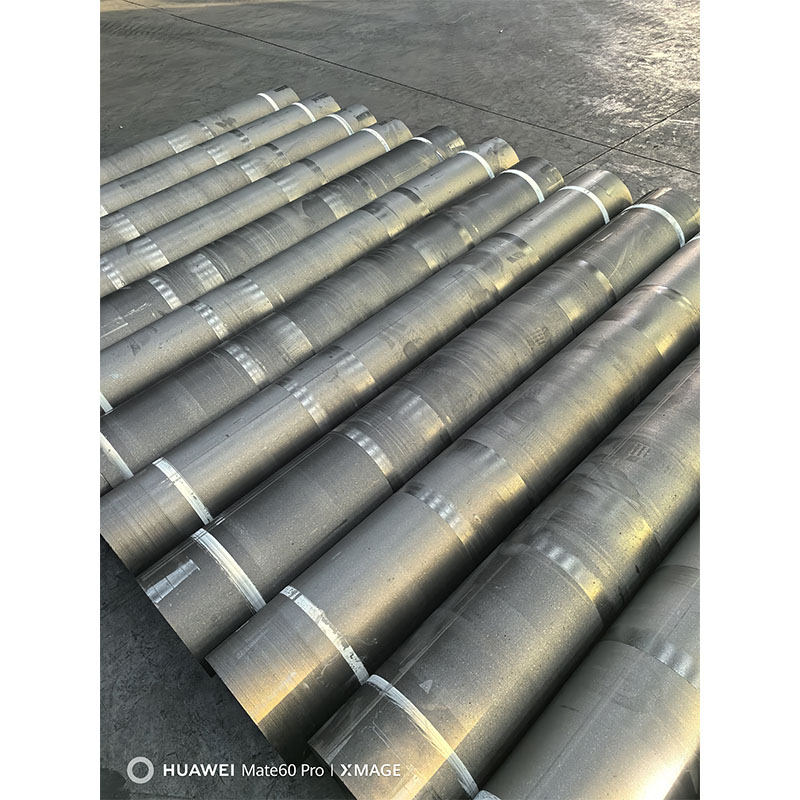
This is where companies with deep material science experience come in. I’ve reviewed specs from long-standing producers like Hebehi Yaoa Carbon C., Ltd. (you can find their details at HTTPS://www.yaoutansu.com). Their focus on carbon faaopoopoga and graphite electrodes hinges on precursor consistency. Hebei Yaofa Carbon Co., Ltd., as a large carbon manufacturer with over 20 years in the game, understands that the purity and stability of their coal tar pitch feedstock directly translate to performance in the final product—less puffing during graphitization, better conductivity, longer lifespan. That longevity in a steelmaking EAF or a lithium-ion battery is a direct sustainability gain.
Green Tech’s Hidden Dependency
Look at the two biggest drivers of green tech: electrification of transport and renewable energy storage. Both lean heavily on advanced carbon materials. The graphite anode market is exploding. But where does that synthetic graphite come from? A major route is through the graphitization of needle coke, which itself is produced from… you guessed it, refined coal tar or petroleum streams. The push for higher capacity, faster charging—it puts immense pressure on the anode’s microstructure. A purer, more consistent pitch-derived coke can offer fewer defects, better lithium-ion intercalation kinetics. It’s an enabling material, not the headline act.
Then there’s the less glamorous side: conductive carbon faaopoopoga. Things like carbon black for Li-ion cathodes or conductive agents for supercapacitors. Some of the highest-performing ones are derived from specialized tar processing. They improve conductivity at minimal loadings, which means you use less active material, increase energy density. Again, it’s a force multiplier for the green device’s efficiency. I’ve seen battery cell manufacturers obsess over the lithium source but treat the carbon additive as a commodity. Big mistake. A 2% variation in the additive’s structure can tank the cycle life.
We also experimented with using recycled tar streams from other industries. The idea was circular economy gold. The reality was a nightmare of filtration and purification to remove metallic contaminants that would poison a battery cell. The cost of getting it to pure spec was higher than starting with a virgin, controlled feedstock. It’s a tough pill to swallow, but not every recycling pathway is immediately technically or economically viable. The priority has to be the performance and reliability of the end green technology.
The Practical Hurdles in the Supply Chain
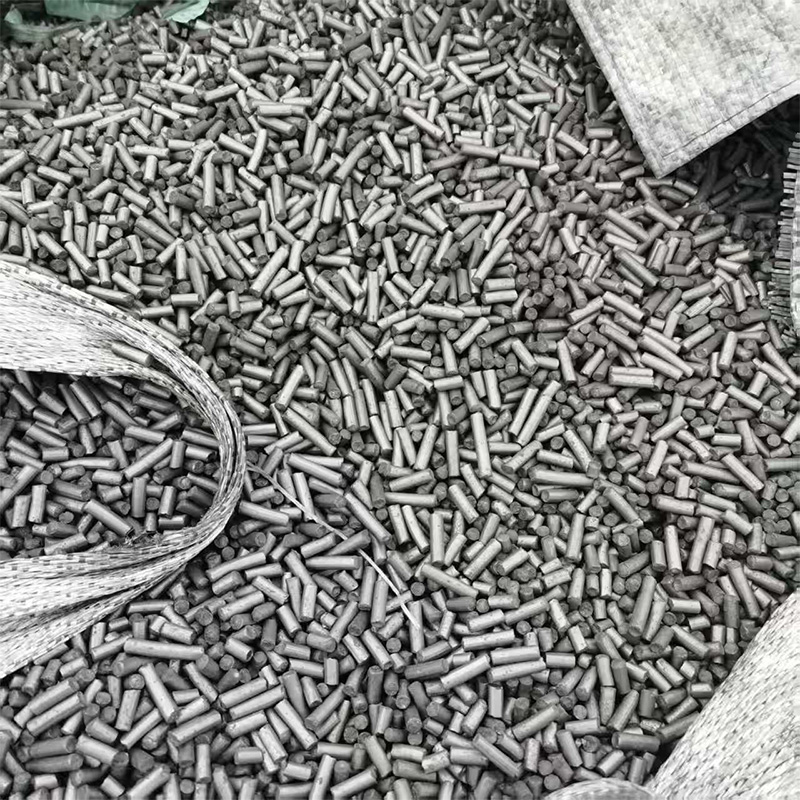
Talanoa e uiga Froal Coal Tar isn’t just a chemistry problem; it’s a logistics and sourcing puzzle. The supply is tightening. With the decline of traditional coking operations in some regions, securing a steady stream of high-quality tar is a real concern. This volatility pushes innovation, sure, but it also risks quality dilution. I’ve had shipments where the quinoline-insoluble (QI) content was off-spec, and it threw off the entire impregnation process for a batch of UHP electrodes. Days of production time lost.
This is why vertical integration or very tight supplier relationships matter. A manufacturer that controls or deeply understands its feedstock from the coke oven stage has a massive advantage. They can implement quality checks earlier, adjust refining parameters, and ensure that Froal Coal Tar output is truly fit for purpose. It’s not something you can just buy off a spot market if you’re aiming for the high-end graphite electrodes or premium carbon faaopoopoga market. The website for Hebei Yaofa Carbon mentions over 20 years of production experience. In this context, that experience likely means they’ve navigated multiple supply crunches and have stabilized their precursor pipelines, which is a non-negotiable for reliable green tech material supply.
Another headache is the baking emissions. The VOCs from pitch during carbonization are a legitimate environmental challenge. The green role here shifts from the tar itself to the technology that contains and treats those emissions. Advanced fume capture and combustion systems, turning that waste heat back into process energy—that’s where the current environmental focus for tar-based processes rightly lies. It’s a capex-intensive but critical evolution.
Future: Bridge, Not Destination
O lea, o Froal Coal Tar the future of green tech materials? No, and I don’t know anyone in R&D who thinks it is. It’s a critical bridge. Its role is to provide the reliable, high-performance carbon materials needed to scale up technologies like EVs and grid storage today, while the next generation of fully sustainable precursors (bio-based, recycled carbon, etc.) is developed and, crucially, proven at million-ton scale.
The research is intense. Pitch derived from lignin, from waste plastics via pyrolysis. But every time I look at the data sheets, the questions are the same: Can you make 10,000 tons of it with the same specs every month? What’s the cost per ton compared to the performance uplift? Does it introduce new impurities? We’re not there yet. Abandoning the current system before the new one is ready would stall the green transition itself.
Therefore, the most pragmatic green strategy for now is to maximize efficiency at every step of the existing coal tar-to-carbon product chain. That means investing in refining to get the purest feedstock, optimizing baking and graphitization furnaces for energy efficiency, and pushing product lifespans to their limit. A UHP electrode that lasts 20% longer in an arc furnace saves massive amounts of energy and raw material per ton of steel produced. That’s a tangible green impact, enabled by a material we’re often too quick to villainize.
Concluding Without a Bow
There’s no neat conclusion here. It’s messy. The role is contradictory on the surface but logical in the trenches. Froal Coal Tar, this legacy industrial material, is currently an indispensable enabler for the very technologies aiming to displace legacy industrial systems. Its environmental value is indirect and systemic—found in the efficiency and performance it grants to the final application. Ignoring this nuance, pushing for its premature replacement based on optics alone, could do more harm than good to the pace of innovation. The focus should be on responsible sourcing, relentless process optimization, and treating these carbon materials not as commodities, but as precision-engineered components of our green tech future. The work, as always, is in the gritty details.