- Chinese
- French
- German
- Portuguese
- Spanish
- Russian
- Japanese
- Korean
- Arabic
- Irish
- Greek
- Turkish
- Italian
- Danish
- Romanian
- Indonesian
- Czech
- Afrikaans
- Swedish
- Polish
- Basque
- Catalan
- Esperanto
- Hindi
- Lao
- Albanian
- Amharic
- Armenian
- Azerbaijani
- Belarusian
- Bengali
- Bosnian
- Bulgarian
- Cebuano
- Chichewa
- Corsican
- Croatian
- Dutch
- Estonian
- Filipino
- Finnish
- Frisian
- Galician
- Georgian
- Gujarati
- Haitian
- Hausa
- Hawaiian
- Hebrew
- Hmong
- Hungarian
- Icelandic
- Igbo
- Javanese
- Kannada
- Kazakh
- Khmer
- Kurdish
- Kyrgyz
- Latin
- Latvian
- Lithuanian
- Luxembou..
- Macedonian
- Malagasy
- Malay
- Malayalam
- Maltese
- Maori
- Marathi
- Mongolian
- Burmese
- Nepali
- Norwegian
- Pashto
- Persian
- Punjabi
- Serbian
- Sesotho
- Sinhala
- Slovak
- Slovenian
- Somali
- Samoan
- Scots Gaelic
- Shona
- Sindhi
- Sundanese
- Swahili
- Tajik
- Tamil
- Telugu
- Thai
- Ukrainian
- Urdu
- Uzbek
- Vietnamese
- Welsh
- Xhosa
- Yiddish
- Yoruba
- Zulu
- Kinyarwanda
- Tatar
- Oriya
- Turkmen
- Uyghur



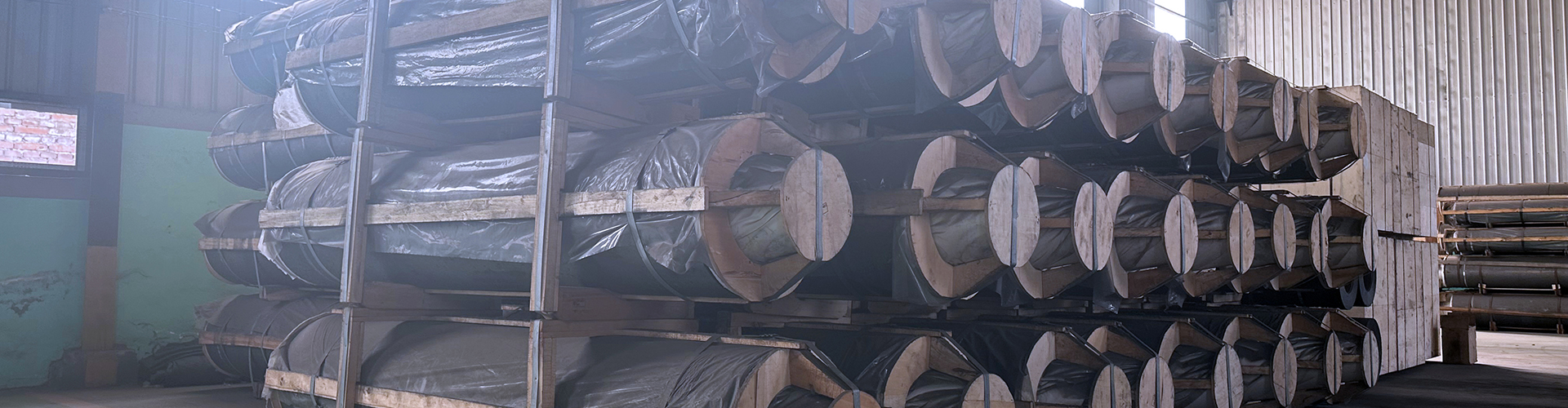
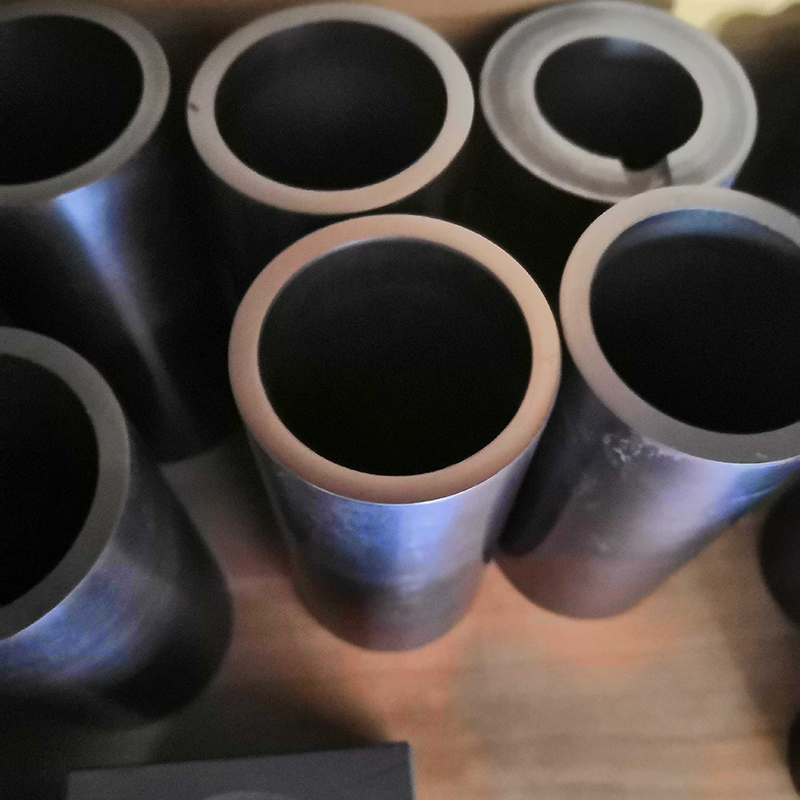
China clay graphite crucible
Understanding China Clay Graphite Crucibles: A Practical Insight
China clay graphite crucibles are staples in material processing, yet their effective use often stumbles upon misconceptions. Whether you're a metallurgist or a hobbyist melting aluminum, understanding these tools' nuances can drastically improve your results.
The Foundation of Graphite Crucibles
One common misunderstanding is associating all graphite crucibles with equal quality. The truth is, a China clay graphite crucible differs significantly based on its production methods and materials. Hebei Yaofa Carbon Co., Ltd., for instance, emphasizes using high-grade carbon composites that result in varied thermal shock resistance and lifespan. Their website at yaofatansu.com offers a detailed exploration of these differences.
Another factor is the clay content. It might seem trivial, but clay affects crucible porosity and thermal expansion. An optimal blend of graphite and clay ensures not only durability but also enhances thermal conductivity. I've seen poorly mixed crucibles that cracked mid-process, which is always a costly mistake—both materially and time-wise.
From working in a foundry, I've noted how important it is to determine the right crucible based on the specific metal being processed. Different metals demand different thermal stabilities, a detail sometimes overlooked in the rush to purchase.
Operational Challenges and Solutions
While these crucibles are robust, they’re not invincible. Frequent heating and cooling cycles can lead to degradation. Hence, understanding how to preheat a crucible properly is crucial. Gradual temperature increase reduces the risk of cracking, something that cannot be overstated in practical environments.
In one instance, a colleague neglected this step, resulting in a severely damaged crucible almost immediately. This illustrates a common pitfall—hurrying through initial steps for the sake of speed actually delays the whole operation when equipment fails.
Another aspect is handling—improper handling technique is often a culprit for premature wear. Using tongs correctly, lifting and setting down gently, all contribute to a longer service life of the graphite crucible.
Material Compatibility and Considerations
Choosing a crucible involves understanding the chemical interactions that may occur. Not all metals play nicely with graphite, and knowing the limits is crucial. For instance, using a graphite crucible with metals that can react with carbon may lead to contamination or structural failure of the crucible.
For example, when working on a project involving molten alloys, I had to switch from a graphite to a ceramic crucible to avoid unwanted reactions. This shift was crucial in maintaining the purity of the alloy.
Choosing suppliers with in-depth knowledge like Hebei Yaofa Carbon Co., Ltd. can mitigate such issues as they provide guidance on compatibility and product performance.
The Role of Manufacturer Expertise
In an industry reliant on consistent quality, the manufacturer’s skill cannot be overstated. Hebei Yaofa Carbon Co., Ltd., with over 20 years of experience, exemplifies this expertise in the carbon field. They don't just offer products but also insights on maximizing their effectiveness.
Their comprehensive support can be a significant advantage. I've found that when suppliers are willing to educate their customers, it often translates to better use and longer product life, directly impacting performance and cost-efficiency in a positive manner.
For those new to the use of these crucibles, leveraging such expertise can mean the difference between success and failure in operations.
Practical Recommendations
Ultimately, a few key practices make all the difference in using a China clay graphite crucible. Always prioritize proper preheat protocols, understand the material chemistry, and align with reputable manufacturers.
While experimentation is part of the learning curve, avoiding unnecessary losses is just as important. In my experience, maintaining a balance between innovation and reliable practices leads to the most consistent results.
For further details, manufacturers like Hebei Yaofa Carbon Co., Ltd. readily provide both products and practical advice on their website yaofatansu.com. Leveraging such resources can elevate your operational effectiveness significantly.
Related products
Related products