
- Chinese
- French
- German
- Portuguese
- Spanish
- Russian
- Japanese
- Korean
- Arabic
- Irish
- Greek
- Turkish
- Italian
- Danish
- Romanian
- Indonesian
- Czech
- Afrikaans
- Swedish
- Polish
- Basque
- Catalan
- Esperanto
- Hindi
- Lao
- Albanian
- Amharic
- Armenian
- Azerbaijani
- Belarusian
- Bengali
- Bosnian
- Bulgarian
- Cebuano
- Chichewa
- Corsican
- Croatian
- Dutch
- Estonian
- Filipino
- Finnish
- Frisian
- Galician
- Georgian
- Gujarati
- Haitian
- Hausa
- Hawaiian
- Hebrew
- Hmong
- Hungarian
- Icelandic
- Igbo
- Javanese
- Kannada
- Kazakh
- Khmer
- Kurdish
- Kyrgyz
- Latin
- Latvian
- Lithuanian
- Luxembou..
- Macedonian
- Malagasy
- Malay
- Malayalam
- Maltese
- Maori
- Marathi
- Mongolian
- Burmese
- Nepali
- Norwegian
- Pashto
- Persian
- Punjabi
- Serbian
- Sesotho
- Sinhala
- Slovak
- Slovenian
- Somali
- Samoan
- Scots Gaelic
- Shona
- Sindhi
- Sundanese
- Swahili
- Tajik
- Tamil
- Telugu
- Thai
- Ukrainian
- Urdu
- Uzbek
- Vietnamese
- Welsh
- Xhosa
- Yiddish
- Yoruba
- Zulu
- Kinyarwanda
- Tatar
- Oriya
- Turkmen
- Uyghur



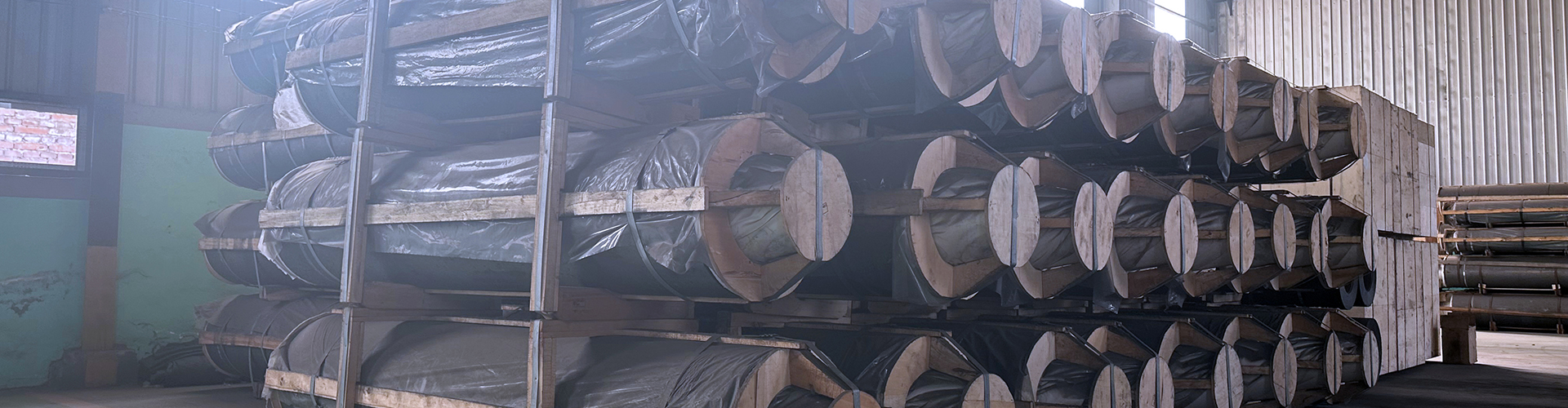
China Graphite plate
The Intricacies of China’s Graphite Plate Industry
When it comes to graphite plate production, China stands out not just because of its sheer volume but also due to the intricate expertise that goes into making these essential components. An often misunderstood aspect is the balance between quality and cost, a tightrope that many manufacturers walk every day. Let’s delve deeper into the nuances of this industry and discover how companies like Hebei Yaofa Carbon Co., Ltd. navigate these waters.
The Role of Graphite Plates in Industry
Graphite plates are pivotal in several high-temperature and corrosive applications. I’ve seen them used extensively in heat exchangers in chemical plants, which isn't surprising given their excellent thermal conductivity and corrosion resistance. A common mistake, though, is underestimating the specific grade or type of graphite needed for particular applications — a costly oversight.
There’s this personal anecdote where a client insisted on using a cheaper alternative for a highly corrosive environment. Unsurprisingly, it led to unplanned downtime and increased costs. Words from experience: quality matters in this context, even if the initial investment is higher.
Hebei Yaofa Carbon Co., Ltd. with its more than 20 years of production experience, highlights the importance of matching the right carbon materials to their respective industrial needs. Their expertise in producing UHP/HP/RP grade graphite electrodes reflects this commitment.
Quality Over Quantity
In the pursuit of cost-effectiveness, manufacturers sometimes opt for quantity over stringent quality checks. But firms like Hebei Yaofa prioritize excellence, ensuring products meet necessary standards. They focus on not just meeting demands, but exceeding expectations. This is where experience truly counts — knowing when and where to compromise, and more importantly, when not to.
Visiting their production site (you’ll find more at Hebei Yaofa Carbon's Website), you can observe a strict adherence to quality. It's fascinating how their process aligns with international standards, a necessity when exporting to markets with stringent regulations.
Often, those new to the industry overlook the significance of certifications. In a global market, certifications do more than open doors; they establish trust and reliability.
Innovation and Adaptability
The industry doesn’t stand still. There’s constant innovation in terms of production processes and material composition. Keeping up is not just about adopting new technologies but understanding how they integrate into existing systems. Adaptability is key, and in China’s bustling graphite plate market, it's the differentiator.
Hebei Yaofa is a testament to this adaptability. They have expanded into producing carbon additives (CPC and GPC), catering to varied industrial needs. Such diversification ensures resilience against market fluctuations.
This adaptability reminds me of an instance where a shift in market demand caught many off guard. Companies that could not pivot swiftly faced significant setbacks. It’s all about reading the market right and responding proactively.
Challenges in the Graphite Plate Industry
There are challenges, of course. From resource availability to environmental regulations, companies must navigate a complex landscape. There's this ongoing tension between maintaining sustainable practices and meeting increasing demand — a challenge that only proactive management can aptly handle.
Hebei Yaofa has integrated eco-friendly practices without compromising quality. Their approach to sustainable development is worth noting, particularly how they manage resource inputs efficiently to minimize waste.
Sustainability isn't just a buzzword; it's a necessity. I've seen first-hand how adopting greener practices can impact reputation and customer loyalty positively.
Market Dynamics and Future Perspectives
China's position as a leader in graphite plate production is both a boon and a challenge. The market is competitive, and maintaining an edge requires both innovation and strategic foresight. Understanding global trends, such as shifts towards renewables, impacts decisions at every level.
Hebei Yaofa is a prime example of a company strategically positioned for future opportunities. Their focus on research and development is not just about staying relevant but leading the way in innovation.
The future is promising, albeit unpredictable. Companies that invest in technology, quality, and sustainability will not just survive but thrive in this evolving landscape.
Related products
Related products
Best selling products
Best selling productsRelated search
Related search- creditable rp graphite electrode product
- crucible made of graphite Manufacturer
- graphite electrodes for steel making factory
- graphite electrode use
- mg17 coal tar
- pyrolytic graphite plate supplier
- uhp graphite electrode price factory
- Recarburizer supplier Manufacturer
- graphite bipolar plate supplier
- graphite electrode factory Manufacturer