- Chinese
- French
- German
- Portuguese
- Spanish
- Russian
- Japanese
- Korean
- Arabic
- Irish
- Greek
- Turkish
- Italian
- Danish
- Romanian
- Indonesian
- Czech
- Afrikaans
- Swedish
- Polish
- Basque
- Catalan
- Esperanto
- Hindi
- Lao
- Albanian
- Amharic
- Armenian
- Azerbaijani
- Belarusian
- Bengali
- Bosnian
- Bulgarian
- Cebuano
- Chichewa
- Corsican
- Croatian
- Dutch
- Estonian
- Filipino
- Finnish
- Frisian
- Galician
- Georgian
- Gujarati
- Haitian
- Hausa
- Hawaiian
- Hebrew
- Hmong
- Hungarian
- Icelandic
- Igbo
- Javanese
- Kannada
- Kazakh
- Khmer
- Kurdish
- Kyrgyz
- Latin
- Latvian
- Lithuanian
- Luxembou..
- Macedonian
- Malagasy
- Malay
- Malayalam
- Maltese
- Maori
- Marathi
- Mongolian
- Burmese
- Nepali
- Norwegian
- Pashto
- Persian
- Punjabi
- Serbian
- Sesotho
- Sinhala
- Slovak
- Slovenian
- Somali
- Samoan
- Scots Gaelic
- Shona
- Sindhi
- Sundanese
- Swahili
- Tajik
- Tamil
- Telugu
- Thai
- Ukrainian
- Urdu
- Uzbek
- Vietnamese
- Welsh
- Xhosa
- Yiddish
- Yoruba
- Zulu
- Kinyarwanda
- Tatar
- Oriya
- Turkmen
- Uyghur



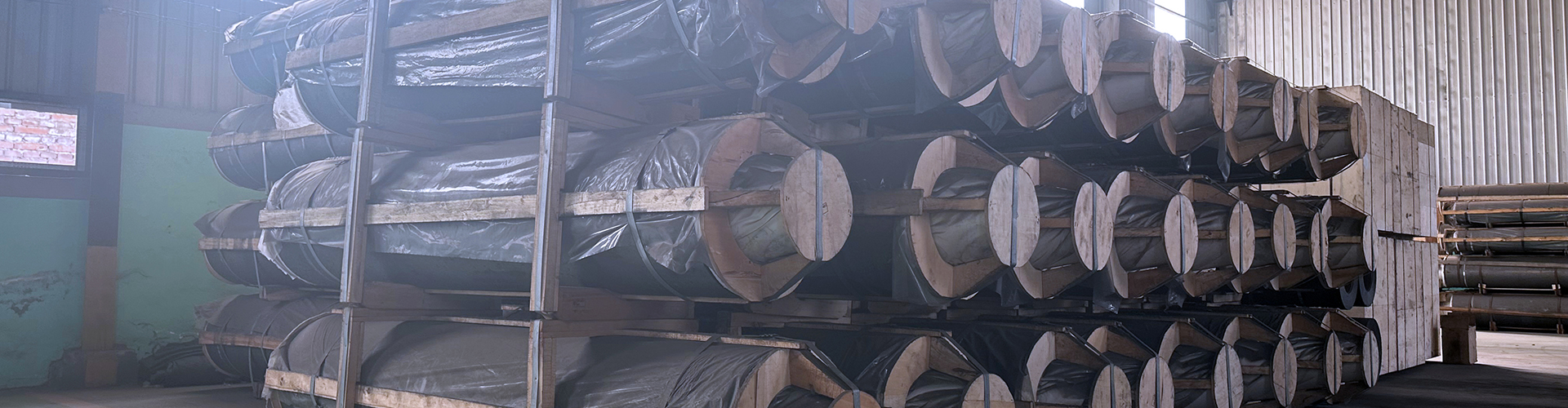
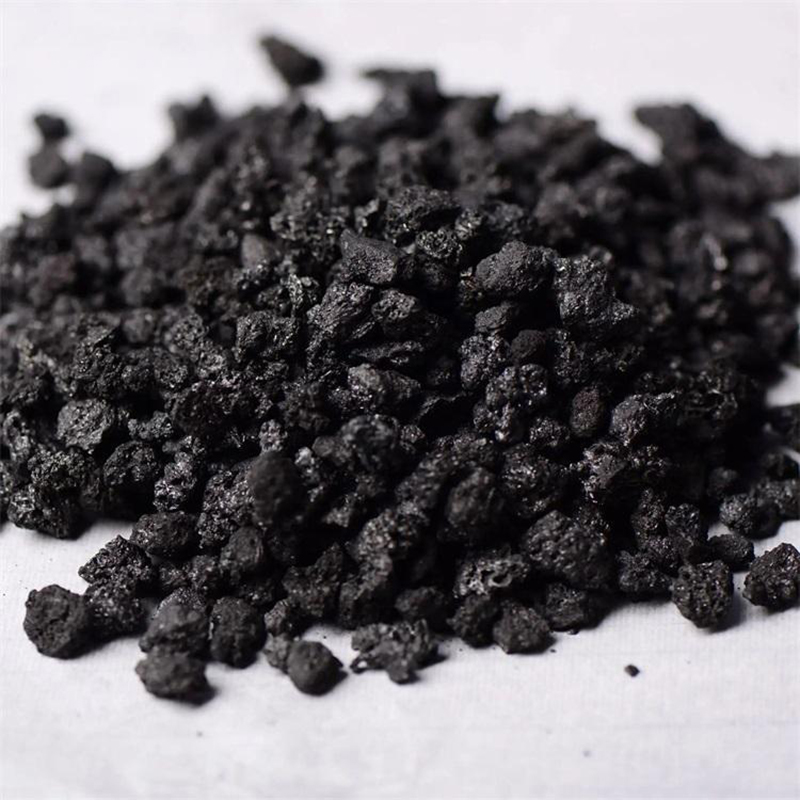
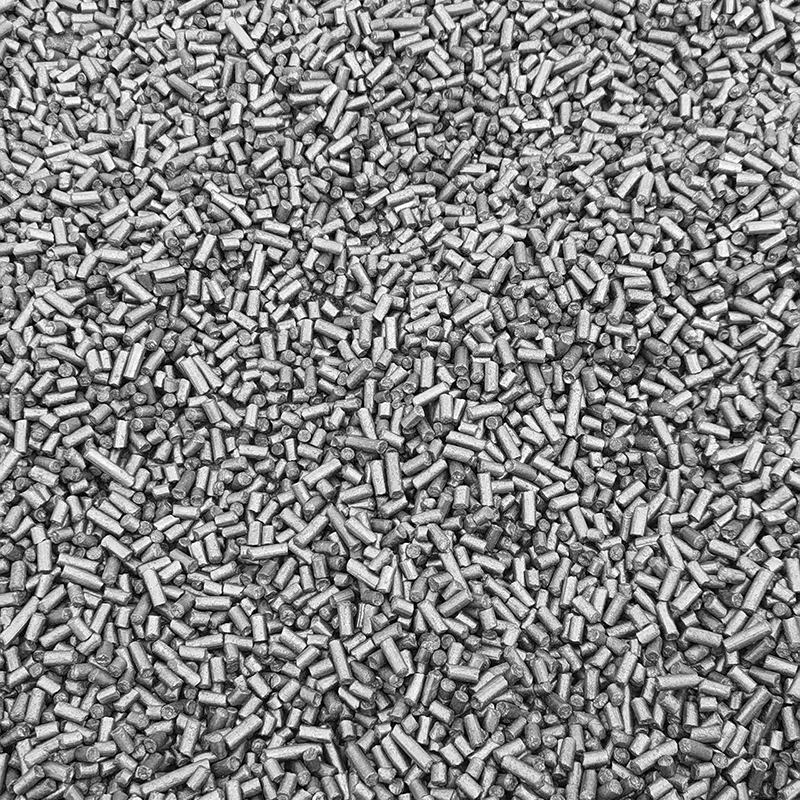
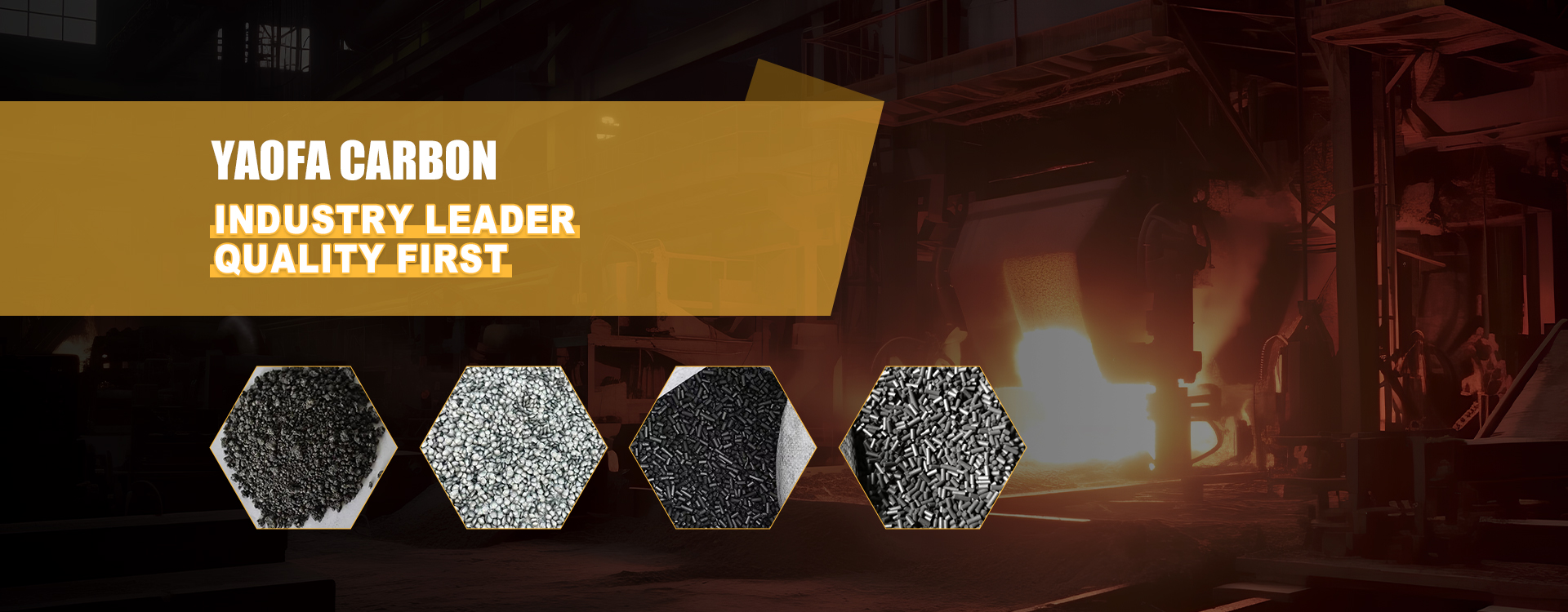
Graphite electrode Particles
Understanding the Role of Graphite Electrode Particles
The use of graphite electrode particles in various industries has often been misunderstood. It’s not just about conductivity or strength; factors like particle size, composition, and structure play crucial roles. People frequently overlook these subtleties, which can lead to inefficiencies in processes or even complete failures. Understanding these details can make a significant difference in handling materials and optimizing production.
Graphite Electrode Particles: What Are They?
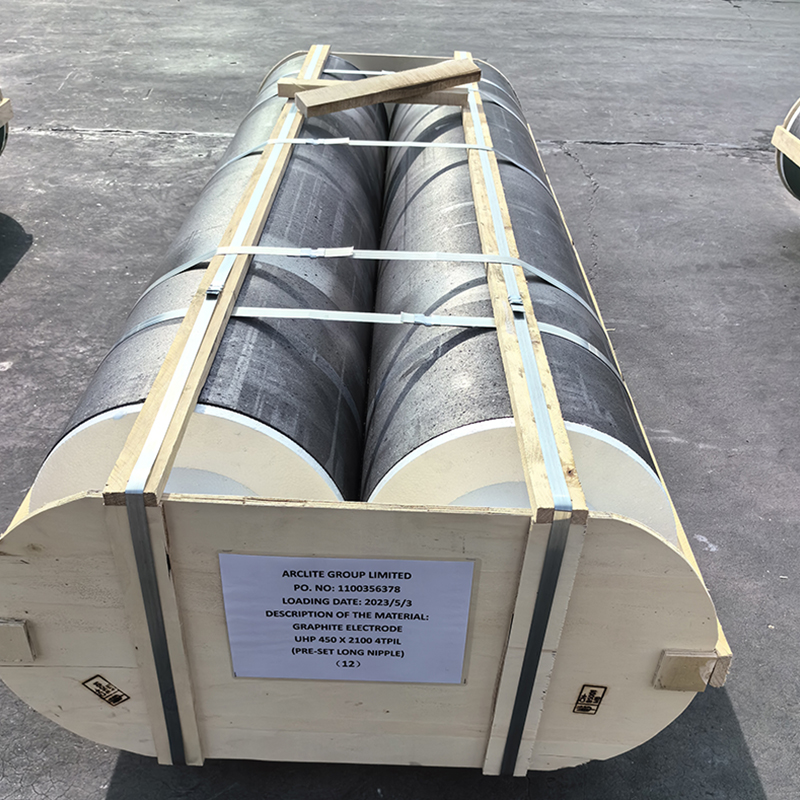
To put it simply, graphite electrode particles are integral to the performance of graphite electrodes used in electric arc furnaces for steel production. Their quality directly impacts the electrode's efficiency and lifespan. But why do the properties of these particles matter so much? Their behavior under high temperatures, for instance, can be a game-changer.
These particles are not a one-size-fits-all kind of material. Different applications may require different grades. Hebei Yaofa Carbon Co., Ltd., a significant player in this field, offers a range of products fitting various requirements. Being in the industry for over 20 years, they understand how nuanced these needs can be.
In practice, consistency in particle quality is paramount. Variability here can result in uneven wear or even breakages during high-stress operations. You’d be surprised how often companies overlook this, mistakenly focusing only on gross metrics like diameter or length.
The Production Process and Its Nuances
Creating graphite electrode particles is not straightforward. The manufacturing process involves several stages: selecting the right raw materials, blending, pressing, baking, and graphitization. Each step significantly affects the particle’s final properties.
During my time working closely with carbon manufacturing, we faced an issue with inconsistency. It turned out to be a minute fluctuation in the mixing stage. We corrected it by tightening controls, illustrating how even negligible changes in production can have ripple effects.
Hebei Yaofa Carbon Co., Ltd. emphasizes precision in their processes. They’ve established a strong reputation by not just sticking to norms but actively seeking improvements and solutions tailored to unique customer needs.
Application in Electric Arc Furnaces
In electric arc furnaces, graphite electrode particles are a vital element. Here, they conduct electricity, generating the intense heat needed to melt scrap steel. The efficiency of this process hinges on the quality of the electrodes, and by extension, the quality of the particles.
An example I recall involved a batch of electrodes that underperformed, leading us to investigate. The culprit? Subpar particle quality supplied by a different manufacturer. After switching back to a reliable supplier like Hebei Yaofa Carbon Co., Ltd., performance metrics quickly returned to normal levels.
It might sound exaggerated, but the reliability of your supplier can make or break your operation. Hebei Yaofa’s attention to detail and stringent quality control prevent such mishaps, reinforcing their status as an industry leader.
Challenges and Misconceptions
There’s no shortage of challenges when dealing with graphite electrode particles. One common misconception is assuming higher density is always better. In reality, it’s about balance. Too dense, and you may face issues with thermal expansion; too light, and they might not withstand operational stress.
I've seen companies fall into the density trap, dazzled by higher numbers. It’s essential to match particle properties precisely with their intended application, something easier said than done without expertise.
Hebei Yaofa Carbon Co., Ltd. approaches this with a wealth of experience, advising clients on the right balance of properties rather than sticking to potentially misleading figures.
Future Developments and Considerations
The landscape of graphite electrode particles is ever-evolving. With industries moving towards more sustainable practices, there’s pressure to improve recycling processes and product lifecycle management. Companies like Hebei Yaofa Carbon Co., Ltd. are at the forefront, innovating and adapting to these new demands.
In discussions about recycling, the challenge often lies in maintaining particle integrity. Poorly recycled materials can degrade quality, affecting operational efficacy. It’s a growing area of research and development.
Ultimately, the future of graphite electrode particles is intertwined with broader industrial trends. Advances here will undoubtedly ripple across sectors, making it a fascinating field to keep an eye on, both for seasoned professionals and newcomers alike.
Related products
Related products