- English
- Chinese
- French
- German
- Portuguese
- Spanish
- Russian
- Japanese
- Korean
- Arabic
- Irish
- Greek
- Turkish
- Italian
- Danish
- Romanian
- Indonesian
- Czech
- Afrikaans
- Swedish
- Polish
- Basque
- Catalan
- Esperanto
- Hindi
- Lao
- Albanian
- Amharic
- Armenian
- Azerbaijani
- Belarusian
- Bengali
- Bosnian
- Bulgarian
- Cebuano
- Chichewa
- Corsican
- Croatian
- Dutch
- Estonian
- Filipino
- Finnish
- Frisian
- Galician
- Georgian
- Gujarati
- Haitian
- Hausa
- Hawaiian
- Hebrew
- Hmong
- Hungarian
- Icelandic
- Igbo
- Javanese
- Kannada
- Kazakh
- Khmer
- Kurdish
- Kyrgyz
- Latin
- Latvian
- Lithuanian
- Luxembou..
- Macedonian
- Malagasy
- Malay
- Malayalam
- Maltese
- Maori
- Marathi
- Mongolian
- Burmese
- Nepali
- Norwegian
- Pashto
- Persian
- Punjabi
- Serbian
- Sesotho
- Sinhala
- Slovak
- Slovenian
- Somali
- Samoan
- Scots Gaelic
- Shona
- Sindhi
- Sundanese
- Swahili
- Tajik
- Tamil
- Telugu
- Ukrainian
- Urdu
- Uzbek
- Vietnamese
- Welsh
- Xhosa
- Yiddish
- Yoruba
- Zulu
- Kinyarwanda
- Tatar
- Oriya
- Turkmen
- Uyghur



How is coal tar used in sustainable tech?
2025-12-27
Coal tar often conjures images of smoke-belching industrial eras long past. Yet, its potential role in sustainable technologies is a conversation starter within the tech industry and among environmentalists alike. The persistent challenge lies in marrying coal tar’s inherent qualities with modern ecological sensibilities. Let’s delve into practical insights and examples from the field.
พื้นฐานของน้ำมันถ่านหิน
Having been a staple in industrial applications, น้ำมันถ่านหิน is a byproduct of carbonization processes. Its composition is complex, rife with hydrocarbons that offer versatility in applications. Historically, its uses ranged from medicinal to manufacturing. But, what about sustainable tech? It boils down to leveraging what’s already abundant and complex in this substance.
During my interactions with professionals at Hebei Yaofa Carbon Co., Ltd., I learned that coal tar’s adaptability isn’t just about what we can take from it. There’s an art in how carbon materials are crafted, demanding an understanding of its intricate chemistry, and these insights often inform the innovations seen at https://www.yaofatansu.com.
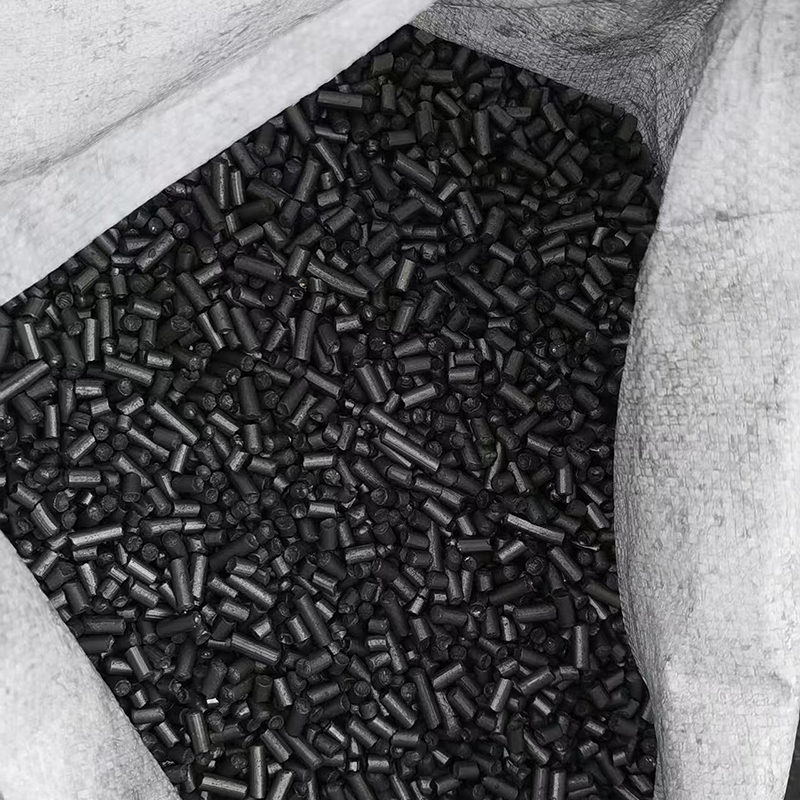
Moreover, when we examined its properties, the focus was on its conversion to other useful compounds. One significant use in sustainable tech is synthesizing carbon fibers, which serve as lightweight, strong components, promising in sectors like automotive and aerospace. This approach prioritizes recycling and repurposes what would otherwise be industrial waste.
Applications in Energy Storage
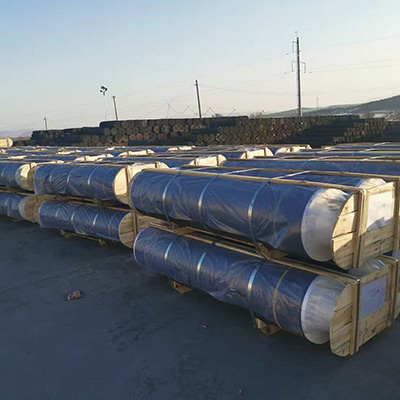
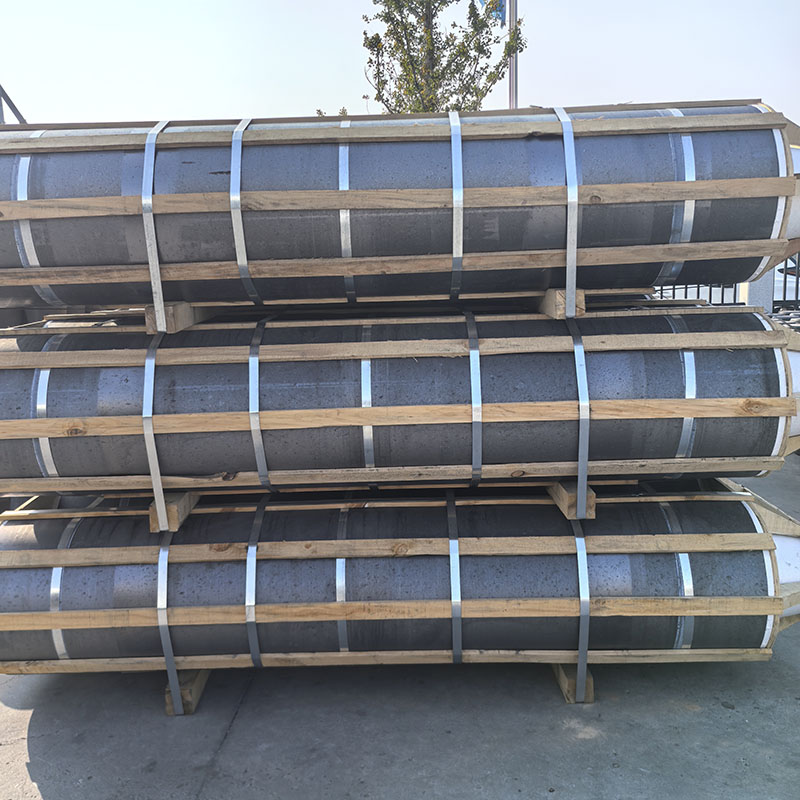
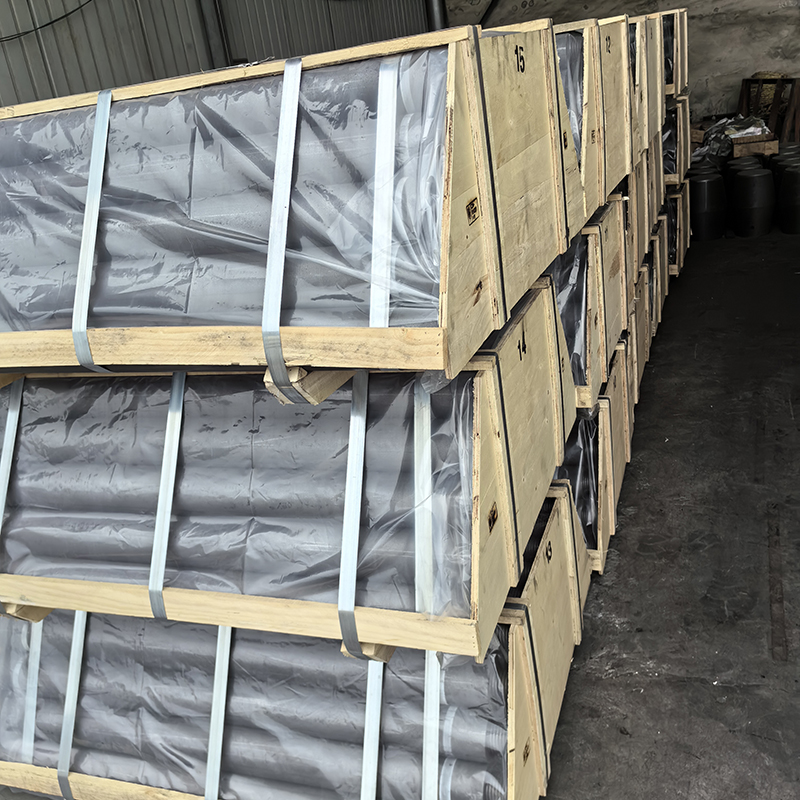
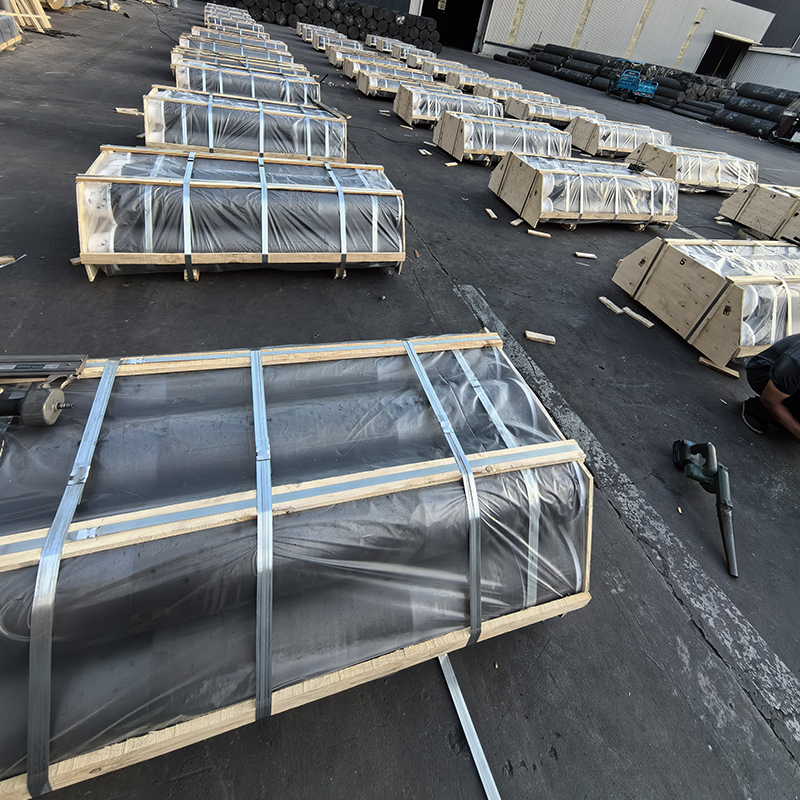
In energy storage, specifically regarding battery technologies, coal tar derivatives play a transformative role. The answer lies in its ability to enhance conductivity. Graphite electrodes, produced similarly to those at Hebei Yaofa Carbon Co., Ltd., illustrate this point. These electrodes, found in lithium-ion batteries, stand as a testament to coal tar’s utility in tech evolution.
Notably, there’s an ongoing conversation about improving battery efficiency. Through real-world trials, integrating coal tar-based materials has shown improvements in energy density. Colleagues who specialize in material science repeatedly emphasize that the key challenge is ensuring stability over repeated cycles. It can mean life or death for a product in competitive markets.
I’ve witnessed experiments falter over minuscule miscalculations in material composition. Yet, perseverance unfolds innovation. As industry experience shows, setbacks often precipitate breakthroughs, provided there’s an environment encouraging of experimentation.
Role in Solar Technologies
If we pivot the conversation to solar technology, the landscape is similarly rich with opportunity. Certain compounds that arise from coal tar processing have demonstrated potential in enhancing photovoltaic efficiency. The insights I gathered from solar tech forums are that slight modifications in raw material can shift output significantly.
An anecdote worth sharing involves a startup endeavoring to embed coal tar derivatives into solar panel substrates. Initial tests were modest, yet over time, efficiency gains became undeniable, hinting at future scalability. Solar tech remains a field ripe for tapping coal tar’s often-overlooked potential.
One has to tread carefully, however. Environmental regulations rightly impose restrictions, ensuring all derived benefits don’t compromise ecological or human health. Firms like those found at Hebei Yaofa Carbon Co., Ltd., diligently navigate these waters, crafting solutions that meet regulatory standards without sacrificing efficacy.
Sustainability and Challenges
Transitioning to sustainable tech requires navigating an intricate balance of innovation, regulation, and practicality. Coal tar, when scrutinized under the sustainability spotlight, is both a boon and a challenge. Companies often have to ensure that byproducts from their processes don’t negate the environmental savings targeted by sustainable tech.
The main barrier isn’t a lack of opportunities but refining processes to minimize impact. This was made clear during a site visit to a carbon facility where rigorous checks and innovative furnace designs reflected a commitment to sustainable practices.
Ultimately, sustainability within this context involves holistic thinking. It’s not just about the product but the entire lifecycle, from raw coal tar extraction to application, and back to recycling. Those in the field understand that while strides are being made, transparency and ongoing development shape the future directions.
Conclusion: The Future Unfolds
Coal tar in sustainable tech is a testament to how old materials find new purpose. Its integration into modern technology requires understanding its properties and clever engineering, continuously reshaped by industrial veterans and newcomers guided by evolving environmental priorities.
Hebei Yaofa Carbon Co., Ltd. and other forward-thinking entities serve as beacons of what’s possible when traditional industries embrace sustainability. The path isn’t without hurdles, but, as history shows, each layer of soot can reveal potential beneath if we’re patient and wise enough to look.
In closing, the future may indeed make room for coal tar as an unsung hero of sustainable advancement, one experiment at a time.